Color recognition Worksheets for Ages 5-7 - Page 5
121 filtered results
-
From - To
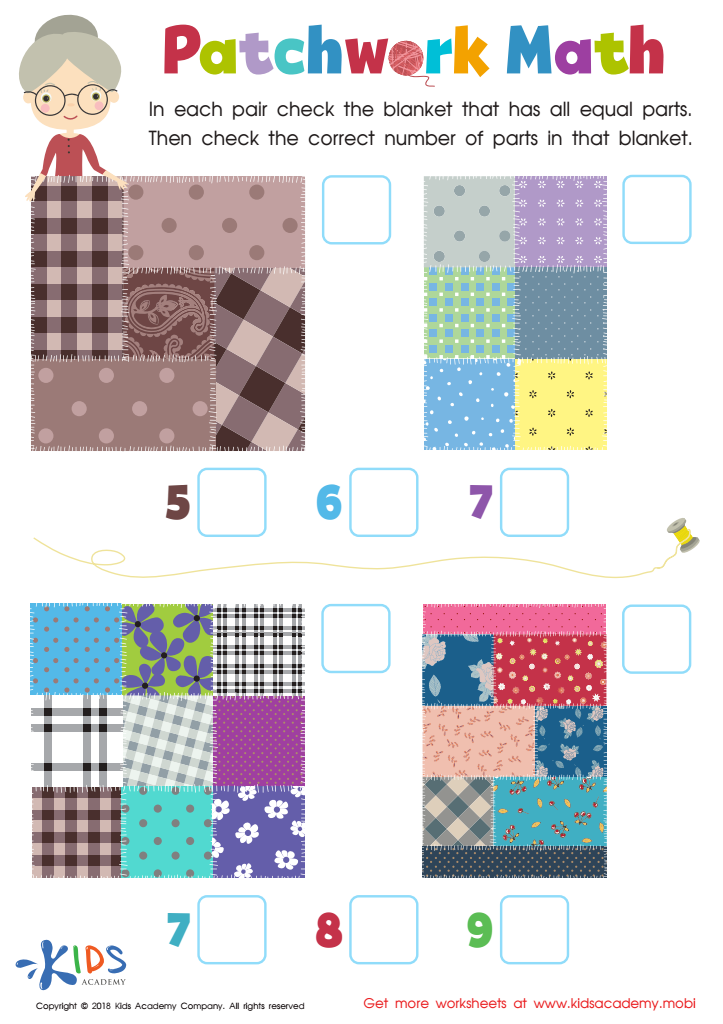
Patchwork Math Worksheet
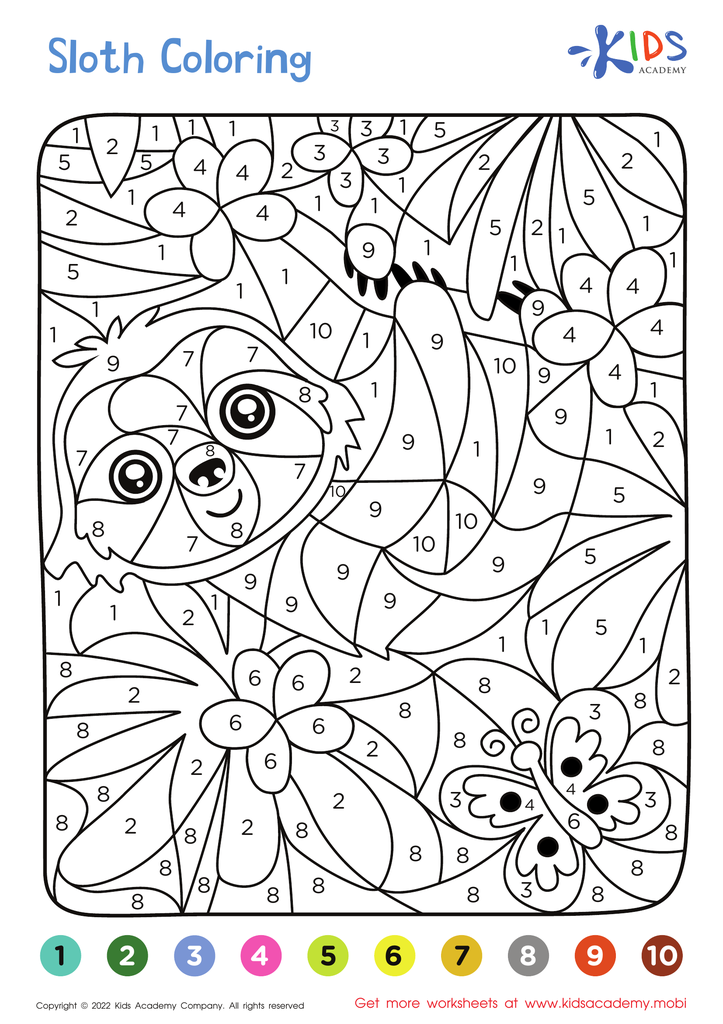
Sloth – Coloring by Numbers
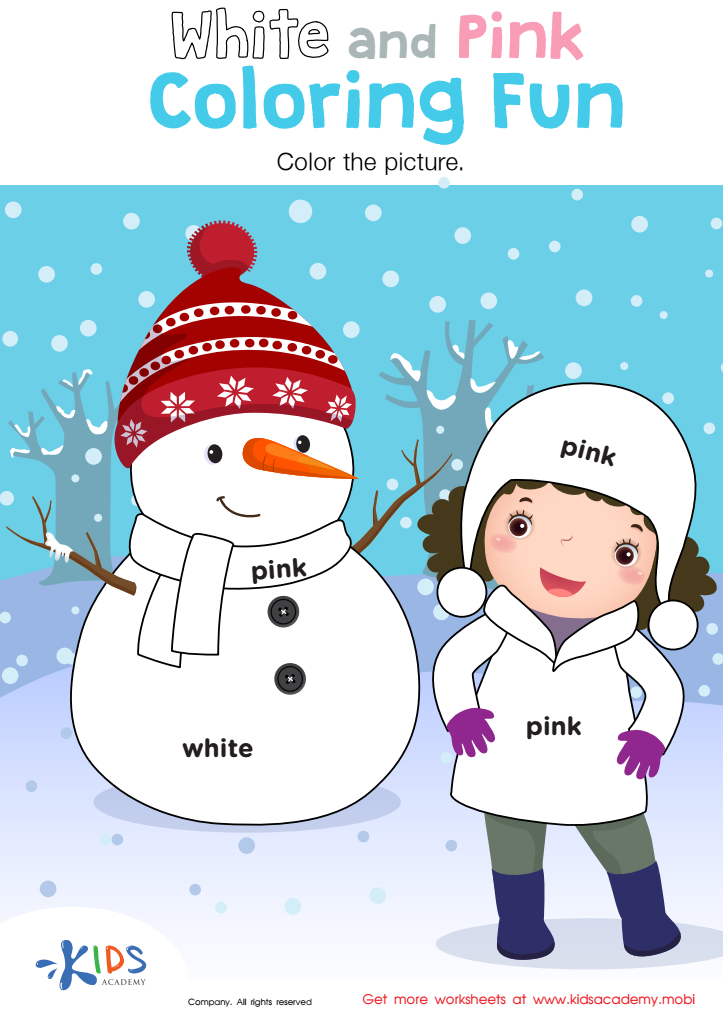
White and Pink Coloring Fun Worksheet
 Assign to My Students
Tower Coloring Page
Assign to My Students
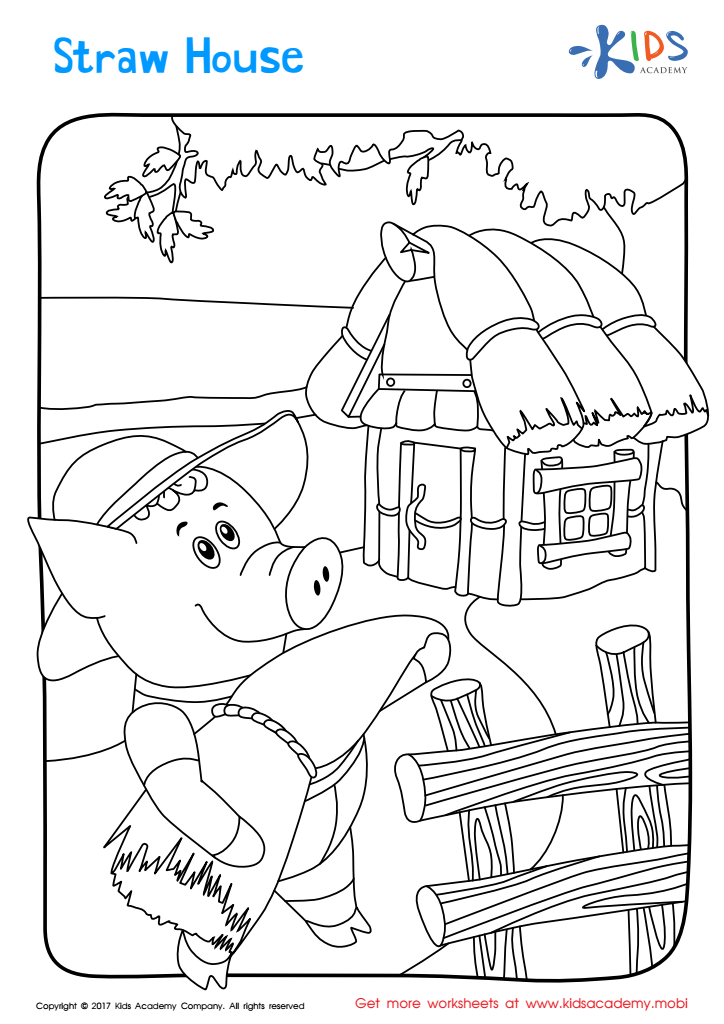
Straw House Printable Coloring Page
Assign to My Students
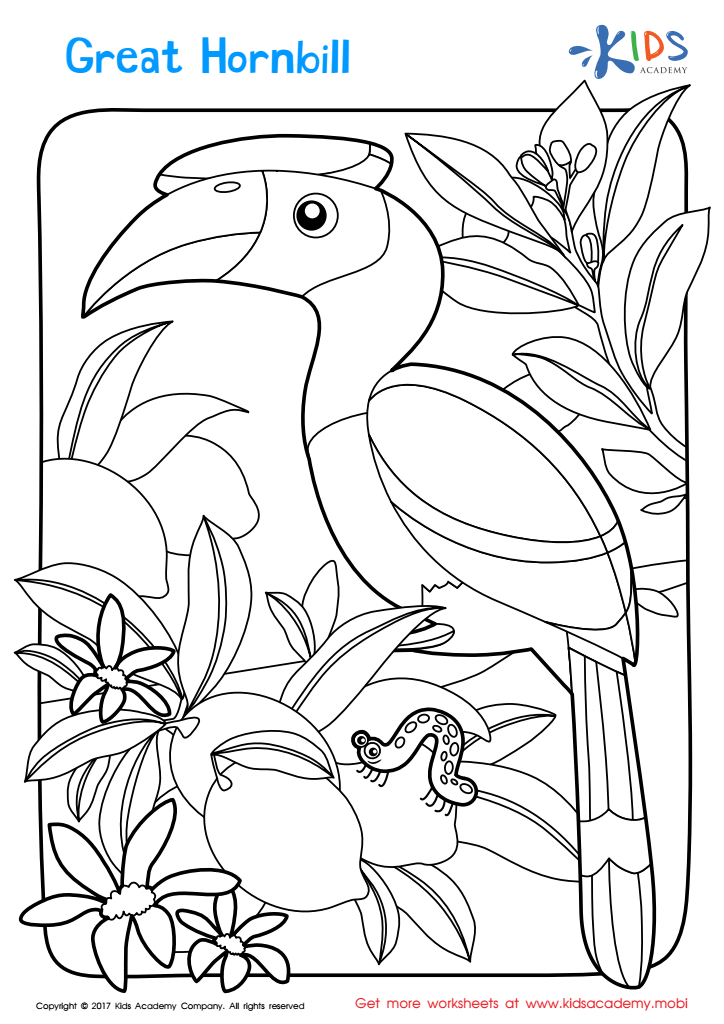
Great Hornbill Worksheet
Assign to My Students
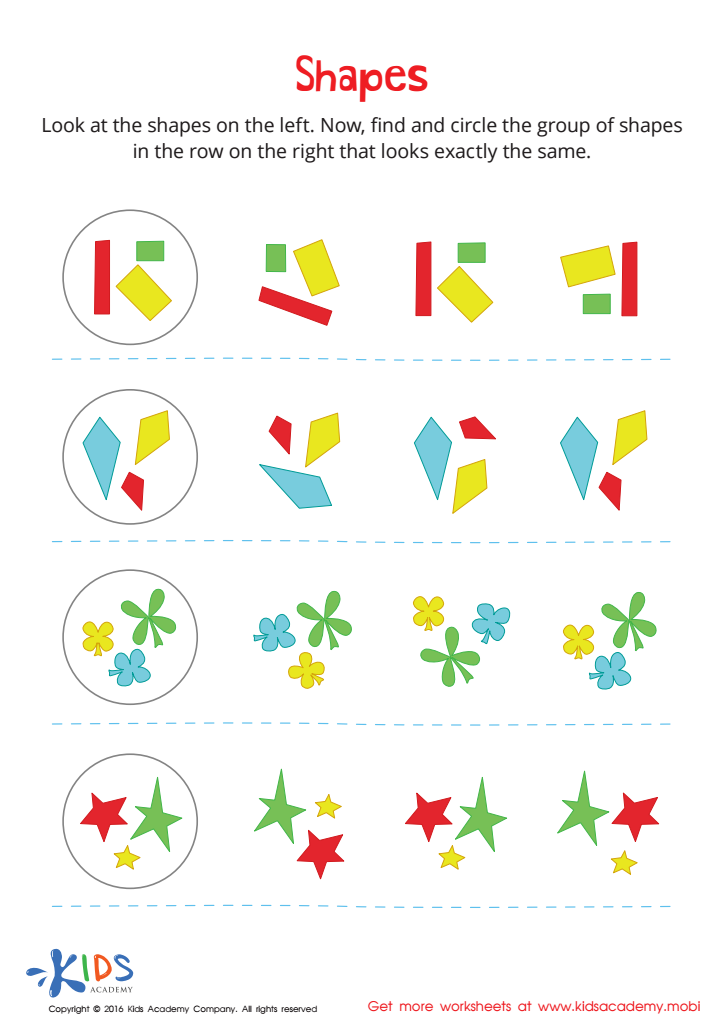
Shapes Worksheet
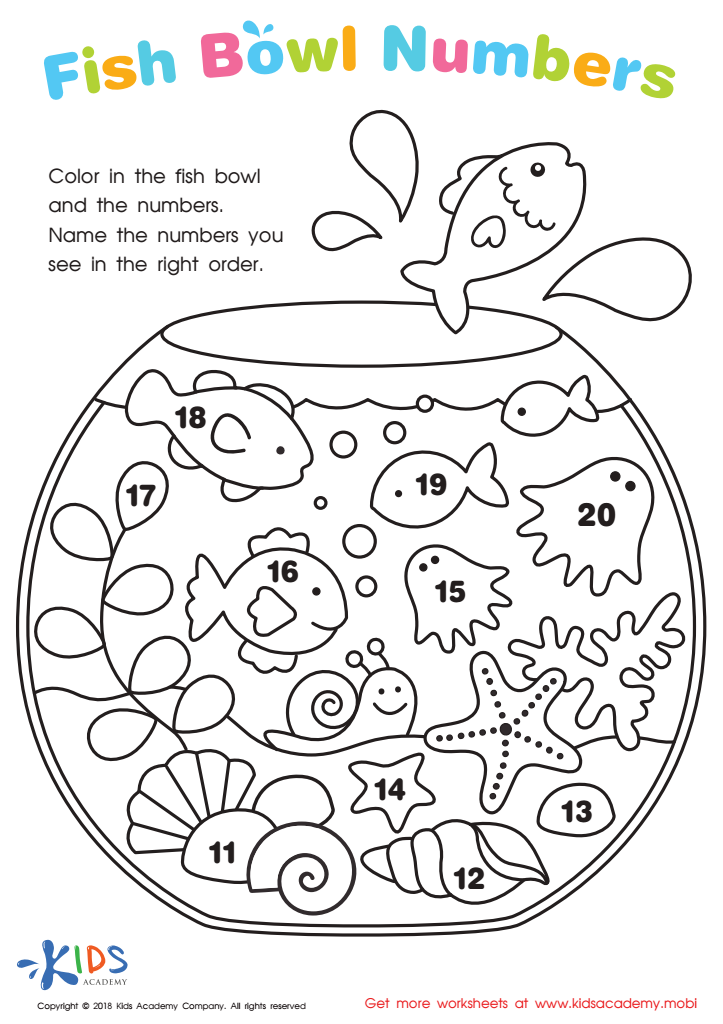
Fish Bowl Numbers Worksheet
Assign to My Students
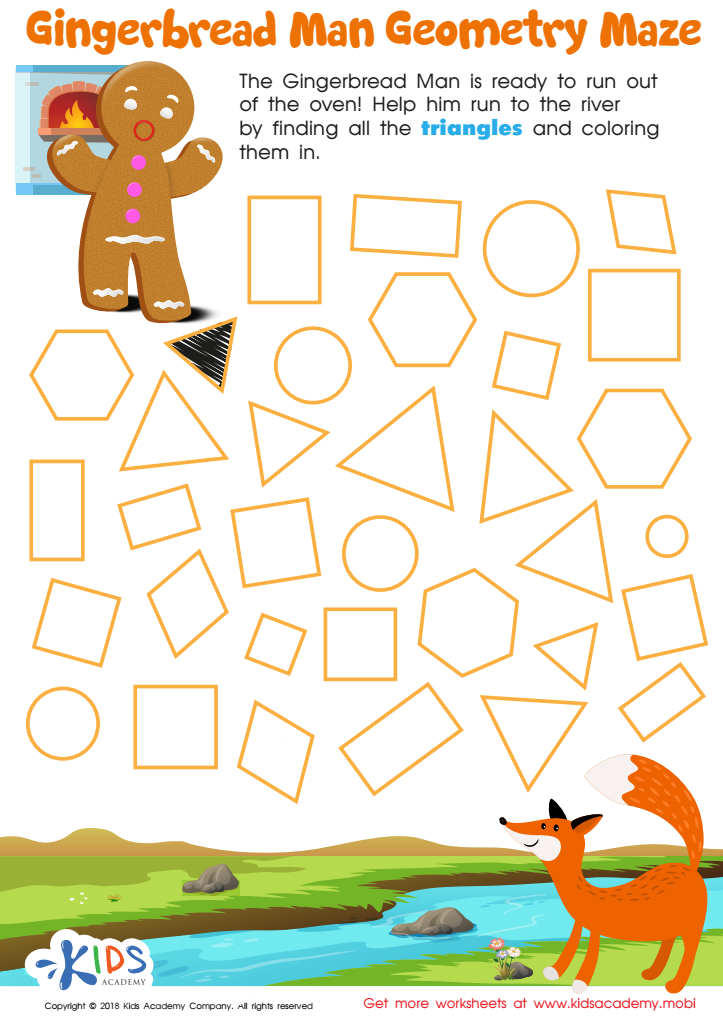
Gingerbread Man Geometry Maze Worksheet
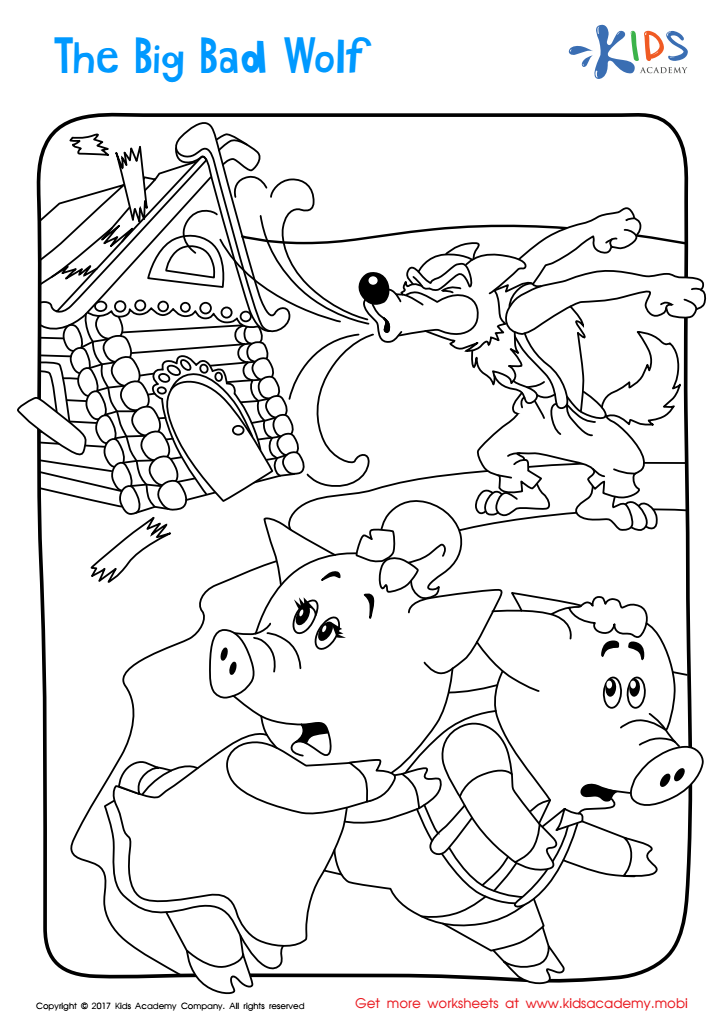
Big Bad Wolf Printable Coloring Page
Assign to My Students
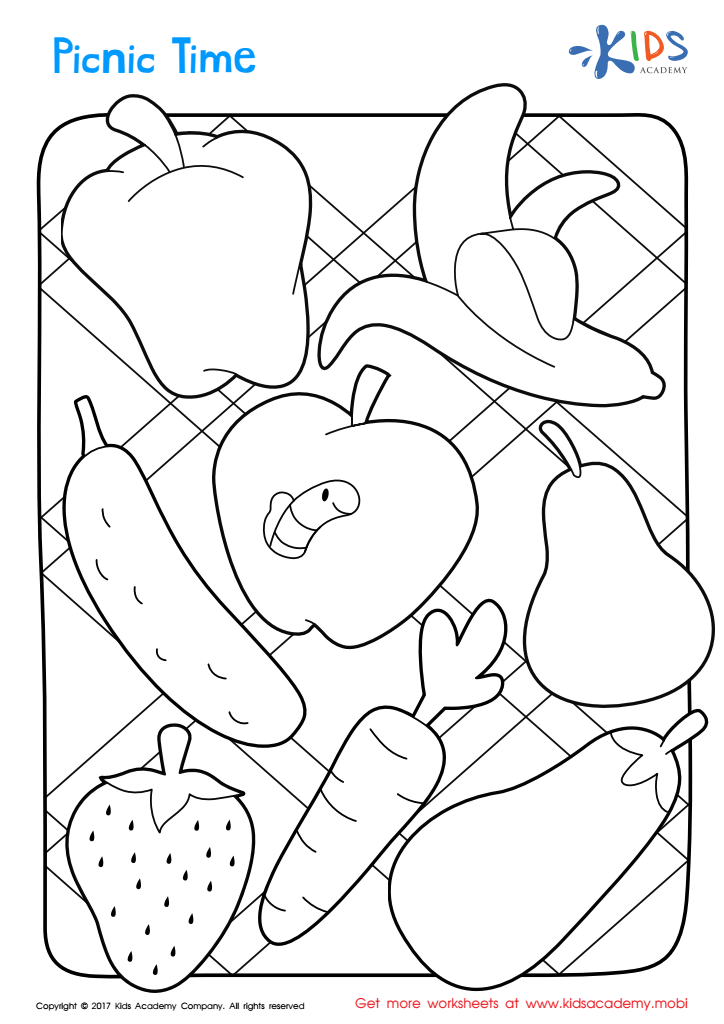
Picnic Time Coloring Page
Assign to My Students
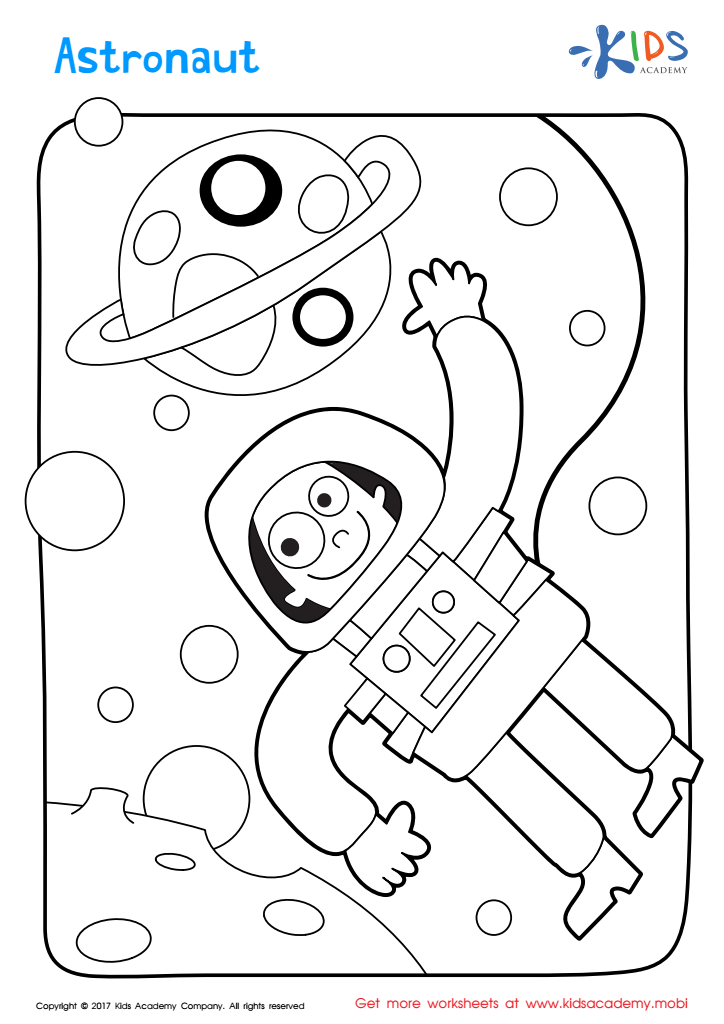
Astronaut Coloring Page
Assign to My Students
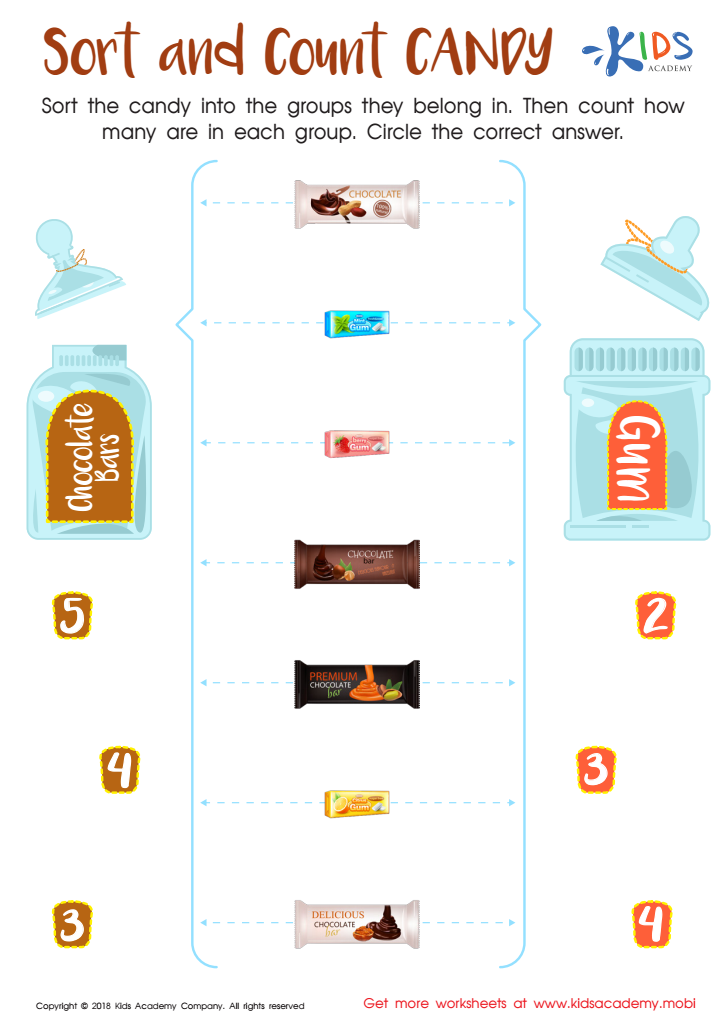
Sort and Count Candy Worksheet
The Bingo Song: Coloring The Dog Worksheet
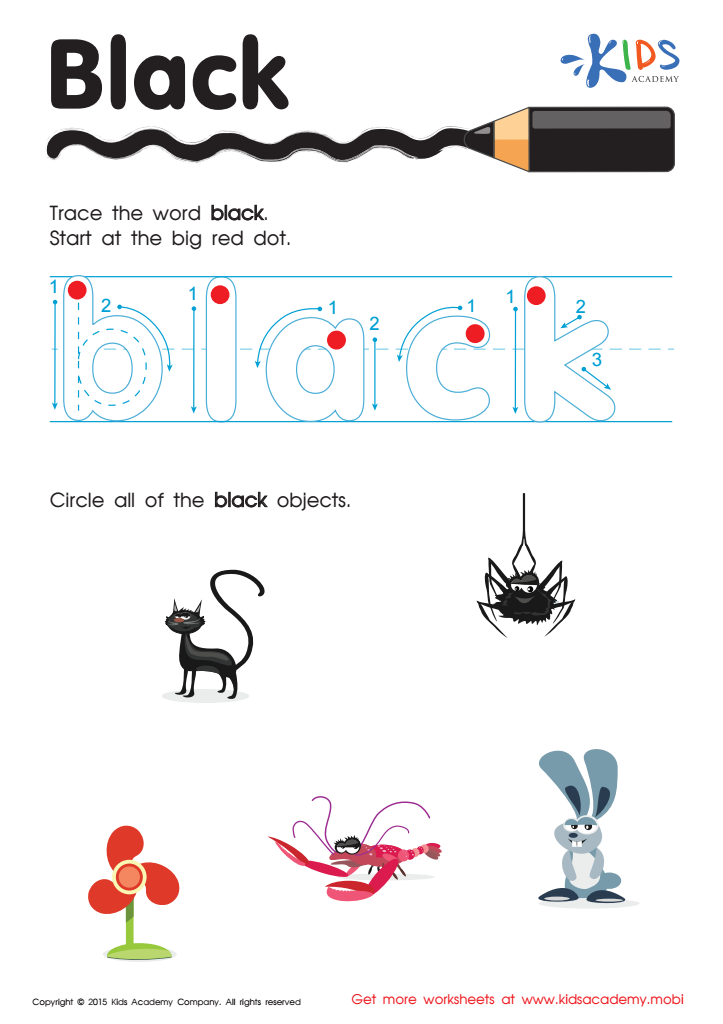
Black Tracing Color Words Printable
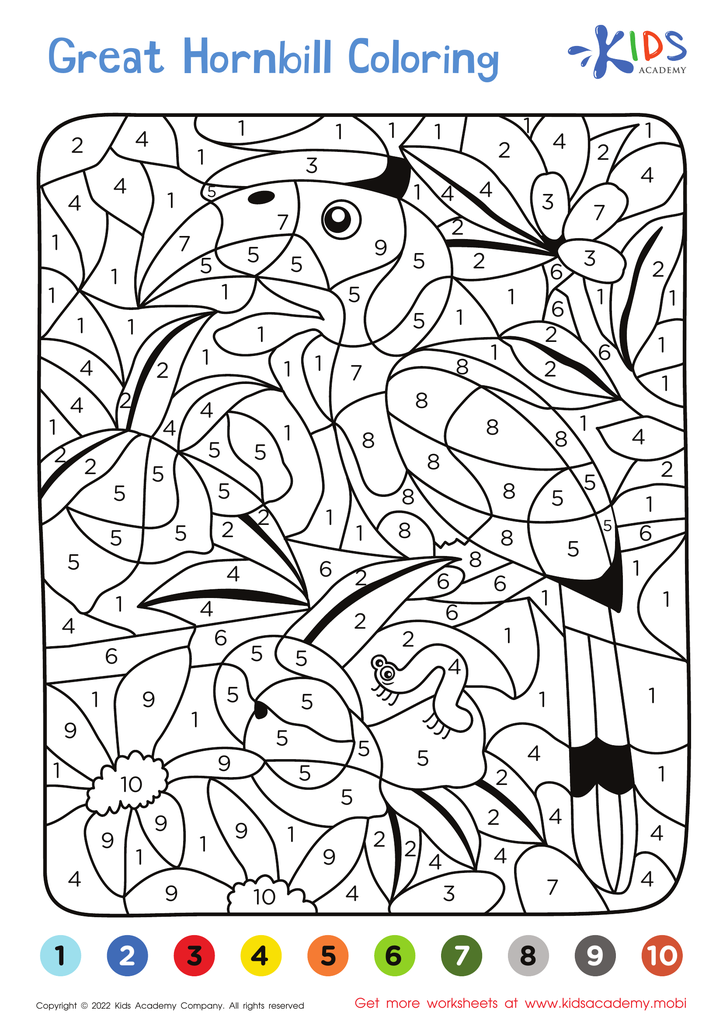
Great Hornbill – Coloring by Numbers
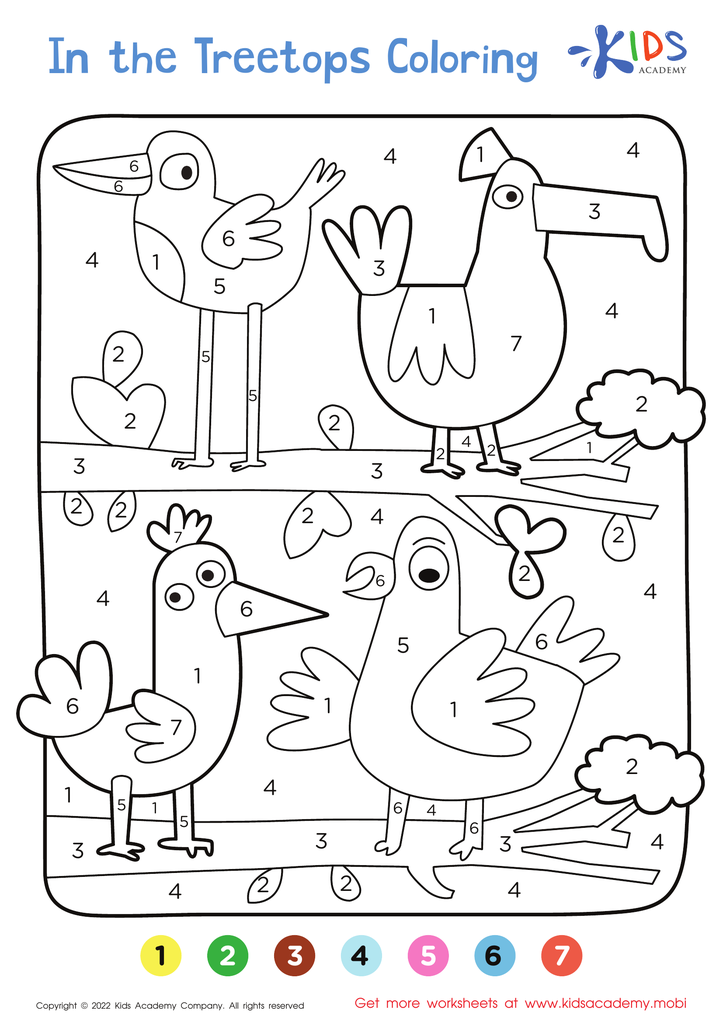
In the Treetops – Coloring Page
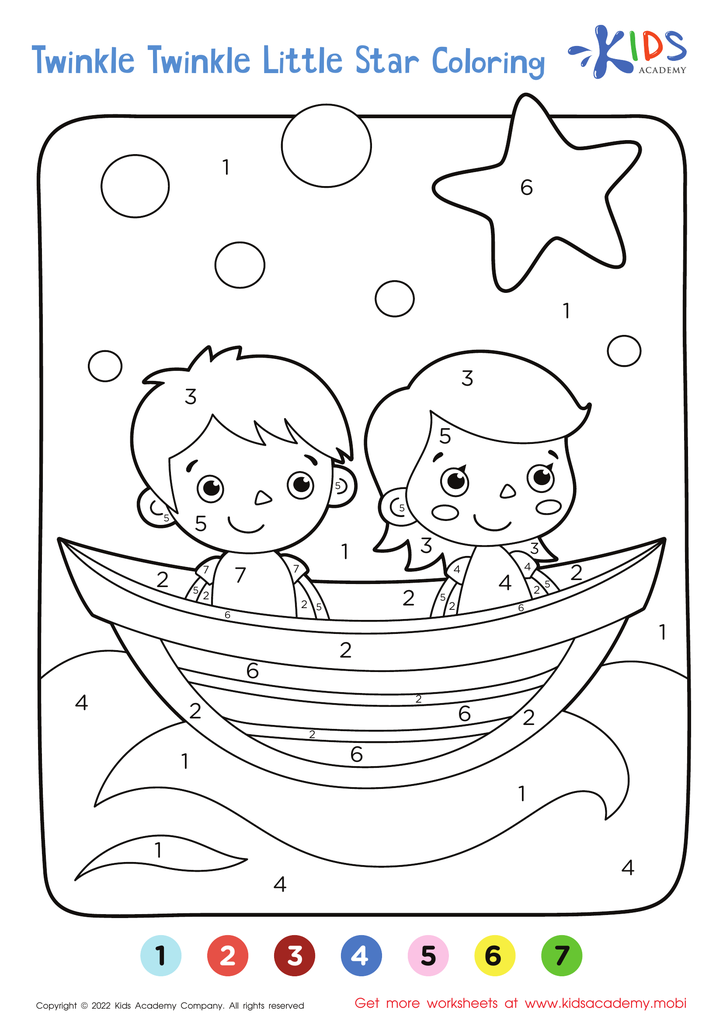
Twinkle, Twinkle, Little Star – Coloring by Numbers
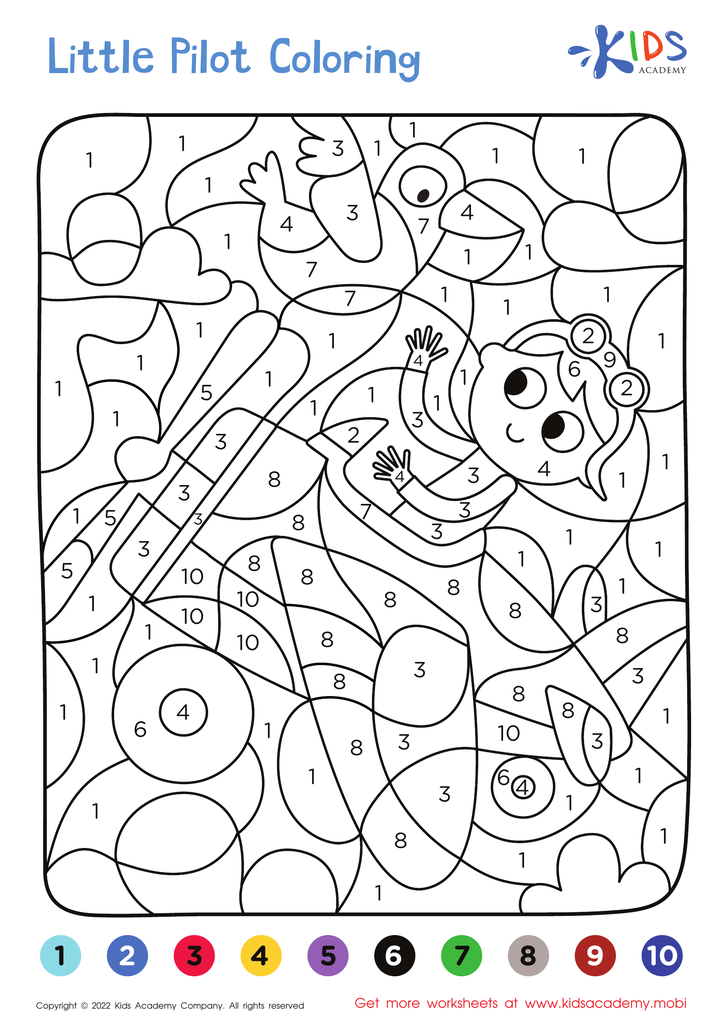
Little Pilot – Coloring by Numbers
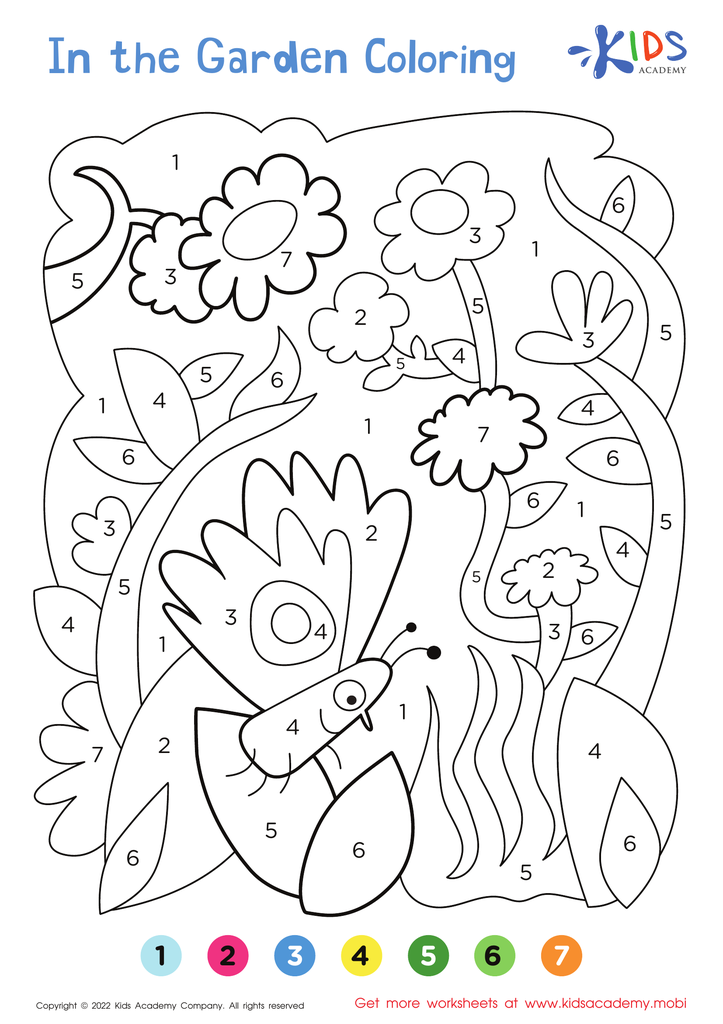
In the Garden – Coloring by Numbers




.jpg)



Color recognition is vital for children ages 5-7, laying the foundation for numerous aspects of their cognitive development. At this age, recognizing and naming colors can significantly enhance a child's language skills. For instance, identifying objects by color enriches their descriptive vocabulary, aiding both verbal and written communication.
On a more subtle level, color recognition plays a crucial role in a child's ability to categorize and organize their world, fostering cognitive processes such as sorting and pattern recognition. These skills are fundamental for mathematical concepts, such as grouping and sequencing, which become more complex as they progress in school.
Moreover, color recognition is integral to emotional and social development. Kids express themselves through the colors they prefer and perceive emotions connected to different hues. Interacting with various colors can help them better understand and articulate their feelings.
Lastly, grasping the concept of colors is important for safety and practical daily functions—recognizing traffic lights, reading signs, and organizing personal belongings. Parents and teachers should prioritize activities that encourage color recognition, like games, art projects, and daily conversations about colors in the environment. Investing attention in this area will yield long-term benefits in a child's academic performance and social interactions.








