Comparative analysis Worksheets for Ages 5-7
6 filtered results
-
From - To
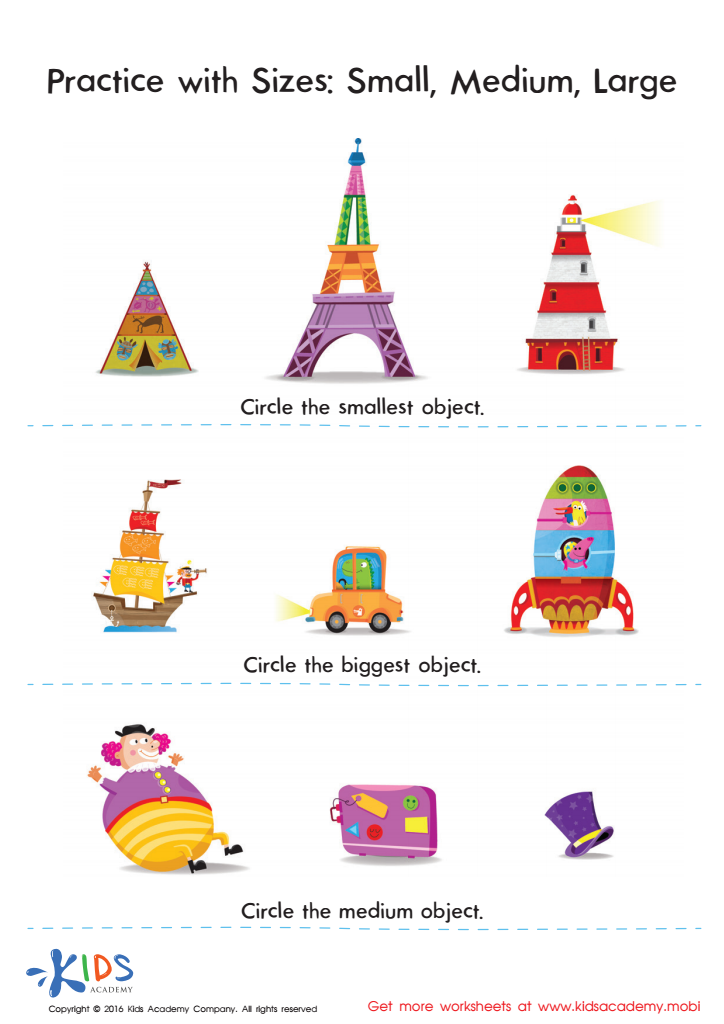
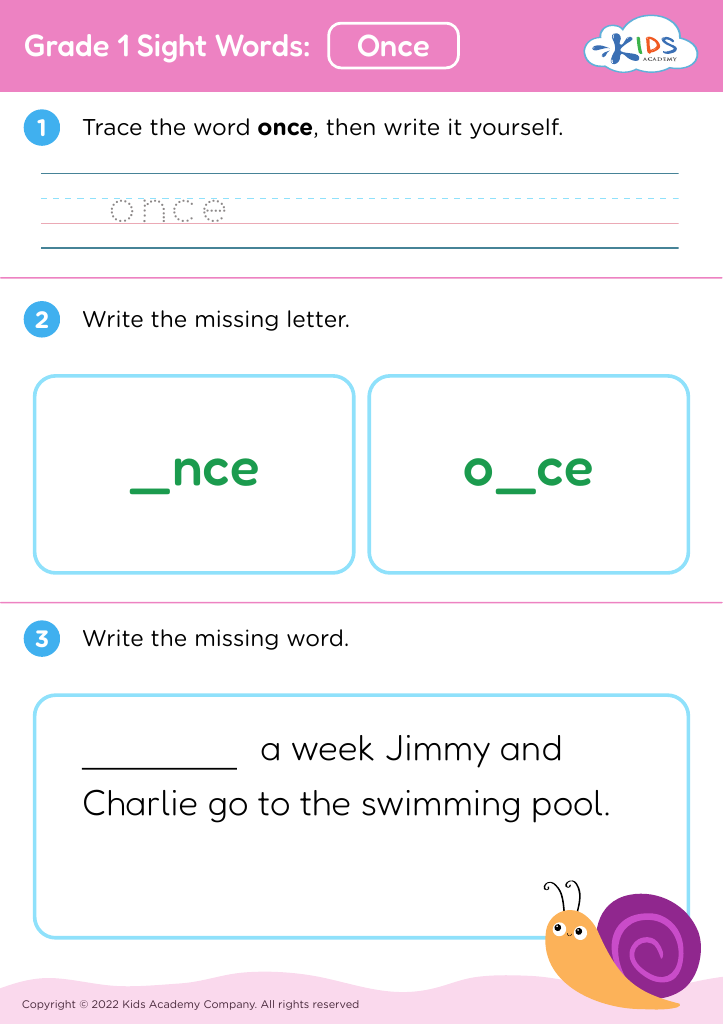
Discover engaging "Comparative Analysis Worksheets for Ages 5-7" at Kids Academy! Designed to boost critical thinking and problem-solving skills, these worksheets guide young learners through fun, interactive activities. Our expertly crafted resources help kids compare and contrast objects, numbers, and concepts, fostering sharper observation and analytical abilities. Perfect for nurturing early cognitive development, these colorful worksheets make learning enjoyable and effective. Suitable for classrooms or home practice, they provide ample opportunities for children to explore similarities and differences in a stimulating environment. Elevate your child’s learning journey with these essential comparative analysis tools today!
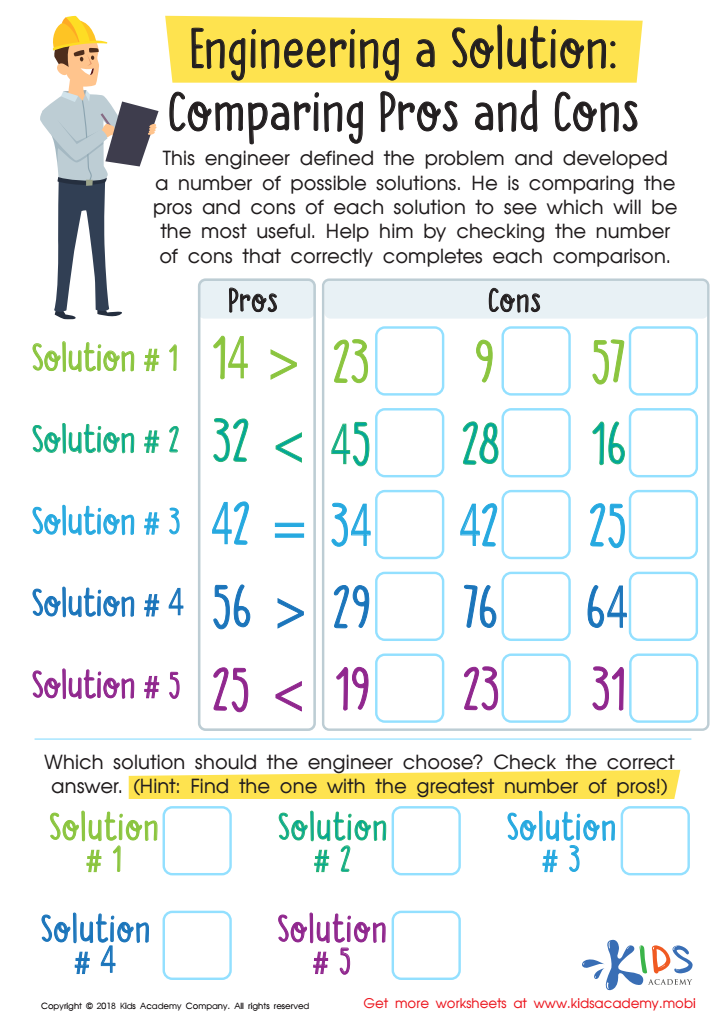
Engineering a Solution: Comparing Pros and Cons Worksheet
 Assign to My Students
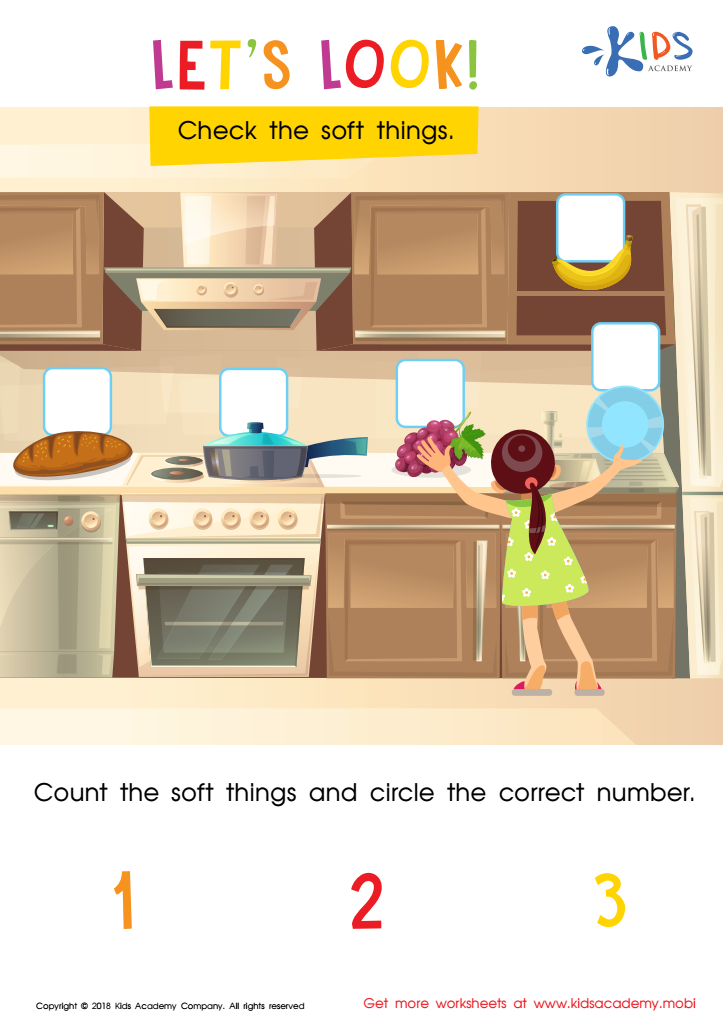
Let's Look! Assessment Worksheet
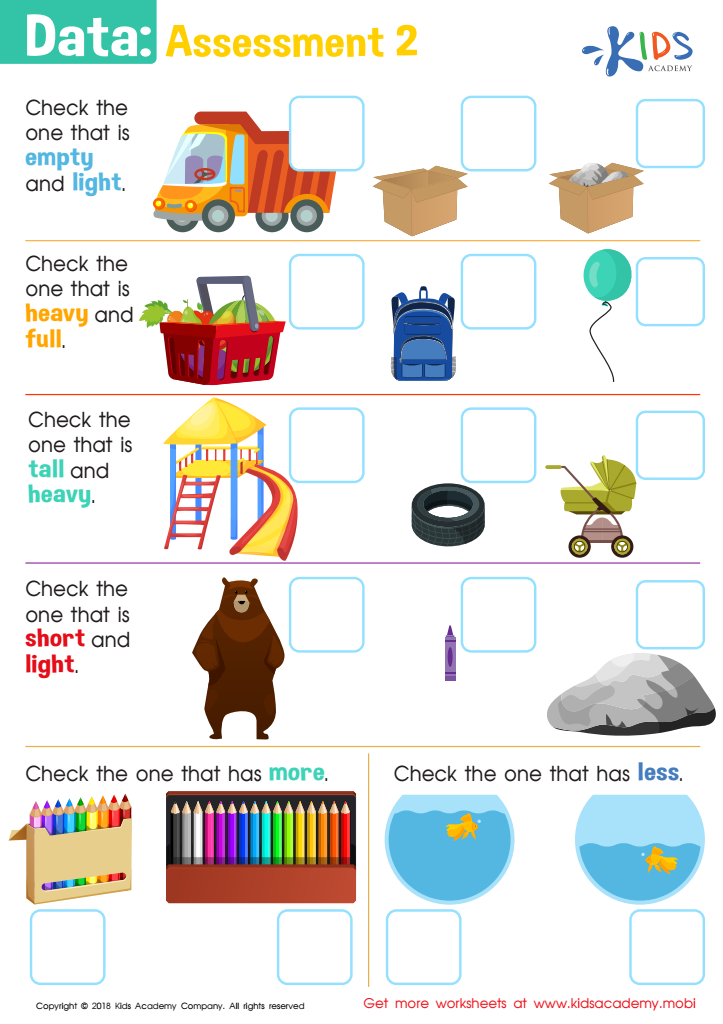
Data: Assessment 2 Worksheet
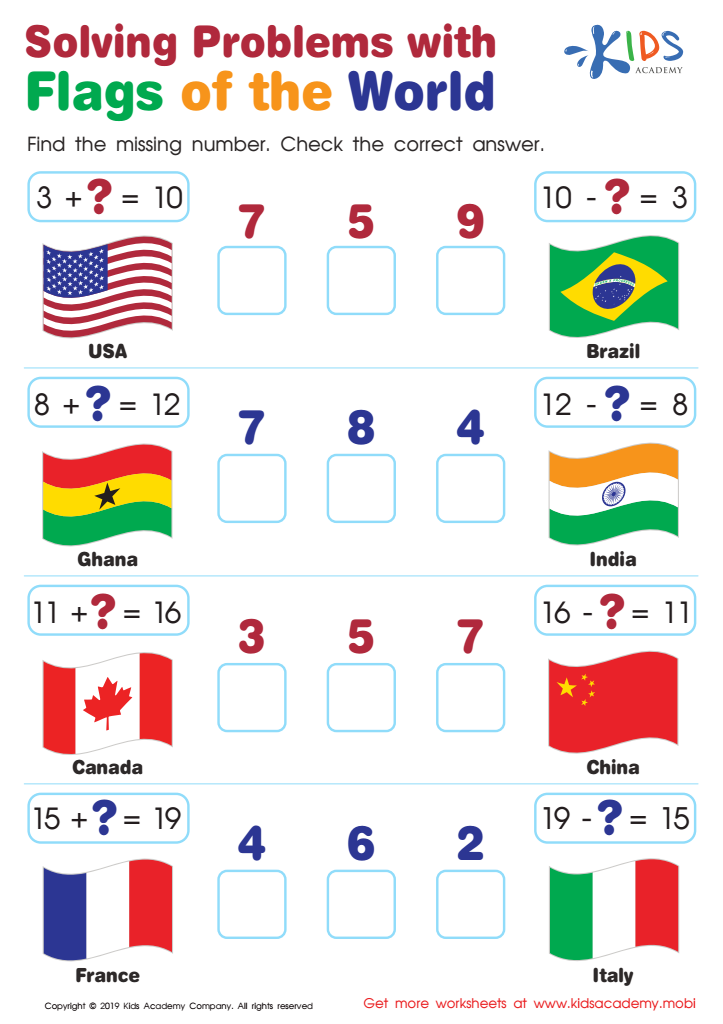
Solving Problems with Flags of the World Worksheet








Parents and teachers should care about comparative analysis for children aged 5-7 as it provides valuable insights into developmental milestones and learning progress. This stage is critical for foundational skills in language, math, social interaction, and motor skills. By engaging in comparative analysis, adults can identify whether a child is meeting, exceeding, or falling short of age-appropriate benchmarks.
This analysis helps in understanding a child's unique strengths and areas needing support. For instance, if a child's reading ability is lagging compared to peers, early intervention can be implemented to address potential learning disabilities or gaps. A proactive approach prevents small issues from snowballing into bigger problems down the line.
Additionally, comparative analysis fosters individualized learning. Teachers and parents can tailor educational activities and strategies to fit a child’s specific needs, ensuring no child is left behind. It also serves as a basis for effective communication between parents and teachers, creating a unified approach toward the child's growth.
Finally, understanding where a child stands compared to peers internationally can motivate improvements in teaching methods and resources, ensuring they receive a high-quality education. Overall, comparative analysis is a crucial tool in fostering well-rounded, confident, and capable children.








