
Develop fine motor skills Worksheets for Ages 5-7
12 filtered results
Difficulty Level
Grade
Age
-
From - To
Subject
Activity
Standards
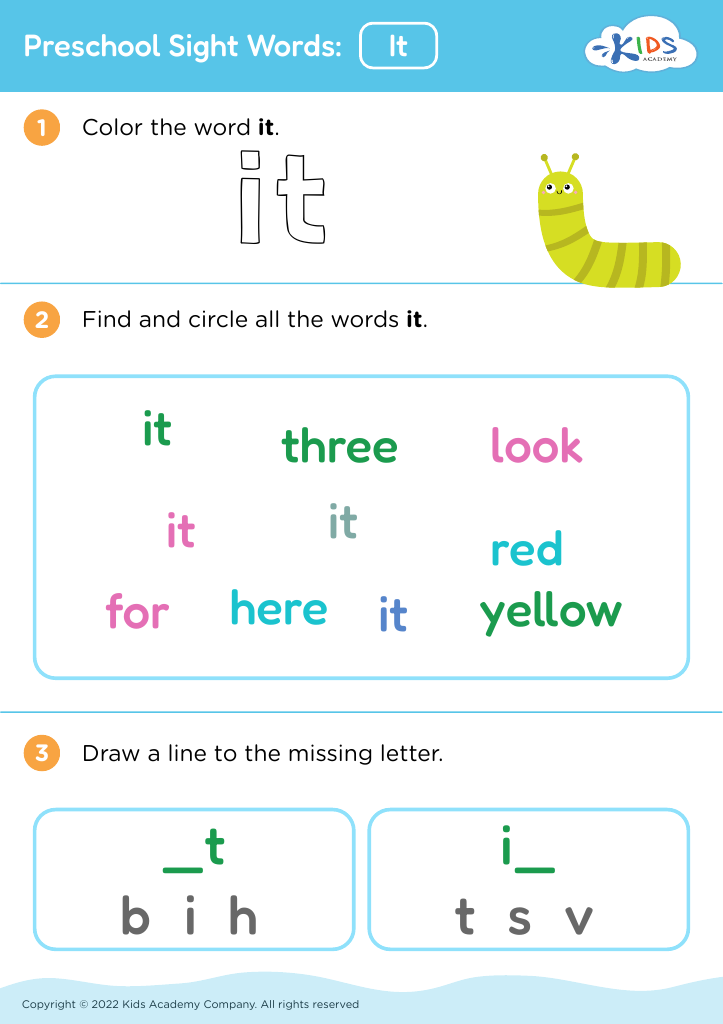
Enhance your child's fine motor skills with our specially designed worksheets for ages 5-7! These engaging and interactive printable activities help improve hand coordination, dexterity, and grip control, essential for writing, drawing, and everyday tasks. Our worksheets feature colorful illustrations and fun themes that capture young learners' attention and make skill development enjoyable. From tracing and cutting to dot-to-dot connections and patterning, each exercise fosters creativity while building confidence in their abilities. Perfect for both classroom settings and home practice, these resources support essential growth in a critical developmental stage. Start your child on the path to success today!
Favorites
With answer key
Interactive
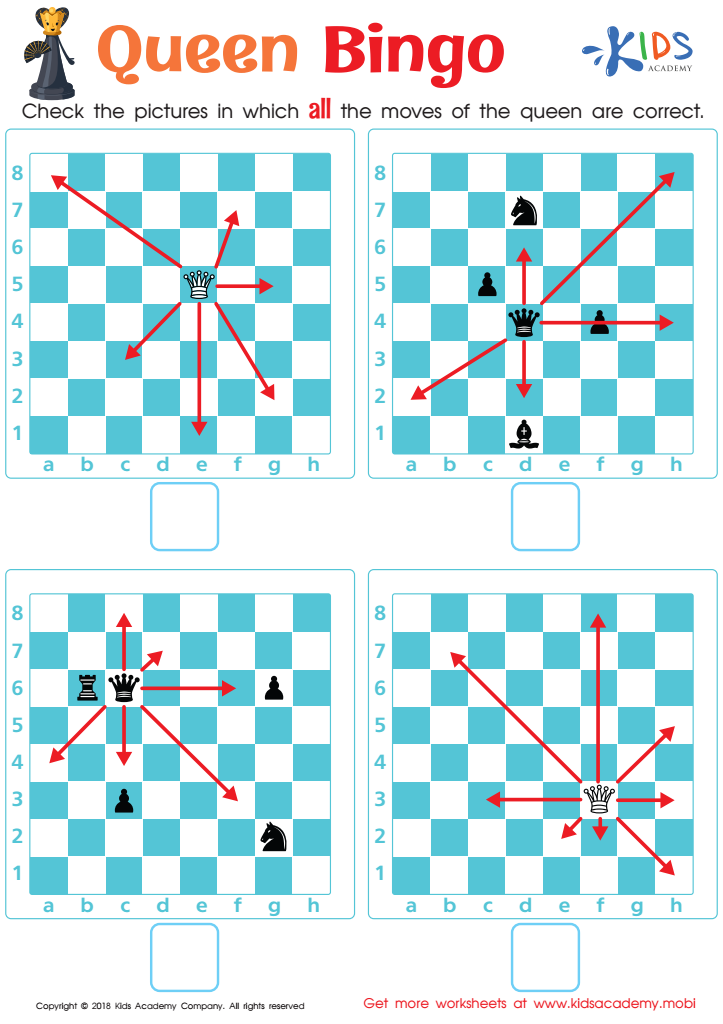
Queen Bingo Worksheet
Test your child's knowledge of chess rules and moves with this free worksheet! Kids look at four pictures and must decide if the queen moves are correct. This exercise helps hone your little one's chess skills!
Queen Bingo Worksheet
Worksheet

Connecting the Monster's Socks Printable
The cute monster did some washing yesterday, but now he can't put his socks back together! Children must focus on the color and pattern to make the right matches, improving their cognitive and fine motor skills. Get more educational games by Kids Academy!
 Assign to My Students
Connecting the Monster's Socks Printable
Worksheet
Join Kids Academy for Free
Who is primarily going to use this learning content?








Fine motor skills are essential for children aged 5-7 as they are foundational for their overall development and daily functioning. During this critical stage, children's nervous systems rapidly develop, allowing them to gain better control over their small muscles, which are crucial for tasks like writing, drawing, and using tools. Enhanced fine motor skills contribute to improved academic performance, particularly in literacy and numeracy, as they enable children to hold pencils, manipulate paper, and engage in pattern recognition activities.
Furthermore, strong fine motor skills can boost self-confidence and independence. As children master tasks such as buttoning their shirts or tying their shoelaces, they feel a sense of achievement, which can positively impact their motivation to learn. Additionally, many fine motor activities foster essential cognitive skills such as problem-solving and creative thinking.
Parents and teachers play a vital role in supporting the development of these skills through engaging activities, such as crafts, cutting, pasting, and playing with building blocks. By prioritizing fine motor development, caregivers set the stage for a child's academic success, promote confidence, and encourage social interactions, laying the groundwork for healthy emotional and social growth. Ignoring this aspect of development risks hindering a child’s overall potential.








