Develop problem-solving abilities Worksheets for Ages 5-7
6 filtered results
-
From - To
Unlock your child's potential with our "Develop Problem-Solving Abilities Worksheets for Ages 5-7". Tailored for young minds, these engaging printable activities enhance critical thinking, logic, and creativity. Each worksheet is designed to be fun and educational, guiding kids through age-appropriate puzzles and challenges. Whether it's decoding patterns or simple math problems, children will build essential skills for future learning. Perfect for parents and educators looking to support early cognitive development, our worksheets make mastering problem-solving entertaining and rewarding. Empower your child to think independently and confidently solve everyday problems with Kids Academy's resources.
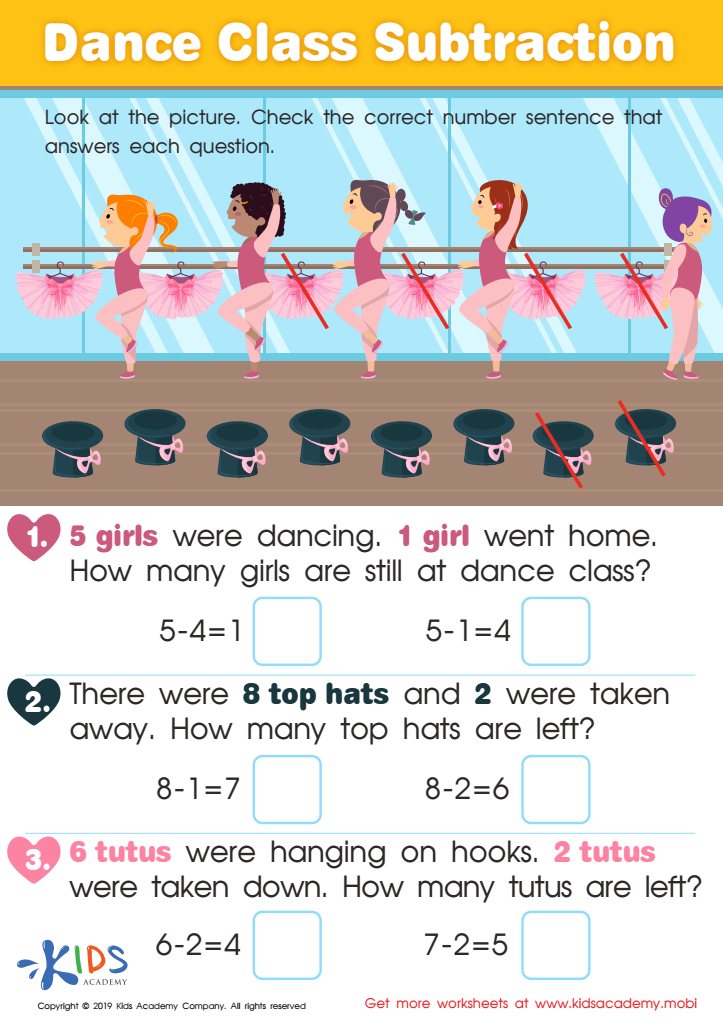
Dance Class Subtraction Worksheet
 Assign to My Students
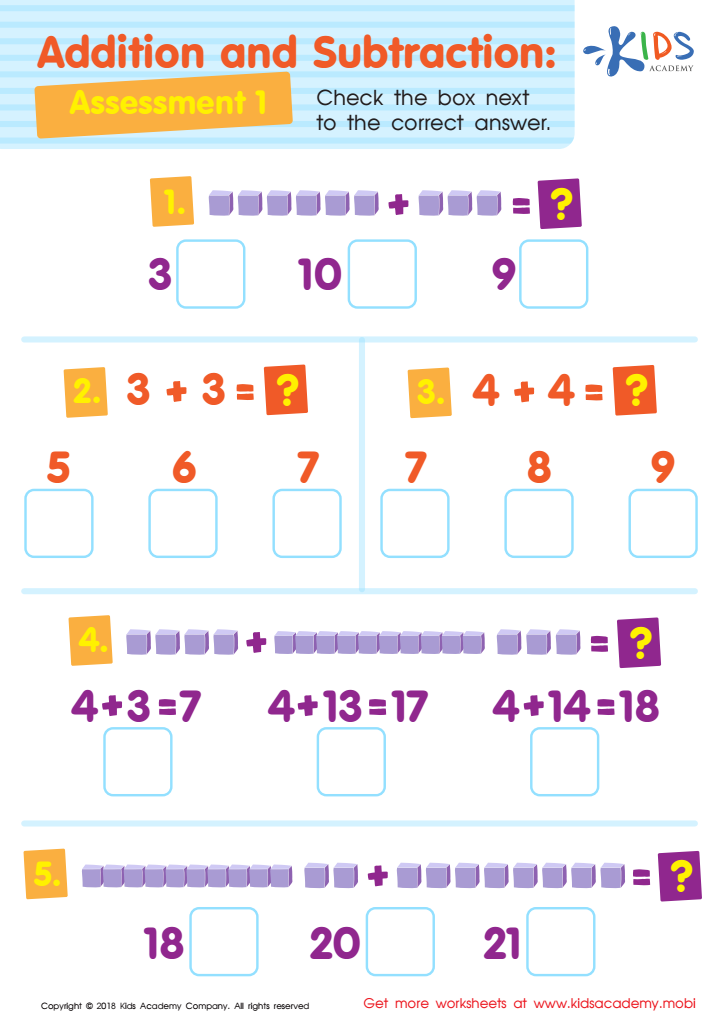
Addition and Subtraction Assessment 1 Worksheet
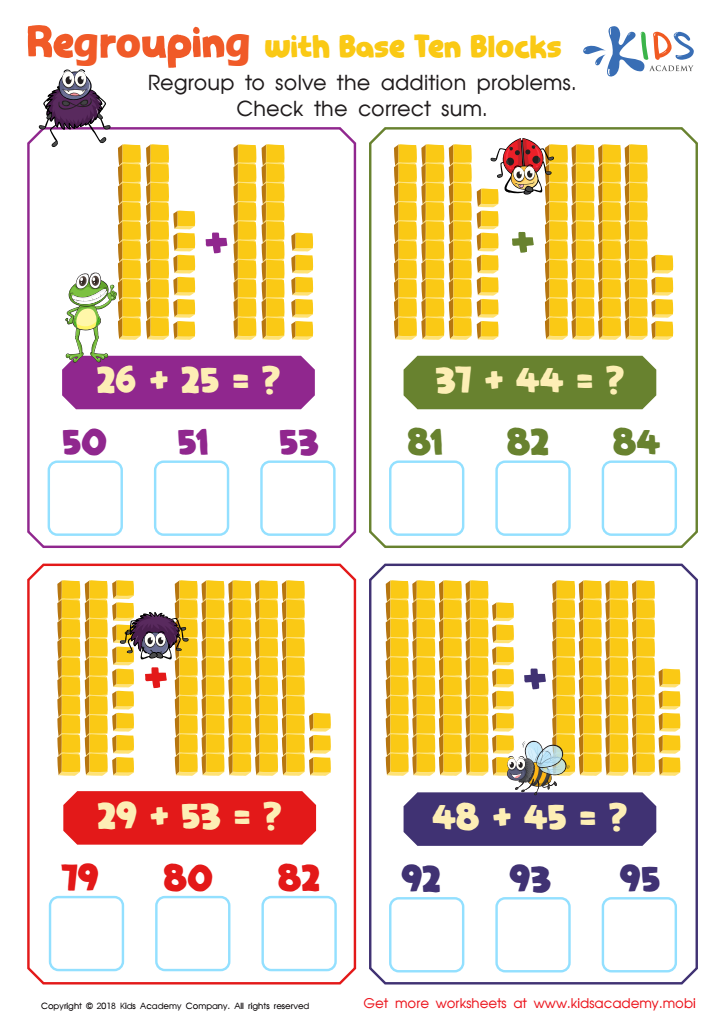
Regrouping With Base Ten Blocks Worksheet
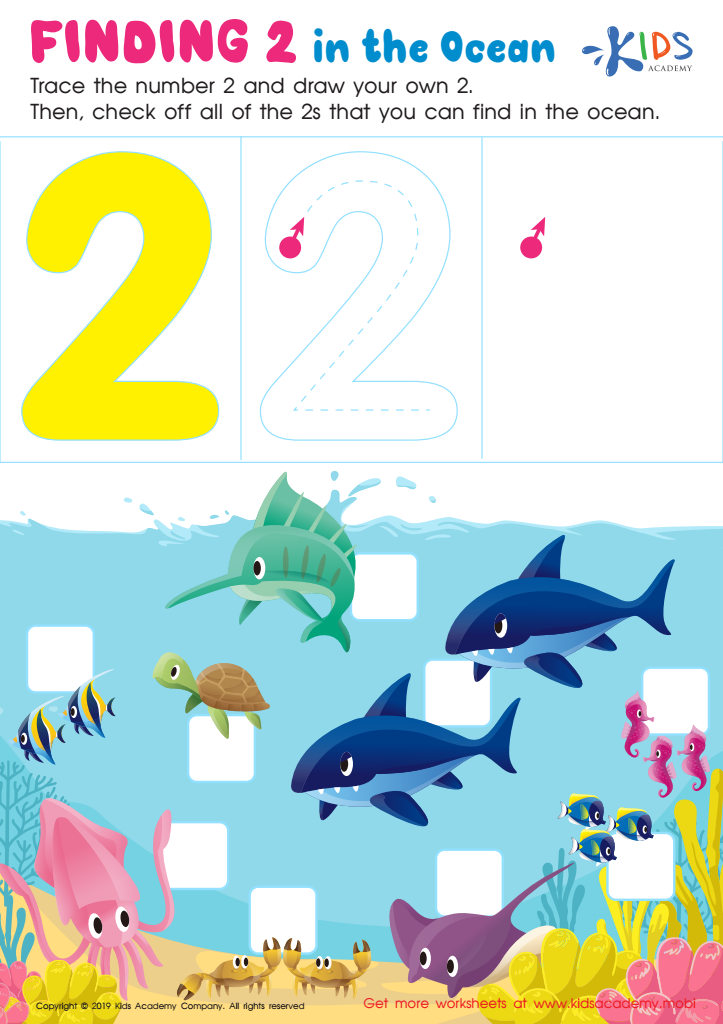
Finding 2: In the Ocean Worksheet







.jpg)
Developing problem-solving abilities in children aged 5-7 is crucial for several reasons. At this age, children are in a critical period of cognitive and emotional development. Introducing them to problem-solving skills helps build a strong foundation for their future learning and everyday decision-making. Here’s why parents and teachers should care:
-
Cognitive Development: Engaging in problem-solving activities enhances critical thinking and logical reasoning. Children learn to make connections, recognize patterns, and approach problems methodically.
-
Emotional Resilience: Problem-solving teaches children to overcome challenges and frustrations. This builds emotional resilience, enabling them to handle setbacks positively, which is important for mental well-being.
-
Social Skills: Many problem-solving activities involve collaboration and communication. Working with peers strengthens social bonds and teaches negotiation, cooperation, and empathy.
-
Confidence and Independence: Successfully solving problems boosts self-esteem and fosters independence. Children gain confidence in their abilities to tackle new challenges both in and out of the classroom.
-
Foundation for Academics: Problem-solving is integral to subjects like math and science but also enhances creativity in language arts and other areas. Establishing these skills early prepares children for more complex academic tasks.
By nurturing problem-solving skills in young children, parents and teachers not only contribute to their academic success but also equip them with essential life skills.








