Fine motor skills (writing) Worksheets for Ages 5-7 - Page 2
45 filtered results
-
From - To
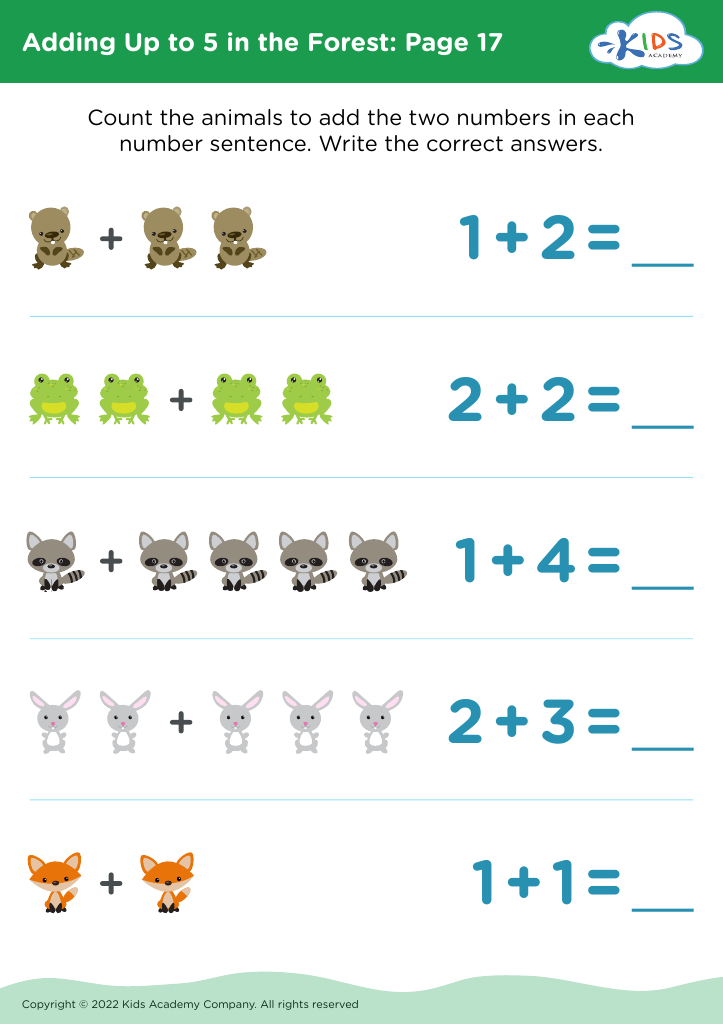
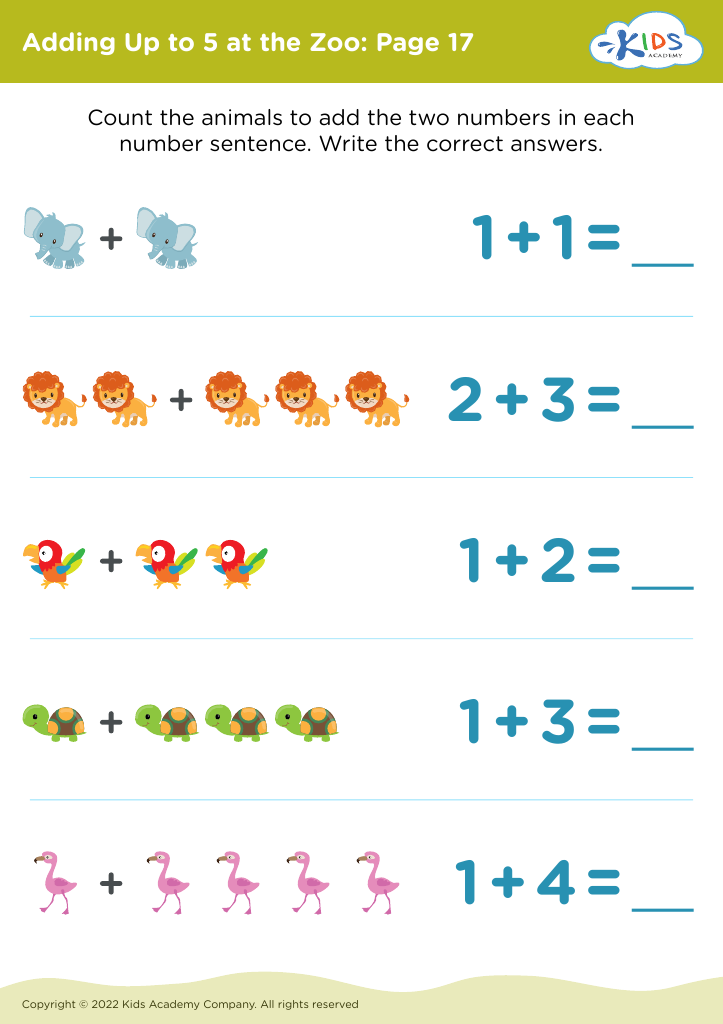
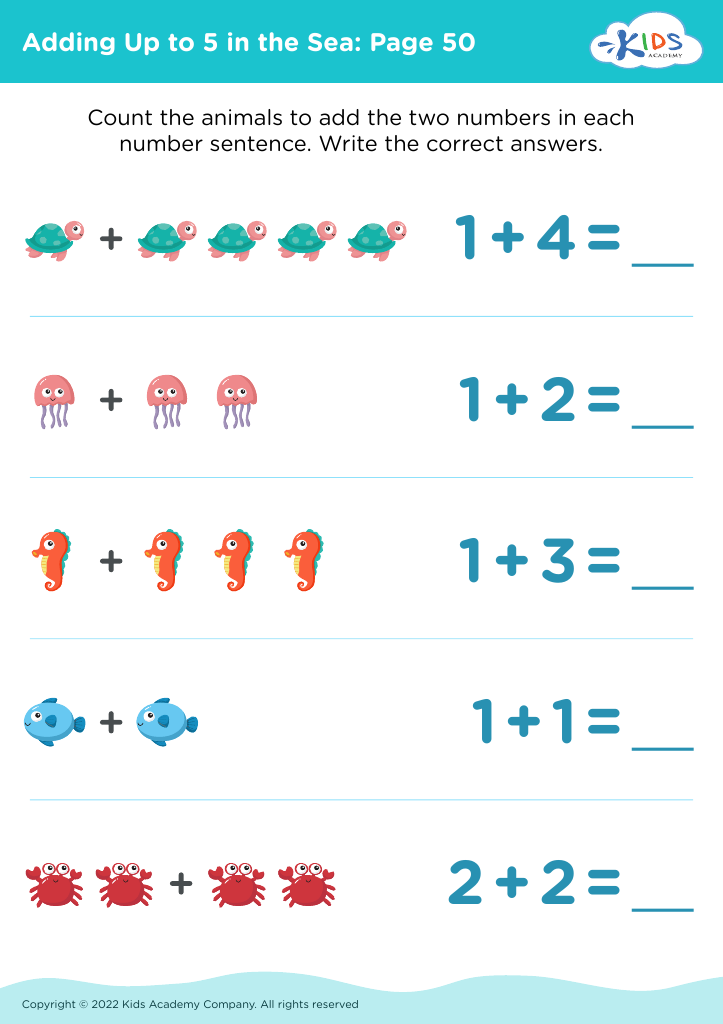
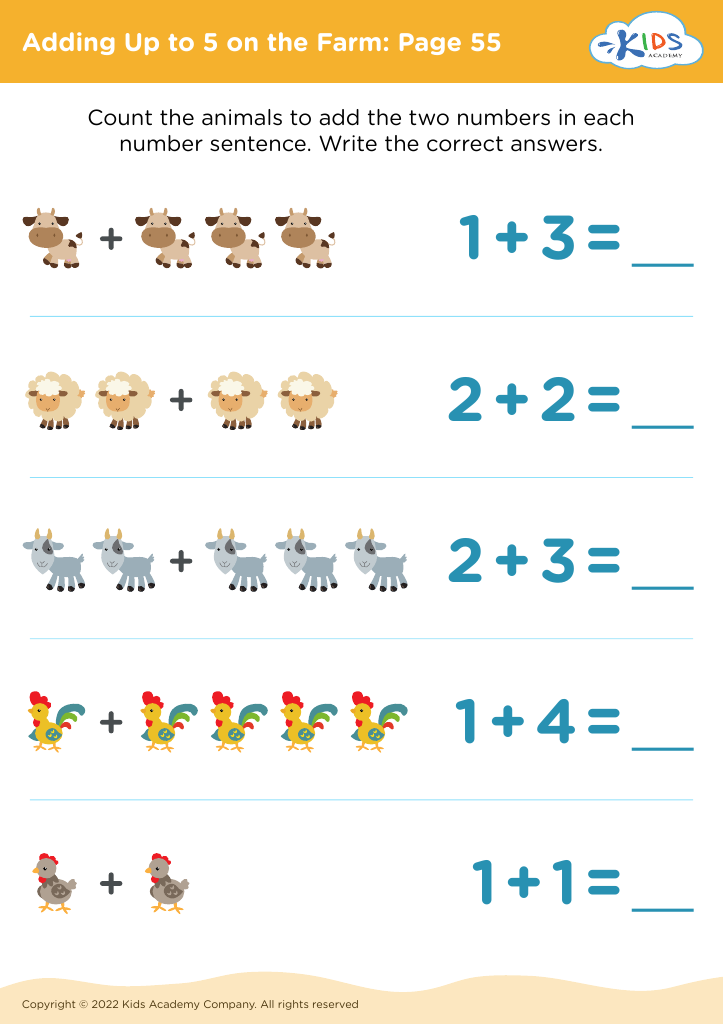

Thanksgiving Holiday Printable
 Assign to My Students
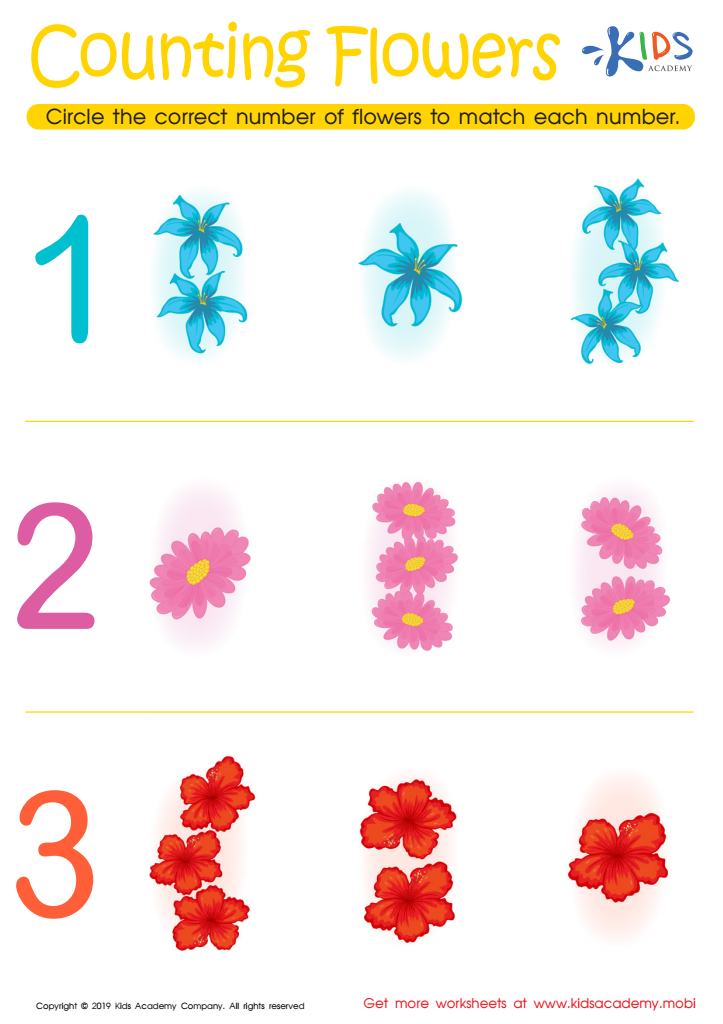
Counting Flowers Worksheet
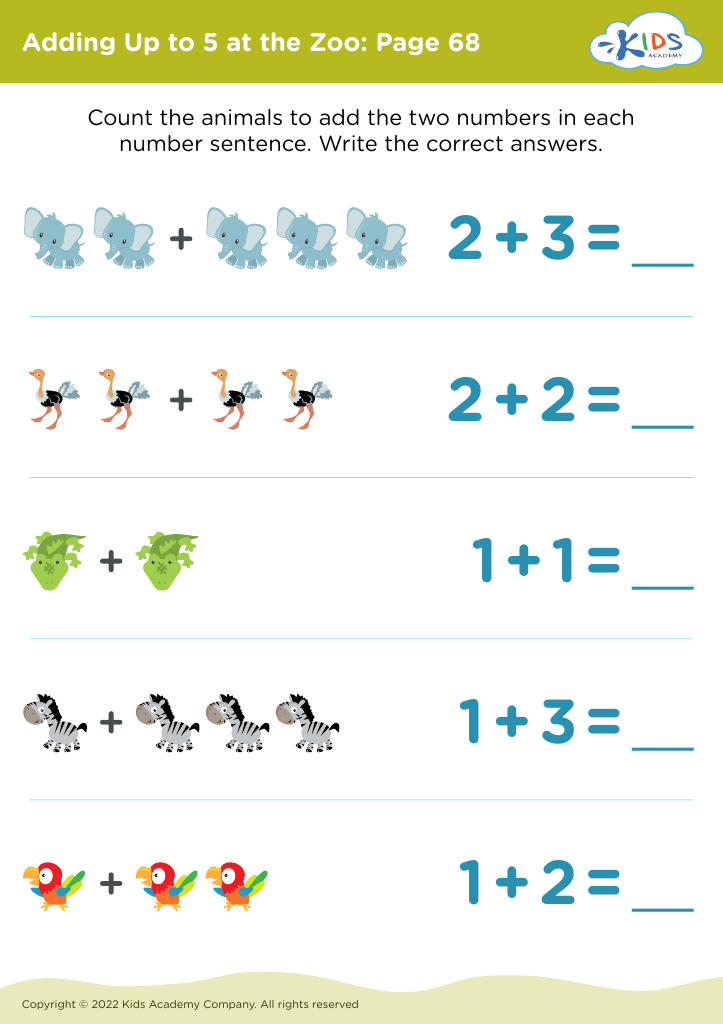
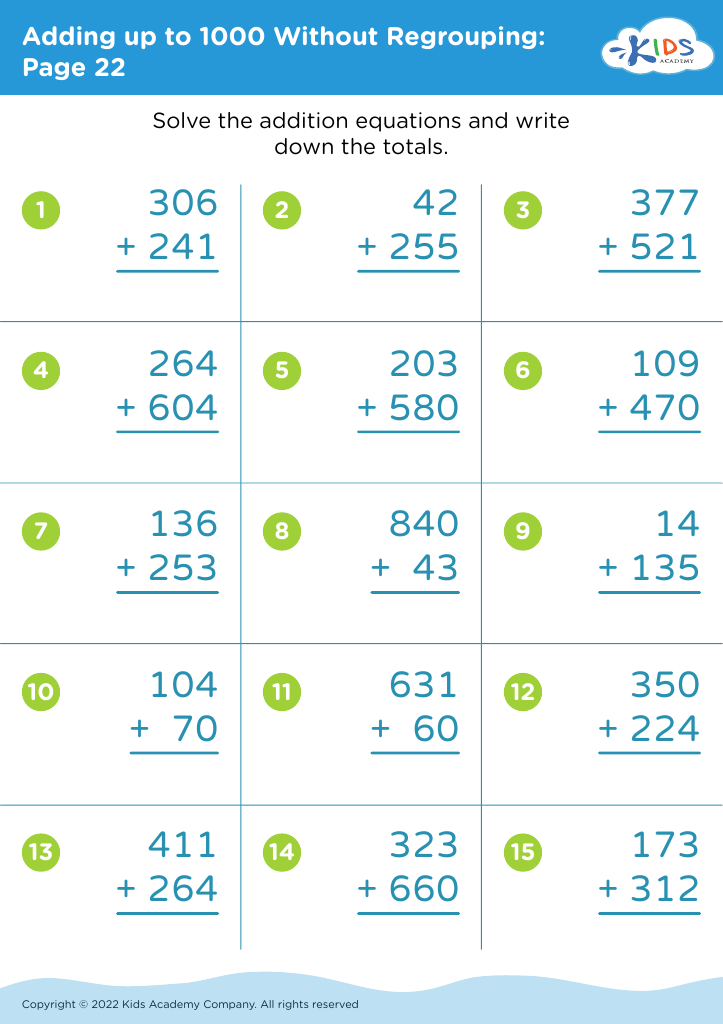
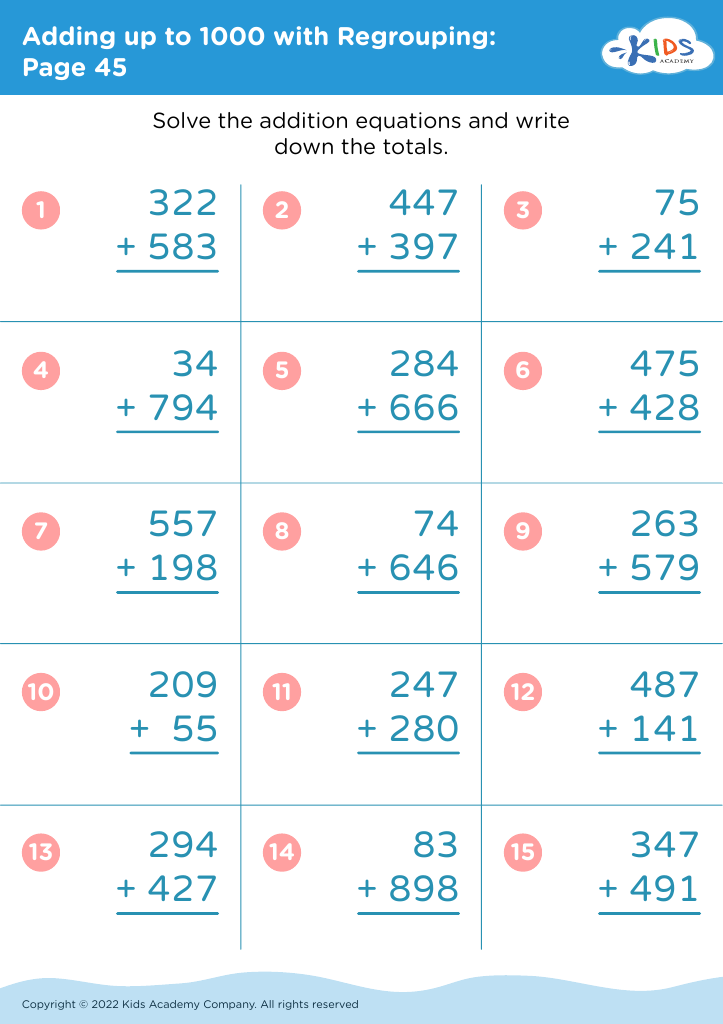
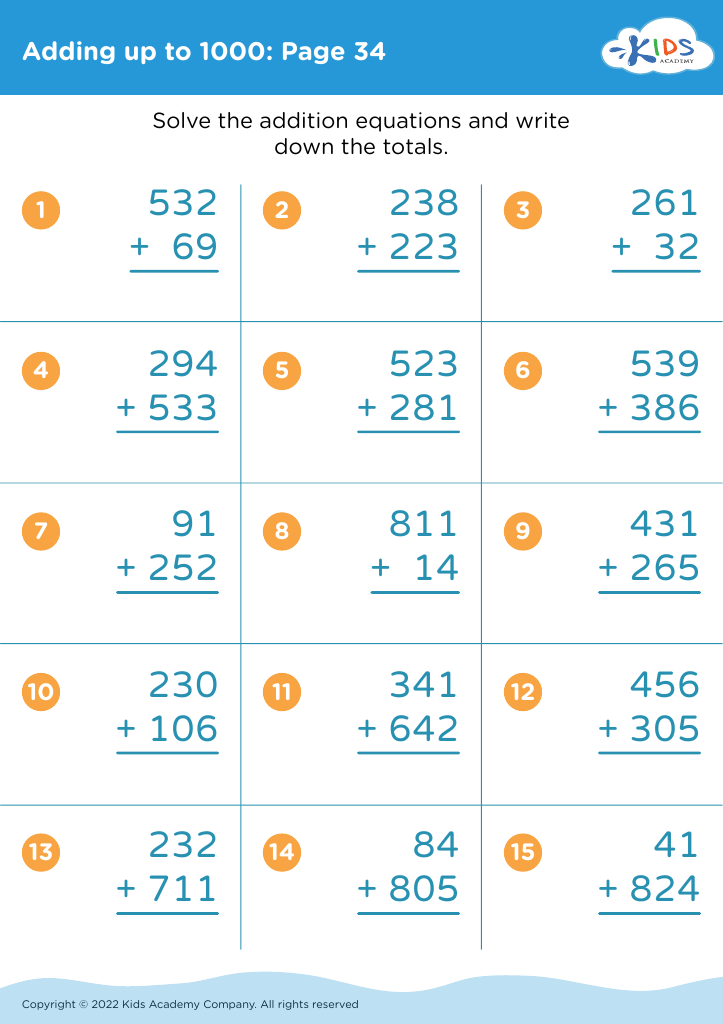
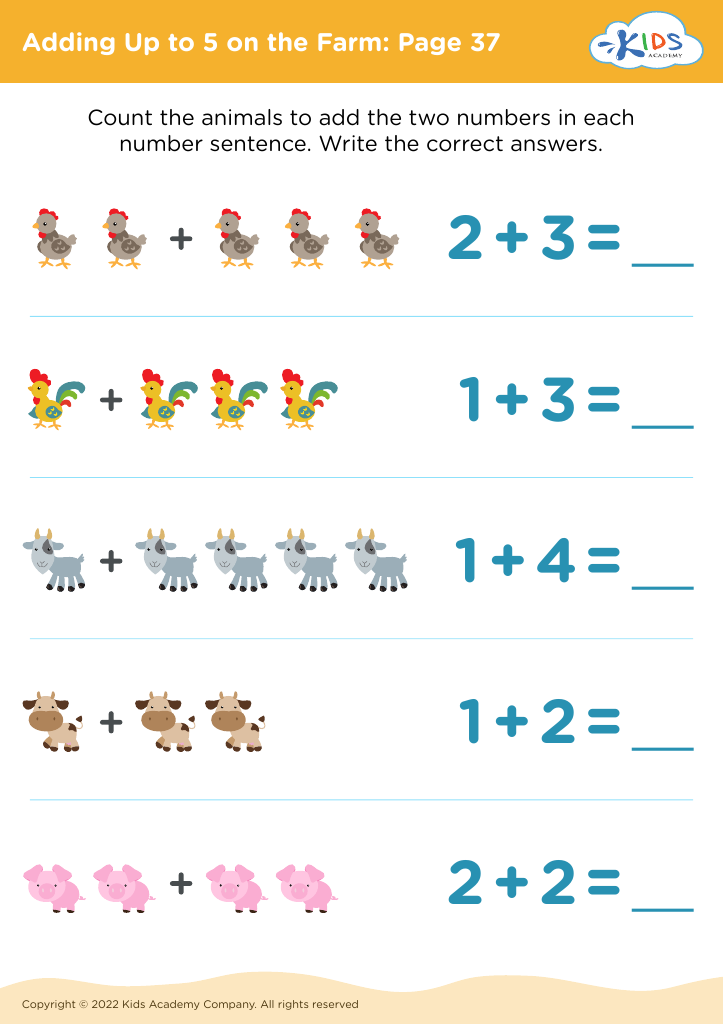
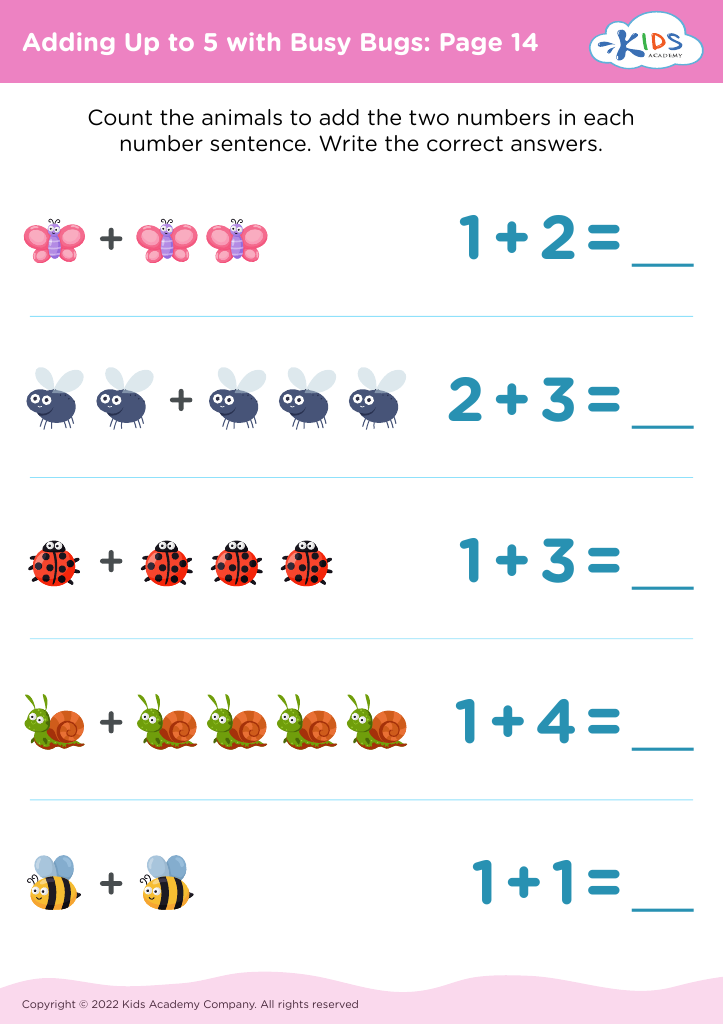
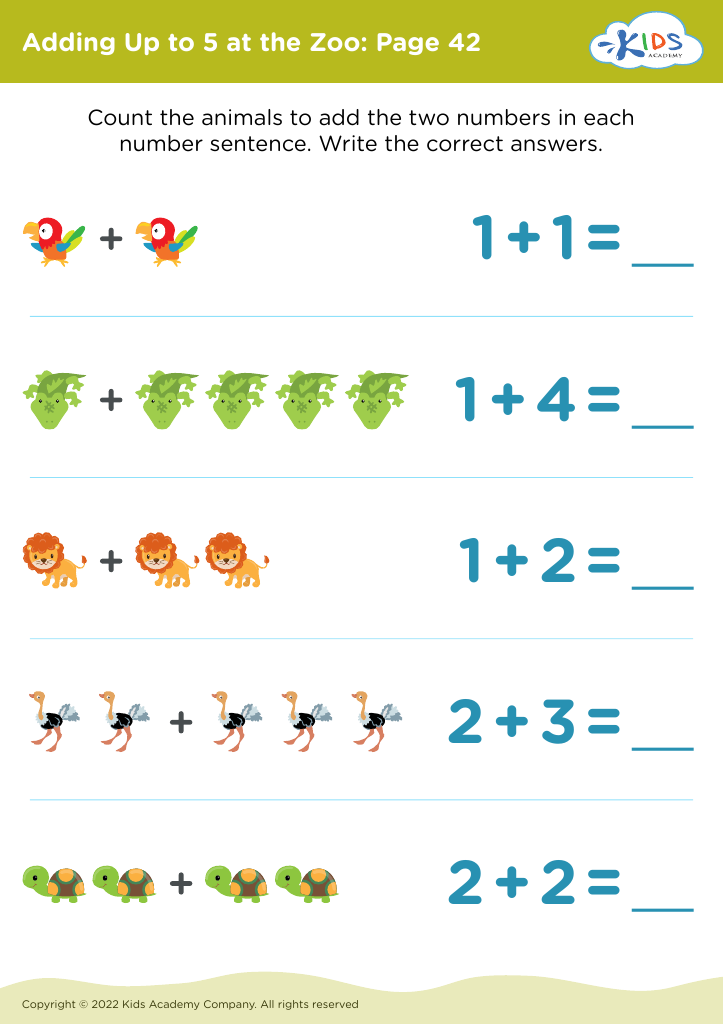
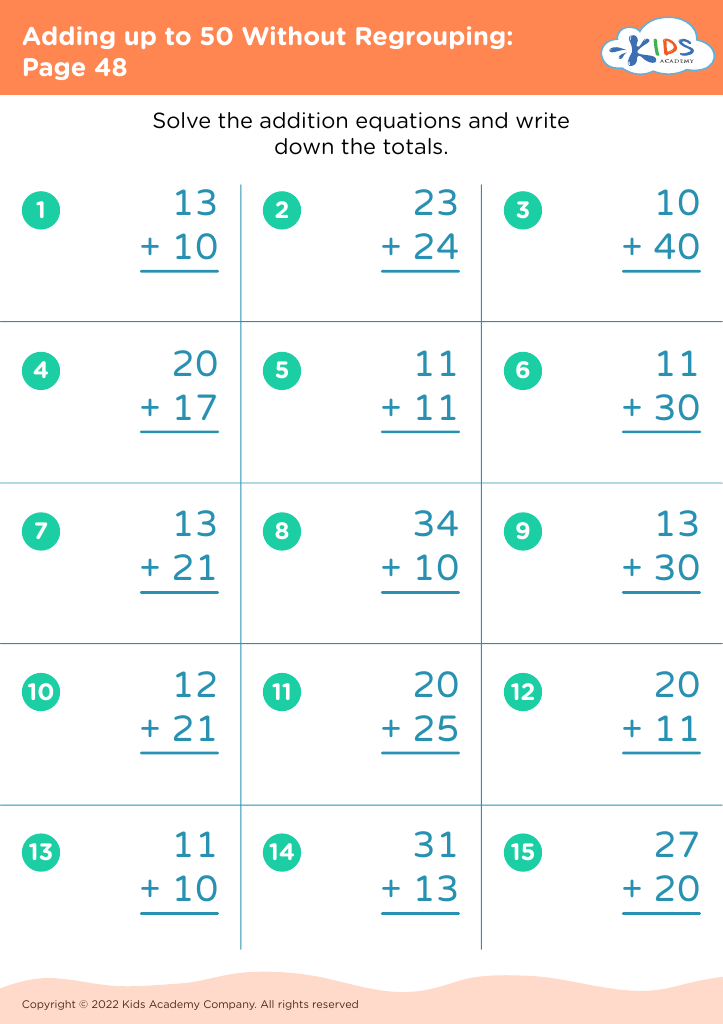
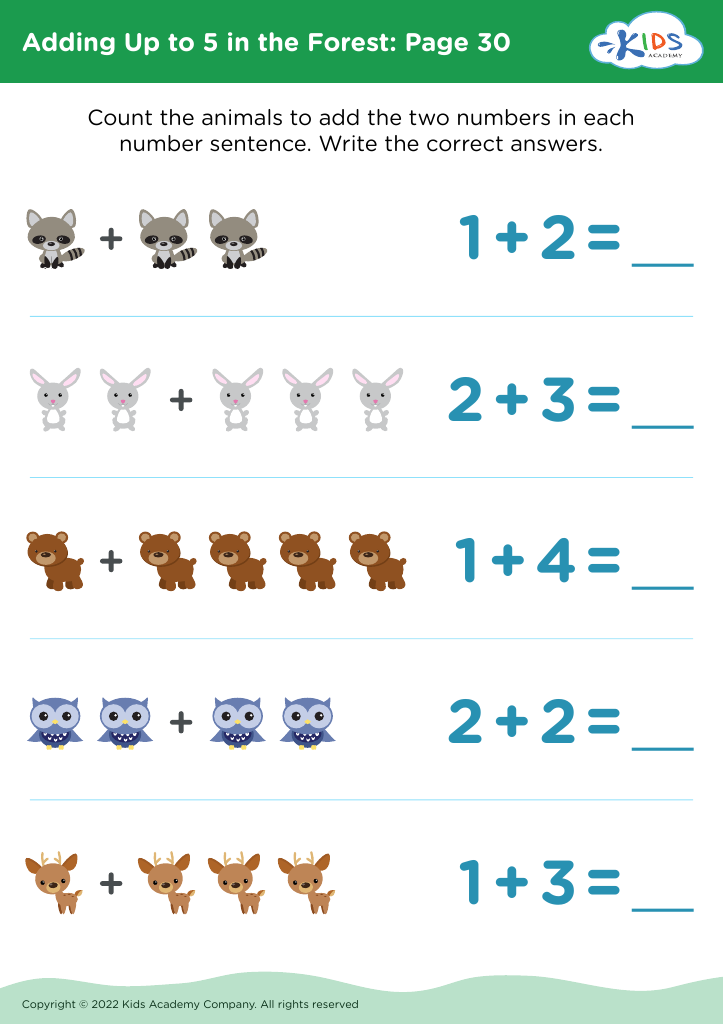
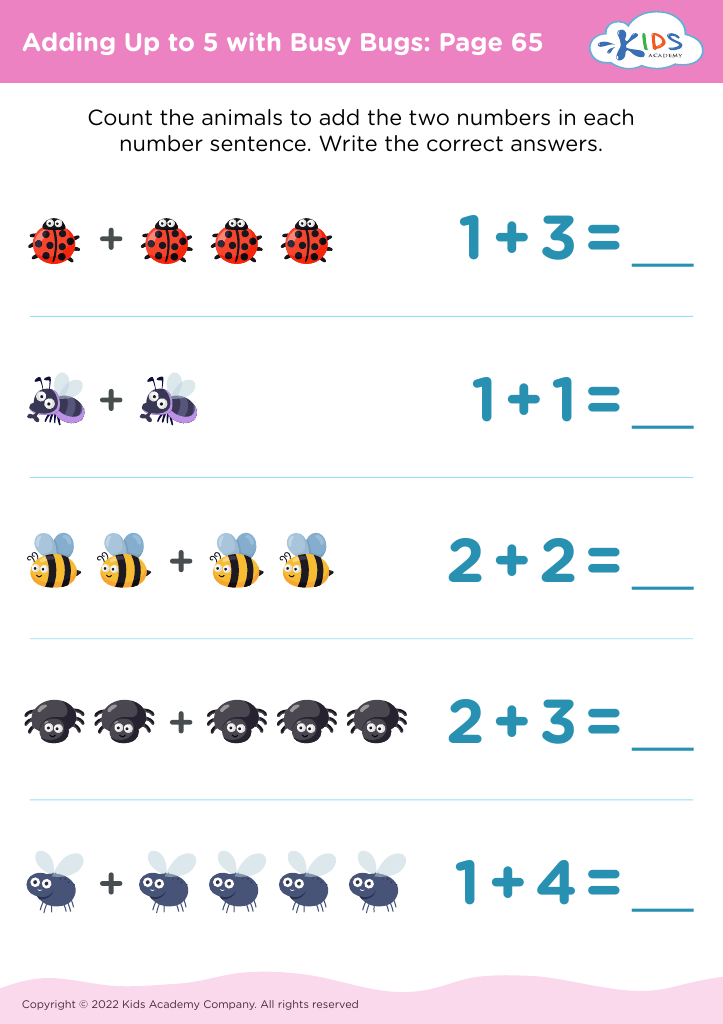
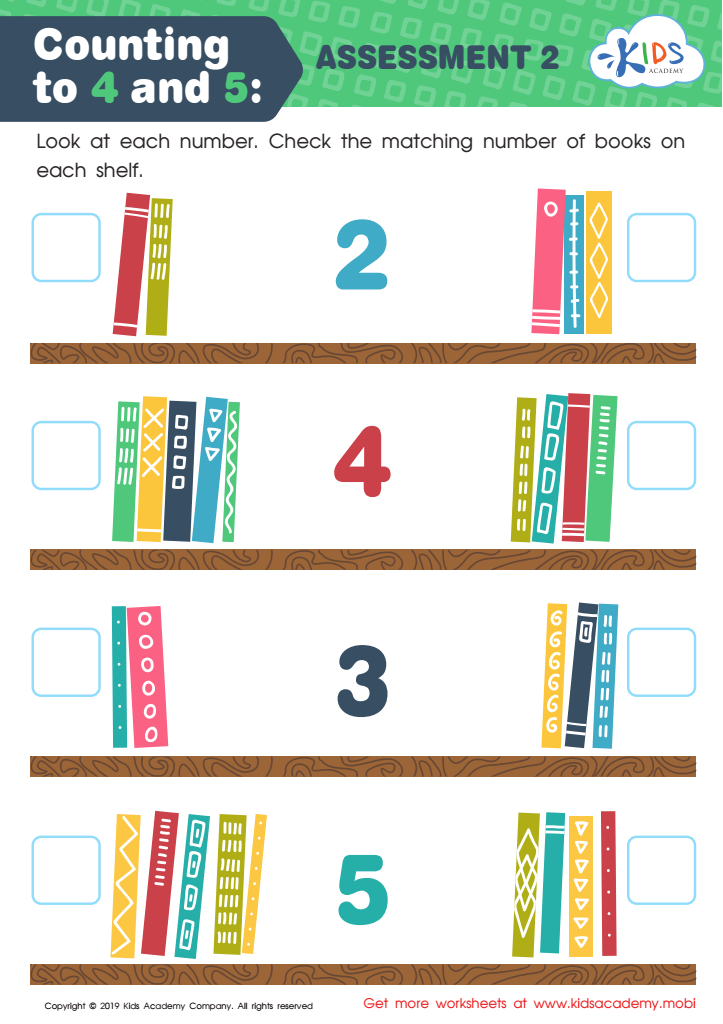
Counting to 4 and 5: Assessment 2 Worksheet







Fine motor skills, particularly writing, play a crucial role in the development of children aged 5-7. During this critical period, children refine their coordination and dexterity, which are foundational for numerous daily activities. Mastery of fine motor skills aids in learning how to hold pencils or crayons correctly, enabling smoother handwriting and contributing to better legibility over time.
For educators and parents, fostering these skills is essential because they not only facilitate academic success but also bolster children's confidence and independence. Children who struggle with fine motor tasks may feel frustrated or disheartened, leading to aversion to writing or schoolwork. By prioritizing these skills, adults can create a more inclusive environment where every child is encouraged to participate and express themselves.
Engaging activities such as drawing, tracing, and interactive play with materials like clay or beads can effectively enhance fine motor skills. Additionally, when children feel competent in their writing, they are more likely to engage in communication and storytelling, igniting a lifelong love of learning. Therefore, attention to developing fine motor skills in early childhood lays the groundwork for stronger academic abilities, social exchanges, and overall confidence as they progress through their educational journey.








