Check out this FREE "Fraction comparison" Trial Lesson for age 5-7!

Character's Point of View

Favorites
With answer key
Interactive
  • 5-7
  • Fraction comparison
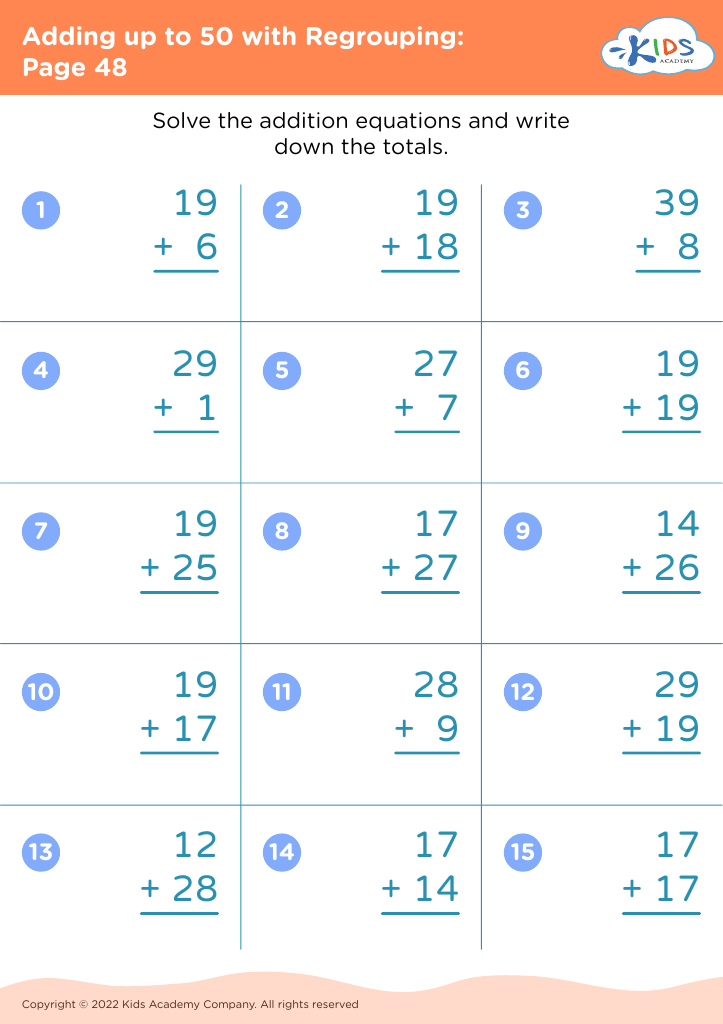
Adding up to 50 with Regrouping: Page 48
Worksheet
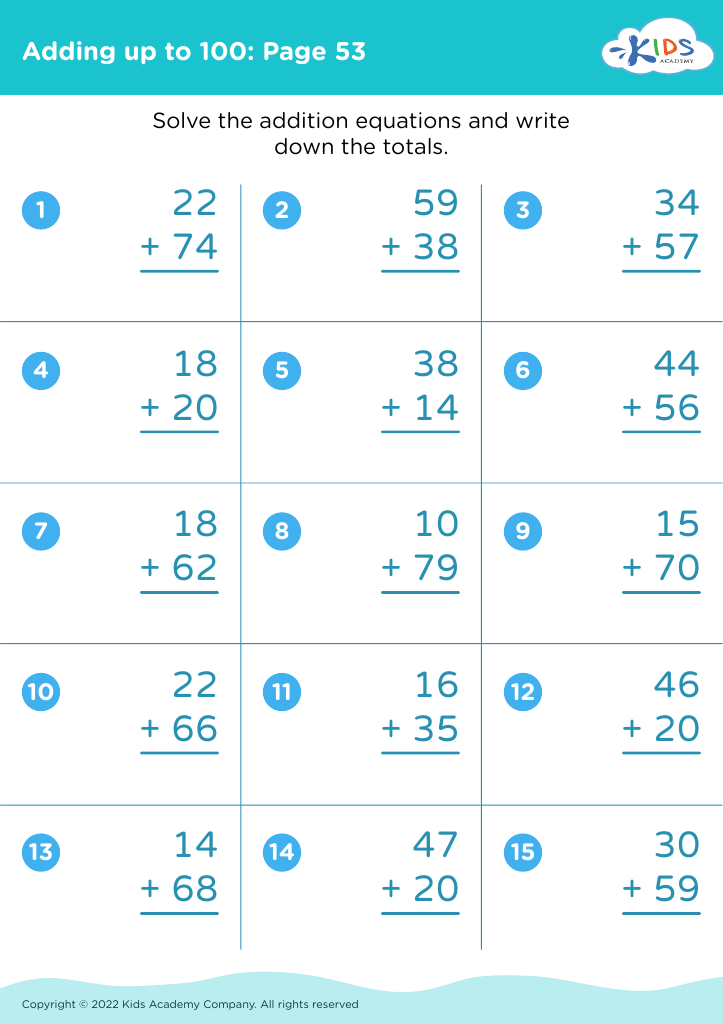
Adding up to 100: Page 53

Adding up to 100: Page 53

Adding up to 100: Page 53
Worksheet
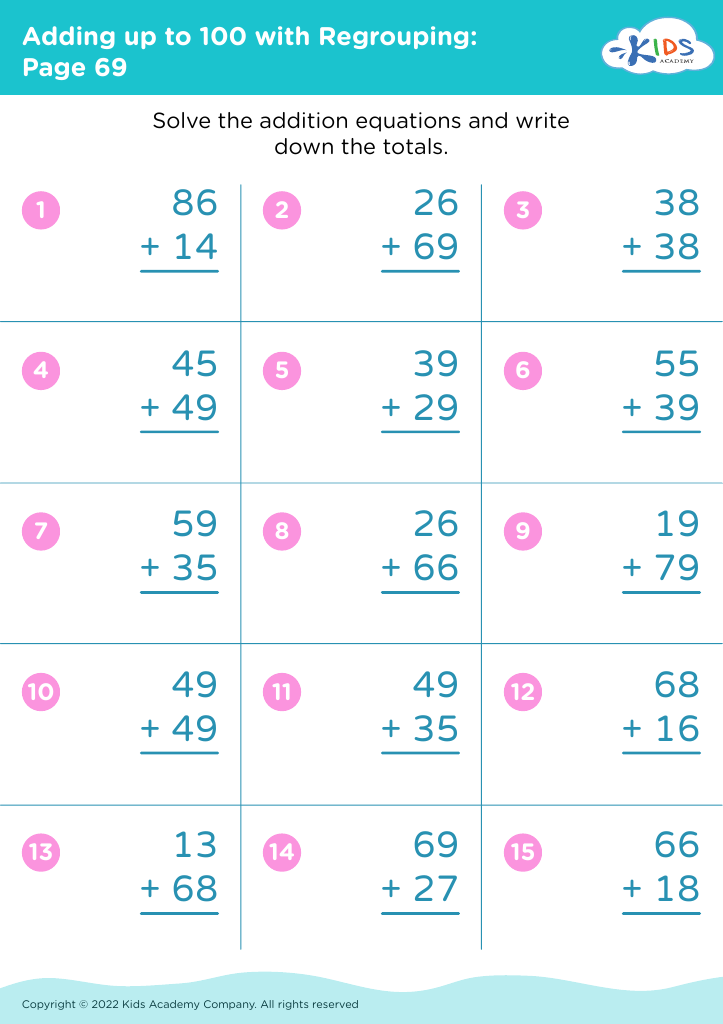
Adding up to 100 with Regrouping: Page 69
Worksheet
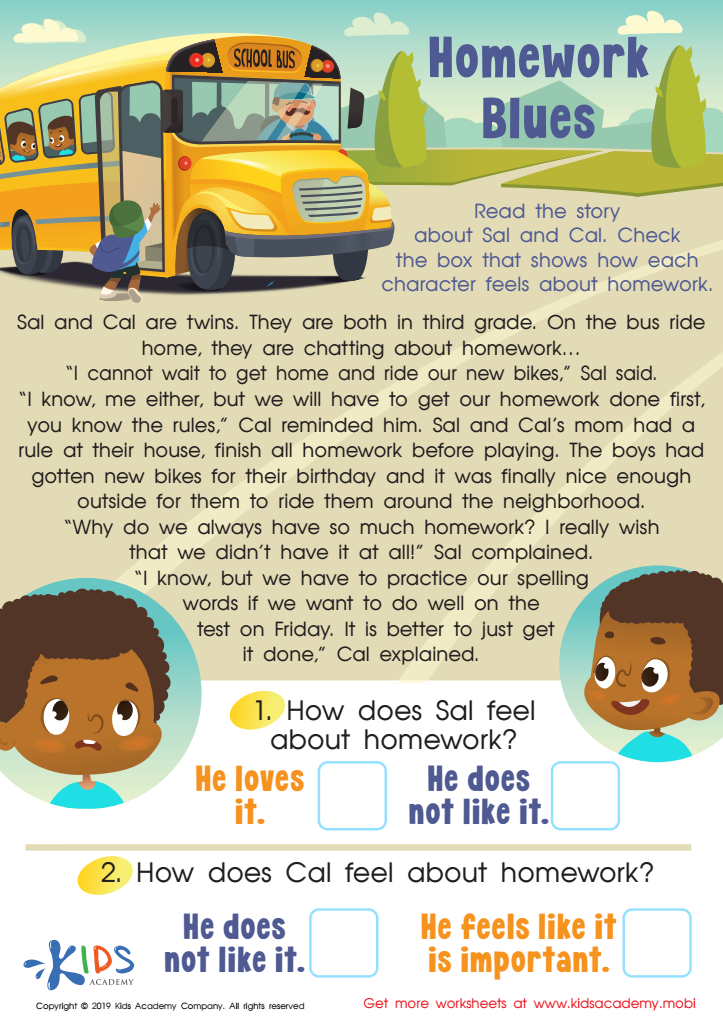
Homework Blues Worksheet

Homework Blues Worksheet

Cal and Sal don't love doing homework, just like your kids. Use this worksheet to help your children understand why homework is important. Read the passage together and then answer the questions at the bottom of the page. It's a fun way to learn together!
Homework Blues Worksheet
Worksheet
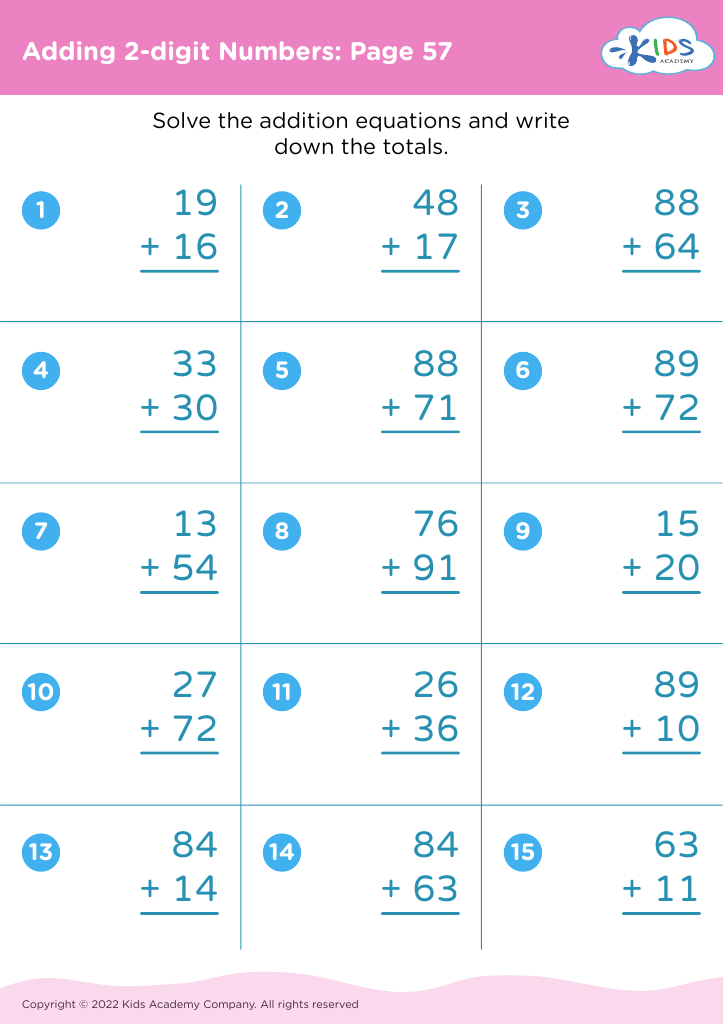
Adding 2-digit Numbers: Page 57

Adding 2-digit Numbers: Page 57

Adding 2-digit Numbers: Page 57
Worksheet
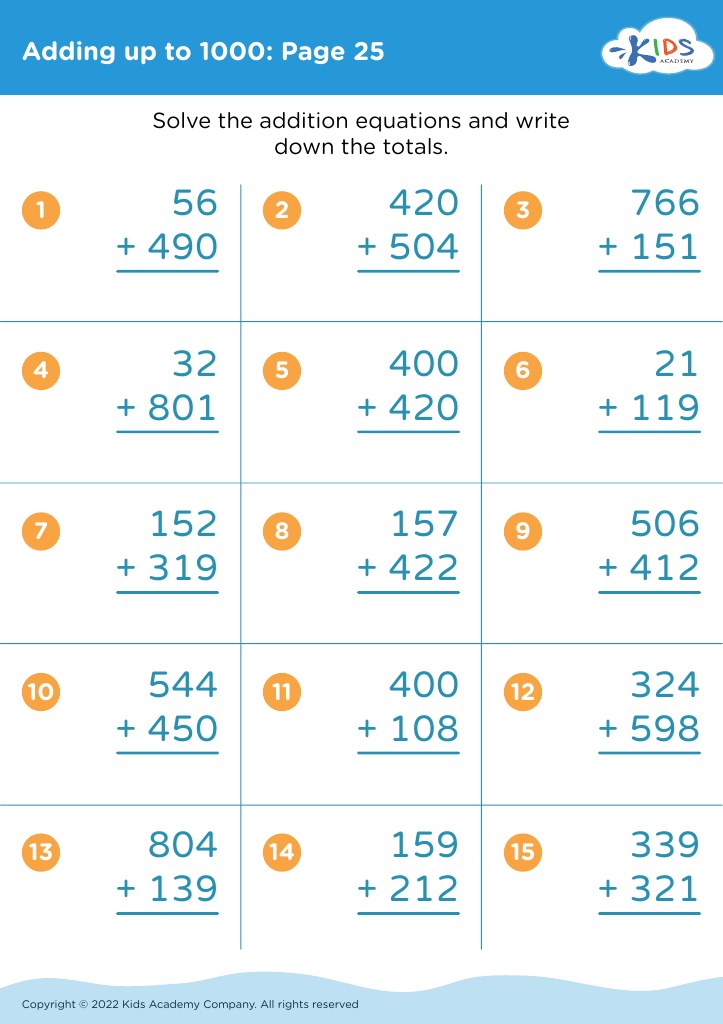
Adding up to 1000: Page 25

Adding up to 1000: Page 25

Adding up to 1000: Page 25
Worksheet
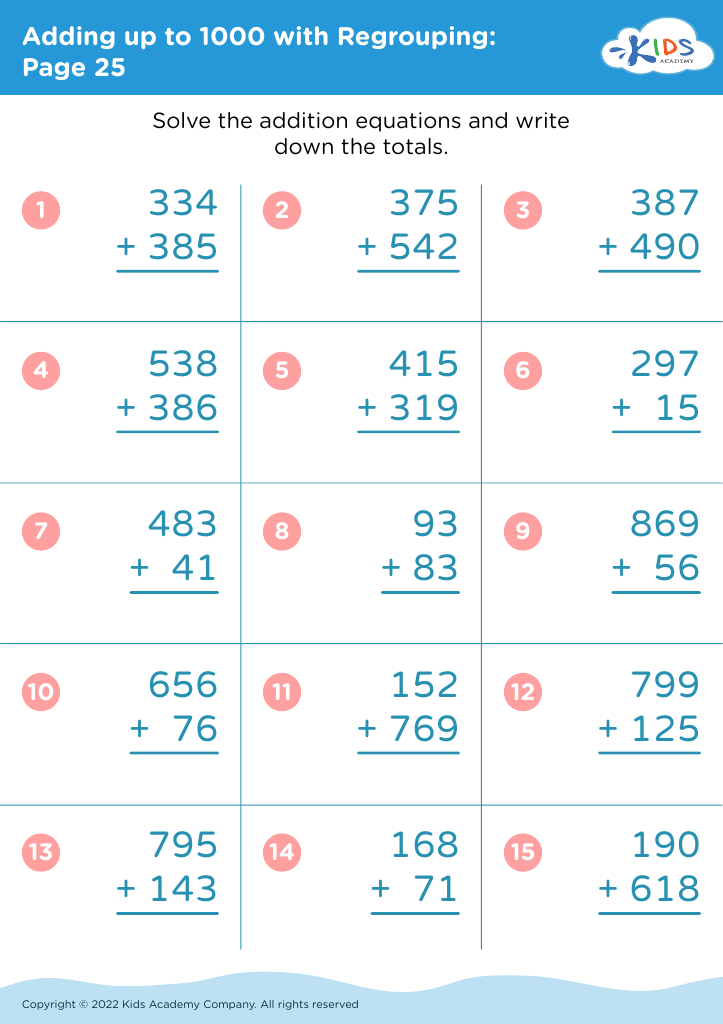
Adding up to 1000 with Regrouping: Page 25
Worksheet
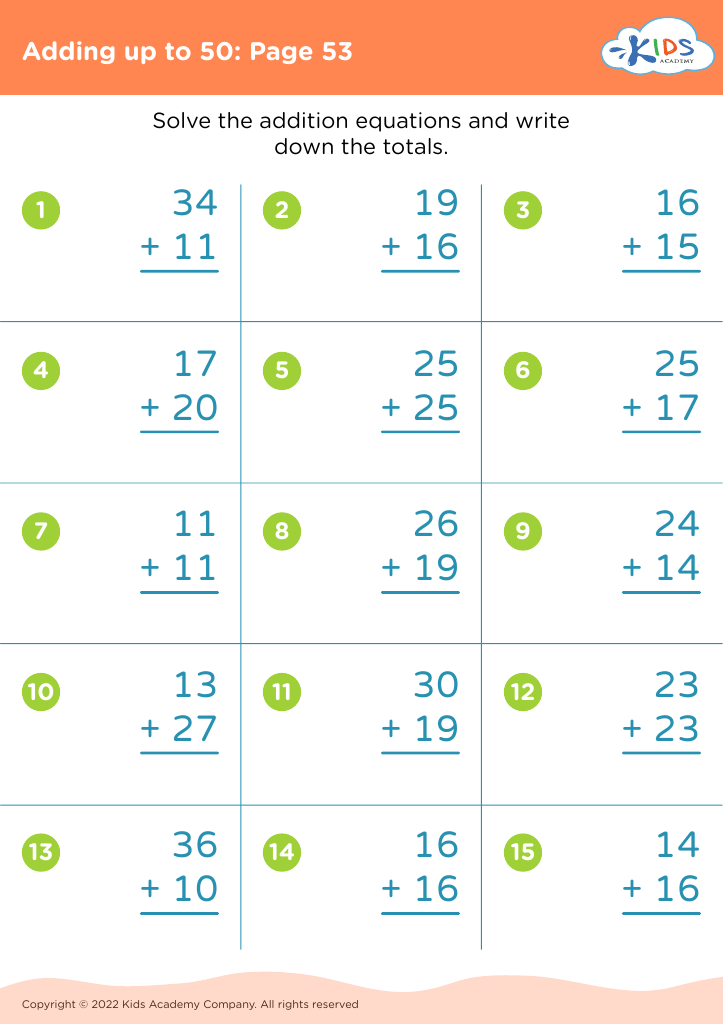
Adding up to 50: Page 53

Adding up to 50: Page 53

Adding up to 50: Page 53
Worksheet
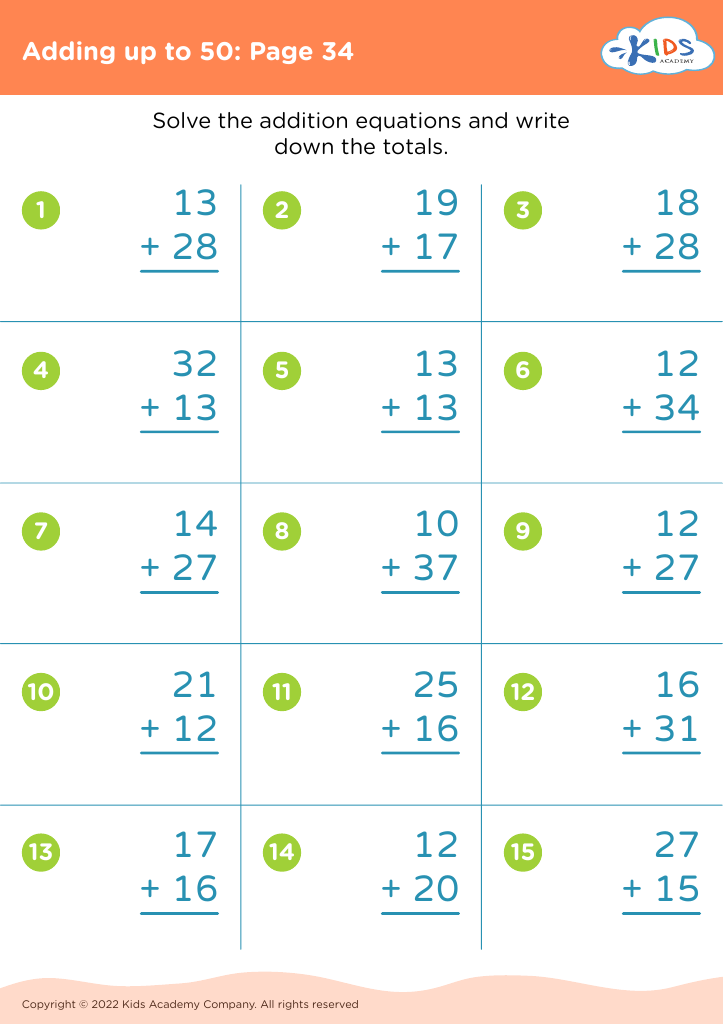
Adding up to 50: Page 34

Adding up to 50: Page 34

Adding up to 50: Page 34
Worksheet
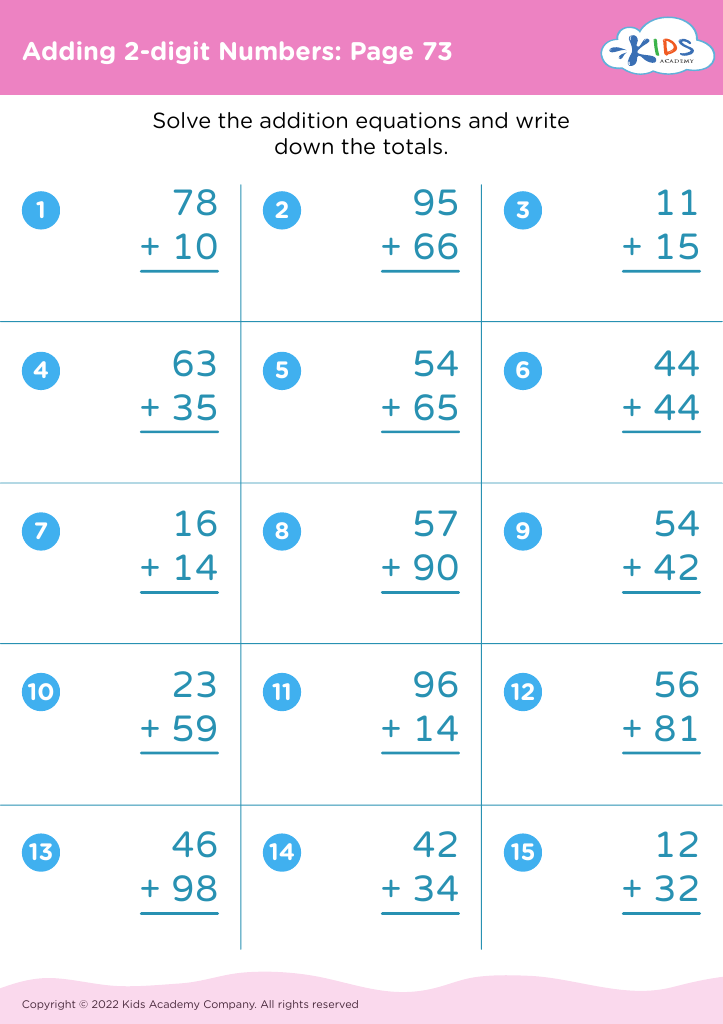
Adding 2-digit Numbers: Page 73

Adding 2-digit Numbers: Page 73

Adding 2-digit Numbers: Page 73
Worksheet
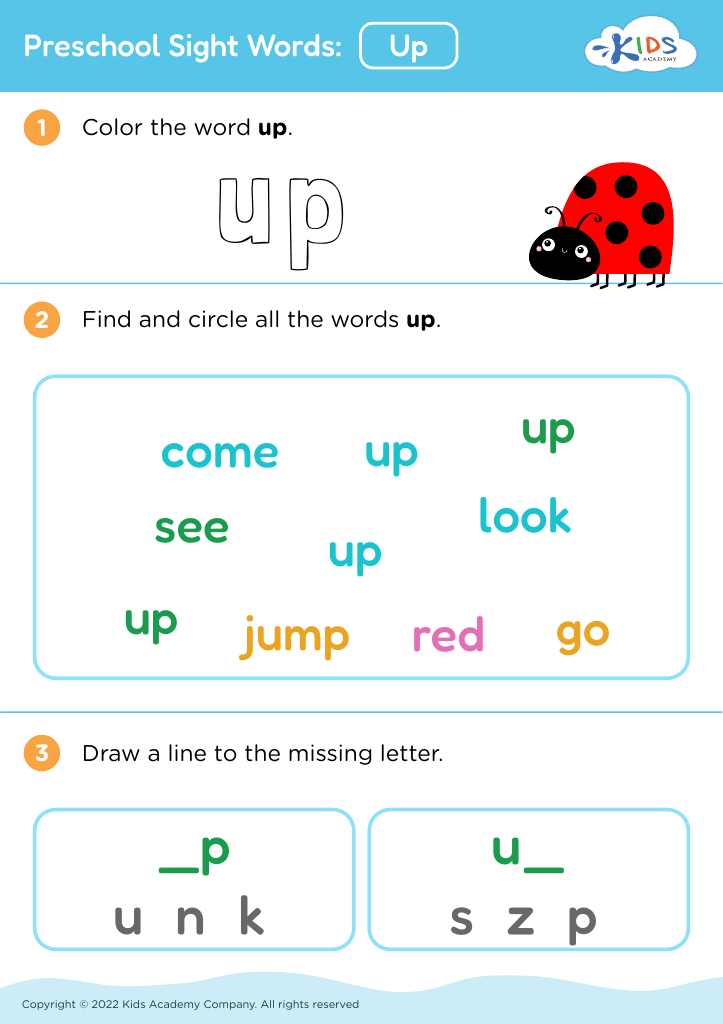
Preschool Sight Words: Up

Preschool Sight Words: Up

Preschool Sight Words: Up
Worksheet
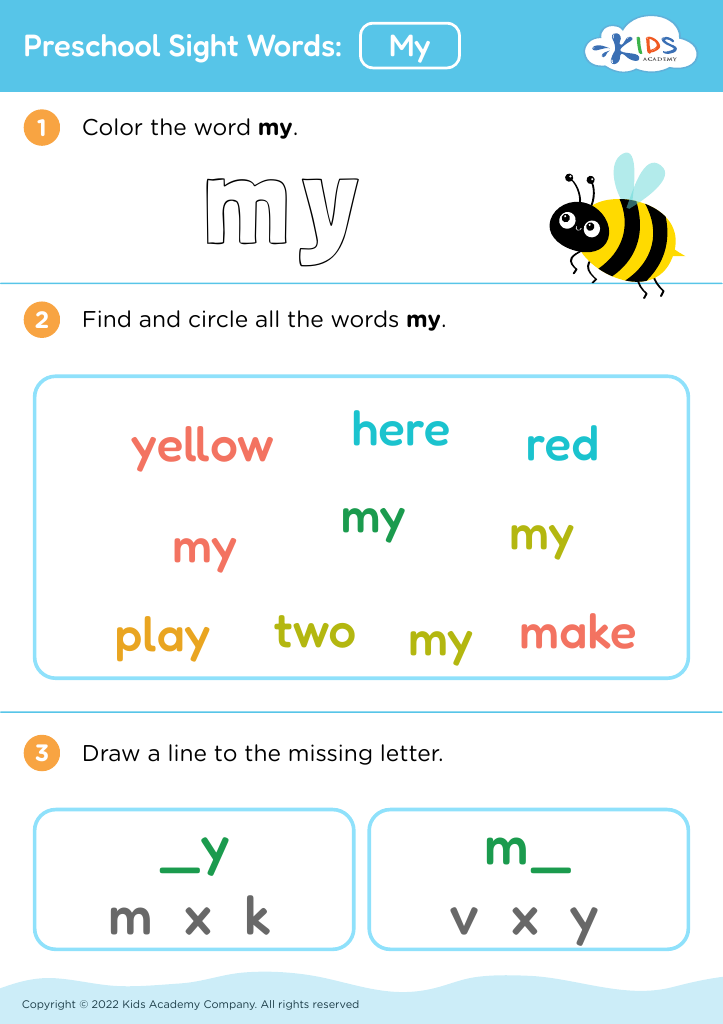
Preschool Sight Words: My

Preschool Sight Words: My

Preschool Sight Words: My
Worksheet
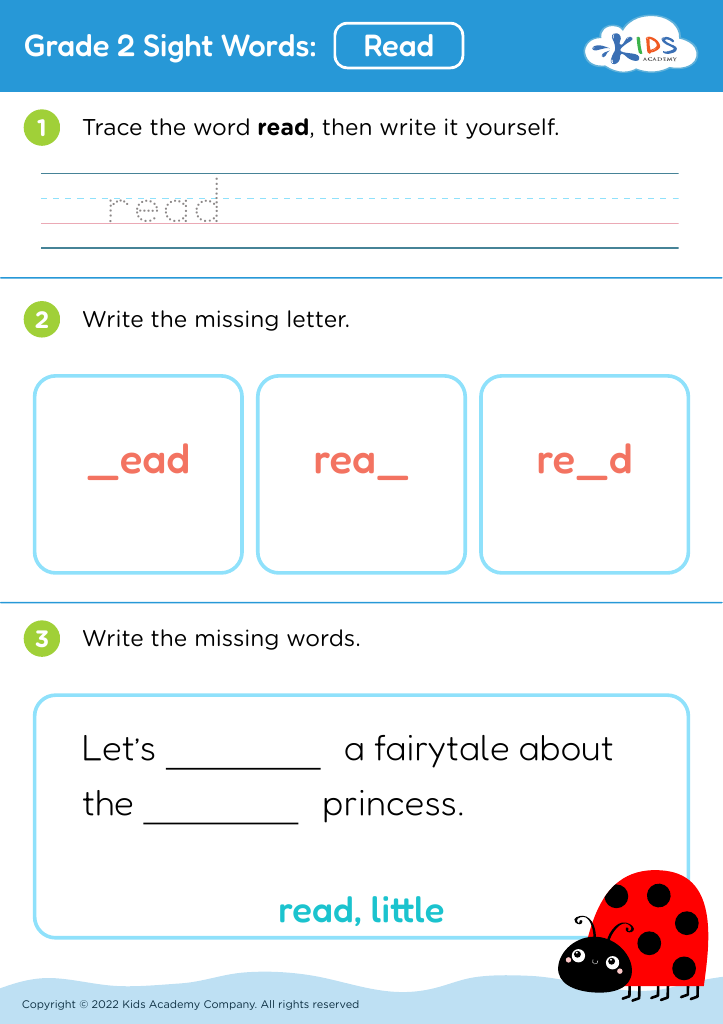
Grade 2 Sight Words: Read

Grade 2 Sight Words: Read

Grade 2 Sight Words: Read
Worksheet
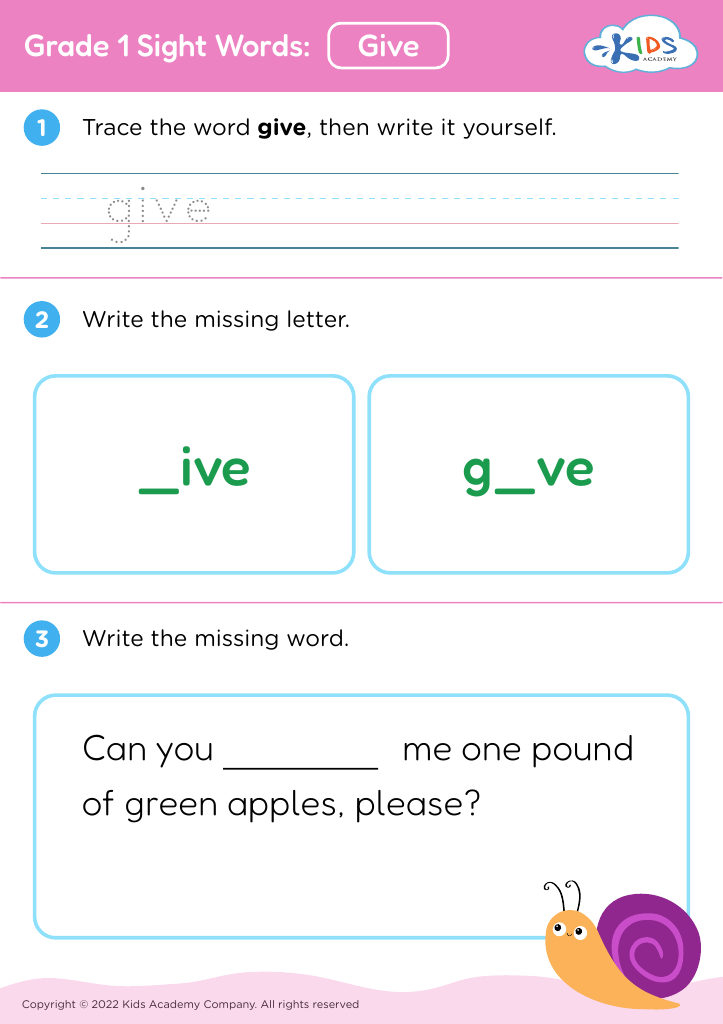
Grade 1 Sight Words: Give

Grade 1 Sight Words: Give

Grade 1 Sight Words: Give
Worksheet
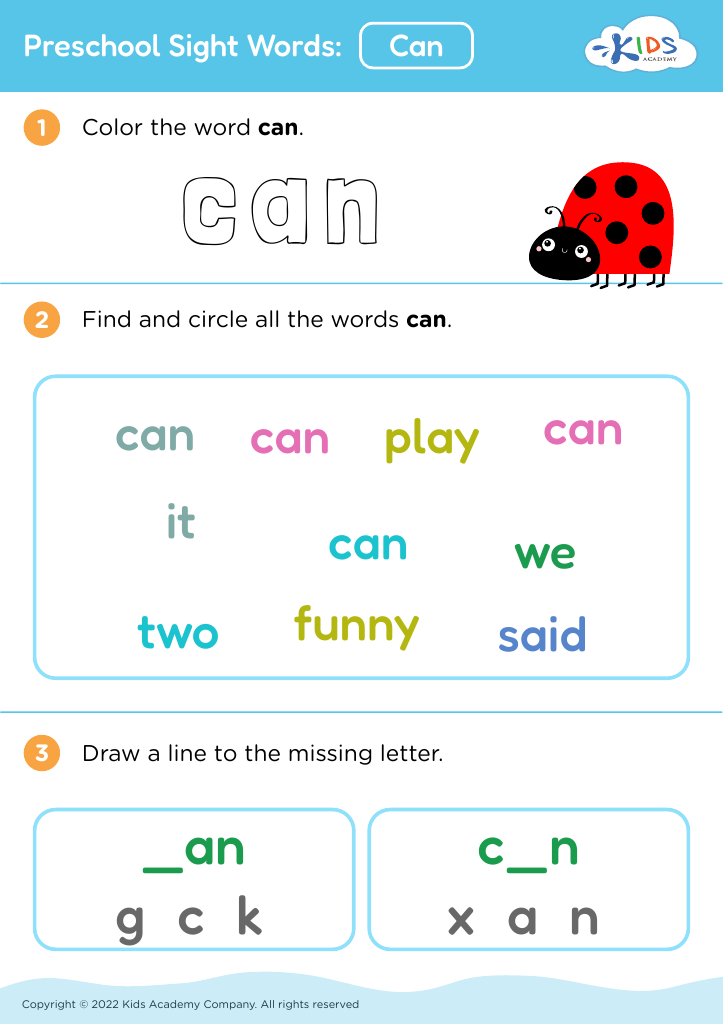
Preschool Sight Words: Can

Preschool Sight Words: Can

Preschool Sight Words: Can
Worksheet
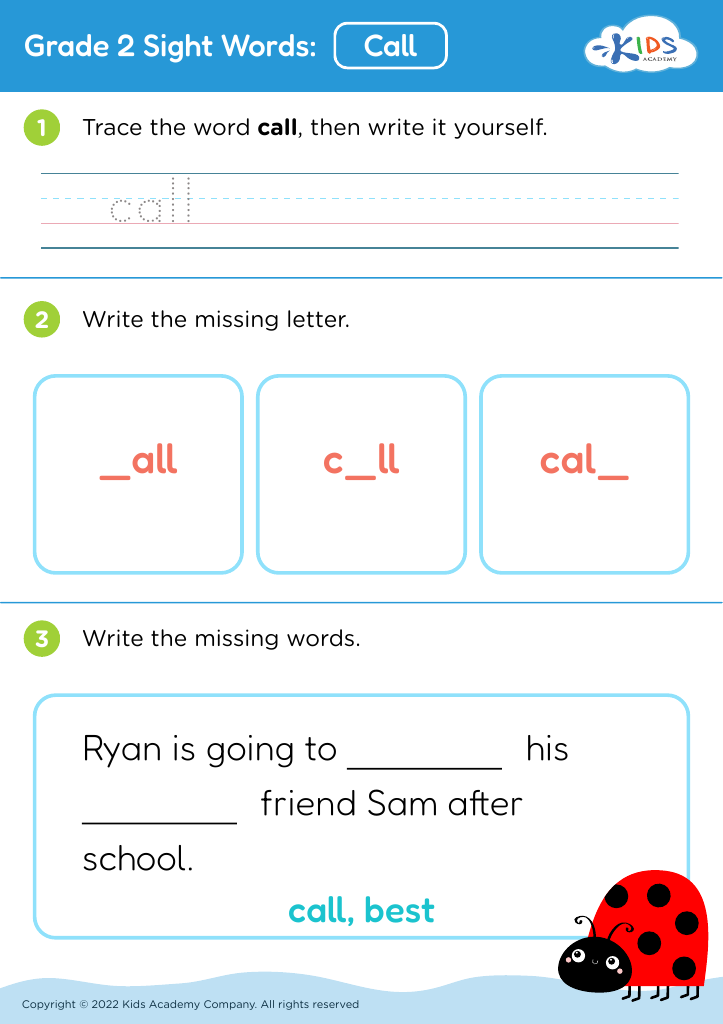
Grade 2 Sight Words: Call

Grade 2 Sight Words: Call

Grade 2 Sight Words: Call
Worksheet
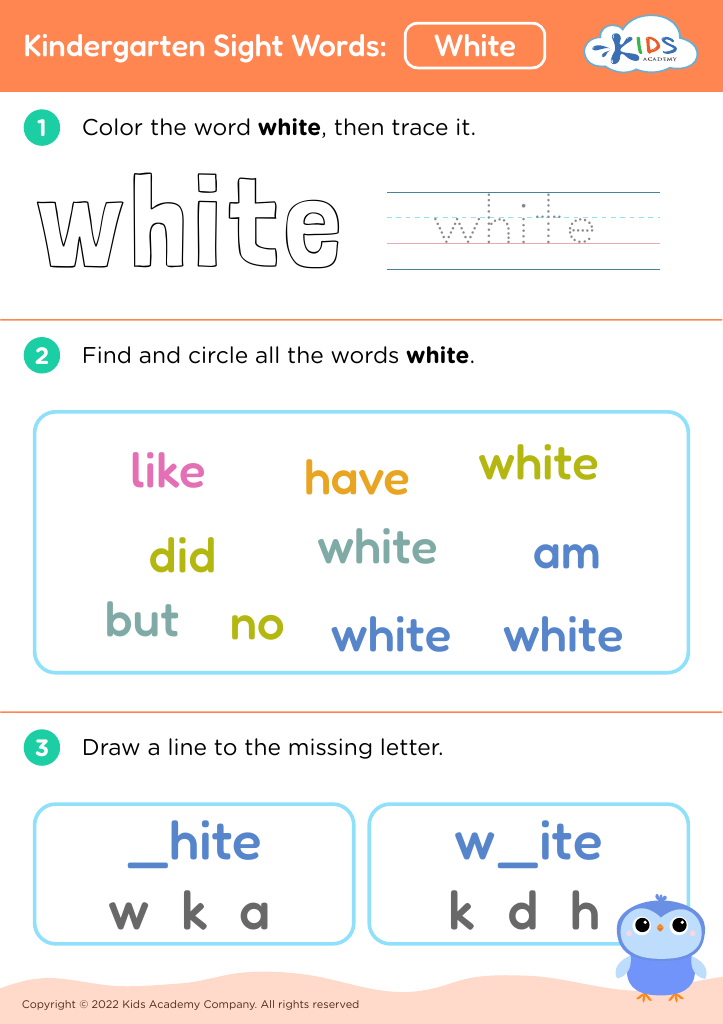
Kindergarten Sight Words: White

Kindergarten Sight Words: White

Kindergarten Sight Words: White
Worksheet
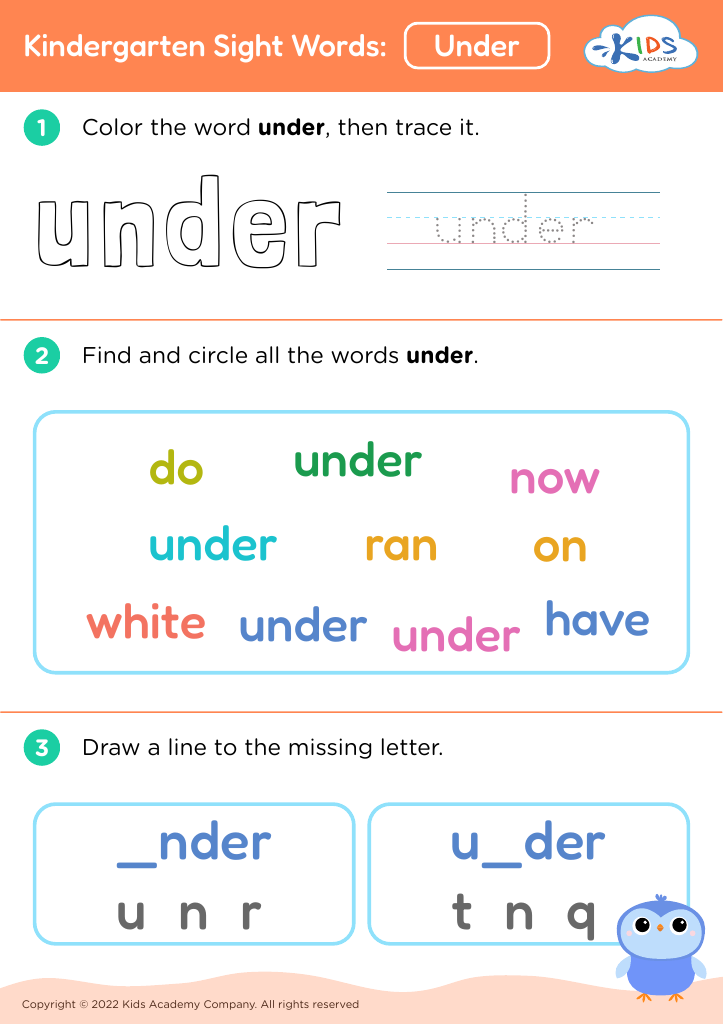
Kindergarten Sight Words: Under

Kindergarten Sight Words: Under

Kindergarten Sight Words: Under
Worksheet
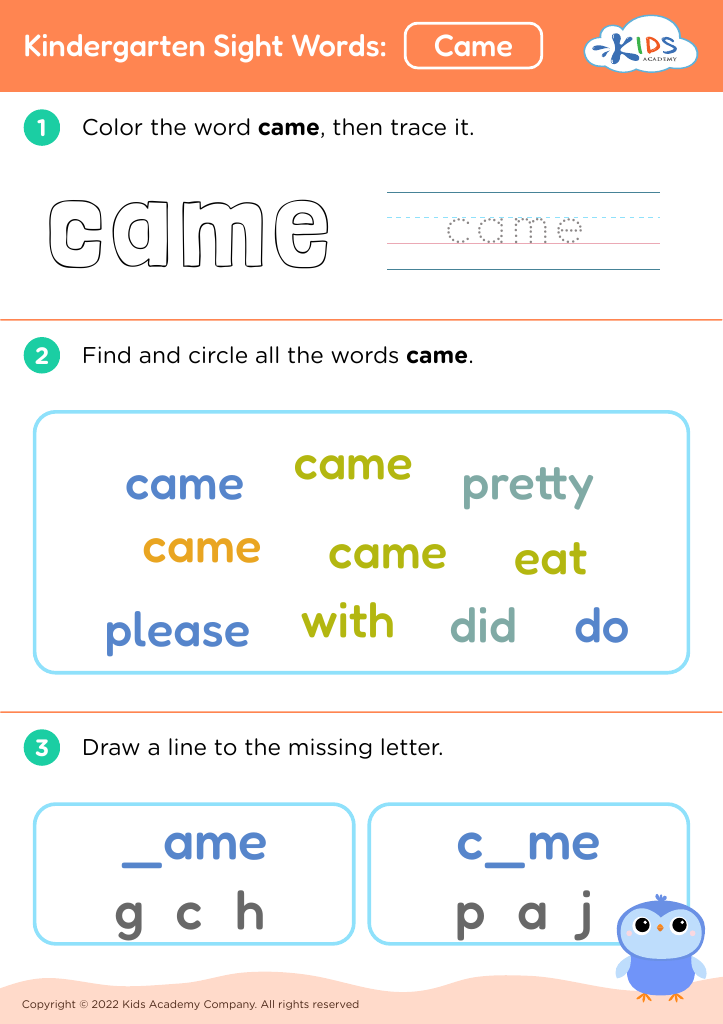
Kindergarten Sight Words: Came

Kindergarten Sight Words: Came

Kindergarten Sight Words: Came
Worksheet
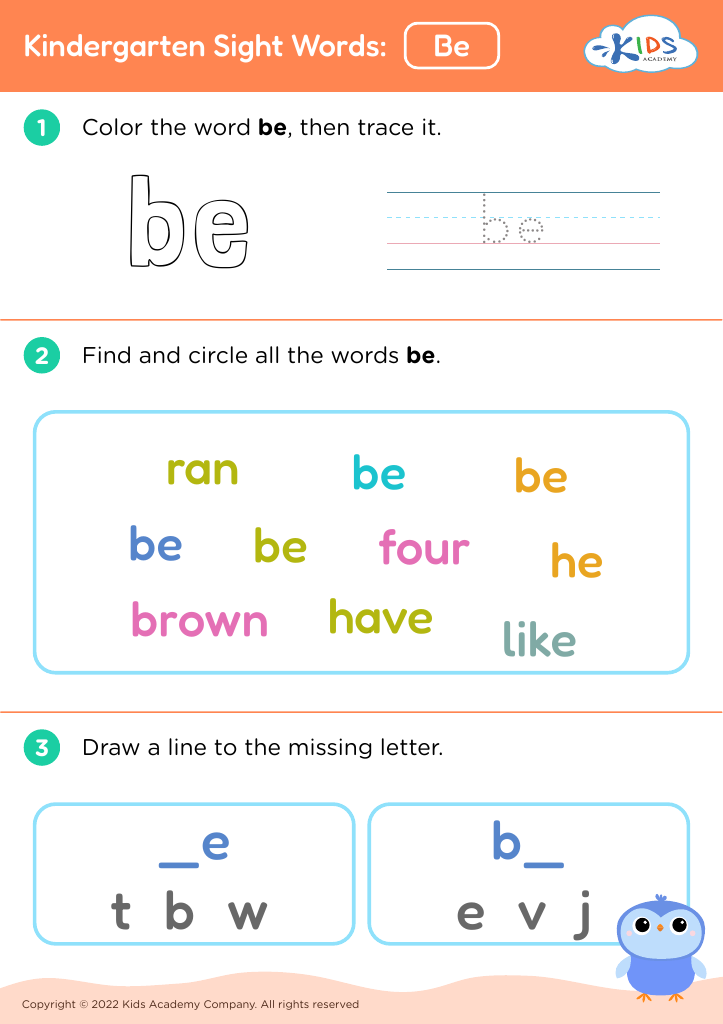
Kindergarten Sight Words: Be

Kindergarten Sight Words: Be

Kindergarten Sight Words: Be
Worksheet


Understanding fraction comparison at an early age, specifically around 5-7 years old, is crucial for several reasons. First, grasping basic fraction concepts lays the foundation for more advanced mathematical concepts they'll encounter later in school. Comparing fractions helps children develop strong number sense, an essential skill that underpins many areas of mathematics including problem-solving and logical thinking.

Second, fraction comparison ties directly into everyday situations; for instance, when sharing snacks or dividing up toys. These real-world applications make the subject highly relevant and engaging for young learners, thereby fostering a natural interest in mathematics.

Third, learning fraction comparison aids in cognitive development, encouraging kids to think critically and compare quantities analytically. This early analytical thinking can enhance their reasoning skills and improve cognitive flexibility. Teachers or parents who make an effort to introduce and reinforce these concepts can greatly aid their child's overall academic progression and confidence in math.

Finally, starting early with fraction comparison helps foster a growth mindset around learning mathematics. Early positive experiences with fractions can counteract later math anxiety, setting up a child for long-term success in the subject. Hence, focusing on these fundamental skills at a young age is an investment in the child’s future academic achievements.