Fraction simplification Worksheets for Ages 5-7
70 filtered results
-
From - To
Discover our engaging Fraction Simplification Worksheets designed specifically for children ages 5-7! Ideal for early learners, these worksheets introduce the foundational concepts of fractions in a fun, interactive way. Each worksheet features colorful illustrations and simplified examples to help young students grasp the idea of simplifying fractions with ease. Whether in the classroom or at home, these resources encourage critical thinking and mathematical skills. Perfect for educators and parents alike, our worksheets aim to make learning fractions an enjoyable experience. Download our Fraction Simplification Worksheets today and support your child’s journey towards mathematical confidence!
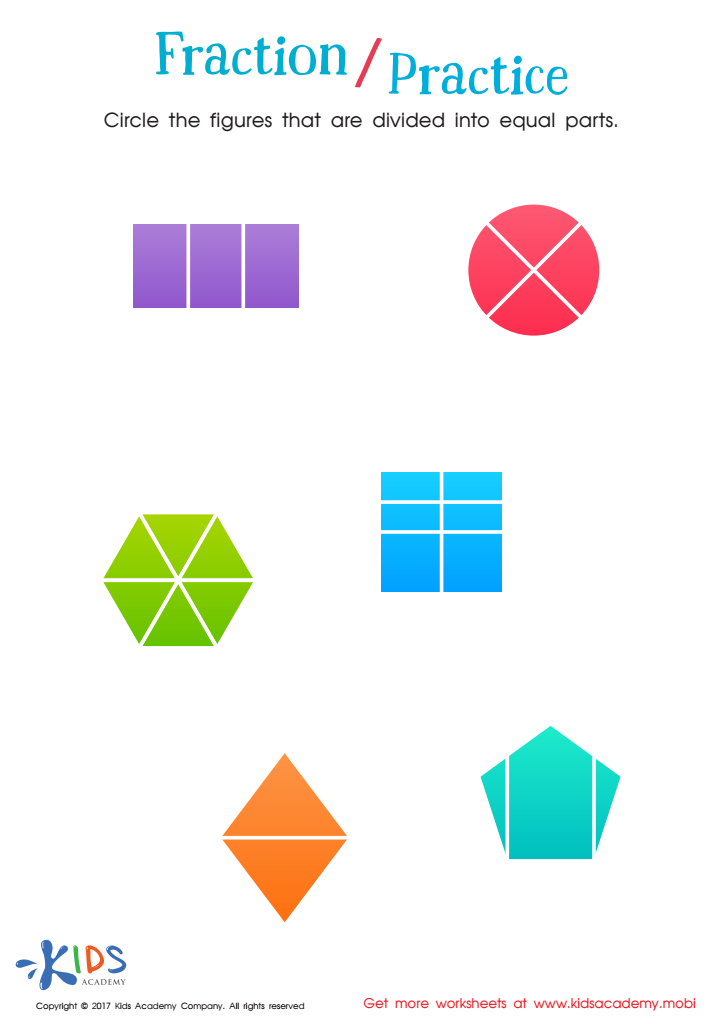
Fractions: Shapes Worksheet
 Assign to My Students
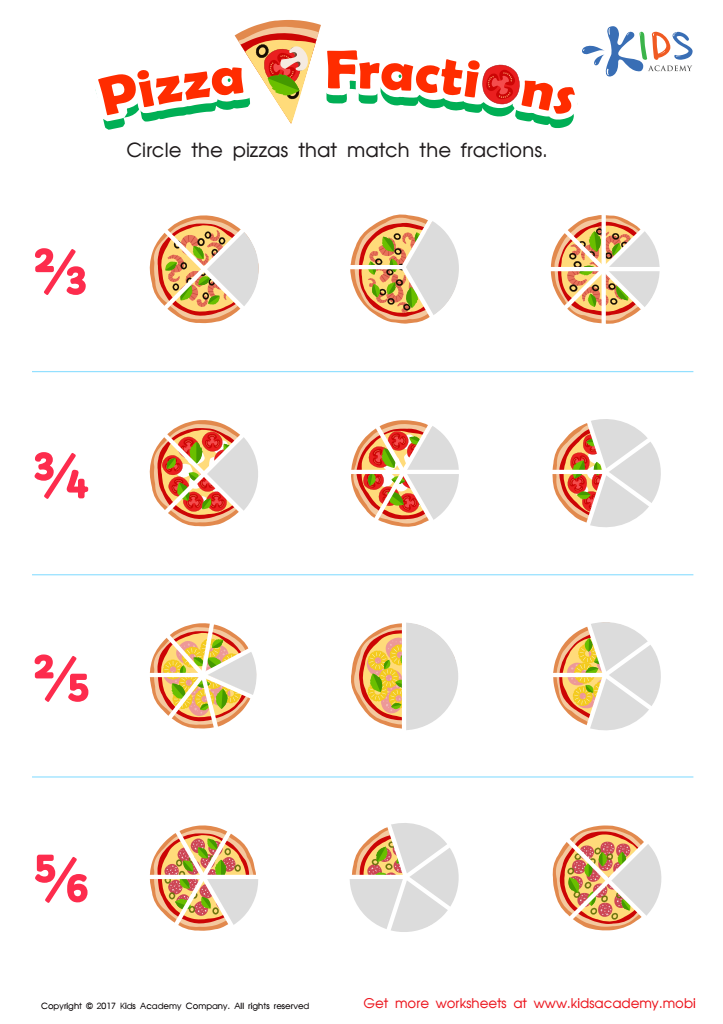
Fractions: Pizza Printable
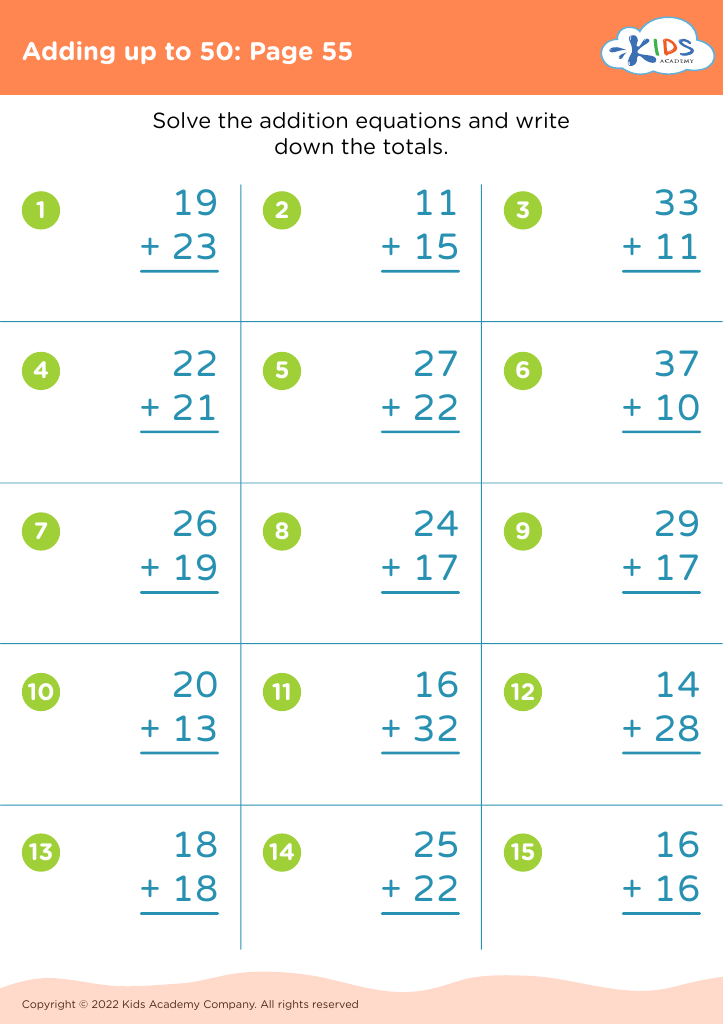
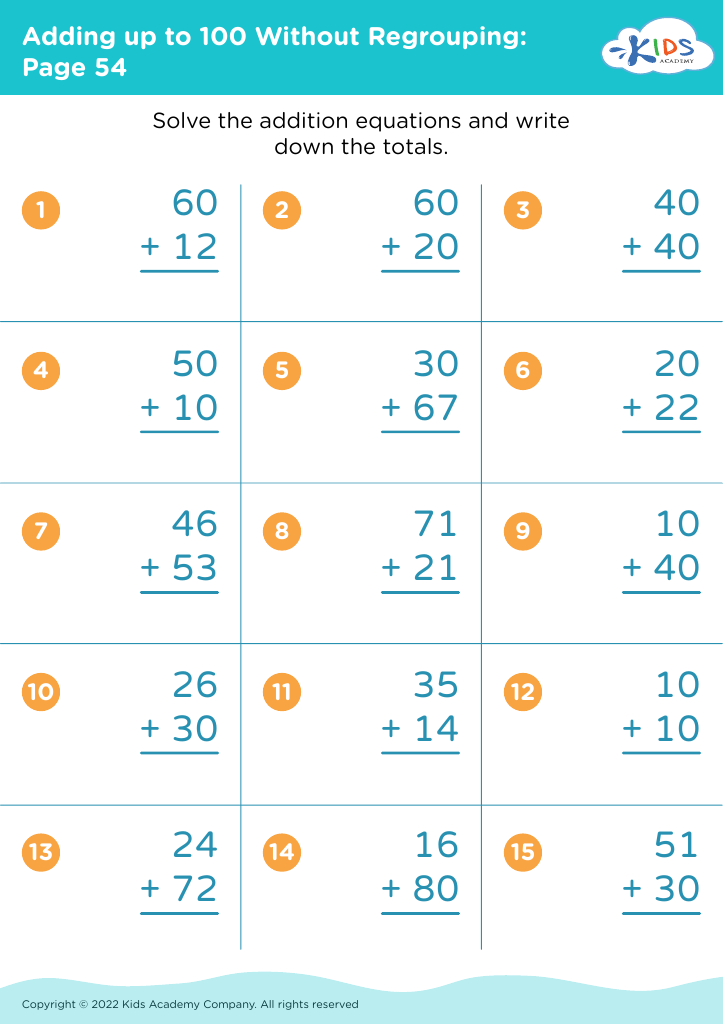
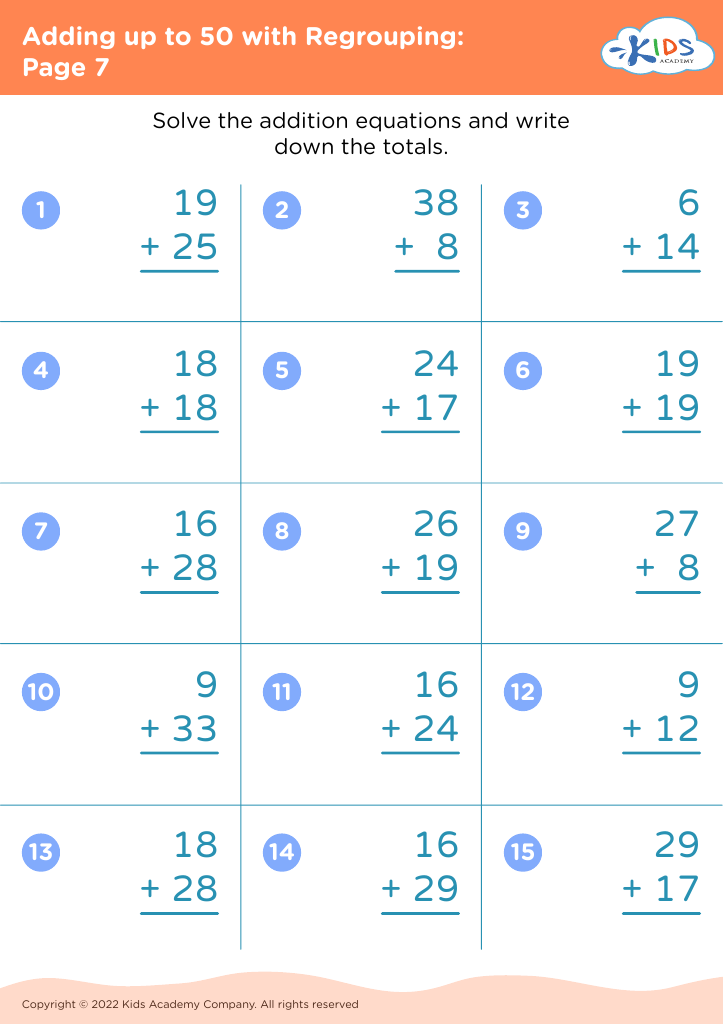




.jpg)



Fraction simplification is an essential skill for young learners, particularly for children aged 5 to 7, because it lays the groundwork for understanding more complex mathematical concepts. At this age, children begin to recognize fractions and their relationships to whole numbers. Simplifying fractions provides a clear and accessible way to learn about division, ratios, and proportional thinking, which are fundamental skills they will encounter later in their math education.
Additionally, understanding fraction simplification helps children develop critical thinking abilities as they learn to analyze and compare fractions. It encourages problem-solving skills as they determine how to reduce fractions to their simplest form. This concept also fosters a sense of achievement and confidence in their mathematical abilities when they successfully simplify fractions, motivating them to engage more actively in math-related activities.
For parents and teachers, emphasizing fraction simplification contributes to effective communication about numbers and prepares students for real-world applications, such as sharing items or cooking. By focusing on fraction simplification early on, adults can nurture a deeper conceptual understanding of mathematics in young learners, helping to create a strong foundation for their future education. This early intervention can significantly impact children's overall mathematical literacy and confidence.








