Improve vocabulary Worksheets for Ages 5-7
8 filtered results
-
From - To
Unlock your child's potential with our "Improve Vocabulary Worksheets for Ages 5-7." Designed by educational experts, these engaging worksheets help young learners discover new words, build strong communication skills, and boost confidence. Through playful activities, puzzles, and games, kids can explore diverse word categories, understand meanings, and practice proper usage in sentences. Perfect for classroom and home use, our worksheets are crafted to make learning fun and effective, ensuring children enjoy the journey of expanding their vocabulary. Give your child the tools they need to excel in reading and writing with our exciting, easy-to-use resources.
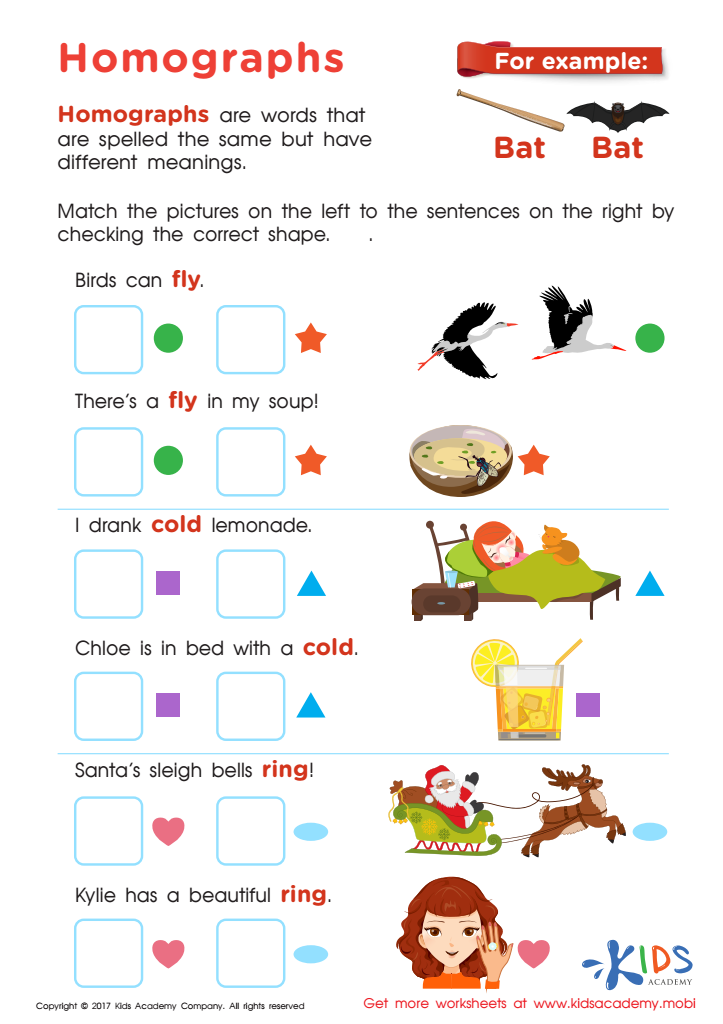
Homographs Free Printable Worksheet
 Assign to My Students
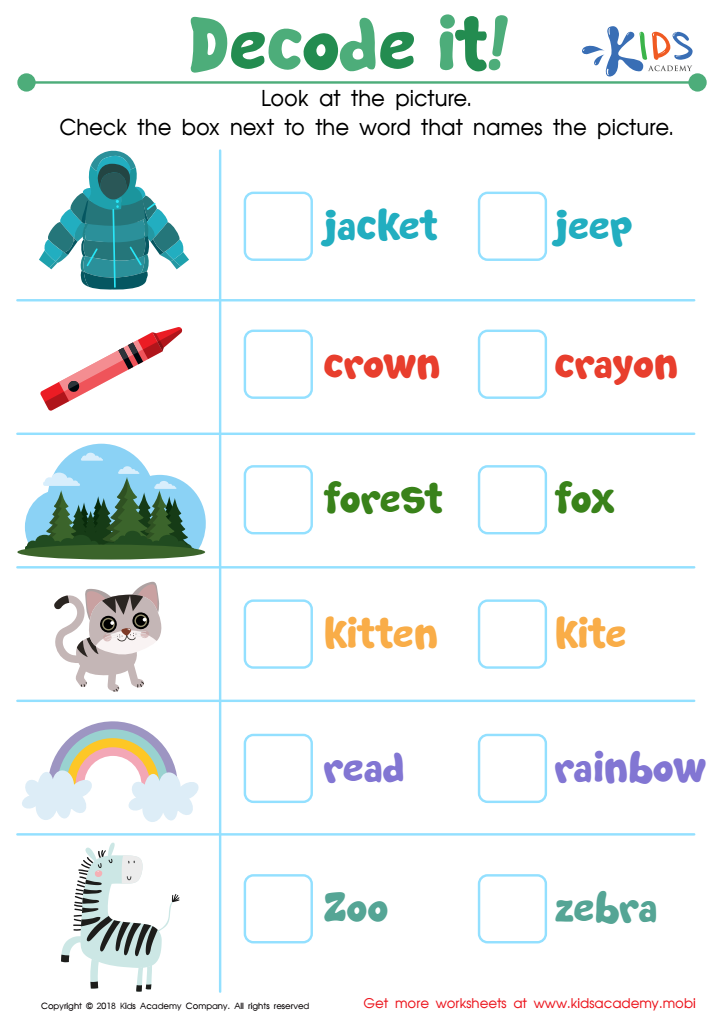
Reading: Decode It Worksheet

Homes Worksheet
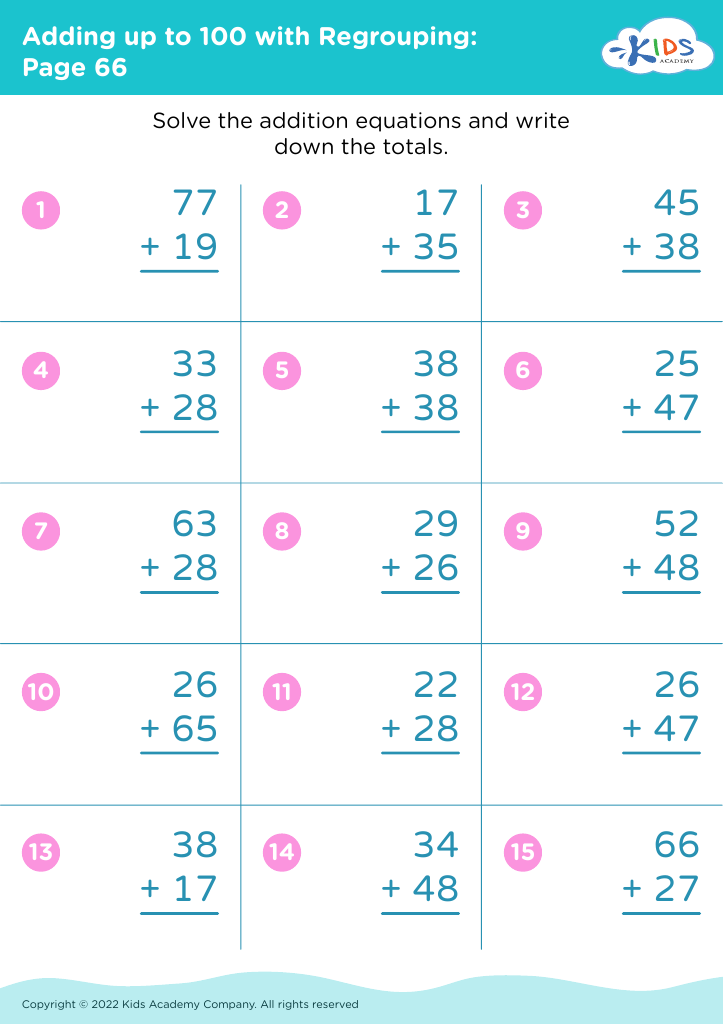
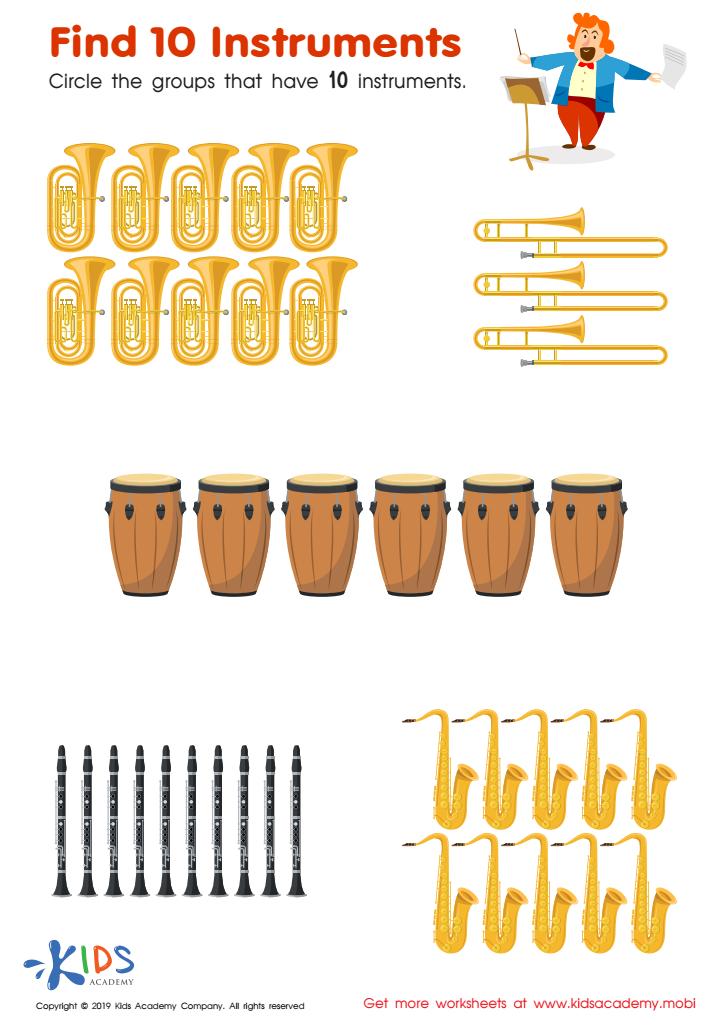
Find 10 Instruments Worksheet
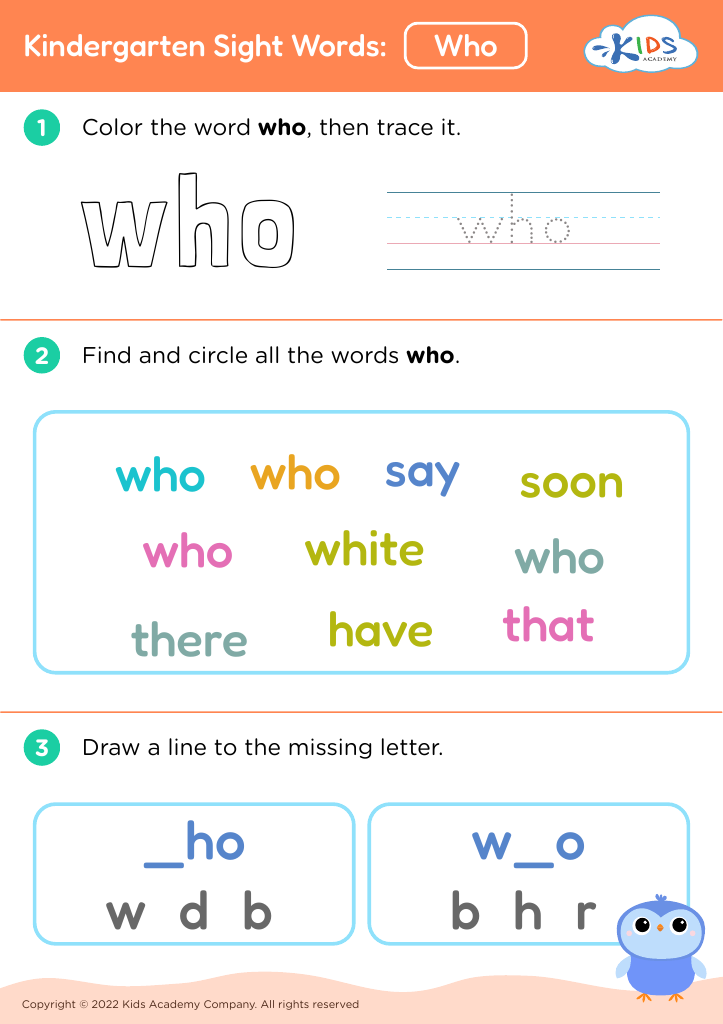







Improving vocabulary for children aged 5-7 is crucial because it serves as the cornerstone for their future academic success and overall communication skills. During these formative years, children's brains are highly receptive to new information. A robust vocabulary helps them express their thoughts and feelings more clearly and understand more complex instructions and stories. This, in turn, builds their confidence in social settings, both in and out of the classroom.
Moreover, a rich vocabulary is fundamental for reading comprehension. As children start to read more independently, they encounter new words that, if understood, will enrich their ability to grasp the meaning and context of various texts. This encourages a deeper love for reading, a critical habit that enhances lifelong learning.
Academic skills are not the only area impacted; social interaction also benefits. Children with a broad vocabulary can engage more meaningfully with peers and adults, which aids in the development of stronger, healthier relationships. It also prepares them better for the intricacies of future academic curriculums, where higher-level vocabulary becomes increasingly essential.
Thus, parents and teachers have a pivotal role in nurturing a child's vocabulary by reading to them, engaging in conversations, and providing enriching, word-rich environments. Supporting vocabulary growth early on sets the stage for holistic development—intellectual, social, and emotional—for years to come.








