Logical thinking Worksheets for Ages 5-7 - Page 2
33 filtered results
-
From - To
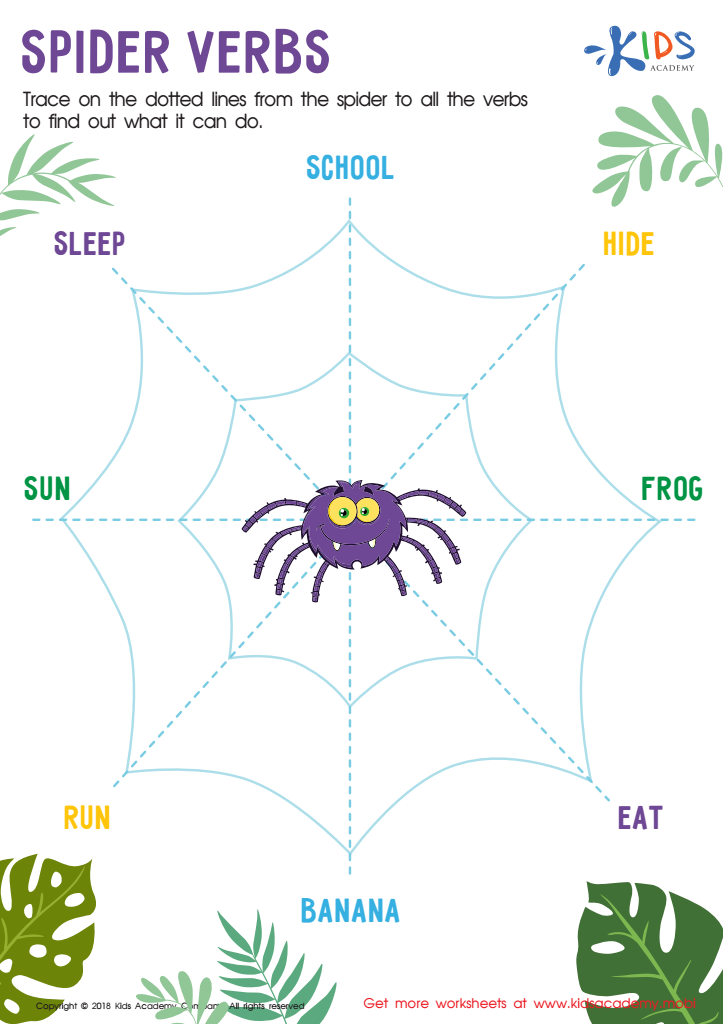
Spider Verbs Worksheet
 Assign to My Students
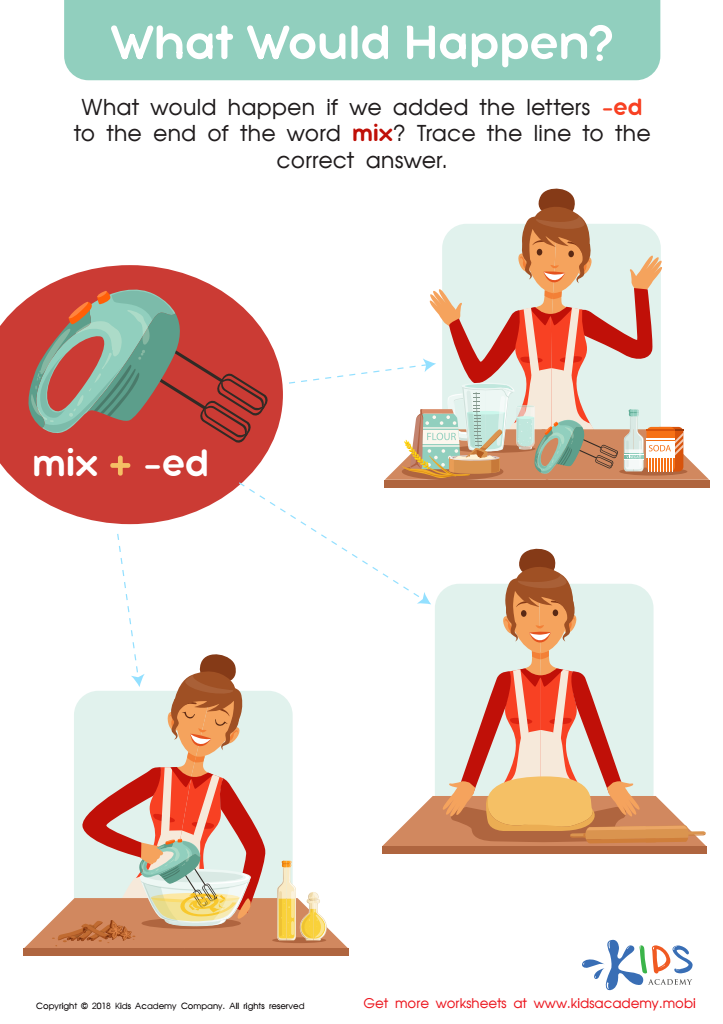
What Would Happen? Worksheet
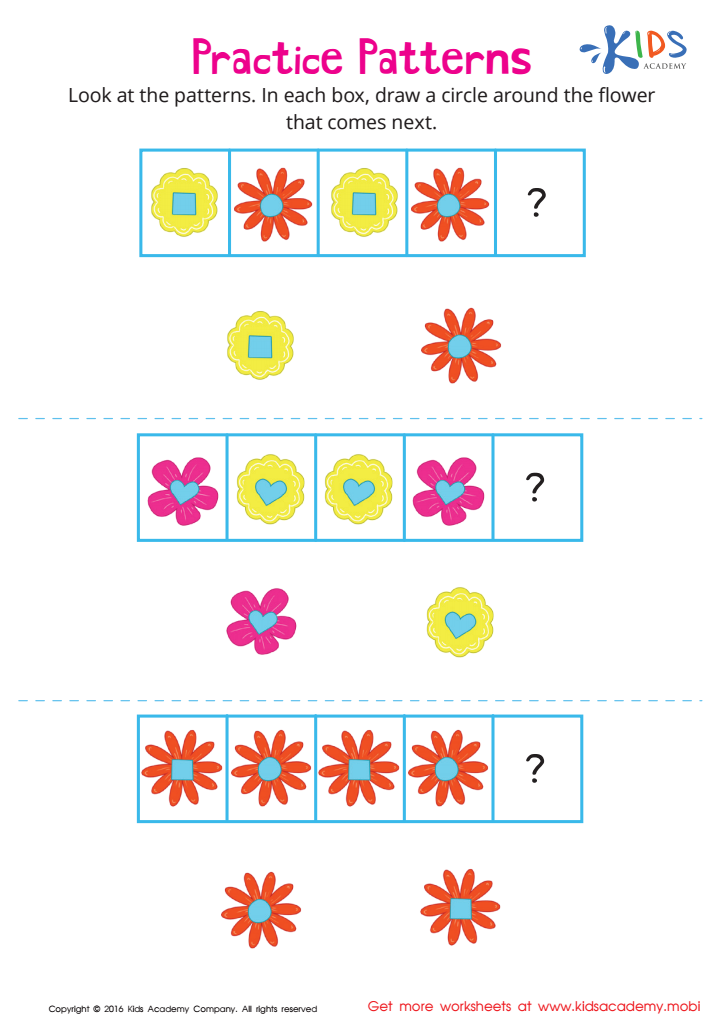
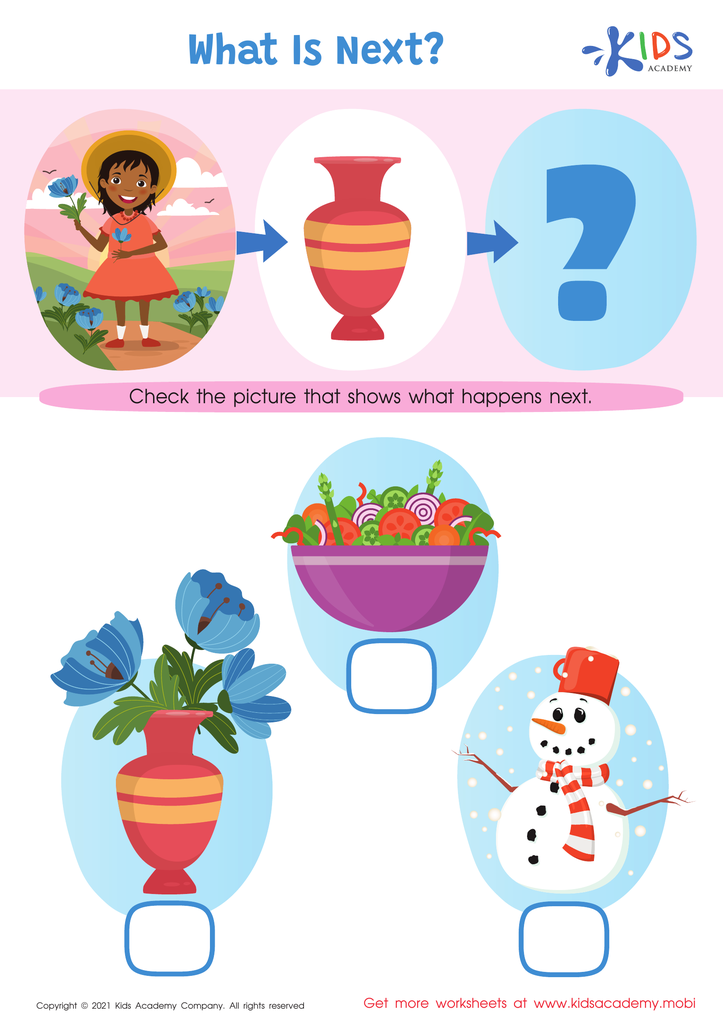
What is Next? Worksheet
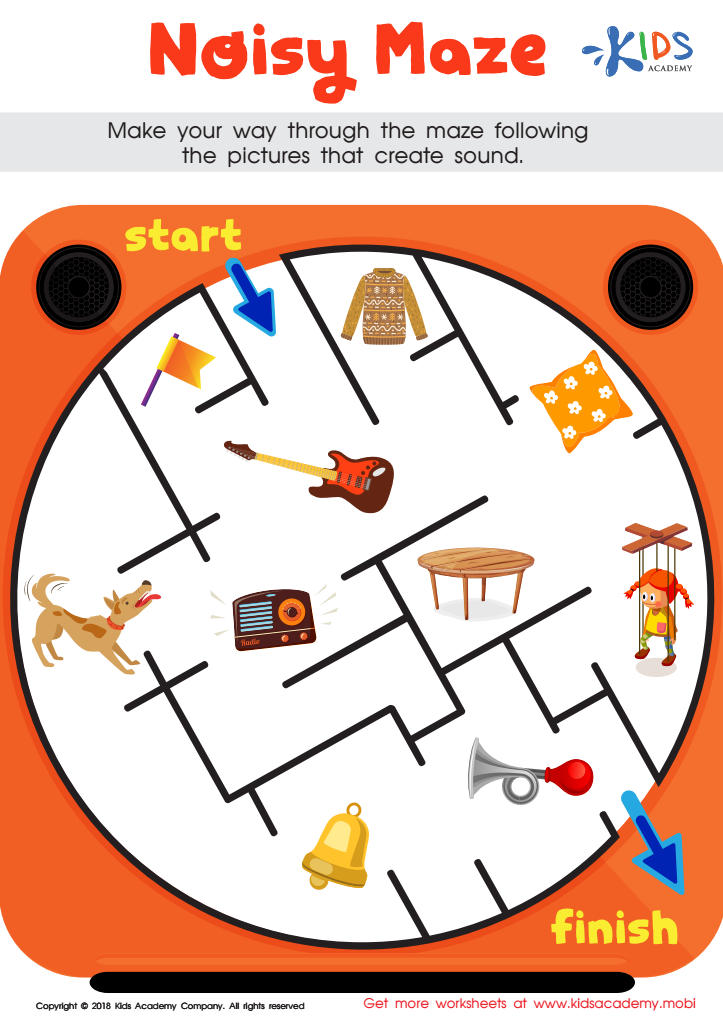
Noisy Maze Worksheet








Logical thinking is a fundamental skill that underpins a child's ability to solve problems, make decisions, and understand the world around them. For children aged 5-7, developing logical thinking is crucial as it lays the groundwork for later academic success and everyday functioning. At this age, children begin to explore patterns, categorize information, and understand cause-and-effect relationships.
Fostering these skills in early education and at home enhances critical thinking, allowing children to navigate challenges creatively. Parents and teachers should care about promoting logical thinking because it helps in building a robust cognitive foundation. Activities that engage children in reasoning—such as puzzles, games, and everyday problem-solving—encourage them to think analytically.
Moreover, nurturing these skills at an early age can improve mathematical reasoning, language development, and even social interactions, as children learn to consider different perspectives. Additionally, logical thinking fosters a sense of curiosity and inquiry, encouraging children to ask questions and seek answers, vital traits for lifelong learning. By prioritizing logical thinking in daily activities, parents and teachers not only support cognitive development but also cultivate confidence and independence in children, equipping them with essential tools for the future.








