Math skills development Worksheets for Ages 5-7
5 filtered results
-
From - To
Discover an engaging collection of math skills development worksheets designed specifically for children aged 5-7. Our material focuses on building foundational math concepts, from counting and addition to simple subtraction and number recognition. Each worksheet is thoughtfully crafted to be visually appealing and interactive, making learning fun for young minds. With varied activities, including puzzles, games, and real-life scenarios, kids will enhance their problem-solving abilities while strengthening their confidence in math. Perfect for home practice or classroom use, these worksheets provide essential practice that aligns with early learning standards. Explore our resources and watch your child become a math whiz!
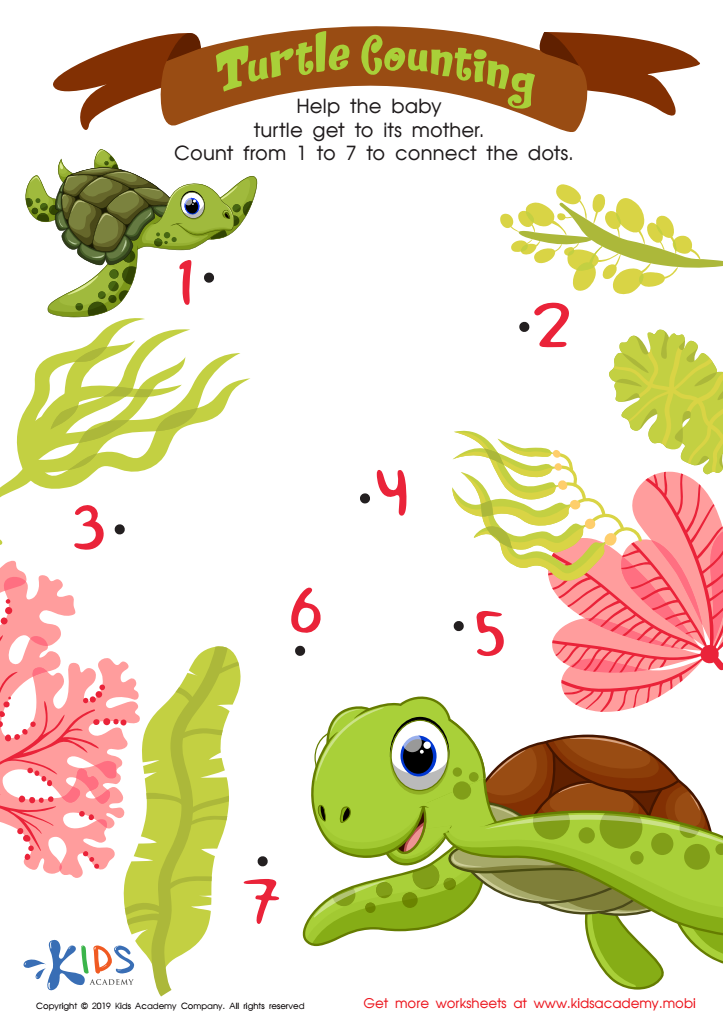
Turtle Counting Worksheet
 Assign to My Students
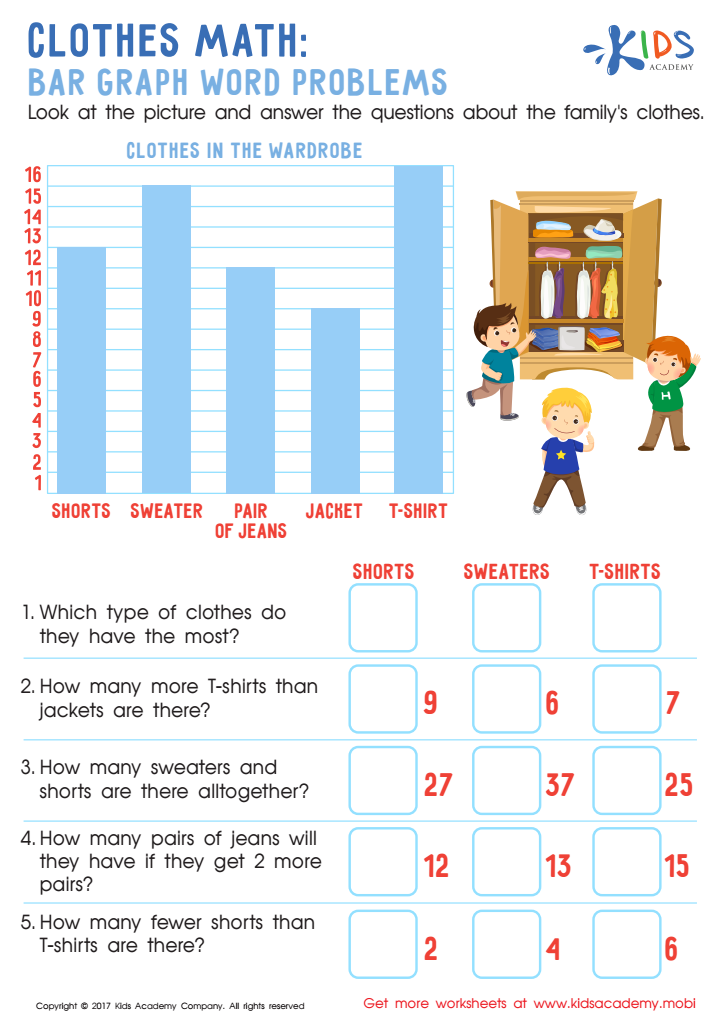
Clothes Math: Bar Graph Word Problems Worksheet
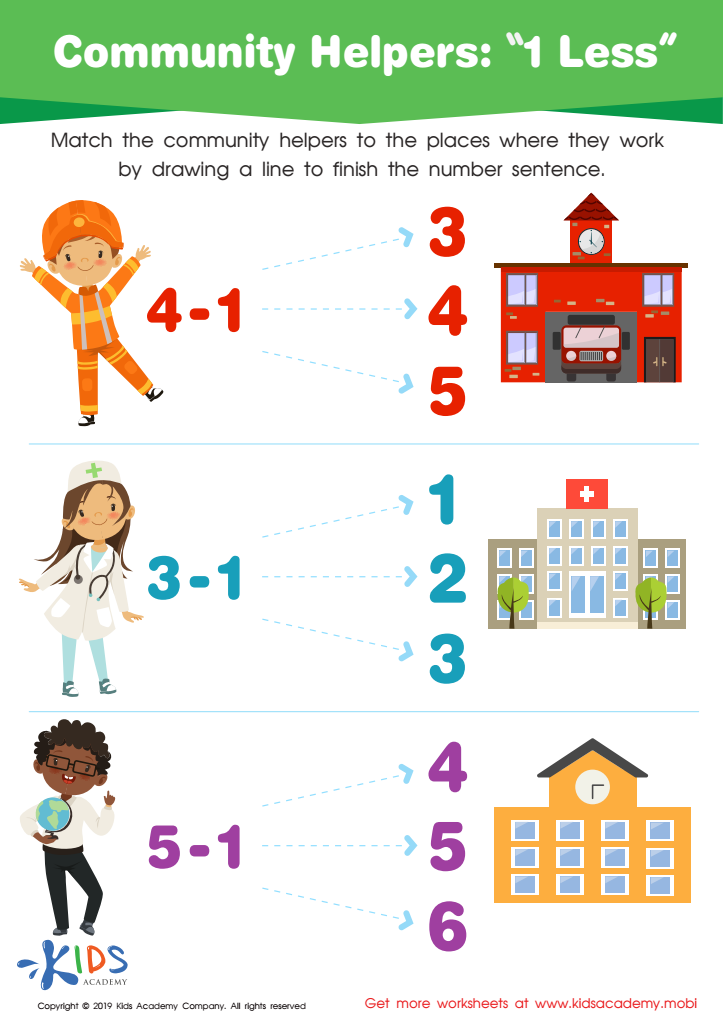
Community Helpers: 1 less Worksheet
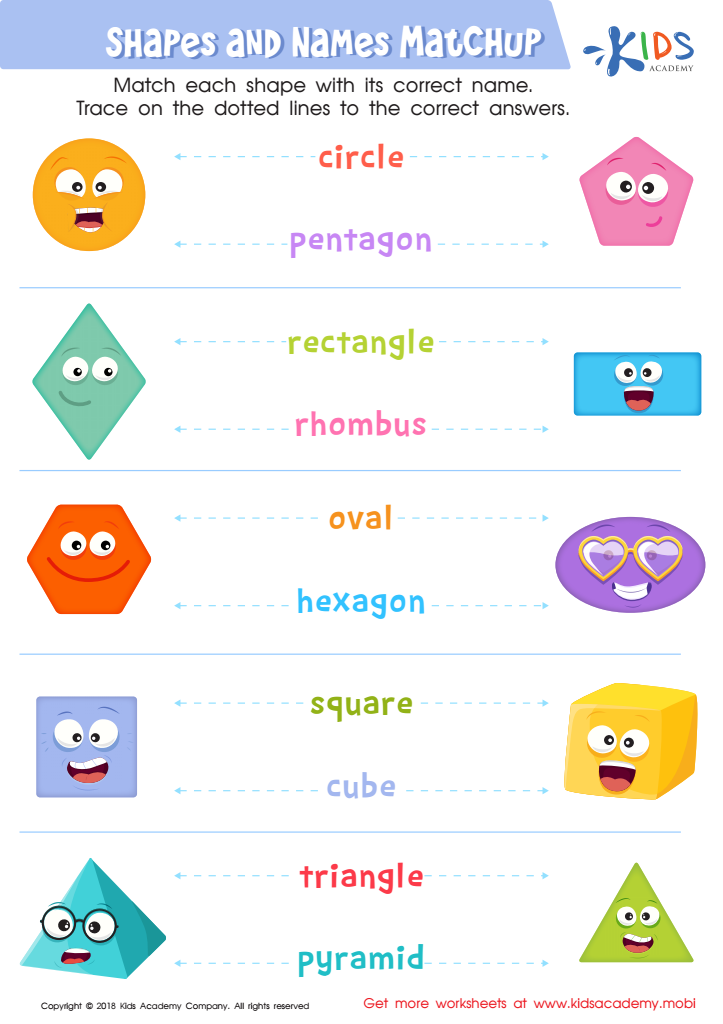
Shapes and Names Matchup Worksheet
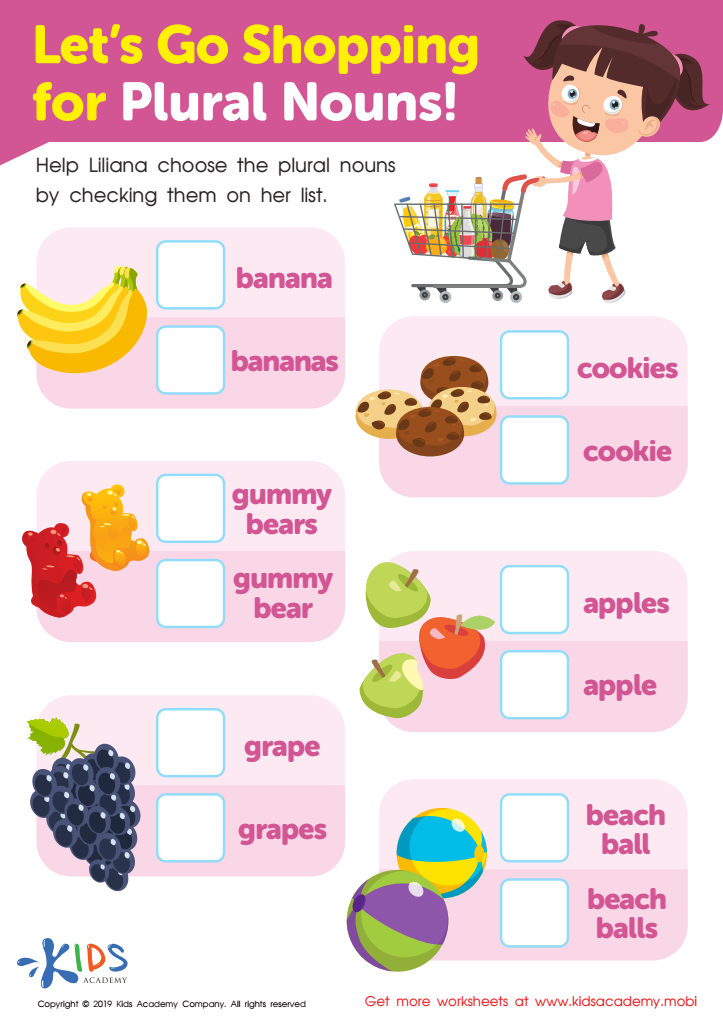
Let's Go Shopping for Plural Nouns! Worksheet


.jpg)





Parents and teachers should prioritize math skills development for children aged 5-7 because this foundational stage is critical for future learning and cognitive growth. At this age, children are naturally curious and eager to explore new concepts, making it an ideal time to introduce mathematical ideas in engaging ways.
Strong math skills foster logical reasoning, problem-solving abilities, and critical thinking. These skills are not only essential for academic success in subjects like science and technology but are also vital for everyday decision-making. For example, understanding basic addition and subtraction helps children navigate shopping, sharing, and other practical scenarios.
Additionally, developing math skills early helps dismantle the negative stereotypes sometimes associated with the subject. It encourages a positive attitude towards math, reducing anxiety that many students may face later in their education. Furthermore, these skills foster self-confidence as children learn to solve problems independently.
Incorporating math into everyday activities, games, and storytelling enhances engagement and retention of information. Ultimately, by nurturing math skills early, parents and teachers equip children with the tools they need to succeed academically, socially, and eventually, professionally. It's an investment in their future that helps lay a strong, adaptable foundation for lifelong learning.








