Mathematical reasoning Worksheets for Ages 5-7 - Page 3
59 filtered results
-
From - To
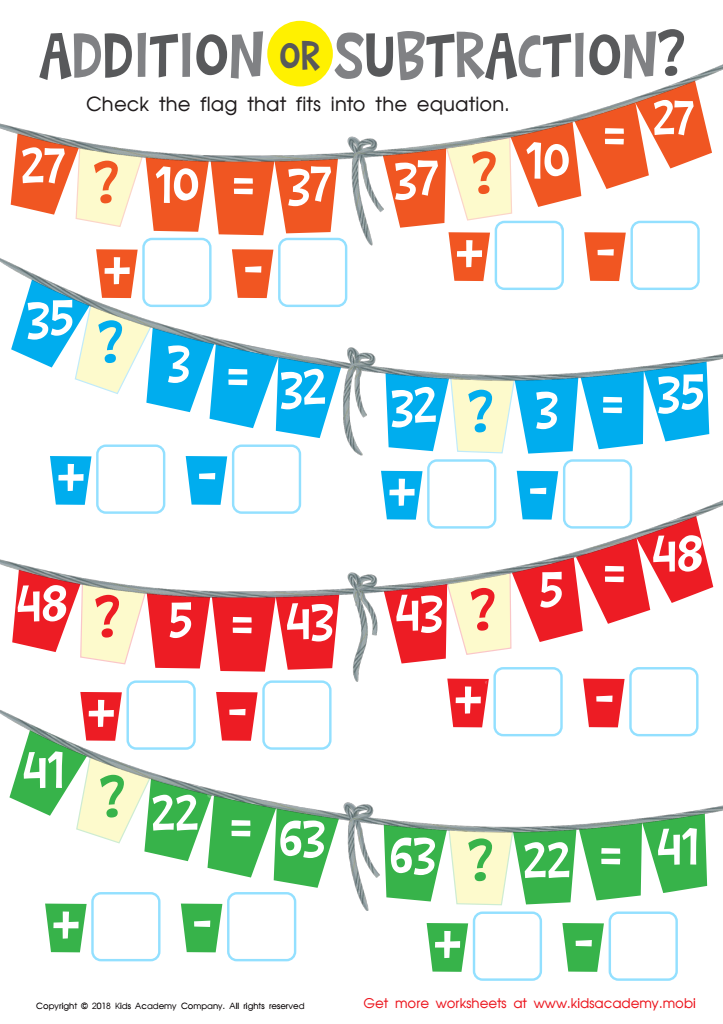
Addition or Subtraction? Worksheet
 Assign to My Students
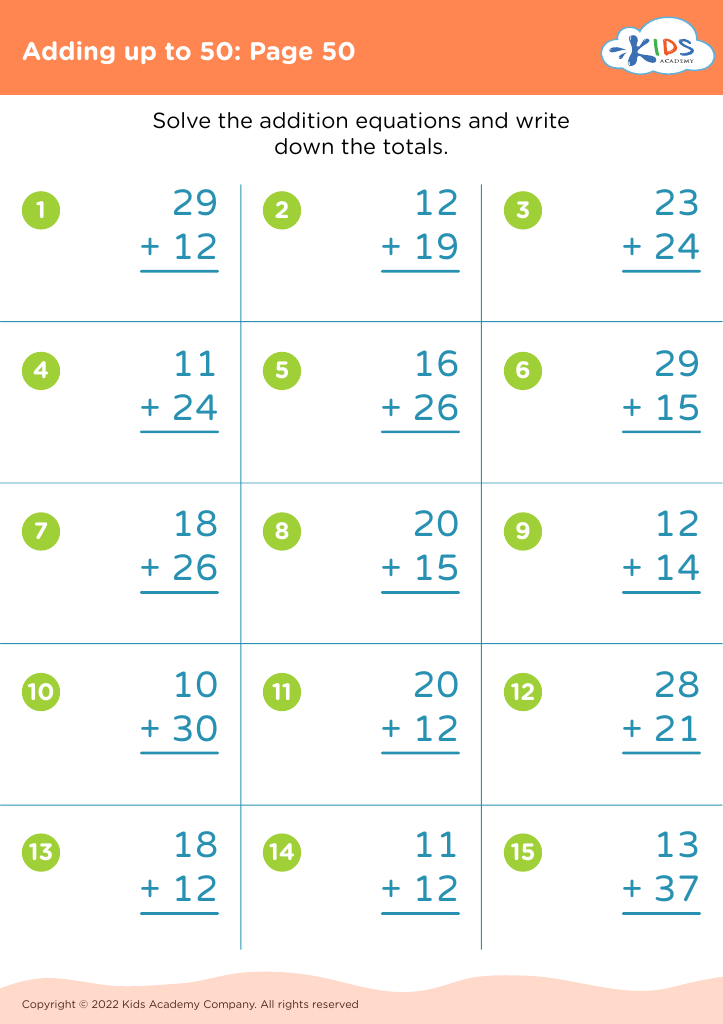
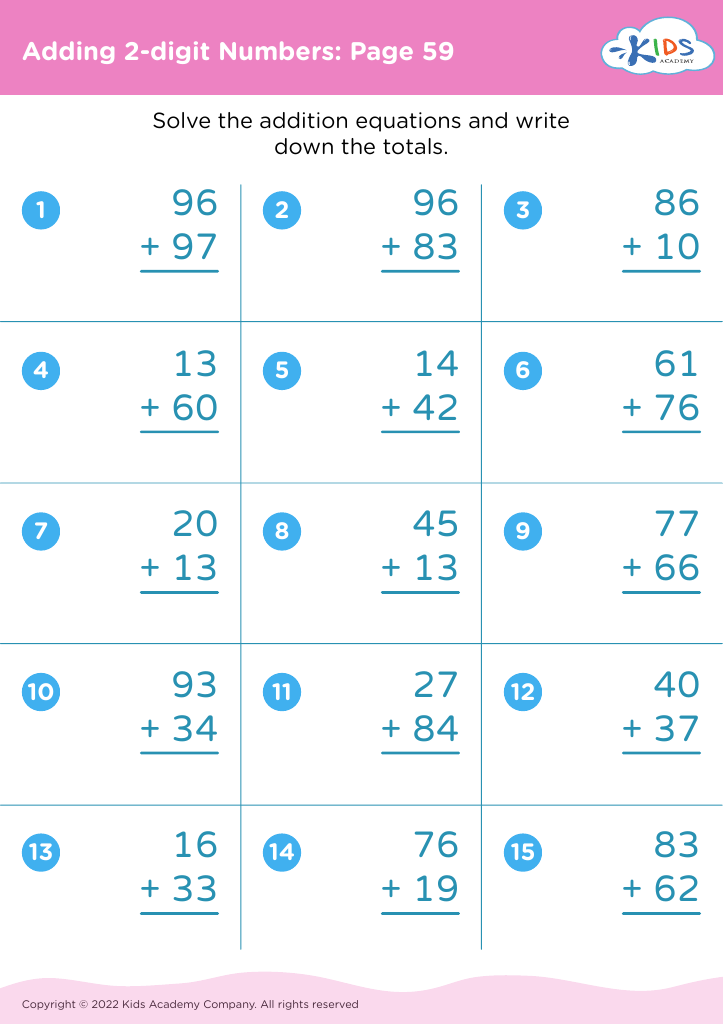
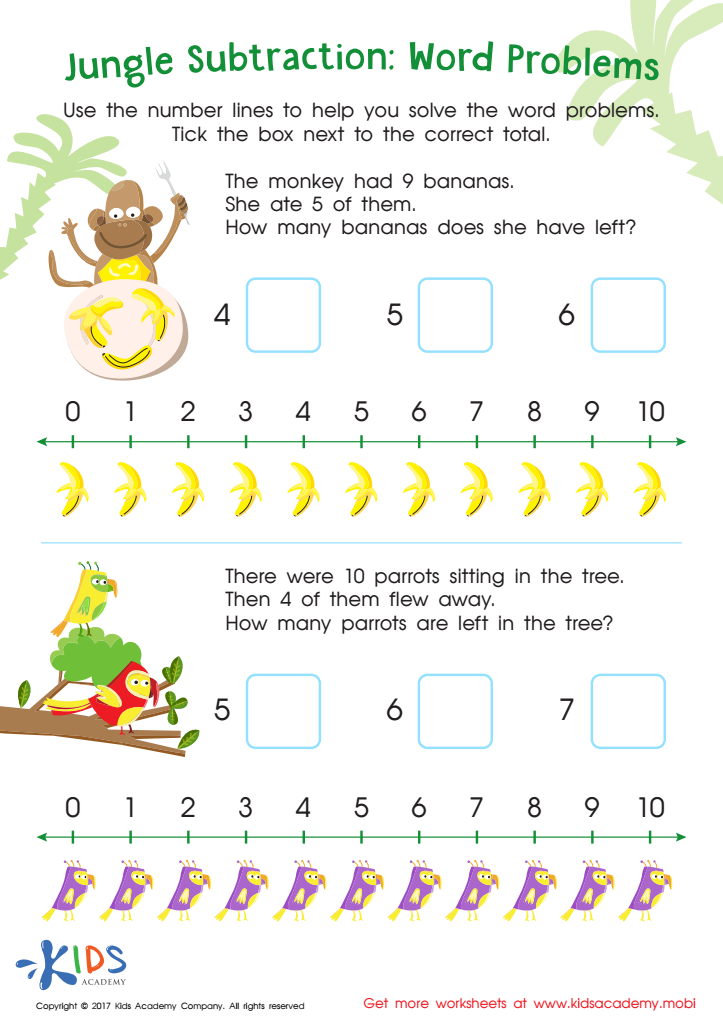
Jungle Subtraction Word Problems Substraction Worksheet






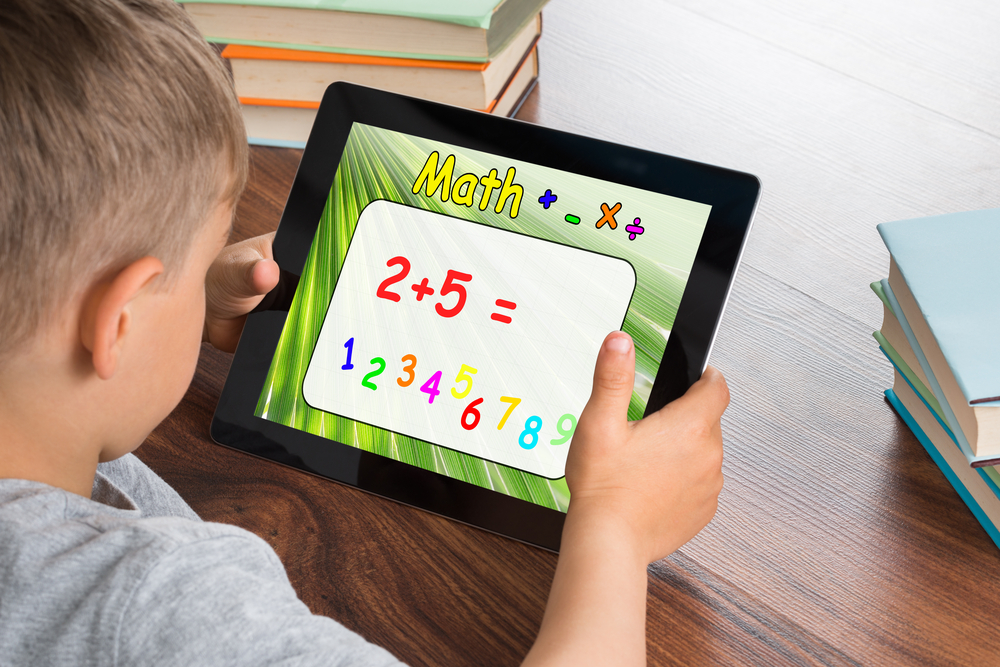

Mathematical reasoning is a crucial skill for children aged 5-7 as it lays the foundation for future learning and everyday life. At this developmental stage, children acquire the ability to think critically and solve problems, which are essential skills not only in math but across various domains. Engaging children in mathematical reasoning helps them understand the concepts behind numbers, patterns, and relationships, encouraging deeper comprehension rather than rote memorization.
For parents and teachers, fostering mathematical reasoning promotes confidence in children as they explore complex ideas. Children learn to approach problems systematically, develop hypotheses, and test their ideas. This analytical thinking nurtured during early education cultivates lifelong learning habits, encouraging curiosity and resilience when facing challenges.
Furthermore, strong mathematical reasoning skills are linked to success in later education and career opportunities. As the world becomes increasingly data-driven, these skills allow children to navigate various real-life situations effectively, from budgeting pocket money to understanding data in the digital age.
Ultimately, by prioritizing mathematical reasoning in young learners, parents and teachers are not just teaching math; they are empowering children to think critically, fostering a growth mindset, and preparing them for a successful future.








