Pattern recognition Worksheets for Ages 5-7 - Page 2
30 filtered results
-
From - To
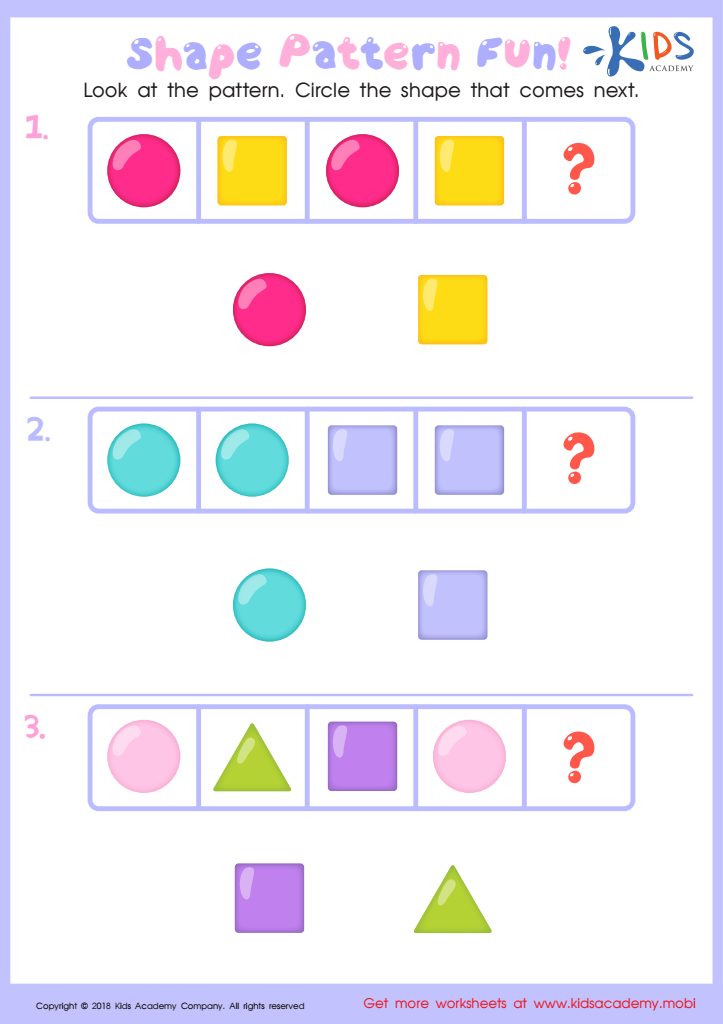
Shape Pattern Fun Worksheet
 Assign to My Students
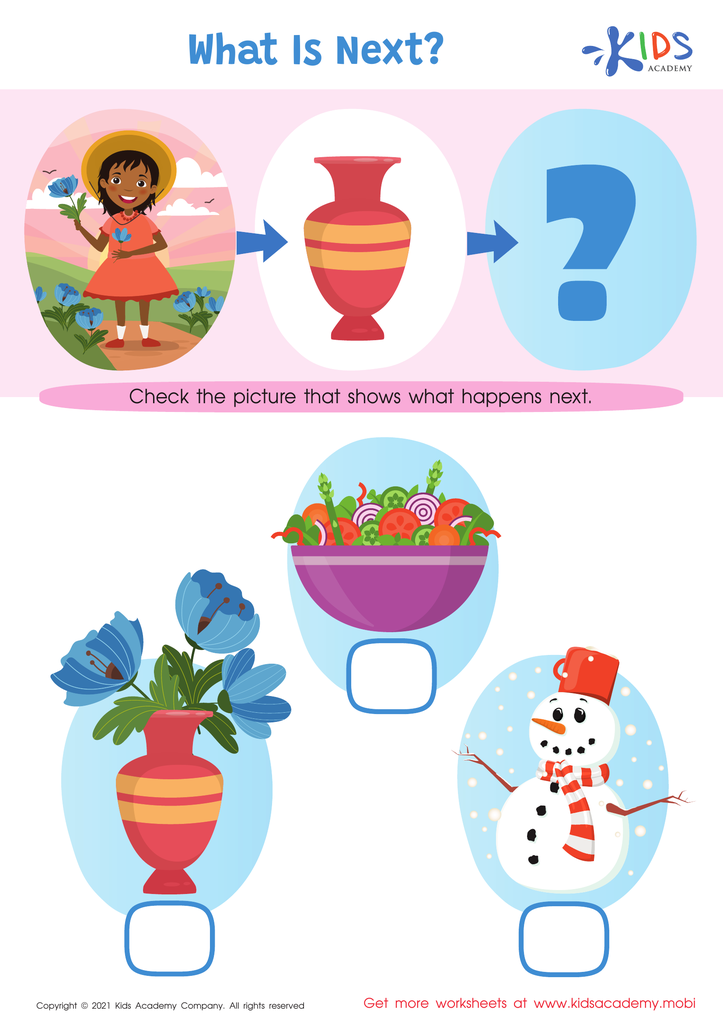
What is Next? Worksheet
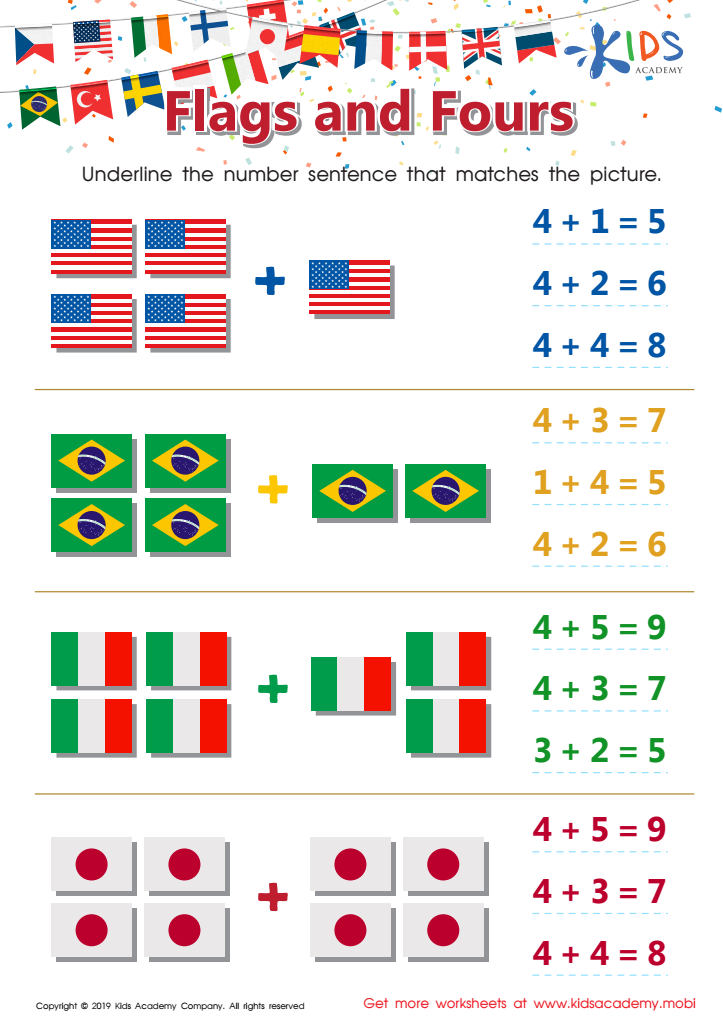
Flags and Fours Worksheet
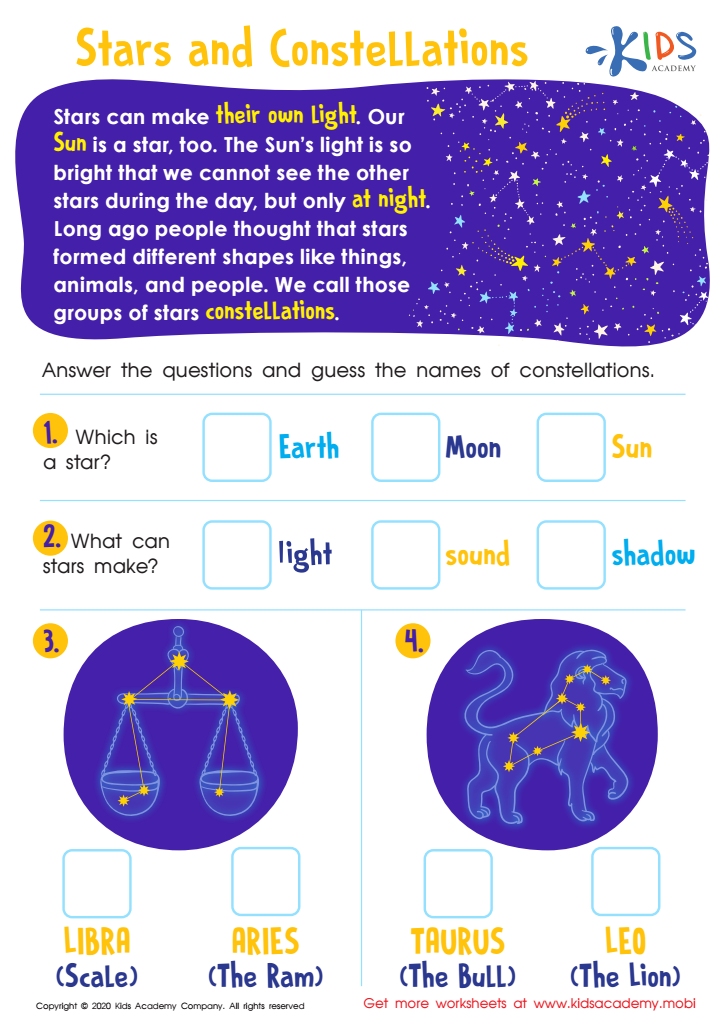
Stars and Constellations Worksheet
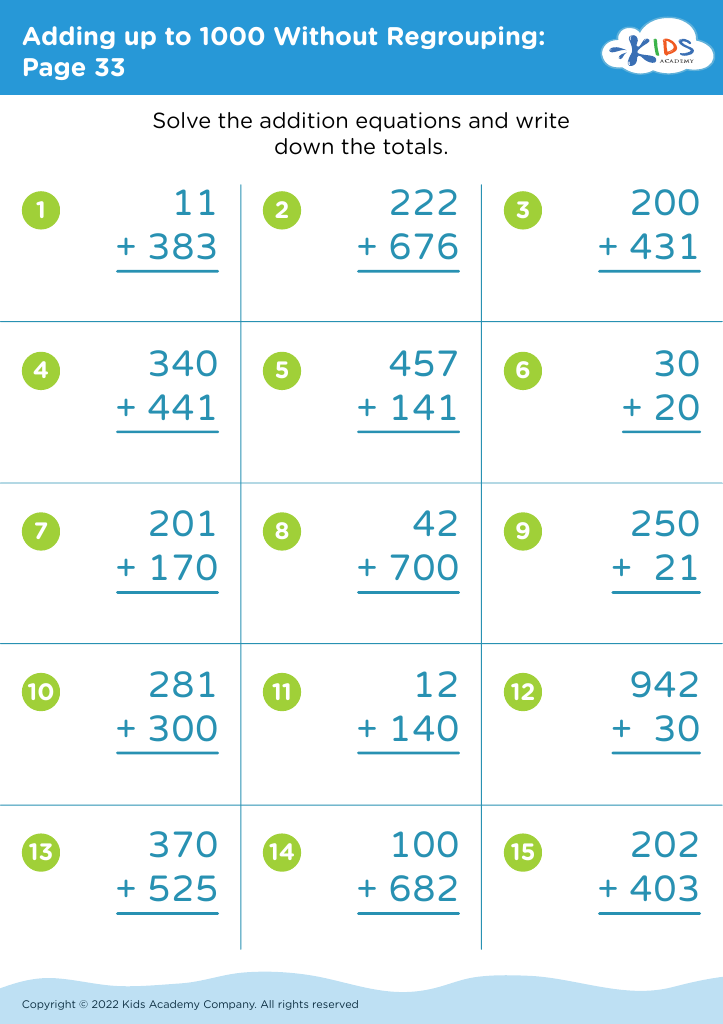
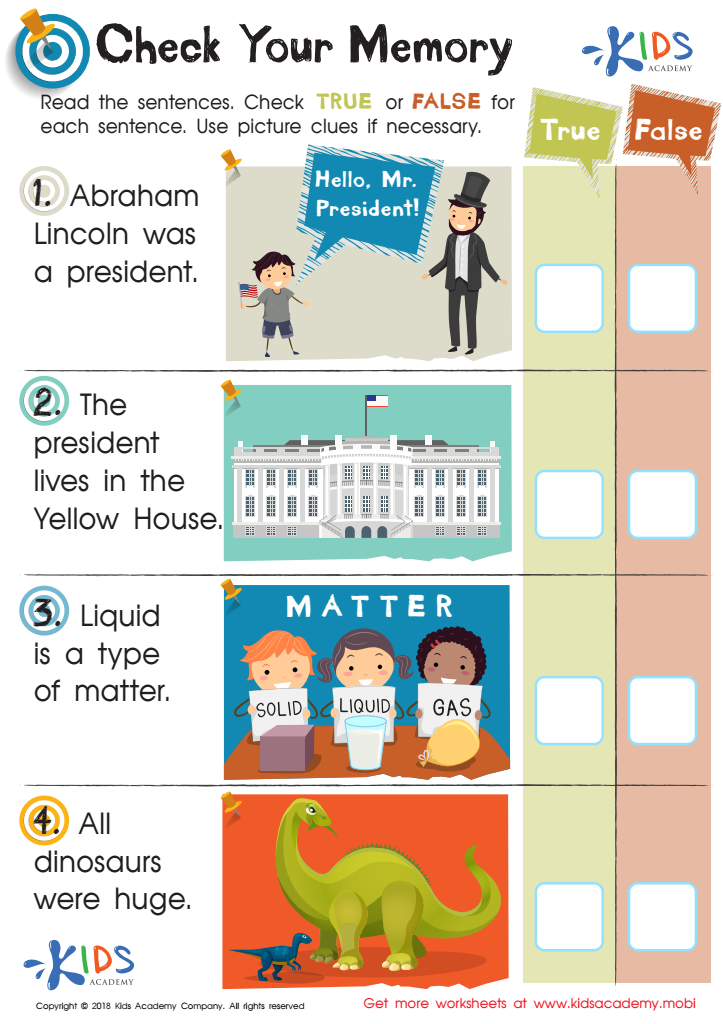
Check Memory Worksheet






Pattern recognition is a foundational skill that plays a crucial role in early childhood education, particularly for children aged 5-7. Understanding patterns helps develop critical cognitive abilities, which are essential for problem-solving and analytical thinking. From recognizing simple sequences in shapes and colors to identifying patterns in nature and daily routines, children enhance their observational skills.
This skill also lays the groundwork for more complex mathematics. Recognizing patterns allows children to grasp concepts like addition, subtraction, and even advanced mathematical operations as they progress. For example, understanding numerical patterns helps in identifying overall trends and making predictions.
Moreover, pattern recognition fosters creativity and imagination. As children learn to identify trends in stories, artwork, or music, they build connections between disparate ideas, prompting innovation.
Parents and teachers should prioritize pattern recognition activities such as puzzles, games, and sorting exercises. Engaging in such activities promotes critical thinking and lays a strong educational foundation. Additionally, it enhances children's confidence and fosters a joyful learning experience. By investing time and resources in pattern recognition, adults can equip children with essential skills necessary for future academic and personal successes.








