Predicting outcomes Worksheets for Ages 5-7
3 filtered results
-
From - To
Explore our engaging Predicting Outcomes Worksheets designed specifically for children ages 5-7. These interactive resources help young learners develop critical thinking skills by encouraging them to make predictions based on images and stories. Each worksheet presents fun scenarios prompting kids to think creatively and logically about possible outcomes. Ideal for classroom activities or at-home learning, these worksheets promote essential skills in reasoning and problem-solving. By practicing with our vibrant, easy-to-use materials, children gain confidence in their abilities while enjoying a rewarding educational experience. Unlock the power of prediction today and foster a love for learning in your little ones!
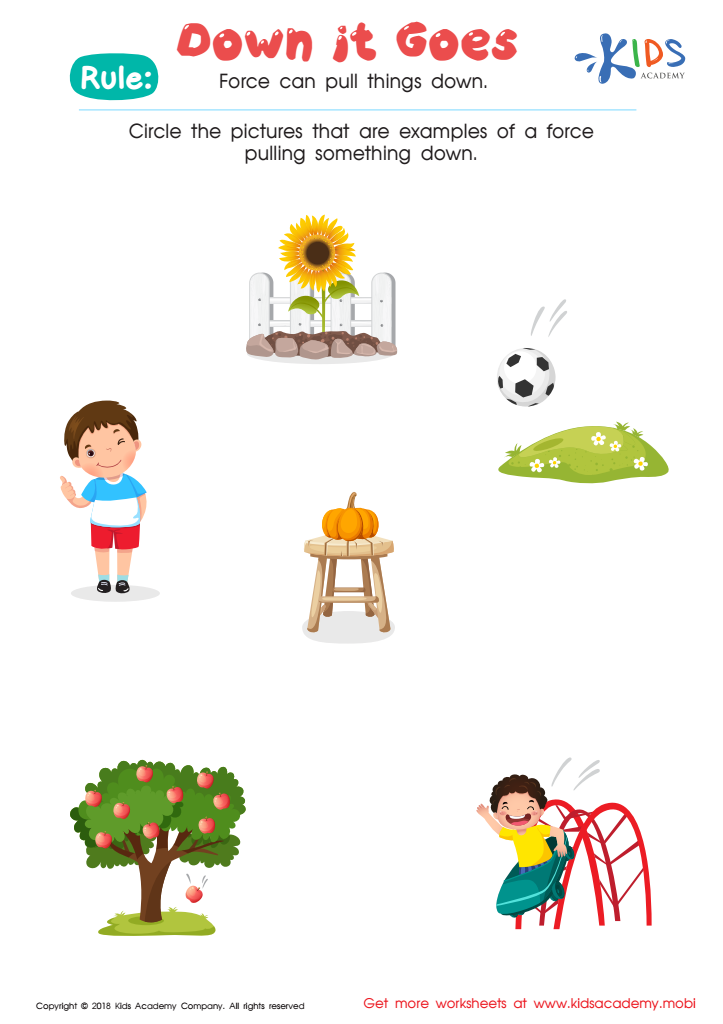
Down it Goes Worksheet
 Assign to My Students
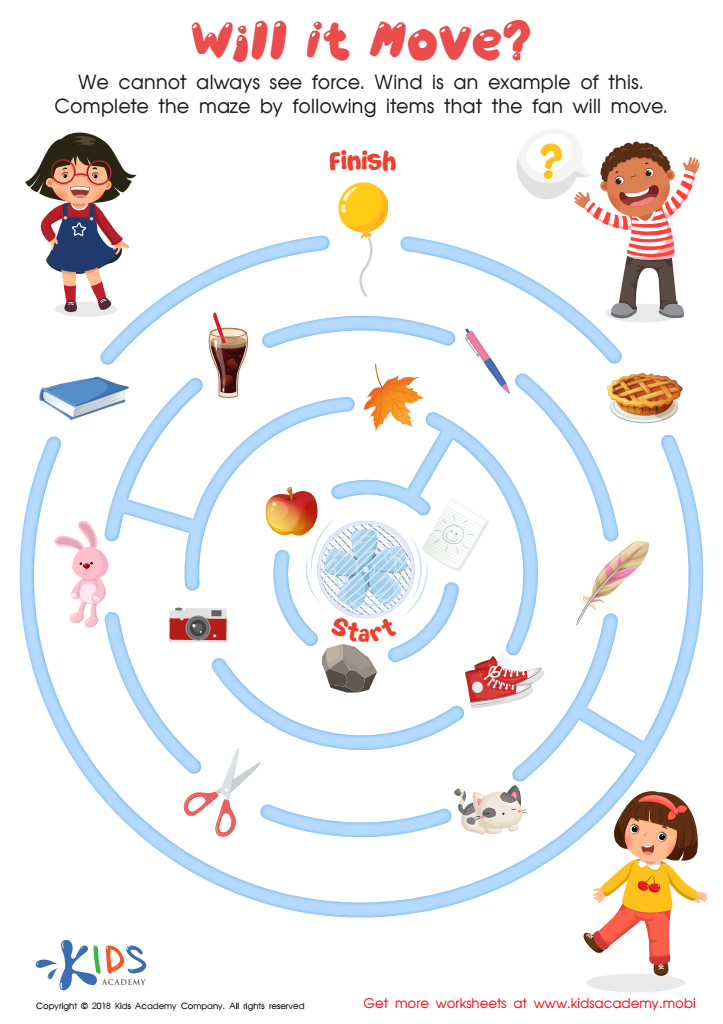
Will it Move? Worksheet

Race Car Ramp Worksheet








Parents and teachers should care about predicting outcomes for children ages 5-7 because this period is critical for developmental milestones that shape lifelong learning. During these early years, children engage in foundational skills such as literacy, numeracy, social interactions, and emotional regulation. By predicting outcomes, educators and parents can identify potential challenges and strengths, allowing for early interventions that promote positive growth.
Understanding each child's trajectory helps tailor support and resources to meet their unique needs. For instance, if a child struggles with language skills, targeted strategies can be implemented to enhance communication and reading abilities. Conversely, recognizing high levels of potential or talent allows for enrichment opportunities that keep advanced learners engaged and motivated.
Additionally, predicting outcomes enables teachers and parents to foster resilience and a growth mindset. When students see that effort leads to improvement, they are more likely to cultivate a passion for learning. Ultimately, this proactive approach not only empowers children to reach their full potential but also strengthens the partnership between educational institutions and families, leading to a more cohesive support system that underlies a child's success in later academic and personal pursuits.








