Problem-solving abilities Worksheets for Ages 5-7 - Page 2
61 filtered results
-
From - To
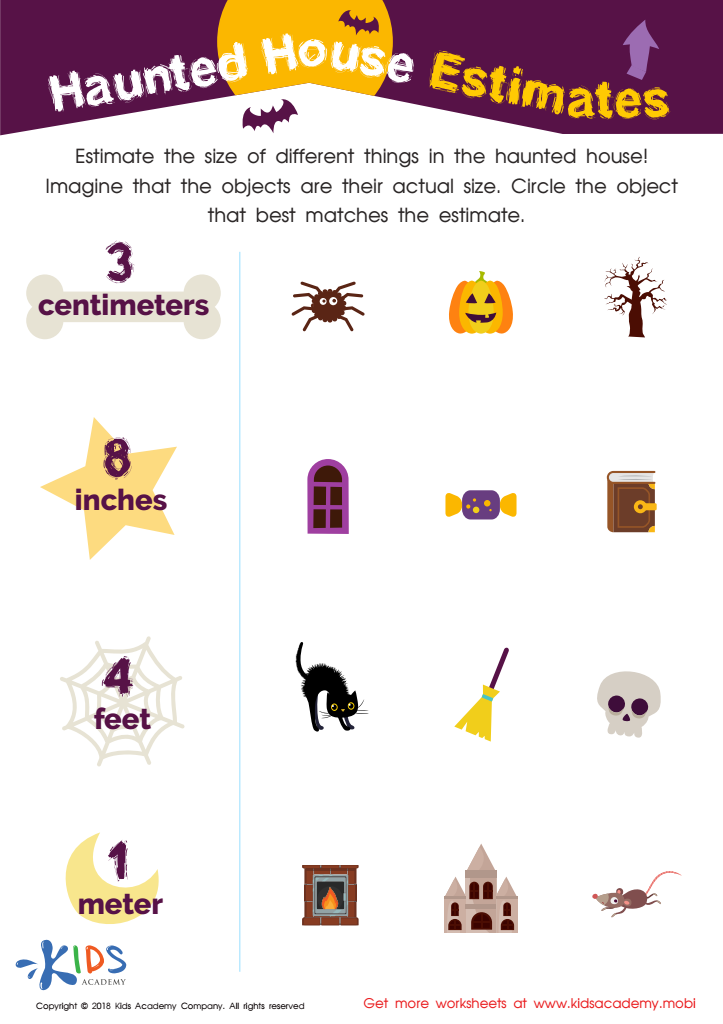
Haunted House Estimates Worksheet
 Assign to My Students
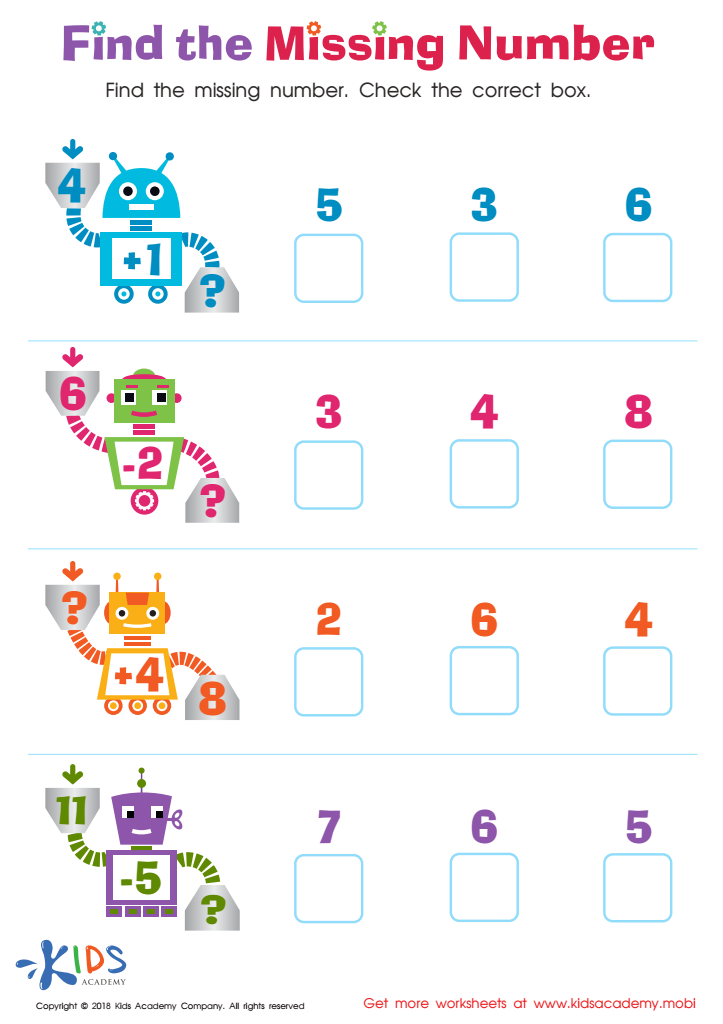
Find the Missing Number Worksheet
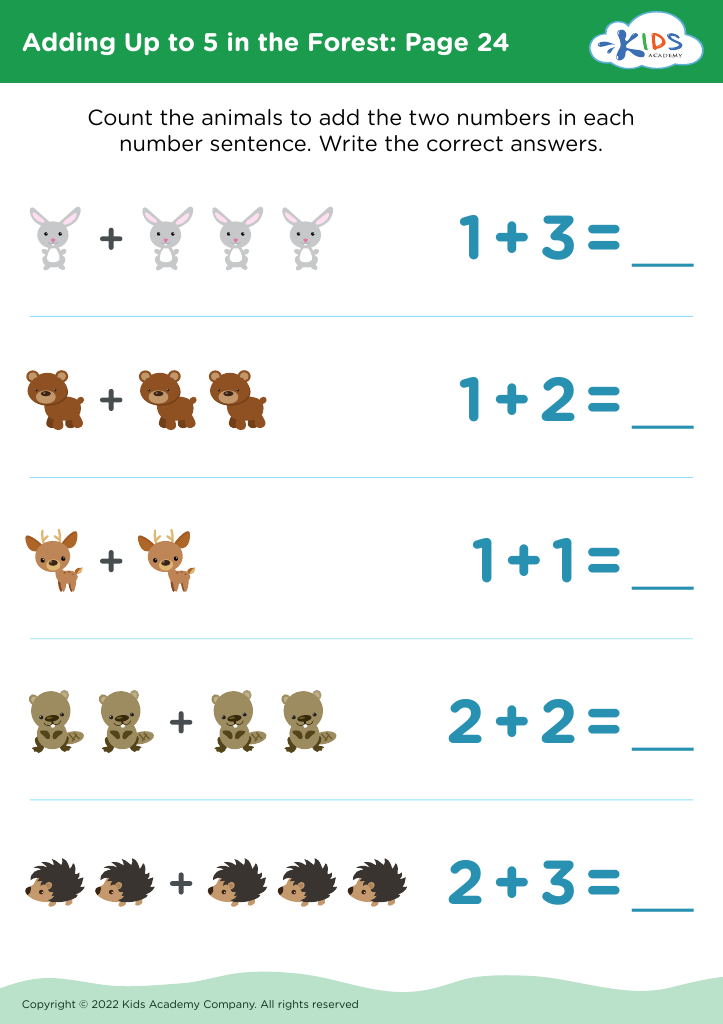
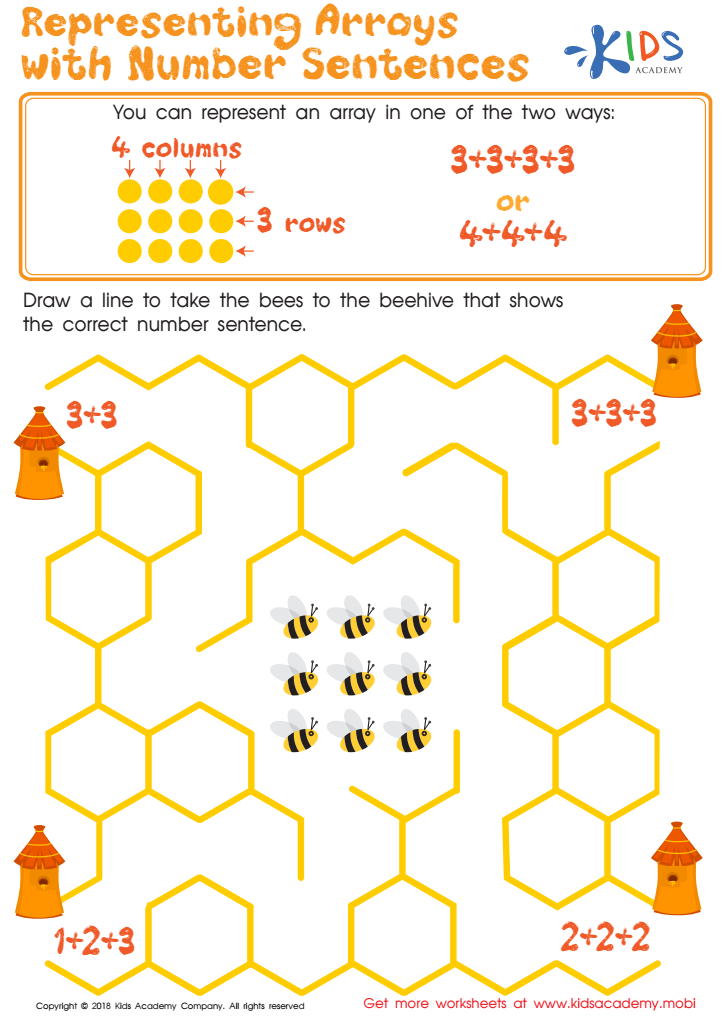
Representing Arrays with Number Sentences Worksheet
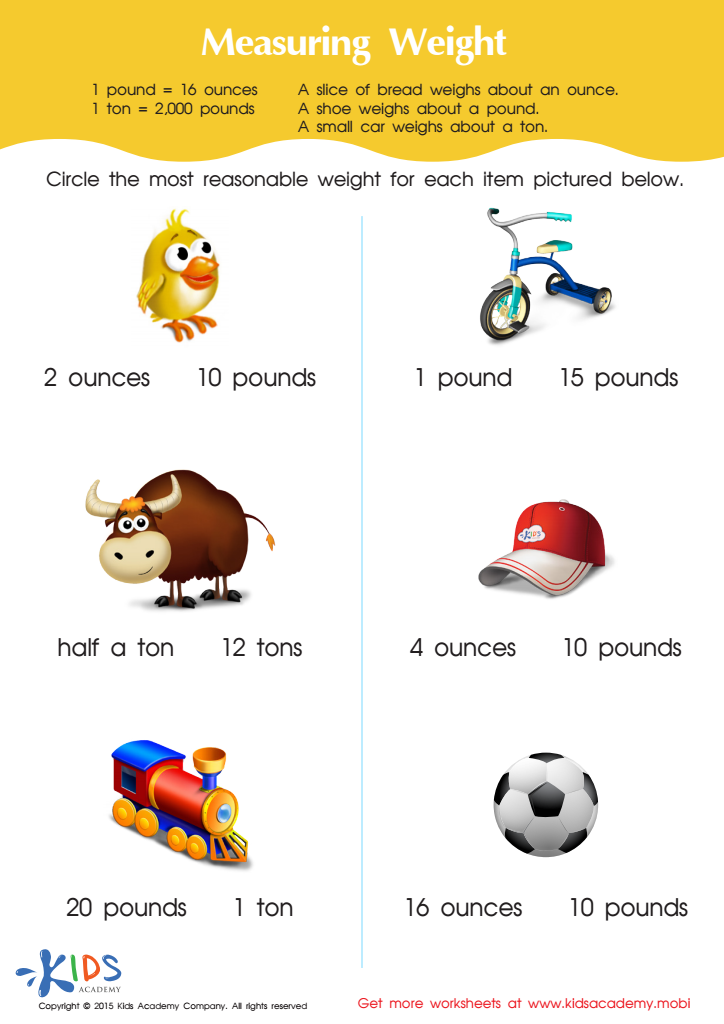
Measuring Weight in Ounces, Pounds and Tons (Part 2) Worksheet
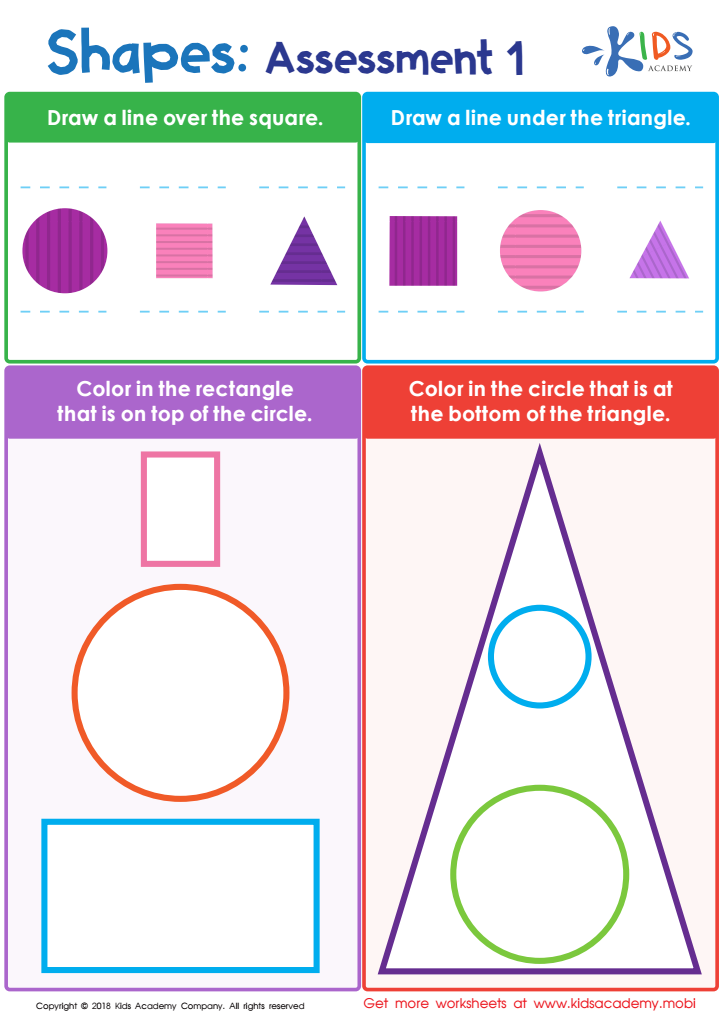
Shapes: Assessment 1 Worksheet
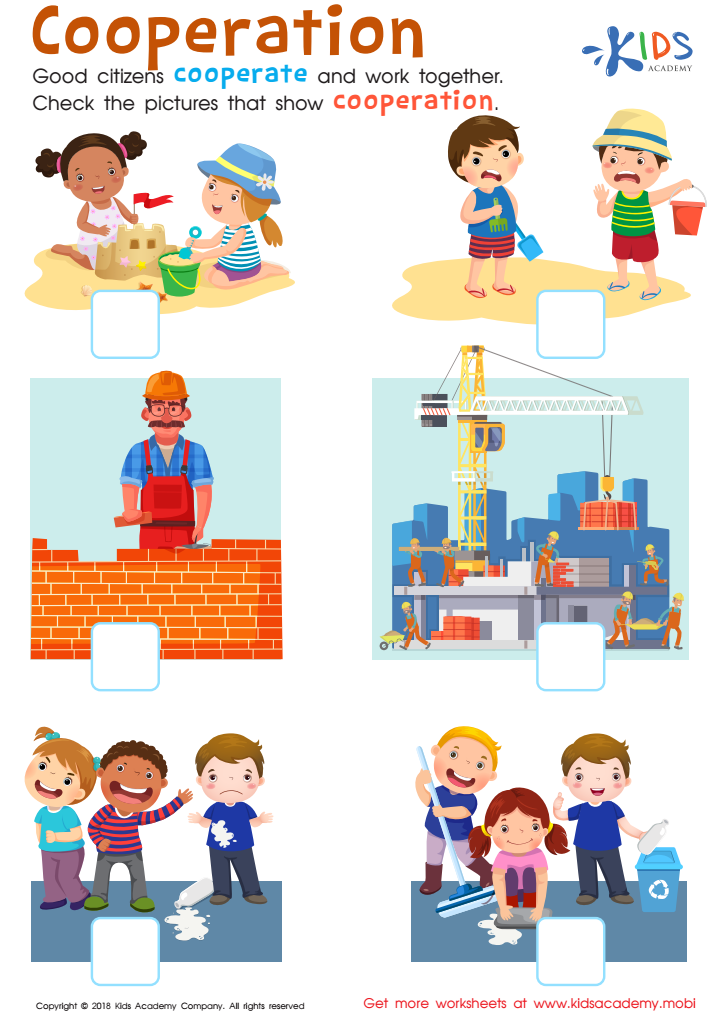
Cooperation Worksheet

Fourth of July Maze Printable
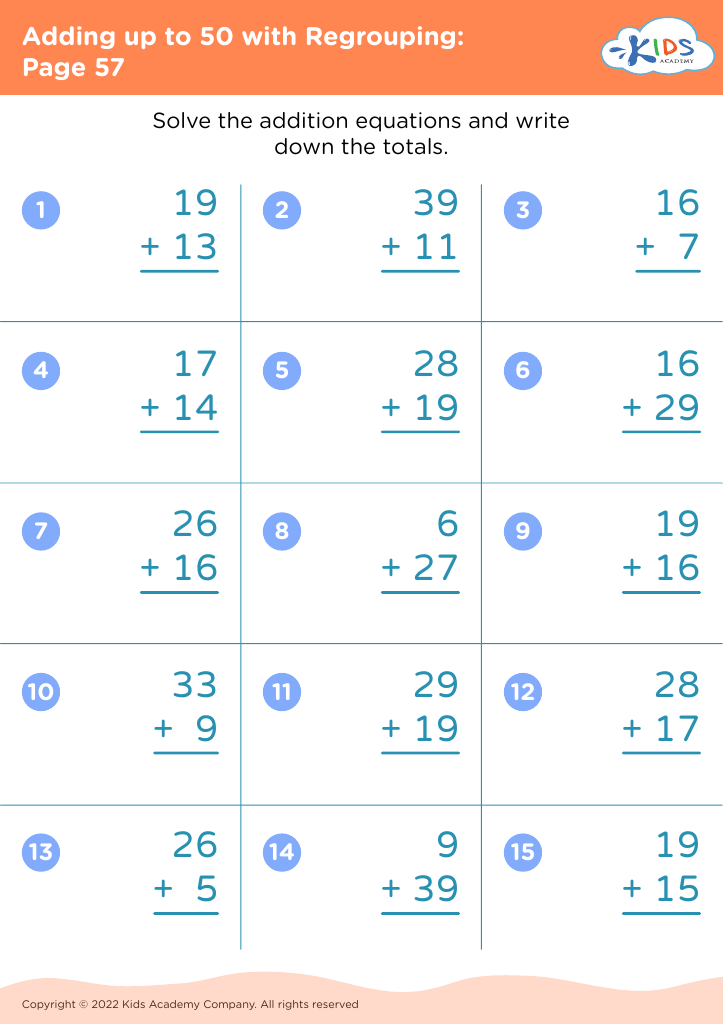
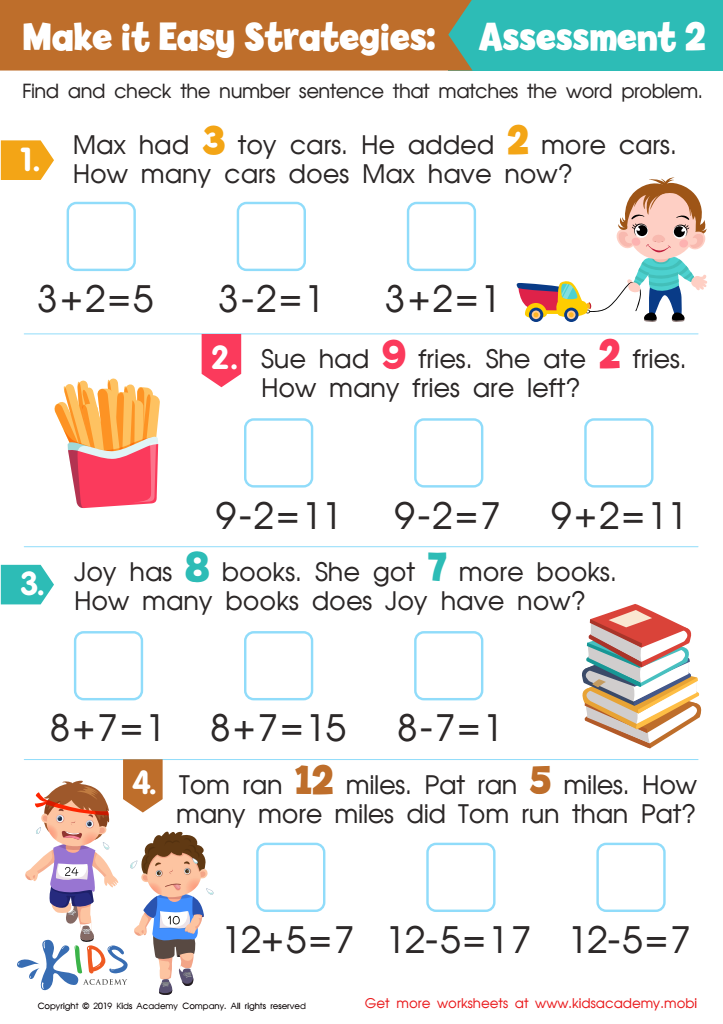
Make it Easy Strategies: Assessment 2 Worksheet
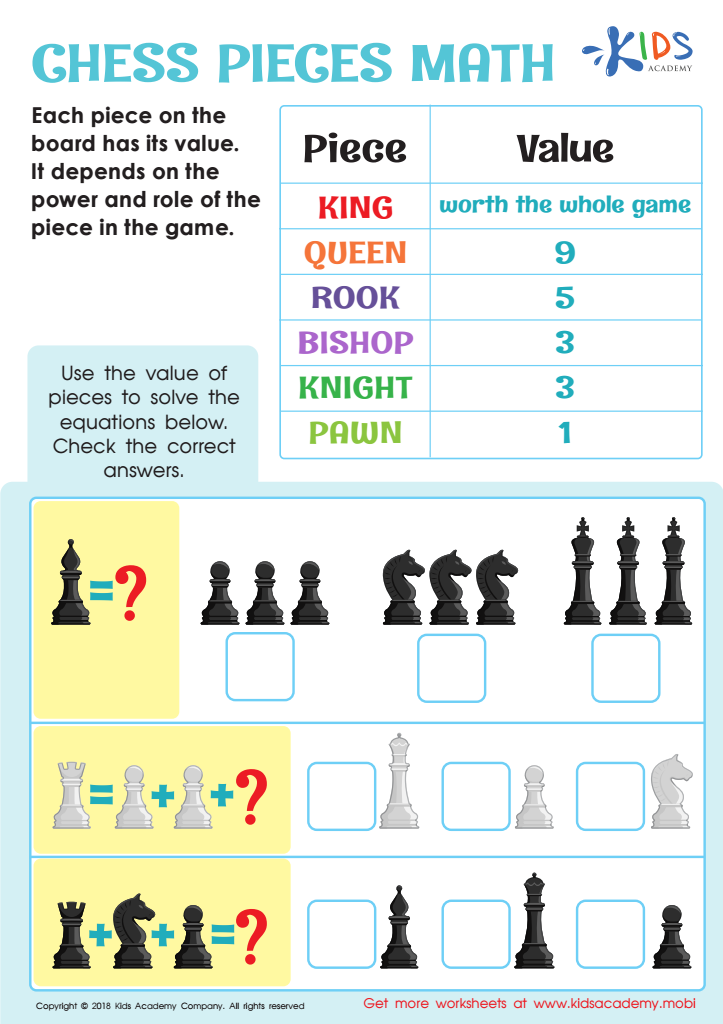
Chess Pieces Math Worksheet
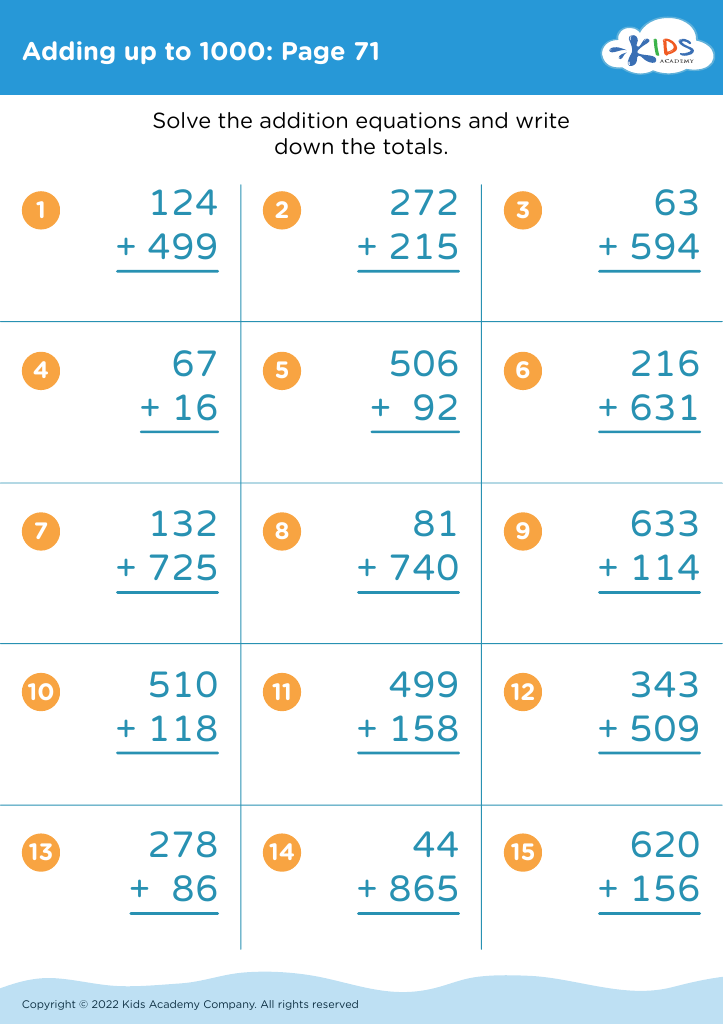
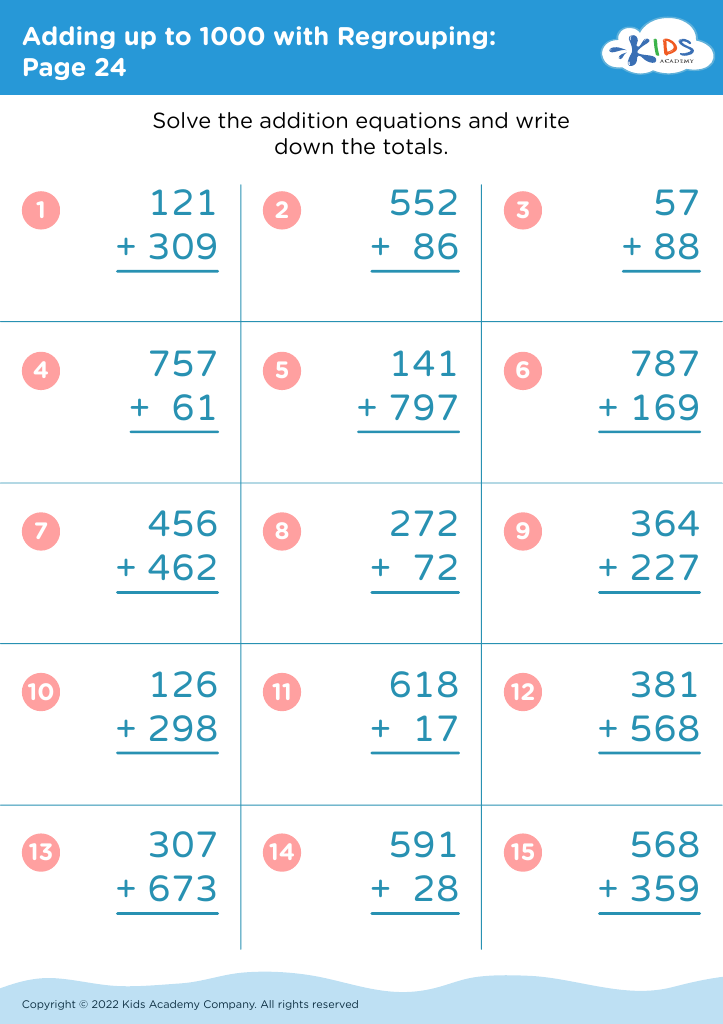
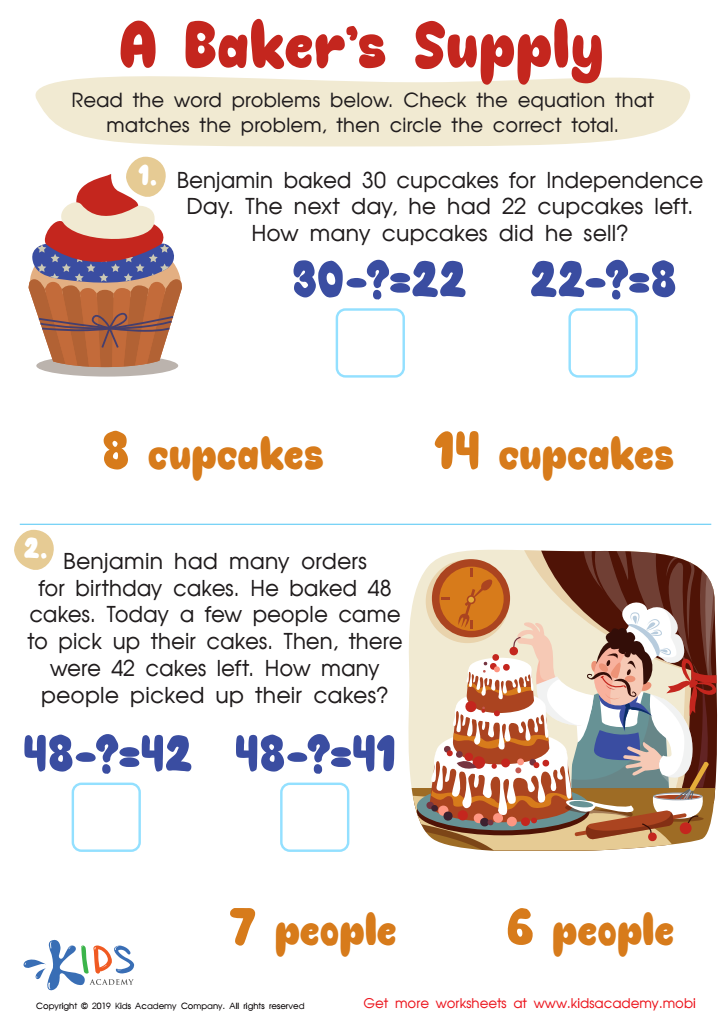
A Baker's Supply Worksheet
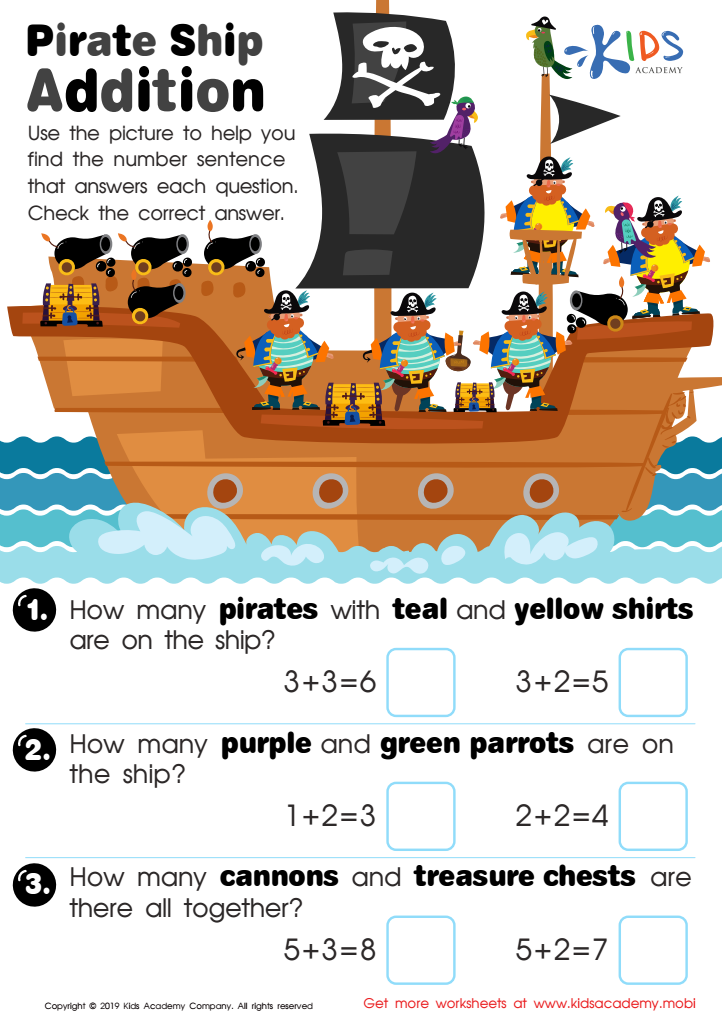
Pirate Ship Addition Worksheet
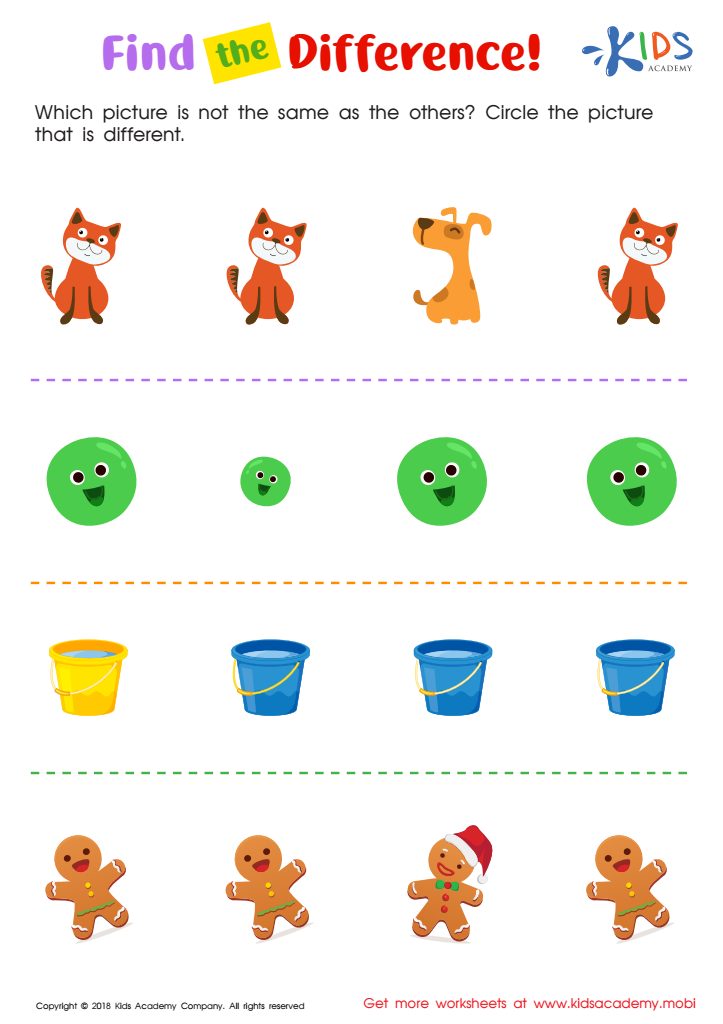
Find the Difference Worksheet
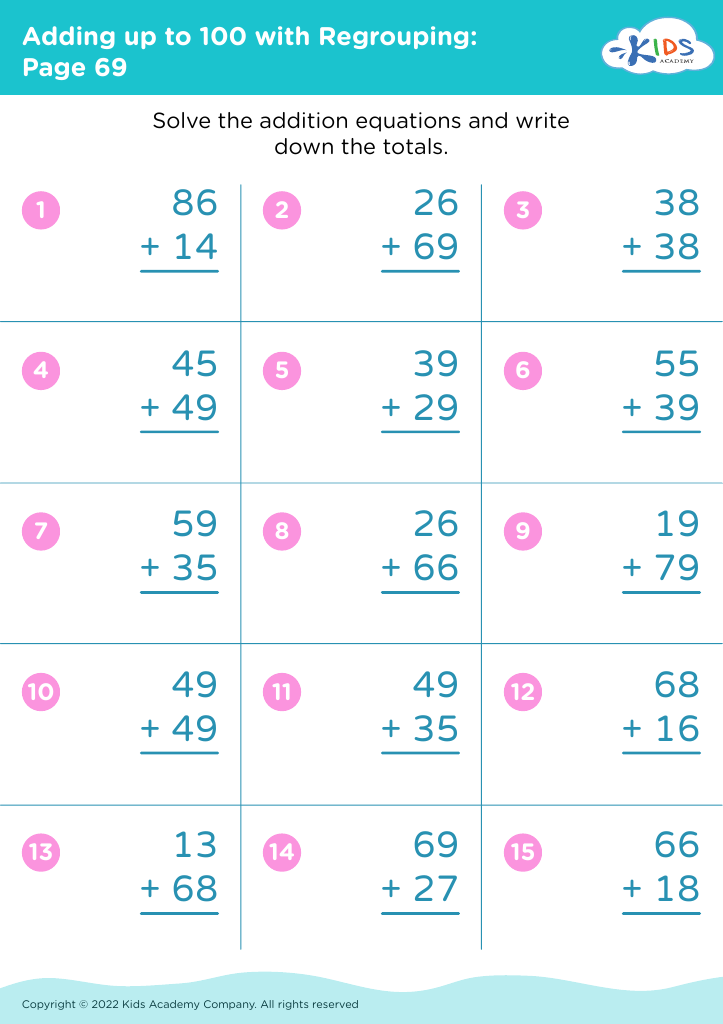
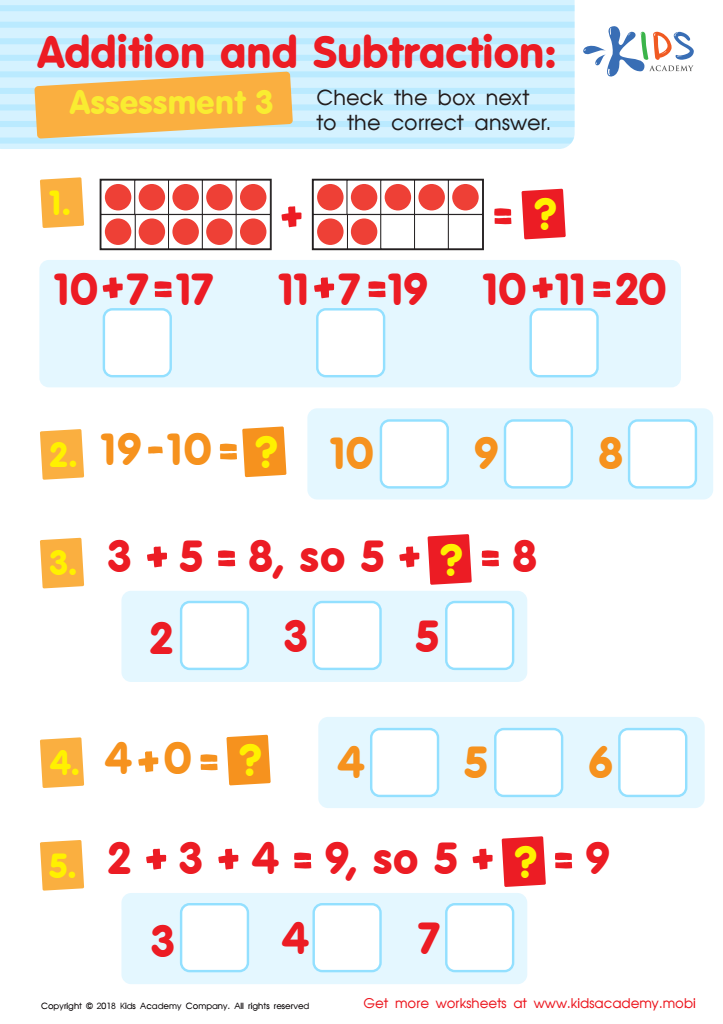
Addition and Subtraction Assessment 3 Worksheet


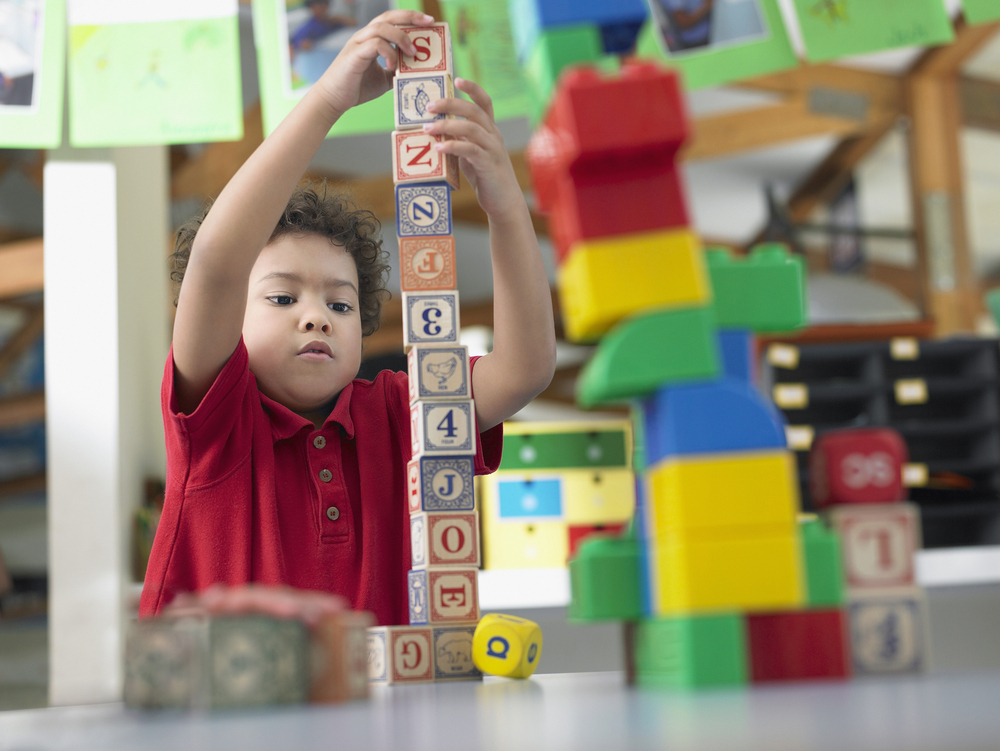




Parents and teachers should care about developing problem-solving abilities in children aged 5-7 because these skills are fundamental to a child’s cognitive and emotional growth. During this crucial developmental stage, children begin to think critically and independently, making it essential to nurture their problem-solving abilities.
Firstly, problem-solving fosters critical thinking skills, enabling children to analyze situations, consider various solutions, and make informed decisions. These skills will be beneficial throughout their lives, in academic settings and real-world challenges.
Moreover, problem-solving encourages creativity and innovation by allowing children to explore multiple approaches to a single challenge. This creative mindset not only helps in school subjects like math and science but also cultivates adaptability—a key trait in an ever-changing world.
Additionally, engaging children in problem-solving activities promotes resilience. Learning to cope with setbacks and persist in finding solutions instills a growth mindset, teaching them that effort can lead to improvement.
Finally, strong problem-solving skills enhance social interactions. Children learn to collaborate, communicate ideas, and understand different perspectives when working with peers. Overall, supporting problem-solving abilities sets the foundation for confident, resourceful, and engaged learners.








