Sequencing events Worksheets for Ages 5-7
5 filtered results
-
From - To
Discover our engaging Sequencing Events Worksheets designed specifically for children aged 5-7! These interactive worksheets help young learners develop essential skills in understanding the order of events, a crucial element in reading comprehension and storytelling. Featuring colorful illustrations and age-appropriate activities, our worksheets encourage critical thinking and enhance cognitive development. Kids will enjoy practicing their sequencing abilities through fun exercises that challenge them to arrange events and complete stories. Perfect for both classroom and home use, these worksheets promote literacy and logic while making learning enjoyable. Start your child's journey to mastering sequencing today with our vibrant, educational resources!
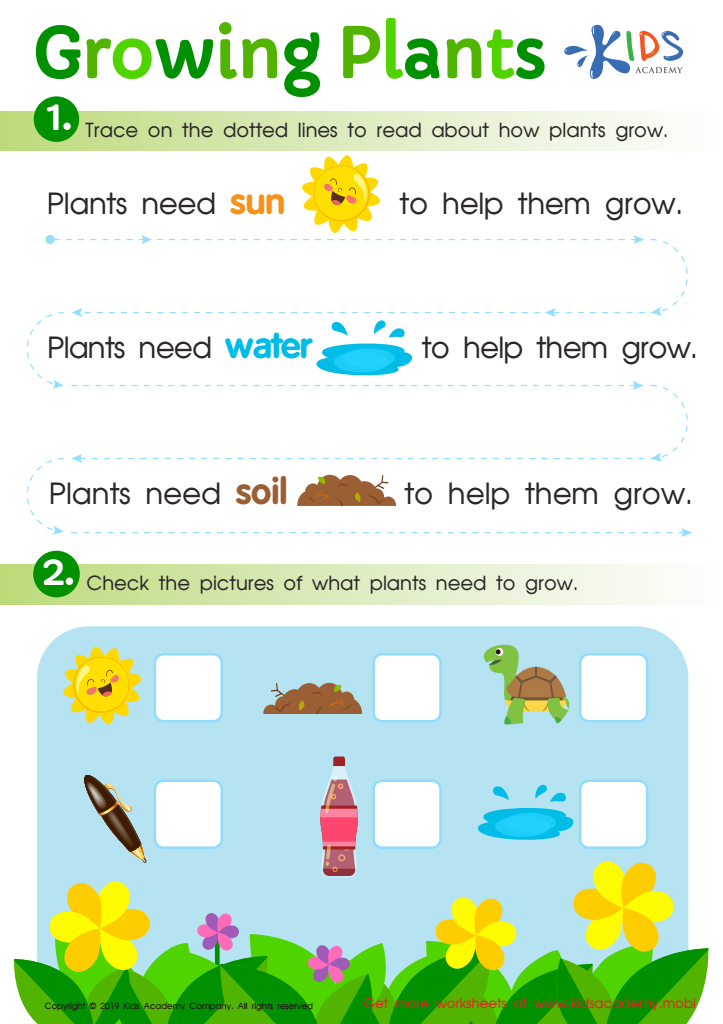
Growing Plants Worksheet
 Assign to My Students
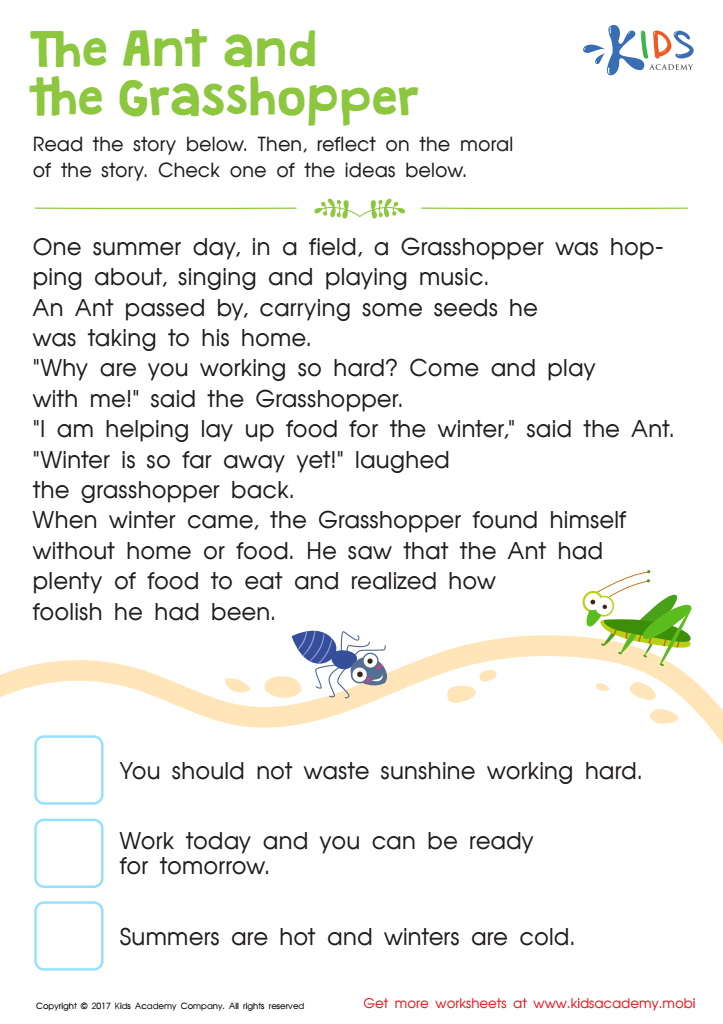
The Ant and The Grasshopper Printable

Emperor Penguin Journey Worksheet
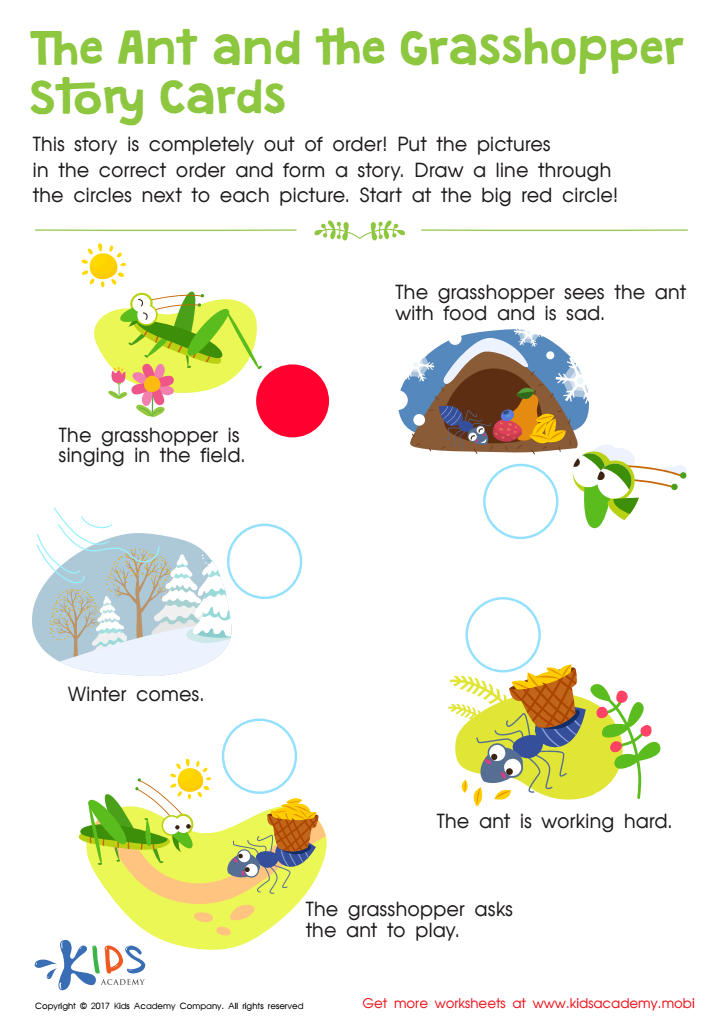
The Ant and The Grasshopper Worksheet
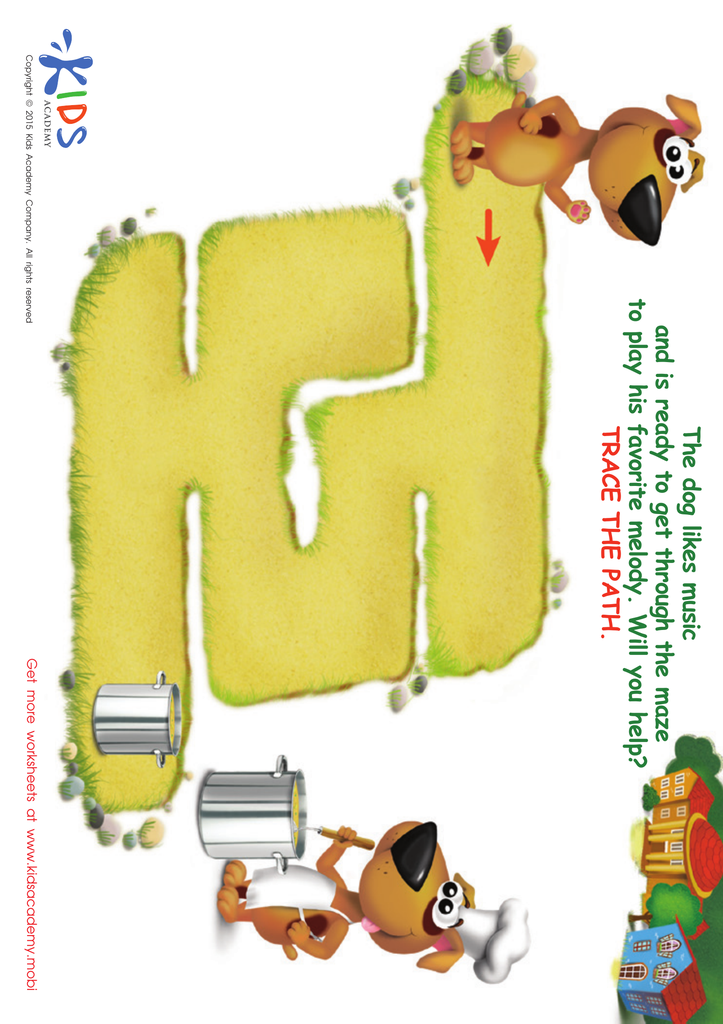
Cook Maze Worksheet








Sequencing events is a vital skill for children ages 5-7, significantly impacting their cognitive and literacy development. Teaching children how to sequence events helps them understand the flow of stories and everyday actions, which is crucial for comprehension. When children learn to arrange events in chronological order, they enhance their memory and recall abilities. This skill aids in recognizing the structure of narratives, helping them to predict outcomes and make connections between different parts of a story.
For parents and teachers, promoting sequencing skills can enrich a child's learning experience. It encourages critical thinking as children learn to analyze the relationship between events, identify cause and effect, and draw conclusions. Practicing sequencing through stories, visual aids, and hands-on activities instills a sense of organization and logical reasoning.
Moreover, sequencing reinforces language development, as children learn new vocabulary and concepts associated with order and time. By nurturing these skills at an early age, parents and teachers set the foundation for more complex literacy and problem-solving abilities, which are essential for future academic success. Engaging in sequencing activities fosters communication skills, promoting effective expression as children share their narratives with others.








