Filters

132 filtered results

Clear all filters
Favorites
With answer key
Interactive

132 filtered results

Difficulty Level

Grade


Check out this FREE "Shape Recognition" Trial Lesson for age 5-7!

Making a Whole

Favorites
With answer key
Interactive
  • 5-7
  • Shape Recognition
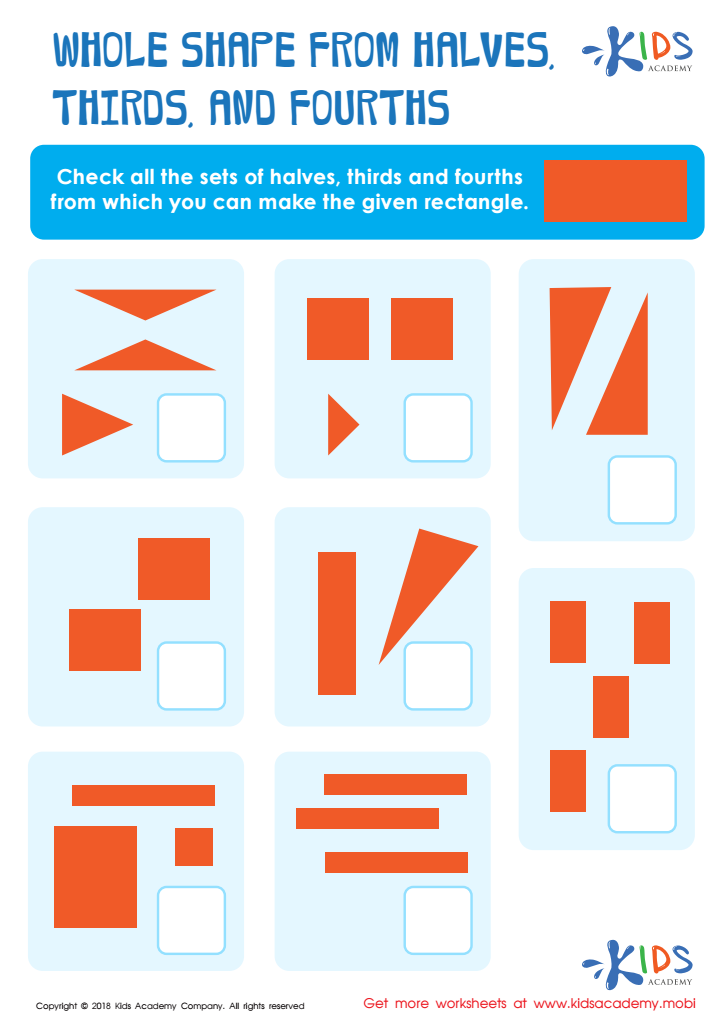
Whole Shape from Halves, Thirds and Fourths Worksheet

Whole Shape from Halves, Thirds and Fourths Worksheet

Explain to your students that they can make a new shape by combining halves, thirds, and fourths of a shape. Show them the worksheet with the rectangle at the top and ask them to find which sets of halves, thirds, and fourths make it. Have them check all the correct sets.
Whole Shape from Halves, Thirds and Fourths Worksheet
Worksheet
Dot to Dot Worksheets 11 to 20

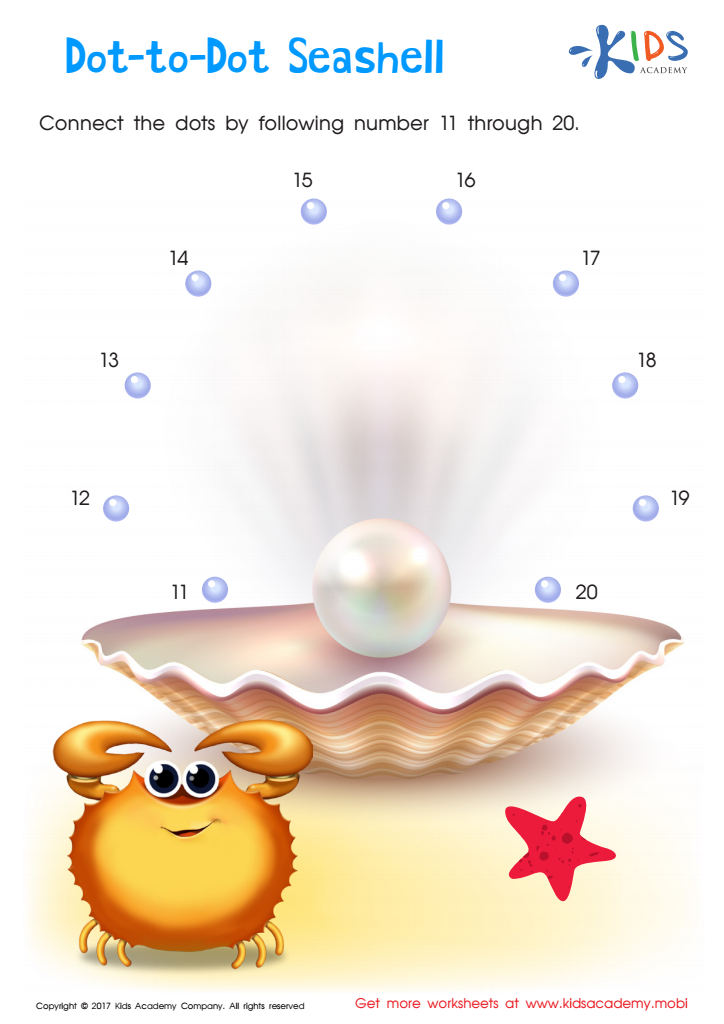
Ordering 11–20: Dot–to–dot Seashell Printable
Connecting the dots 11 to 20 is rewarding for kids, helping them practice counting, identifying numbers and gain cognitive and logical skills. Our worksheet features a vibrant image of a seashell, crab and sea star, and your child will feel rewarded creating it while honing their counting skills!
Ordering 11–20: Dot–to–dot Seashell Printable
Worksheet
Construction Shapes Worksheet

Construction Shapes Worksheet

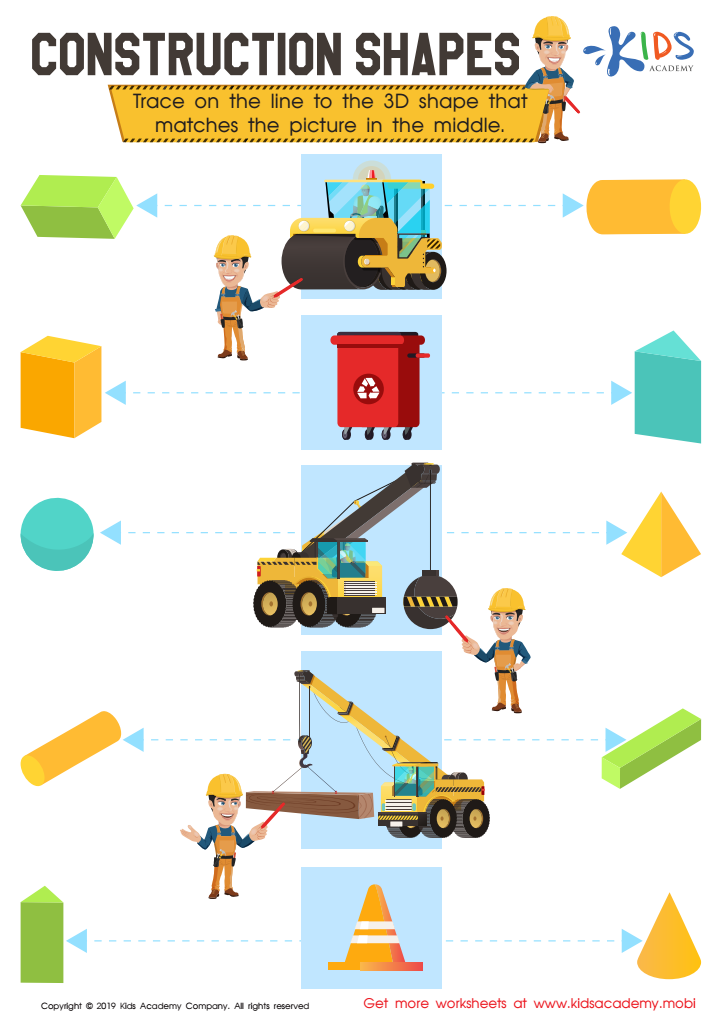
Construction workers are professionals who build structures like buildings. In this worksheet, kids will learn about shapes with the help of workers and their equipment. Help them trace the lines to the 3D shape that matches the picture in the middle.
Construction Shapes Worksheet
Worksheet
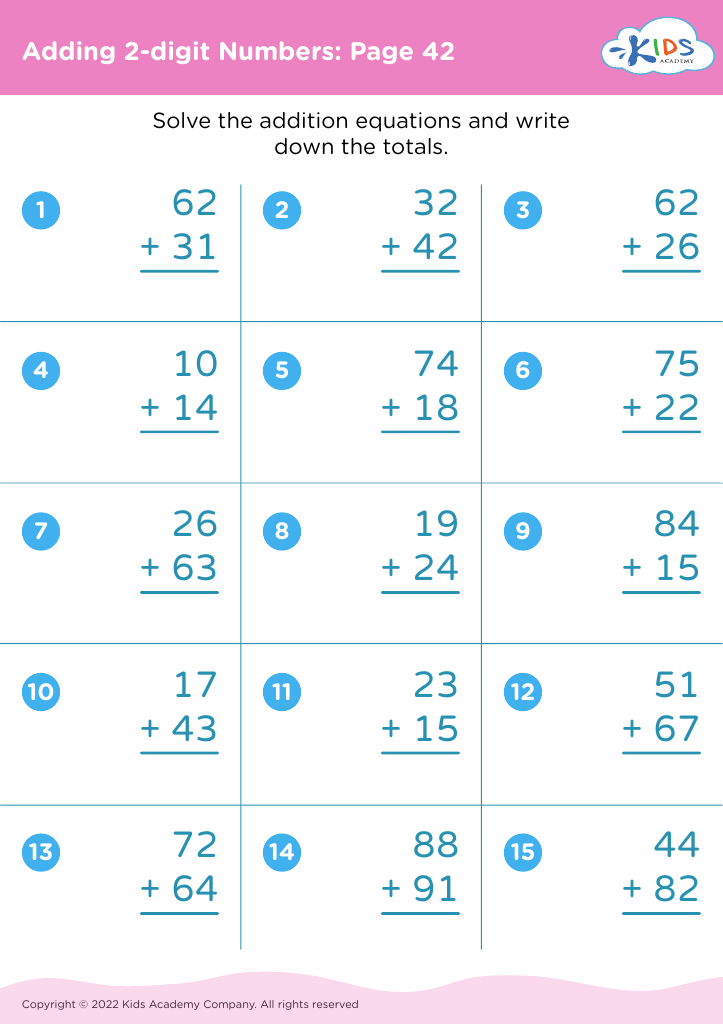
Adding 2-digit Numbers: Page 42

Adding 2-digit Numbers: Page 42

Adding 2-digit Numbers: Page 42
Worksheet
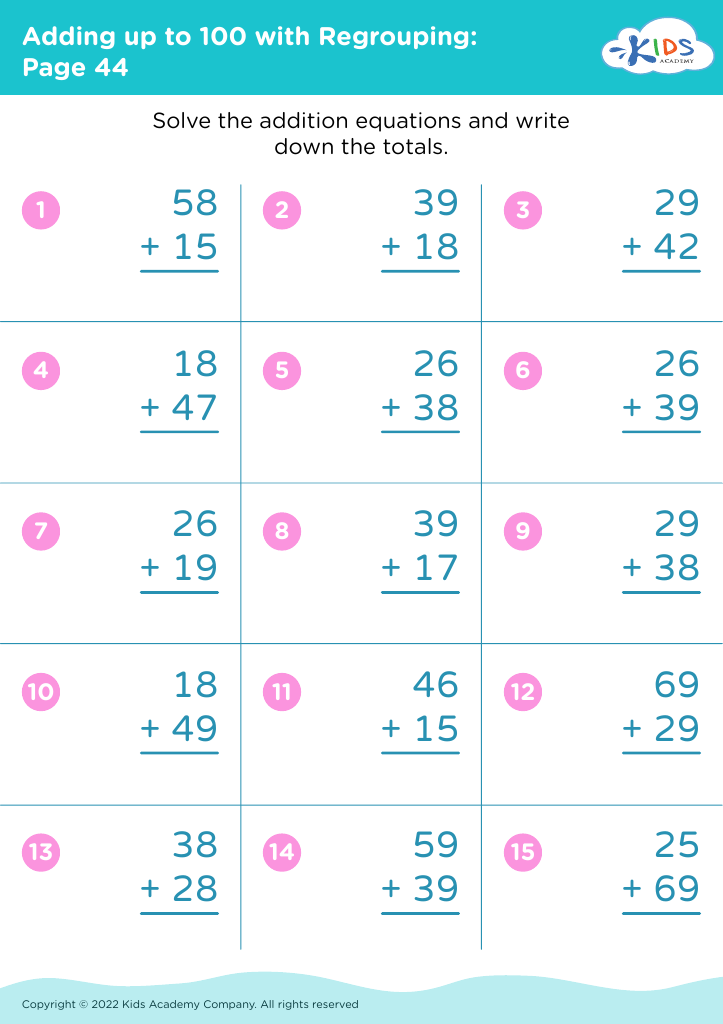
Adding up to 100 with Regrouping: Page 44
Worksheet
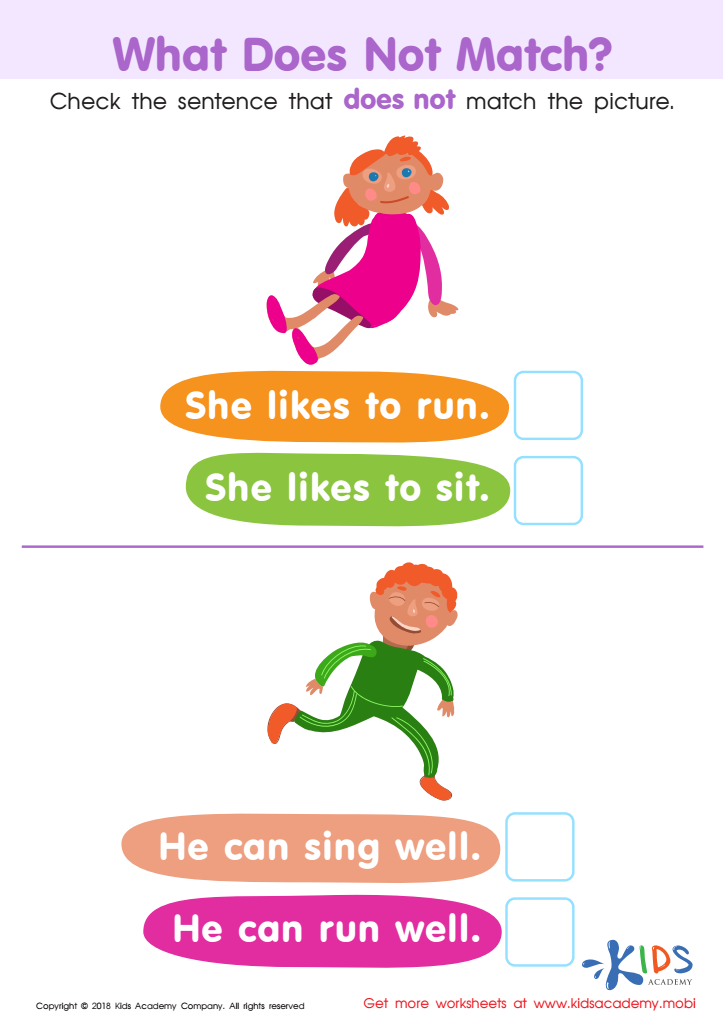
What Does Not Match? Worksheet
What Does Not Match? Worksheet
Emerging readers need to practice using visual cues and repetitive text. This colorful PDF provides them with an opportunity to look at pictures, use discrimination and discern which phrase does not match. It also enables them to gain familiarity with high-frequency words to aid decoding longer sentences.
What Does Not Match? Worksheet
Worksheet
Grade 2 Sight Words: Upon

Grade 2 Sight Words: Upon

Grade 2 Sight Words: Upon
Worksheet
Grade 2 Sight Words: Those

Grade 2 Sight Words: Those

Grade 2 Sight Words: Those
Worksheet
Grade 2 Sight Words: These

Grade 2 Sight Words: These

Grade 2 Sight Words: These
Worksheet
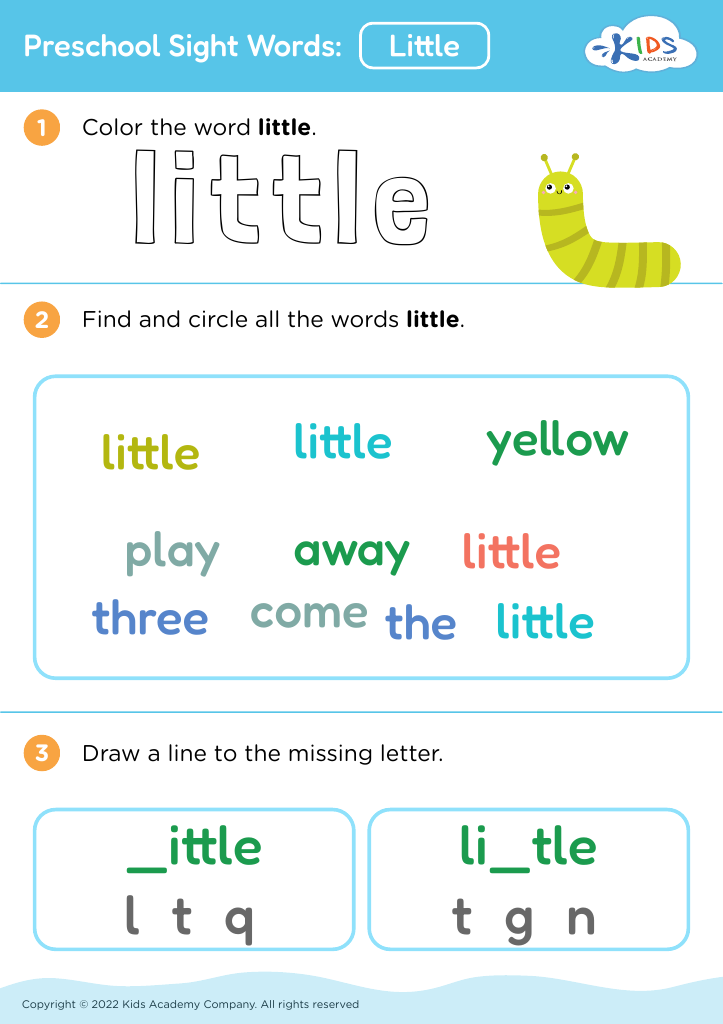
Preschool Sight Words: Little

Preschool Sight Words: Little

Preschool Sight Words: Little
Worksheet
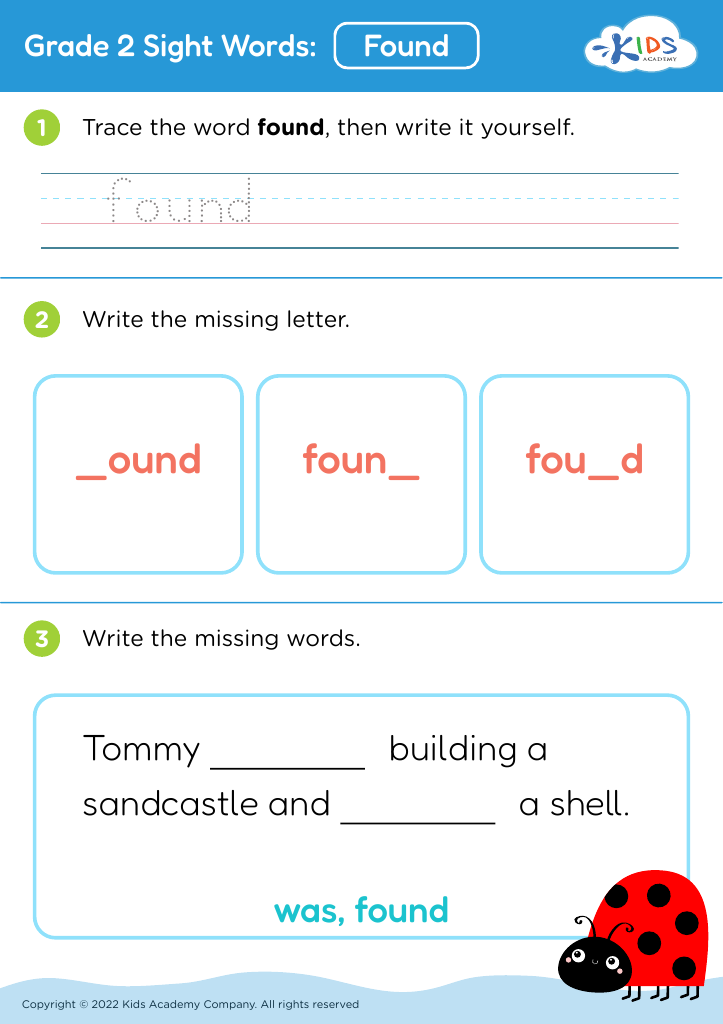
Grade 2 Sight Words: Found

Grade 2 Sight Words: Found

Grade 2 Sight Words: Found
Worksheet
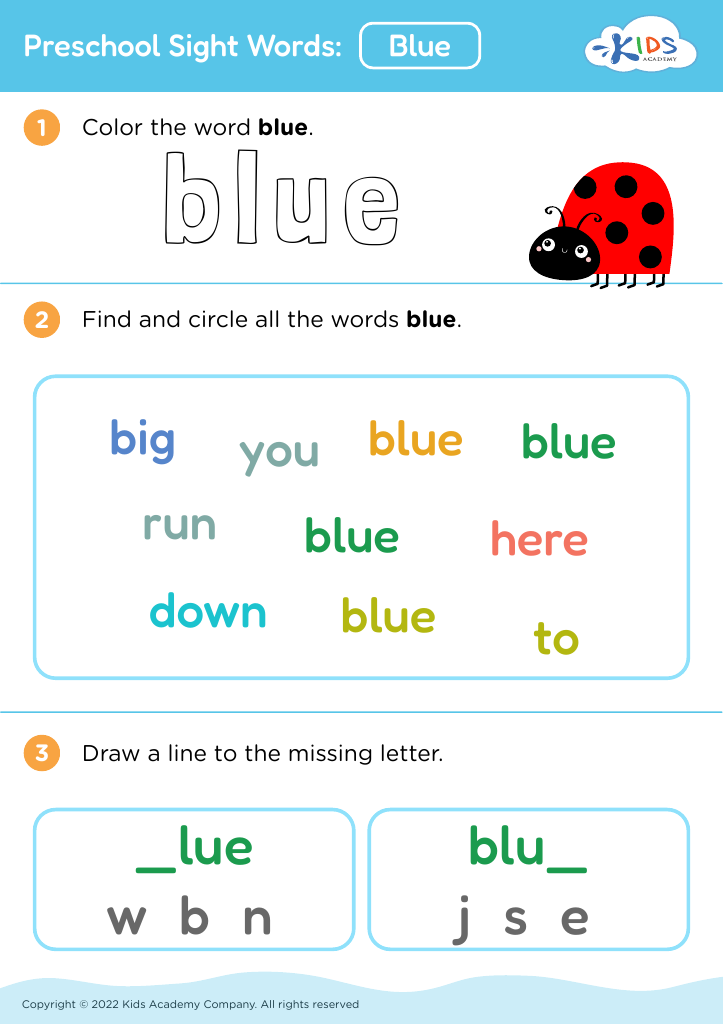
Preschool Sight Words: Blue

Preschool Sight Words: Blue

Preschool Sight Words: Blue
Worksheet


... 5 6

Parents and teachers should highly prioritize shape recognition for children ages 5-7 because it lays the crucial foundation for various academic and developmental milestones. During these early years, children's brains are rapidly developing, and shape recognition helps in enhancing visual-spatial skills, critical for understanding and interpreting the world around them.

Shapes form the building blocks for later mathematical concepts. Recognizing and distinguishing different shapes enables children to ease into more complex ideas like geometry, pattern recognition, and problem-solving. Shape activities, such as sorting or puzzle assembly, also improve fine motor skills and hand-eye coordination, which are essential for tasks like writing.

Furthermore, shape recognition aids in literacy. Letters and numbers are essentially shapes, and familiarizing children with different shapes can aid in letter recognition, phonics, and ultimately reading fluency. Socially and emotionally, mastering shape recognition encourages confidence and a sense of achievement, fostering a love for learning.

Incorporating shape activities into daily lessons or routines not only supports cognitive development but also adds an element of enjoyment and curiosity in learning. Recognizing the importance of shape recognition sets the stage for a well-rounded developmental pathway, offering children the tools and confidence they need as they progress through their educational journey.