Understanding measurements Worksheets for Ages 5-7 - Page 2
27 filtered results
-
From - To
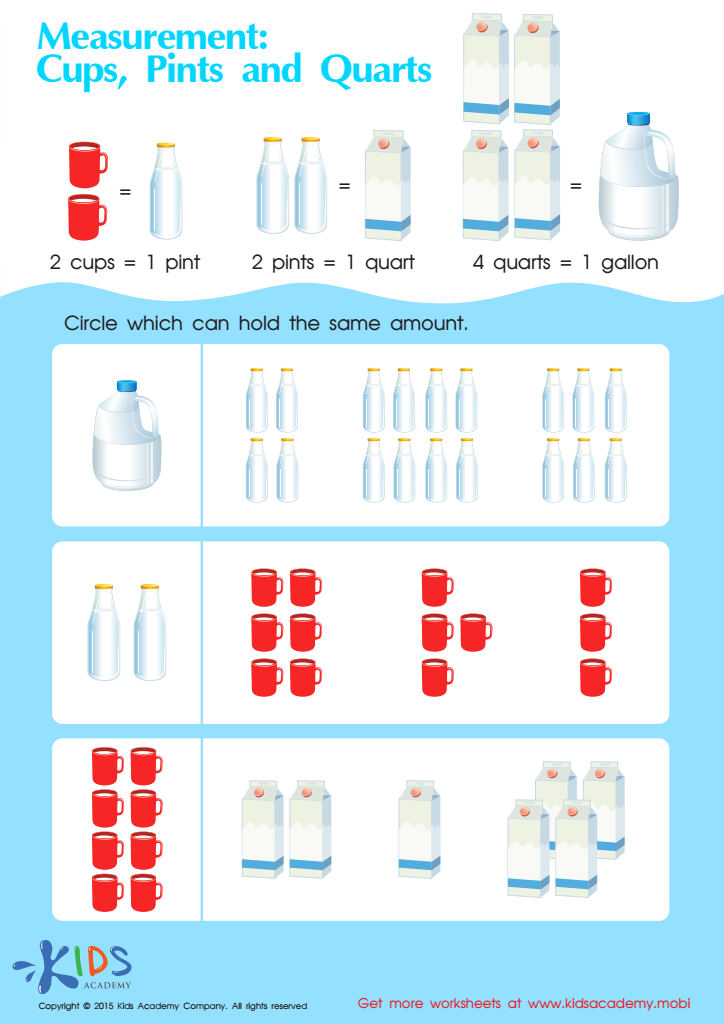
Cups, Pints and Quarts 2 Worksheet
 Assign to My Students
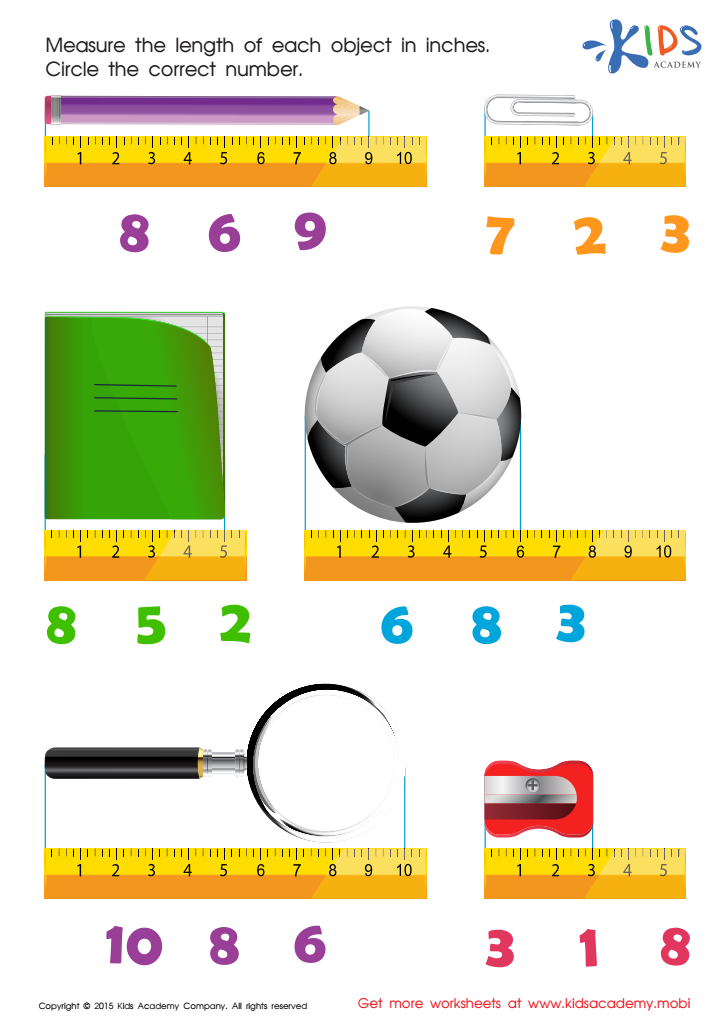
Learning measuring objects in inches Worksheet
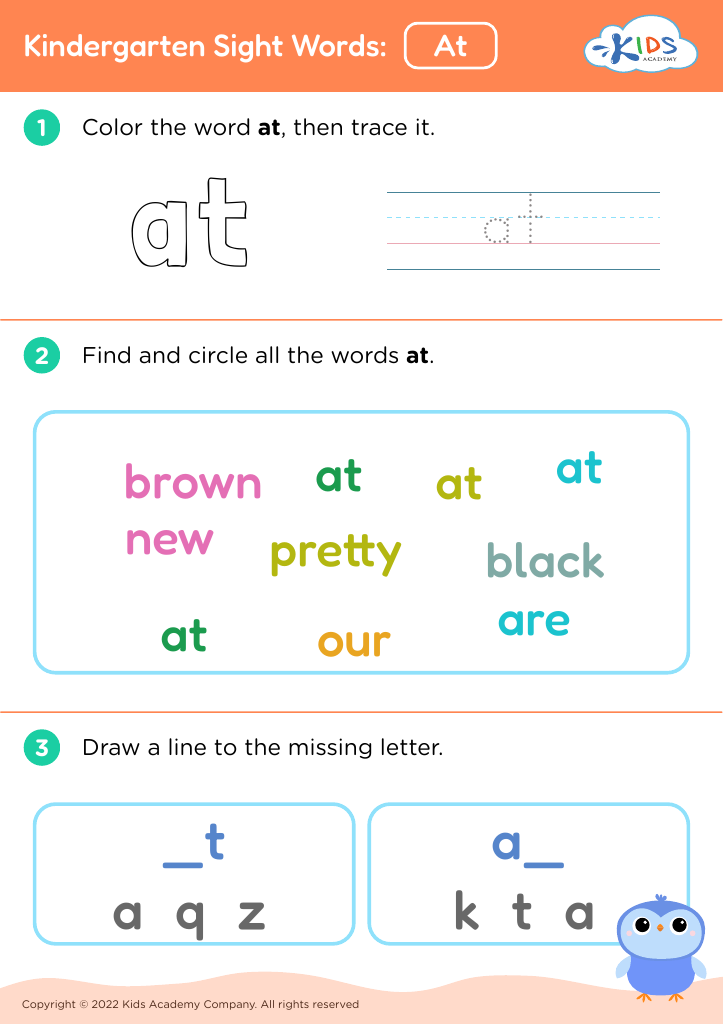



.jpg)


Understanding measurements for children aged 5-7 is crucial because it lays down the foundation for essential life skills and academic success. During these formative years, young learners are exceptionally receptive to new concepts, and instilling measurement knowledge can have long-lasting benefits.
Firstly, comprehension of measurements helps in the practical understanding of the world. For example, concepts like length, weight, and volume are part of daily experiences such as cooking, shopping, or even playing. Children who grasp these basics can better appreciate their environment and navigate it more securely.
Secondly, learning measurements reinforces mathematical understanding, including spatial awareness, shapes, sizes, and units of measurement. This development significantly contributes to problem-solving skills, logical thinking, and analytical abilities. Measurement is a part of nearly every branch of math and science they will encounter in future schooling, forming the bedrock for more advanced concepts.
Finally, social interaction and collaborative learning are enhanced when children understand measurements. They can engage in group activities more effectively, understand fairness (like equal portions), and develop independence by performing tasks such as pouring their own drink or comparing their height with friends. A firm grasp of these fundamentals allows children to confidently and competently participate in the world around them.
In summary, an early understanding of measurement equips children with the practical and cognitive skills they need to thrive both inside and outside the classroom, making it an essential area for parents and teachers to focus on.








