Understanding quantity Worksheets for Ages 5-7 - Page 2
31 filtered results
-
From - To
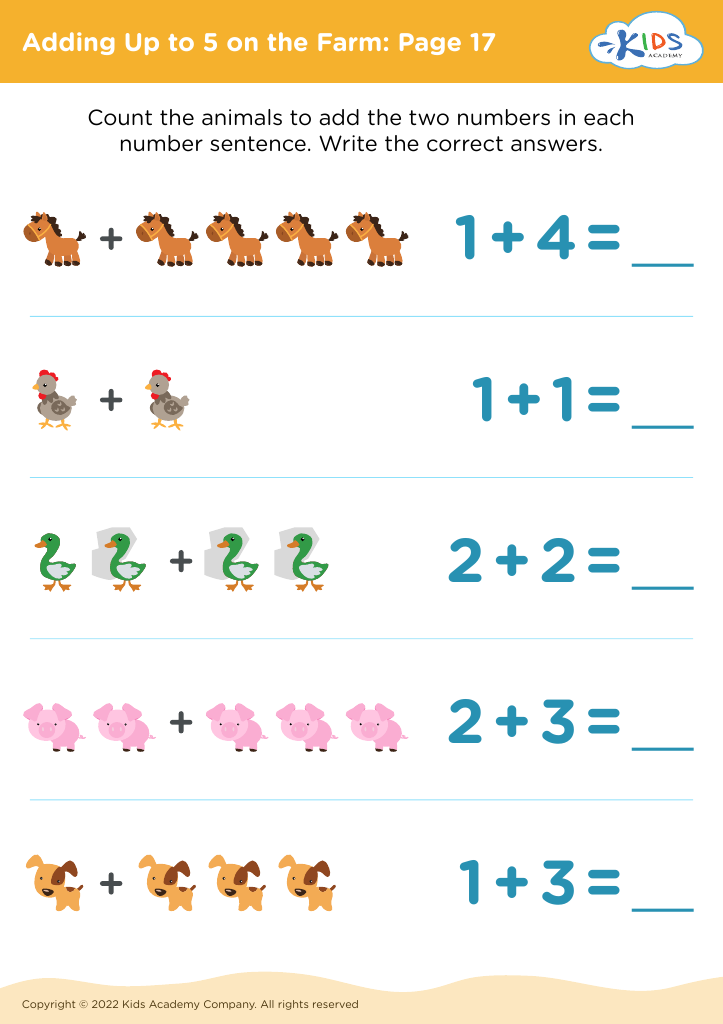
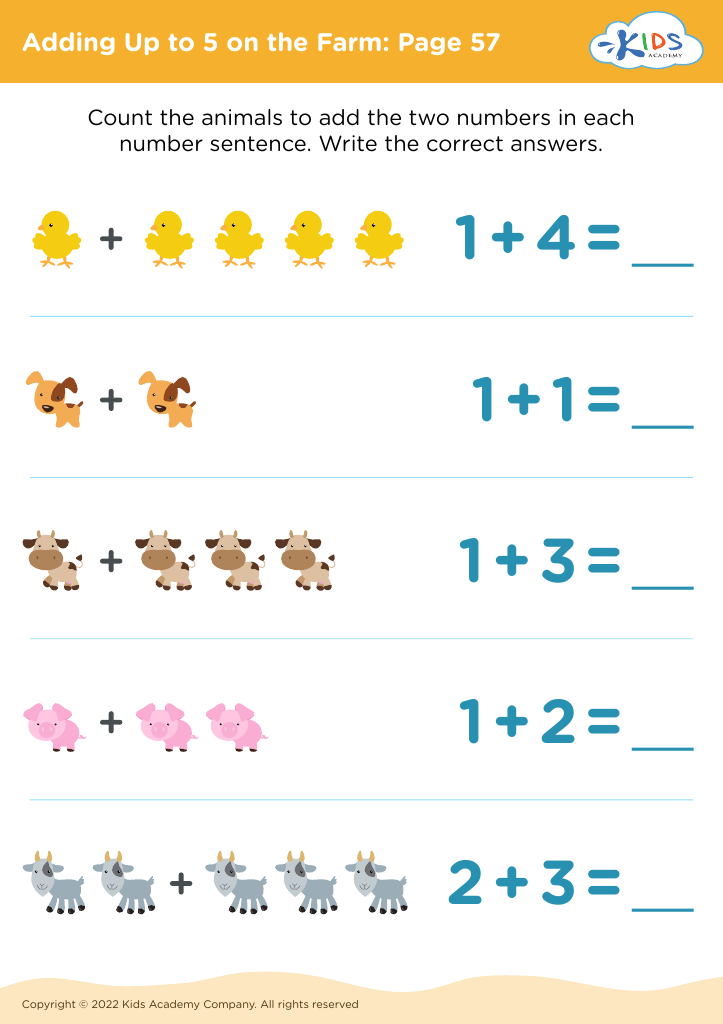
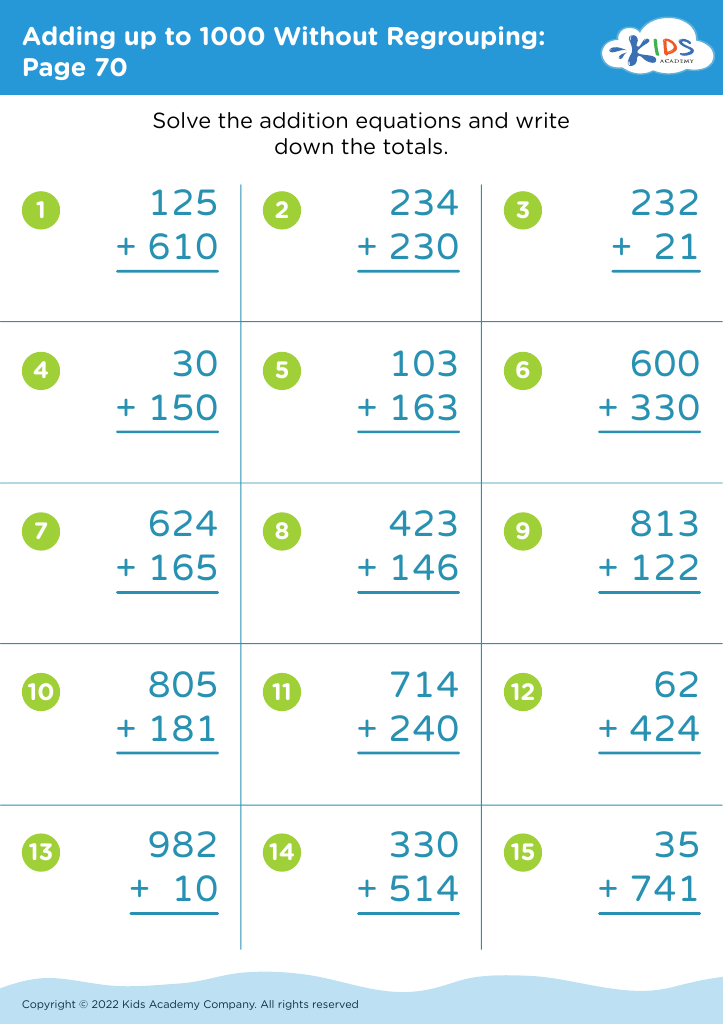
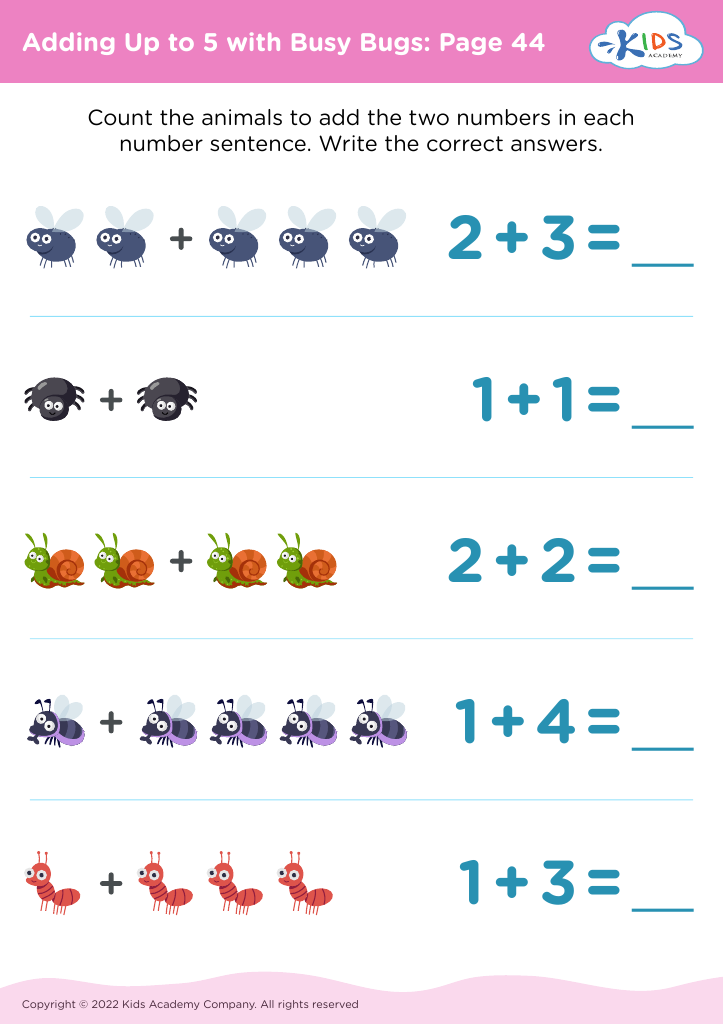
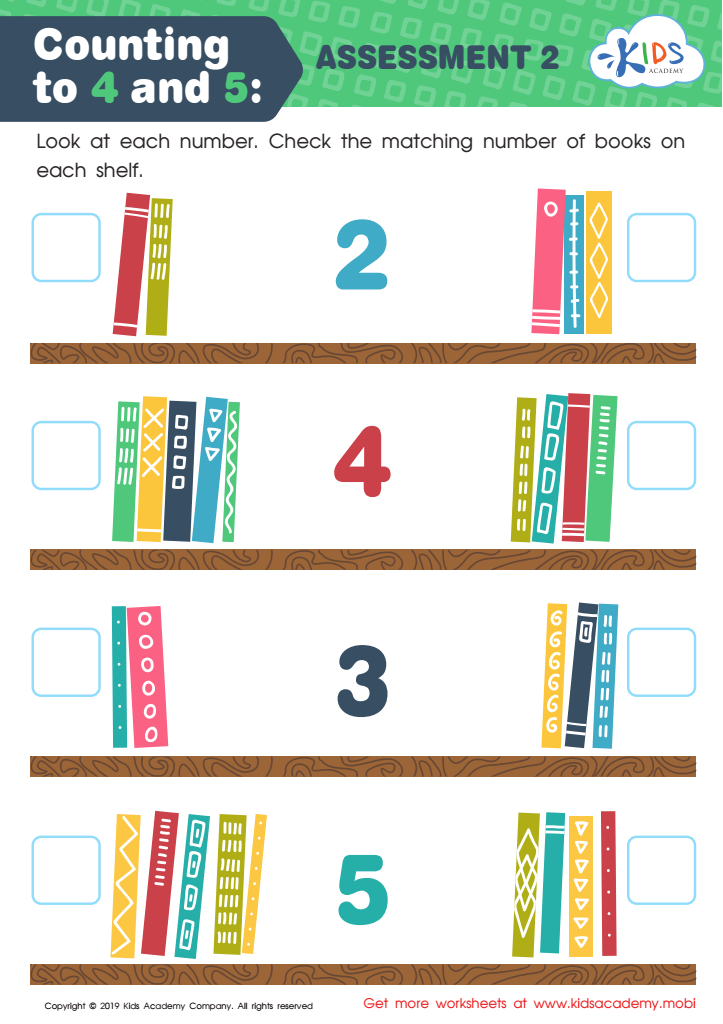
Counting to 4 and 5: Assessment 2 Worksheet
 Assign to My Students
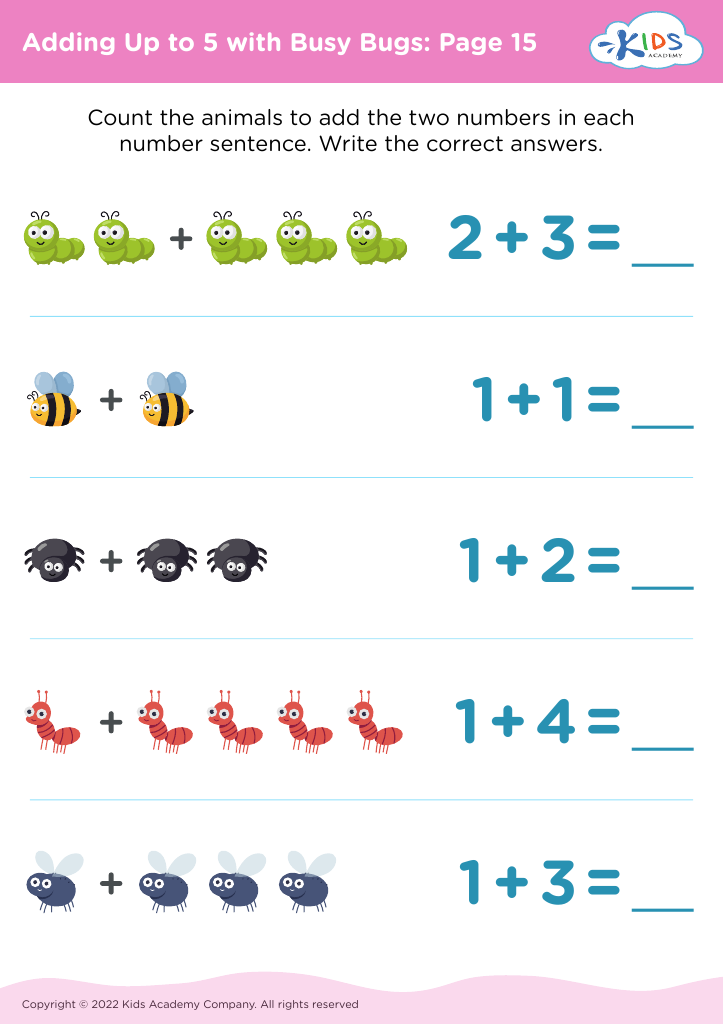
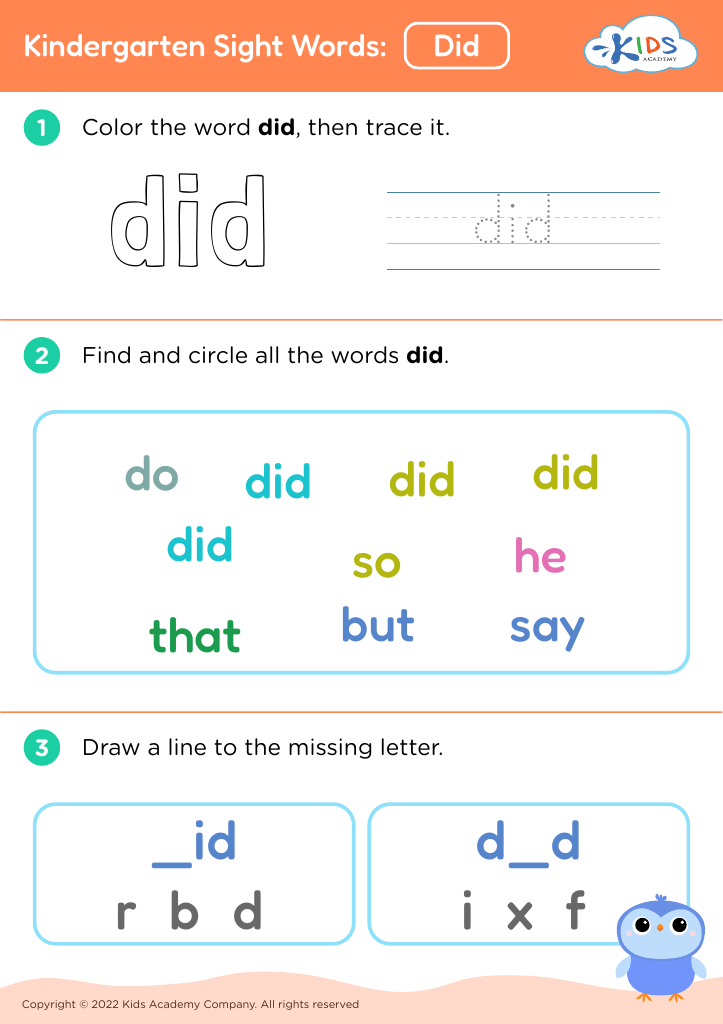








Understanding quantity is a foundational concept for children aged 5-7, playing a crucial role in their cognitive development and future academic success. At this age, children are beginning to grasp basic mathematics, making it essential for parents and teachers to nurture their understanding of quantity.
Mastering quantity helps children develop critical thinking and problem-solving skills. By understanding how to compare, measure, and manipulate quantities, children learn to interpret the world around them, fostering independence and confidence. This understanding also lays the groundwork for more complex mathematical concepts, such as addition, subtraction, and ultimately, multiplication and division.
Moreover, early competency in quantity encourages a positive attitude towards math, transforming it from a source of anxiety into a fun and engaging subject. As children explore quantity through hands-on activities such as counting objects, measuring ingredients for recipes, or sorting items, they learn to appreciate math in daily life, building an essential skill set.
Involving parents in this process can deepen children's learning experiences, as families can integrate quantity discussions into routines and activities at home. Thus, fostering an understanding of quantity equips children with the tools they need to thrive academically and socially.








