Understanding symmetry Worksheets for Ages 5-7
36 filtered results
-
From - To
Discover our engaging "Understanding Symmetry Worksheets" designed for children aged 5-7! These colorful, interactive worksheets help young learners grasp the concept of symmetry through fun activities and exercises. Aimed at enhancing spatial awareness and critical thinking skills, our worksheets encourage kids to identify symmetrical shapes, complete patterns, and create their own symmetrical designs. With step-by-step instructions and a variety of challenges, these resources support early math education in a playful manner. Ideal for parents and teachers, our worksheets make learning about symmetry enjoyable and accessible, fostering creativity while reinforcing foundational math concepts. Unlock your child's potential in learning symmetry today!
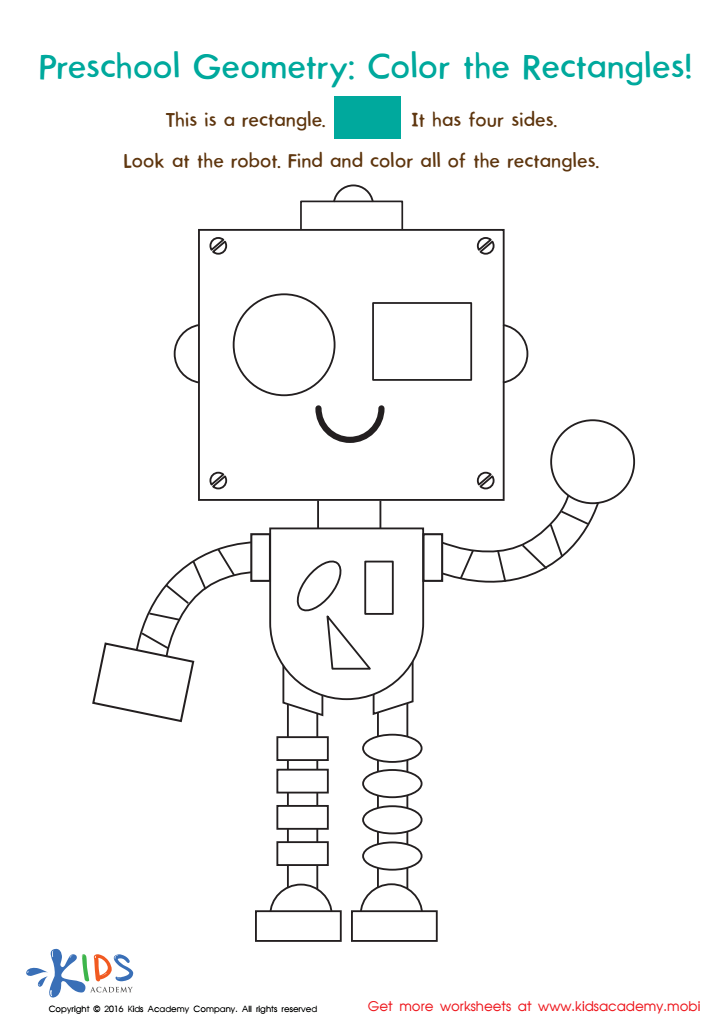
Geometry Worksheet
 Assign to My Students
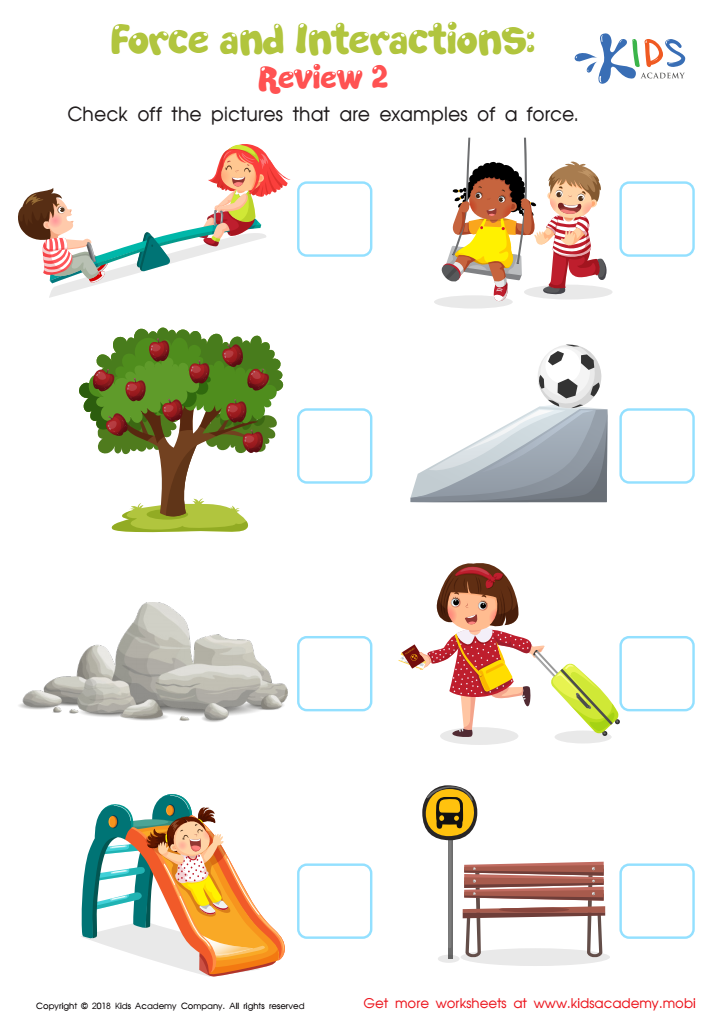
Force and Interactions: Review 2 Worksheet
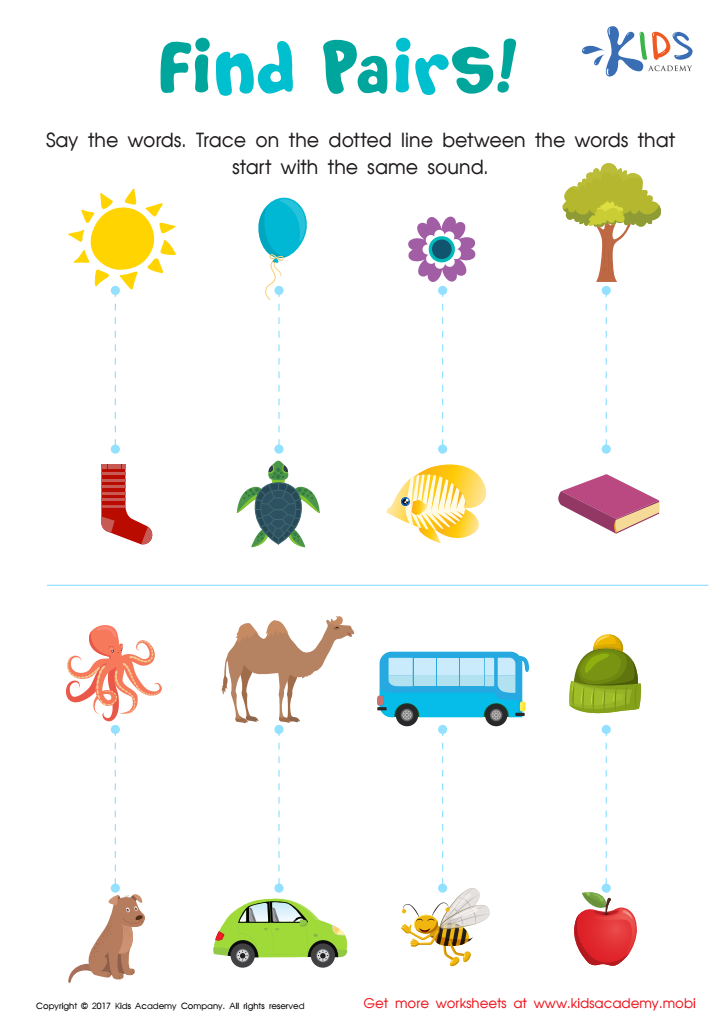
Beginning Sound: Find Pairs Worksheet
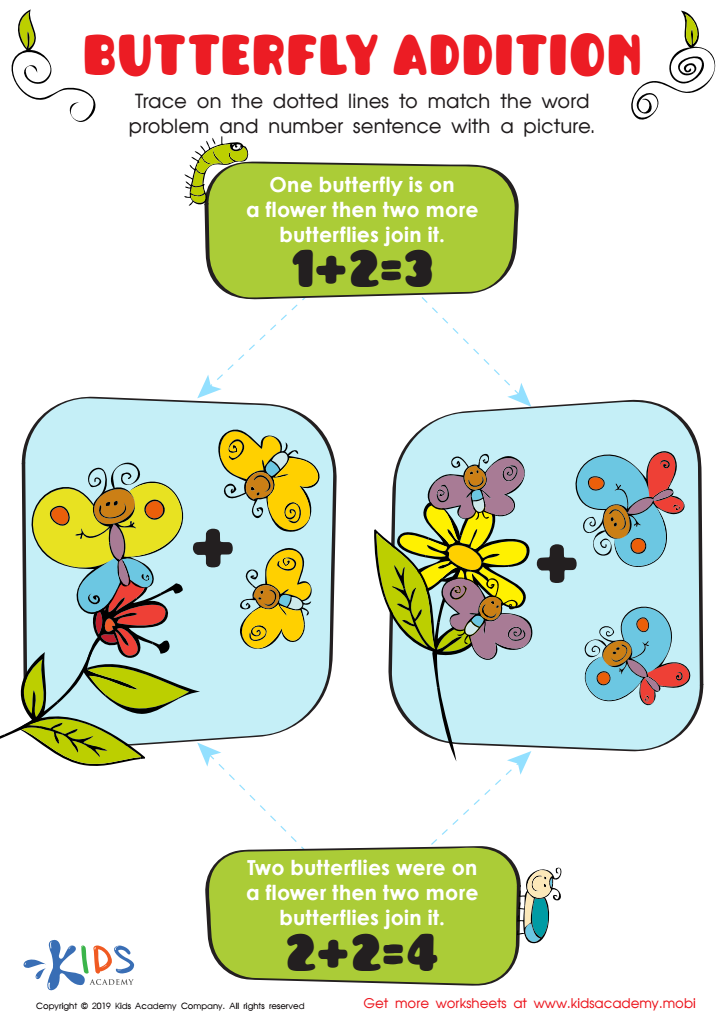
Butterfly Addition Worksheet
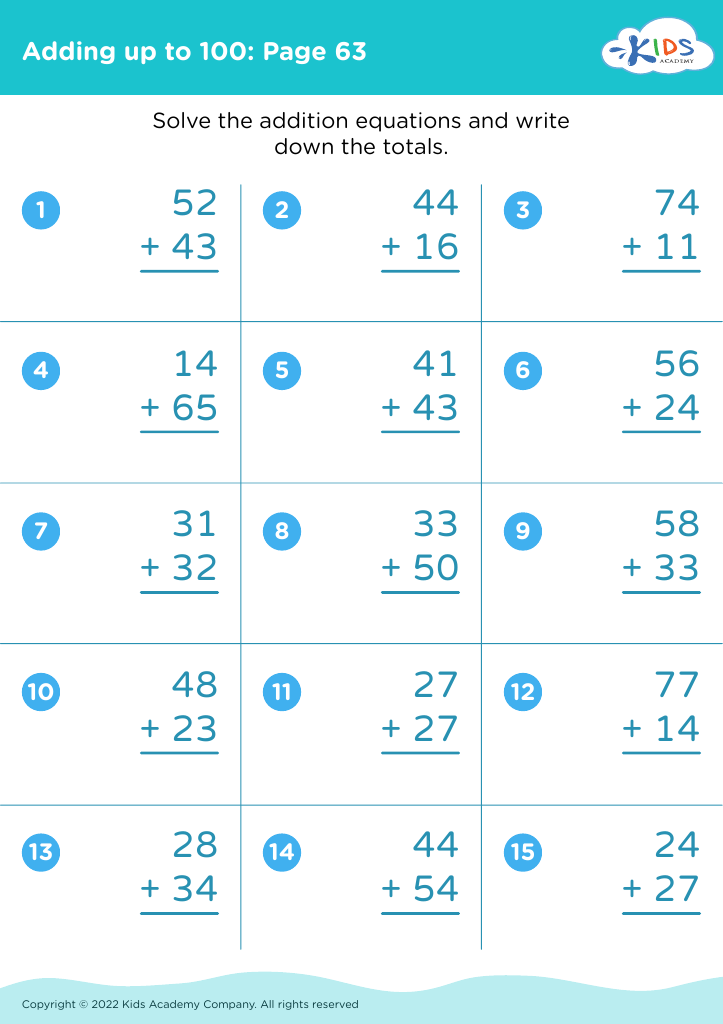
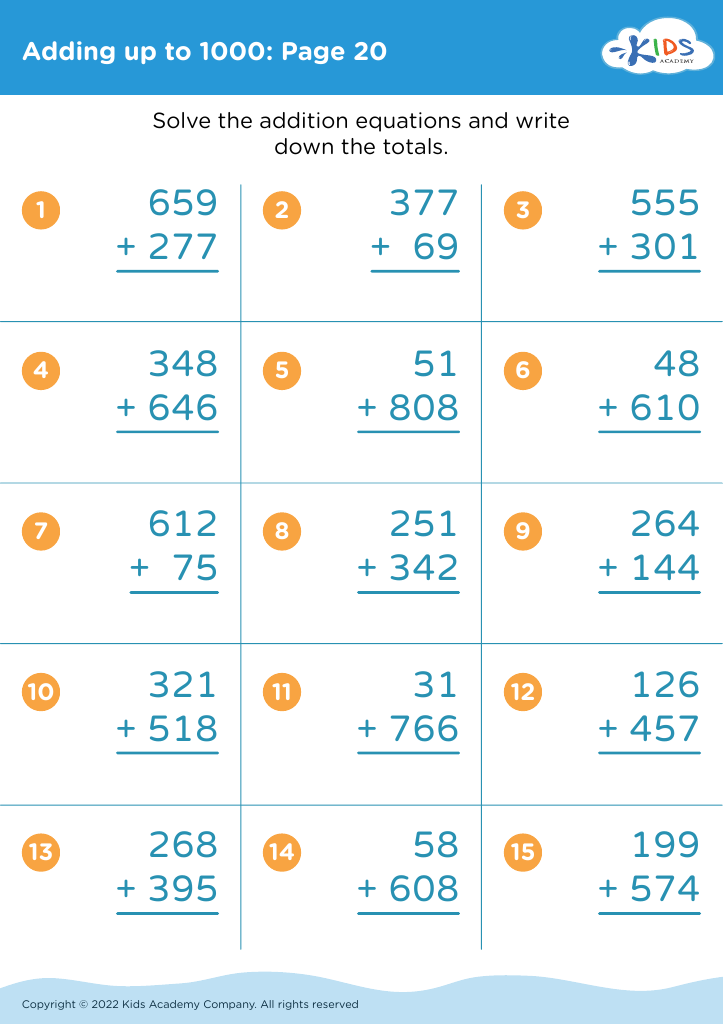
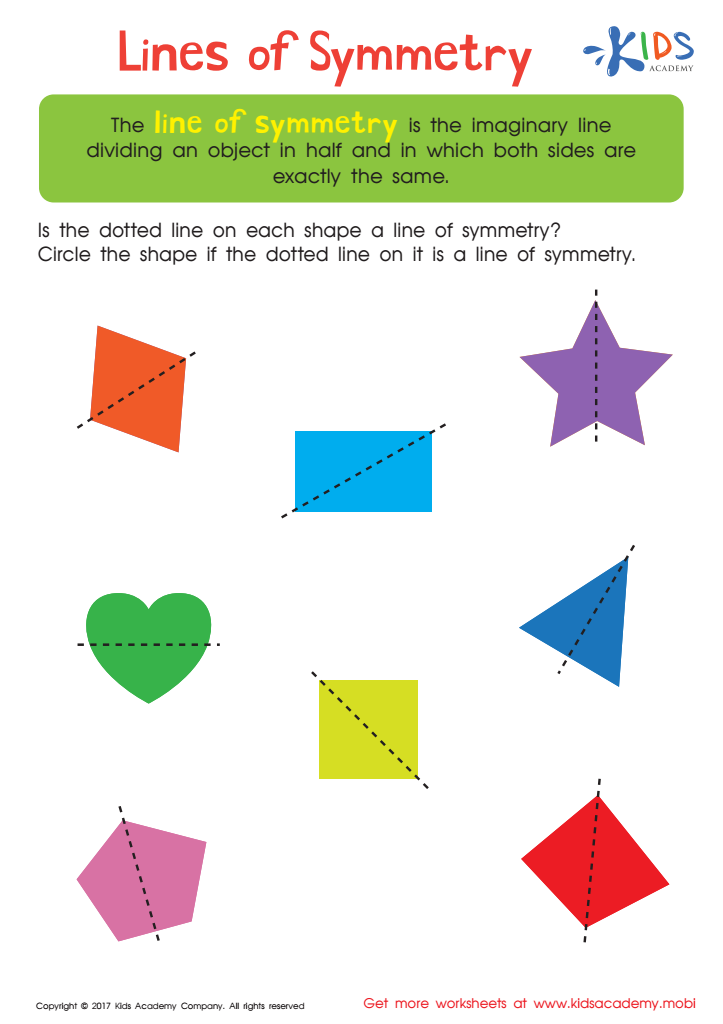
Lines of Symmetry Printable
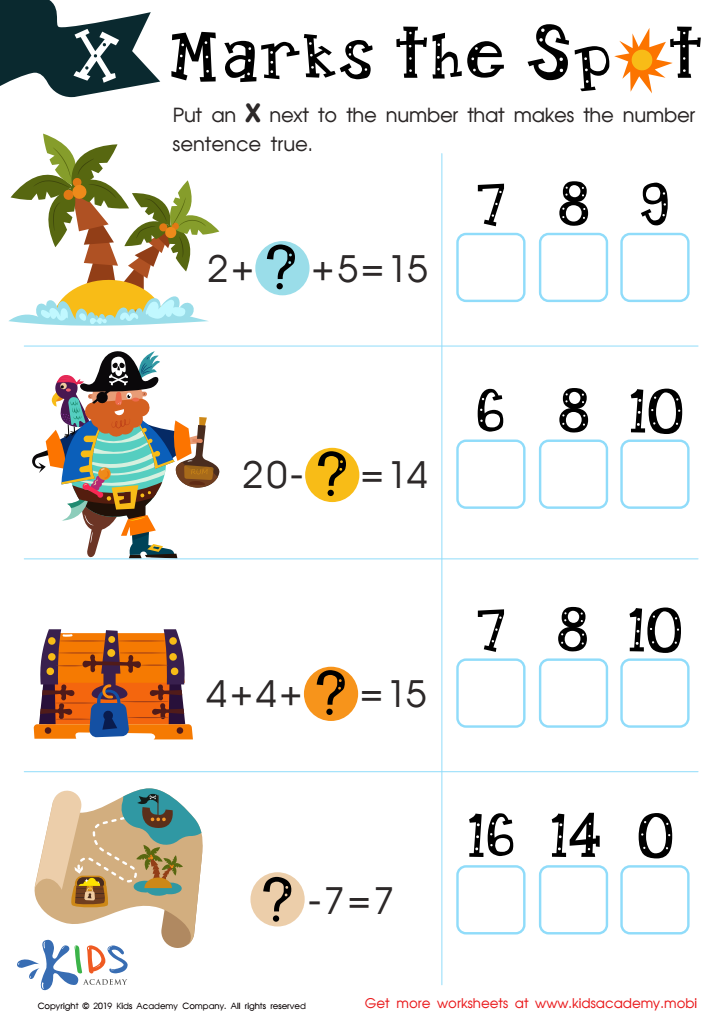
X Marks the Spot Worksheet
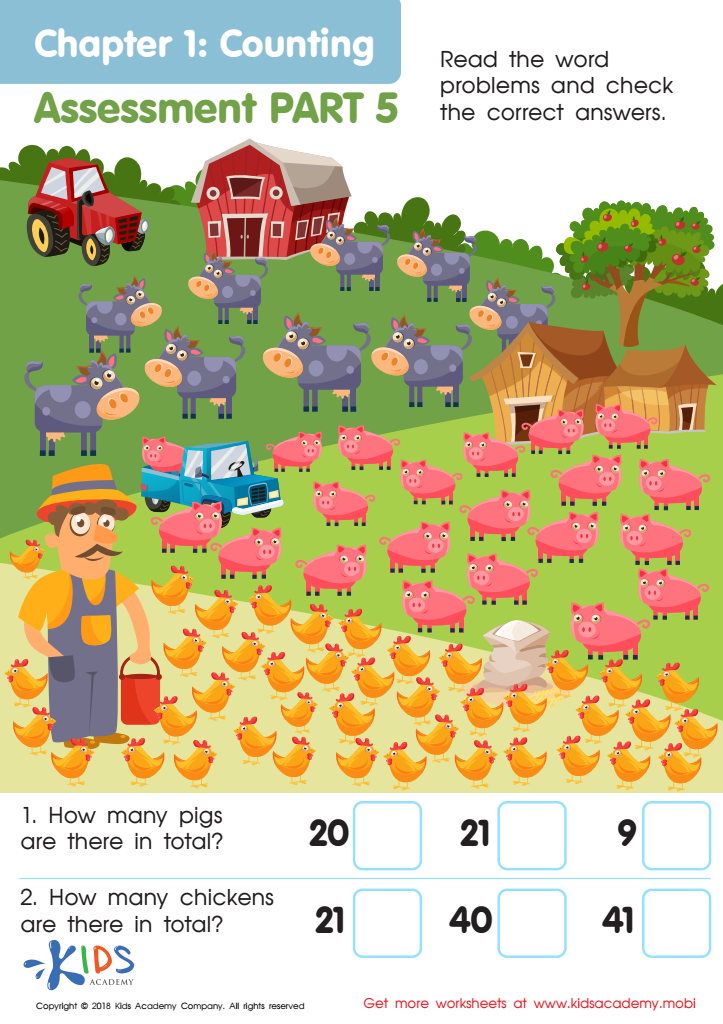
Counting: Assessment 5 Worksheet
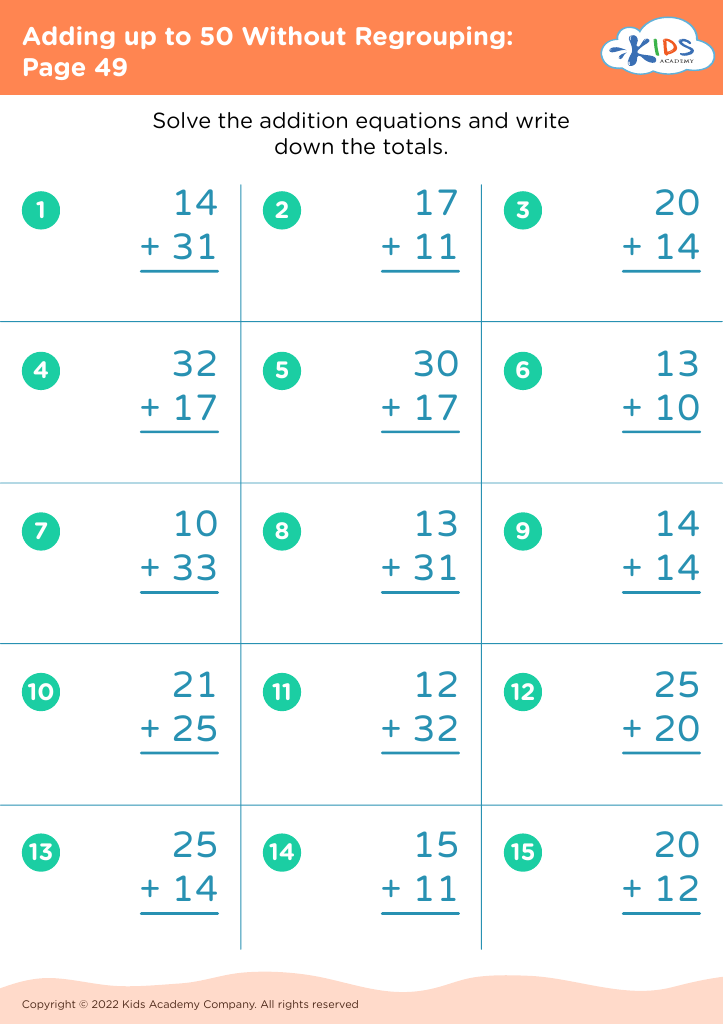
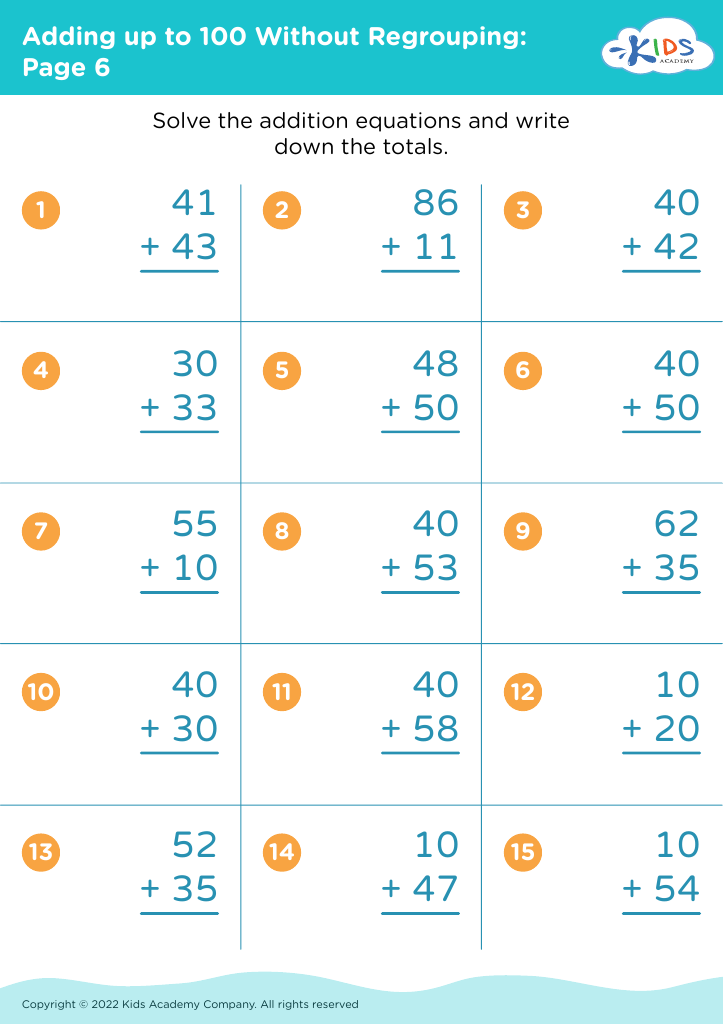
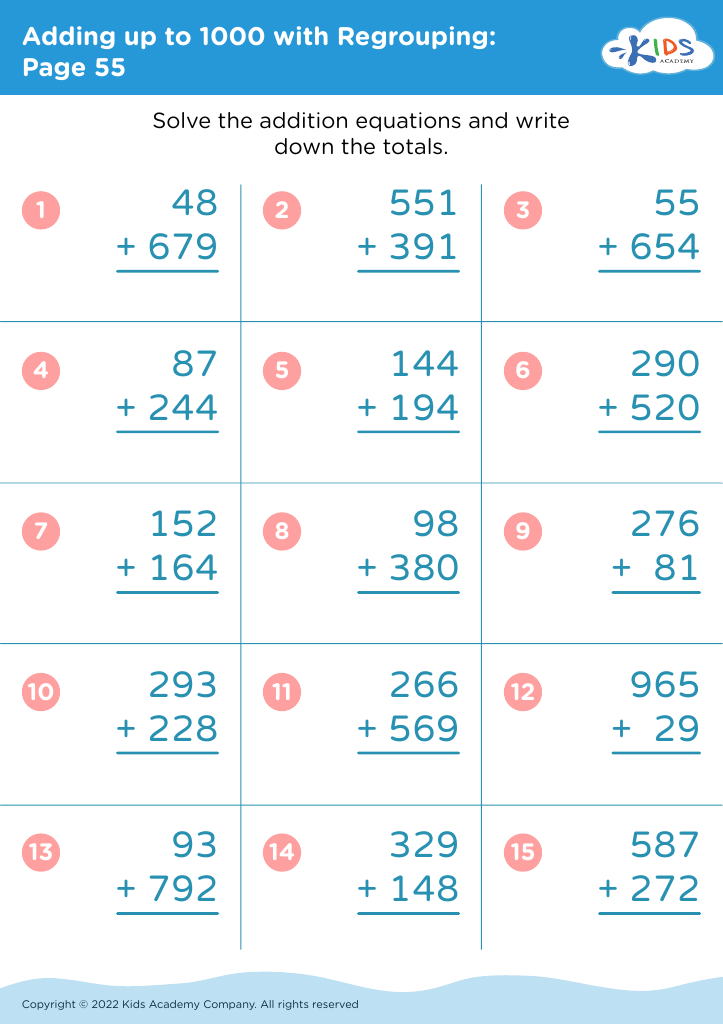
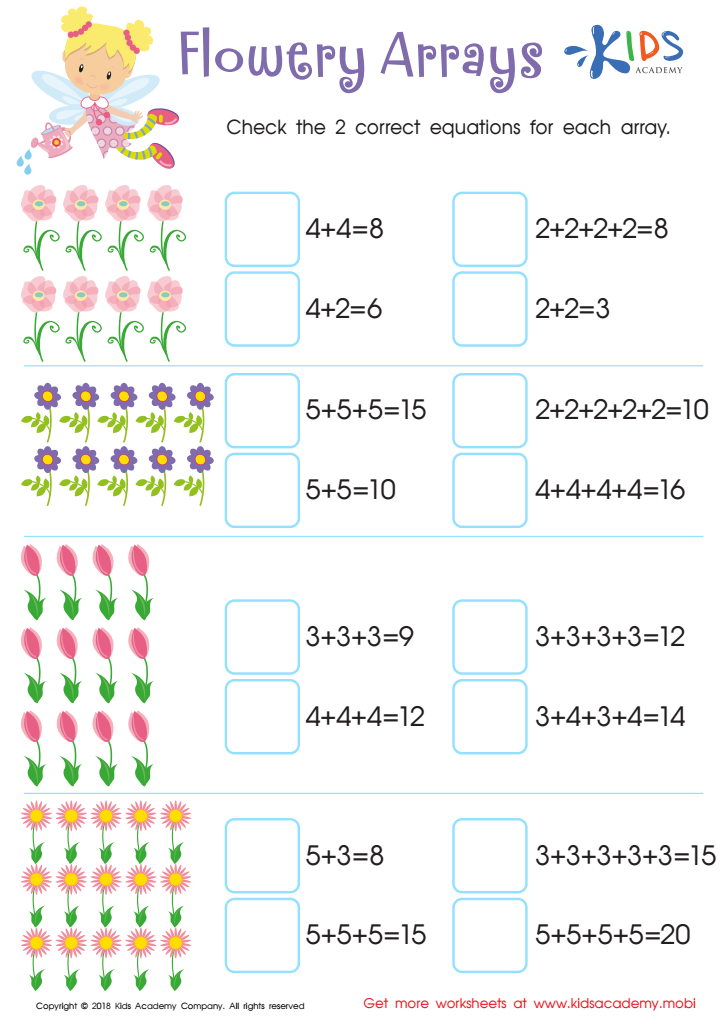
Flowery Arrays Worksheet







Understanding symmetry is fundamental for children ages 5-7, as it lays the groundwork for critical cognitive and mathematical skills. At this stage, children are naturally curious about the world around them, and introducing symmetry helps nurture that curiosity. Through exploring symmetrical shapes and patterns, children develop spatial awareness, which is essential for mathematics and science.
Learning about symmetry encourages logical thinking and problem-solving abilities, as children observe, analyze, and categorize shapes based on their properties. It also enhances fine motor skills, as activities involving drawing, folding, or creating symmetrical objects often require careful manipulation of materials.
Additionally, recognizing symmetry in nature, art, and everyday objects helps deepen a child’s appreciation for their environment, promoting creativity and observational skills. Engaging with symmetry can be done through fun hands-on activities, making learning enjoyable and interactive.
Moreover, understanding symmetry supports children's visual processing skills, which are important for reading and other academic areas. As educators and parents recognize the importance of symmetry in early education, they can provide enriched learning experiences that foster a solid foundation in mathematics and general comprehension, ensuring children are well-prepared for future academic challenges.








