Visual analysis Worksheets for Ages 5-7
3 filtered results
-
From - To
Unlock your child's potential with our engaging Visual Analysis Worksheets for ages 5-7! These interactive resources are designed to enhance visual observation and critical thinking skills in young learners. Through a variety of fun activities, children will learn to categorize objects, identify patterns, and make comparisons. Our worksheets promote cognitive development and boost confidence by providing colorful, age-appropriate challenges that are easy to access and print. Encourage your child's analytical abilities and prepare them for future academic success with our expertly designed activities. Start exploring our Visual Analysis Worksheets today and watch your young learners thrive!
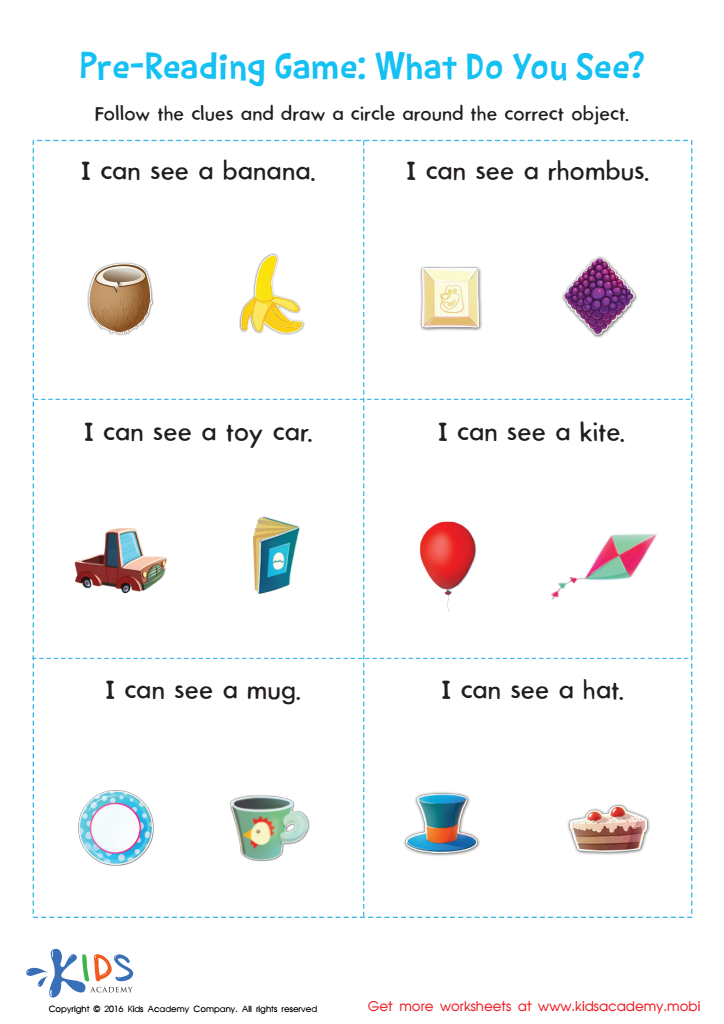
Pre–reading Worksheet: What Do You See?
 Assign to My Students
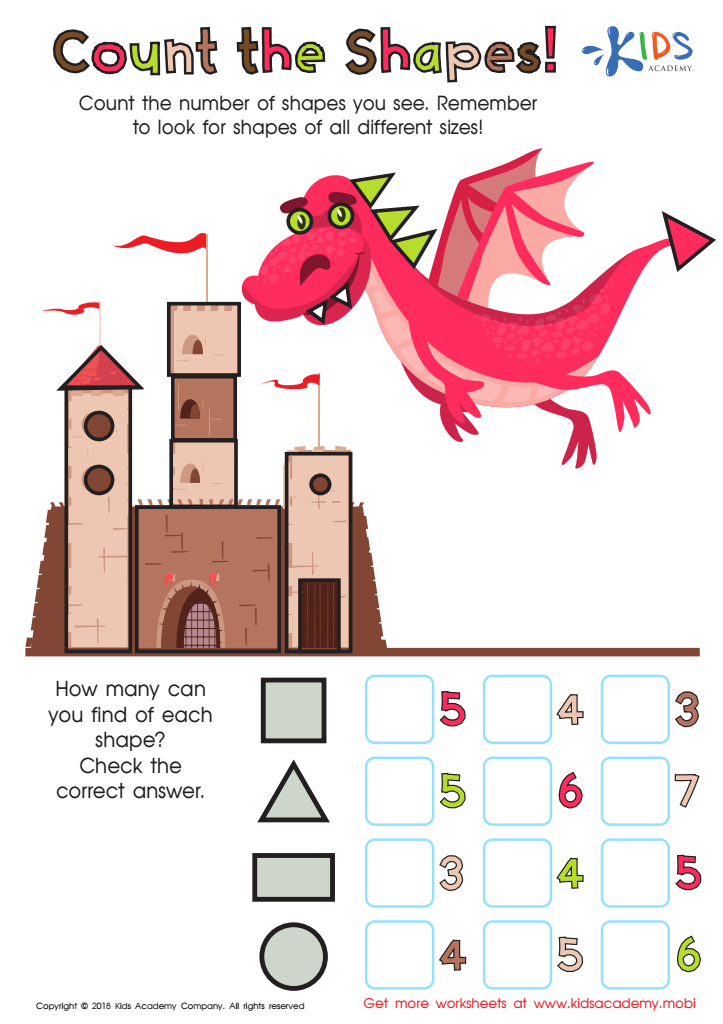
Count the Shapes Worksheet
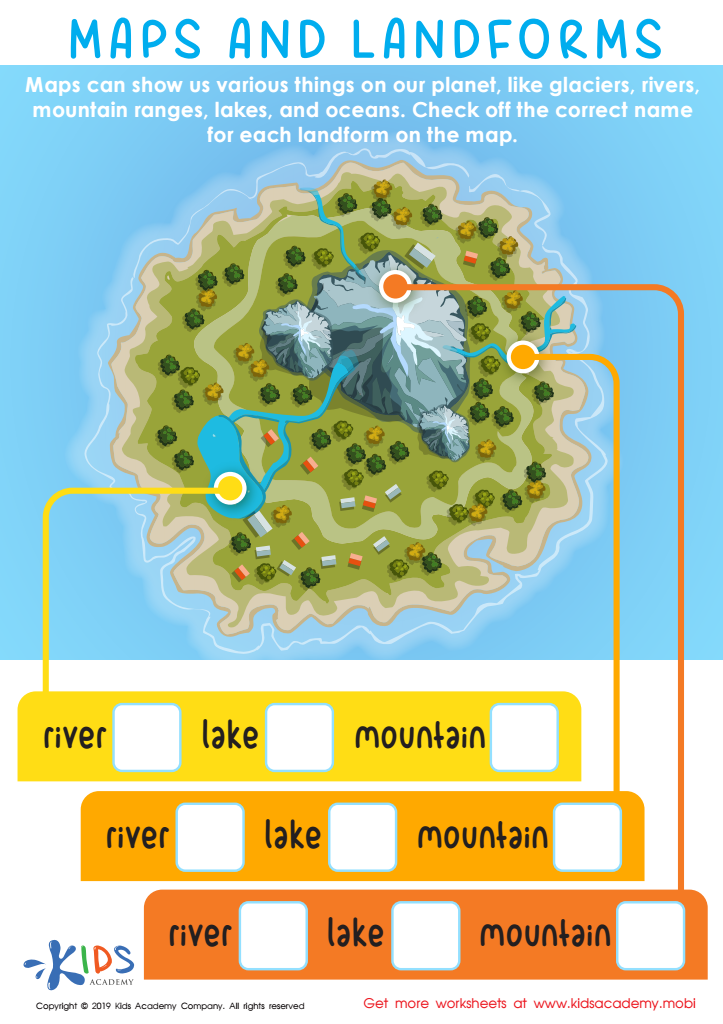
Maps and Landforms Worksheet







Visual analysis is a crucial skill for children aged 5-7, as it encompasses the ability to interpret, understand, and make meaning from visual information. During these formative years, children are rapidly developing cognitive and communication skills, and visual literacy plays an essential role in that growth. Visual analysis helps children to engage with various content, whether it's pictures, diagrams, or multimedia resources, enriching their overall learning experience.
Teachers and parents should prioritize visual analysis because it fosters critical thinking and enhances comprehension. As children learn to analyze visual elements, they become better equipped to draw conclusions, make comparisons, and articulate their ideas, which are foundational skills for later academic success. Furthermore, visual analysis nurtures creativity, encouraging children to express themselves through art and observations of the world around them.
Additionally, in our technology-driven society, visual information is omnipresent. Children who can navigate and analyze these visuals will be better prepared for future educational settings and eventual workplaces. By prioritizing visual analysis from an early age, parents and educators can help children become adept learners, problem solvers, and communicators, ensuring they thrive in an increasingly visual world.








