Visual Learning Worksheets for Ages 5-7 - Page 5
101 filtered results
-
From - To
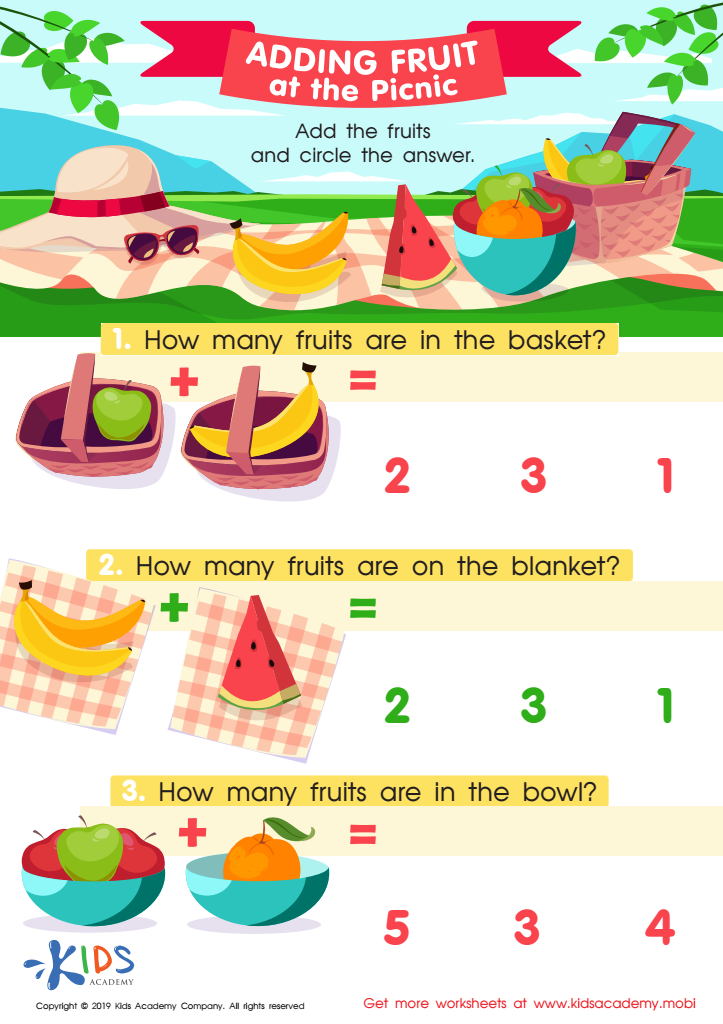
Adding Fruit at the Picnic Worksheet
 Assign to My Students
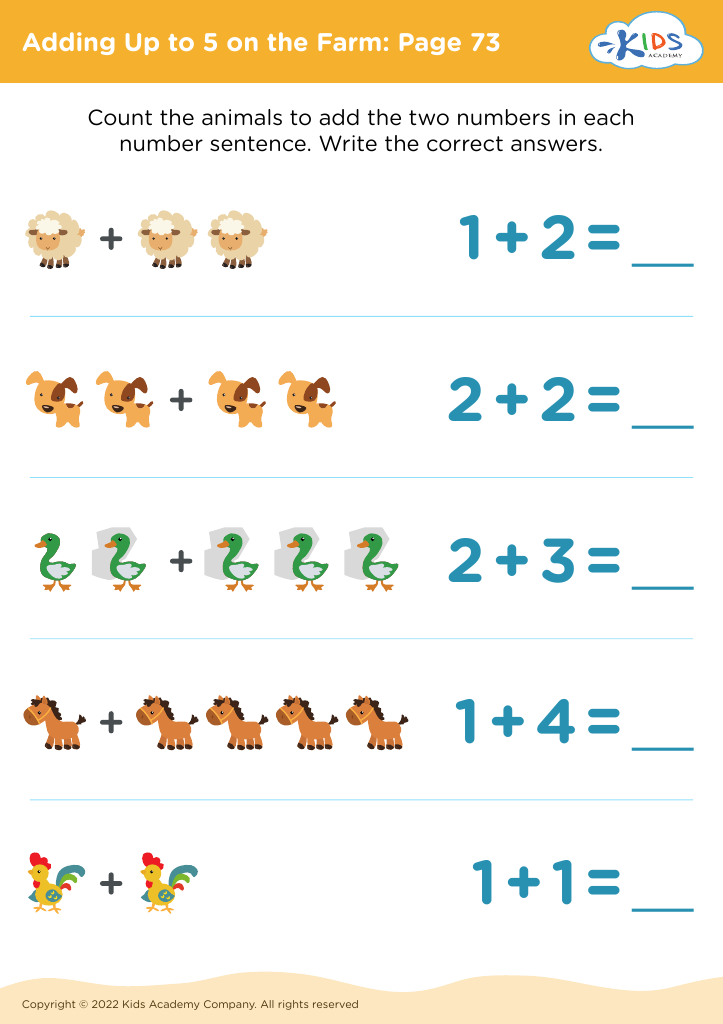
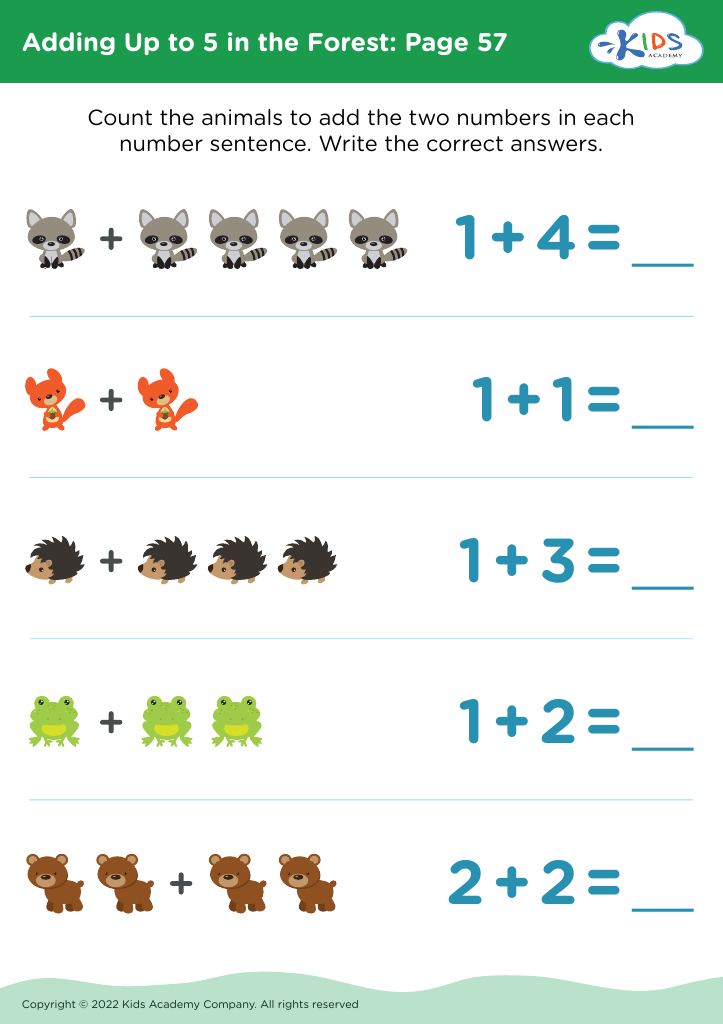
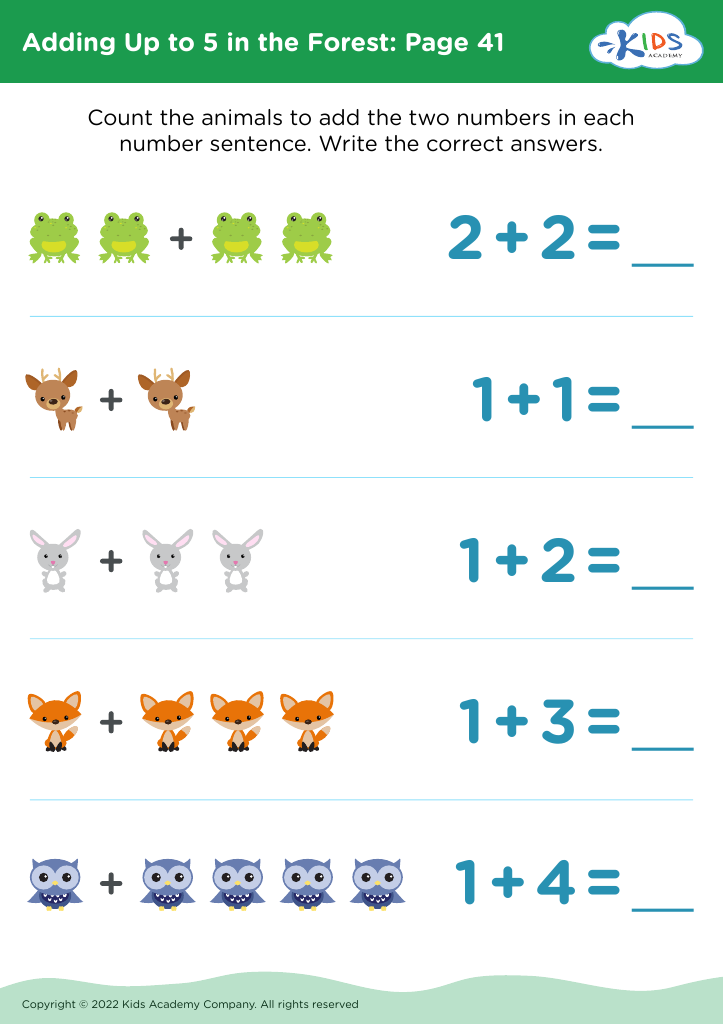
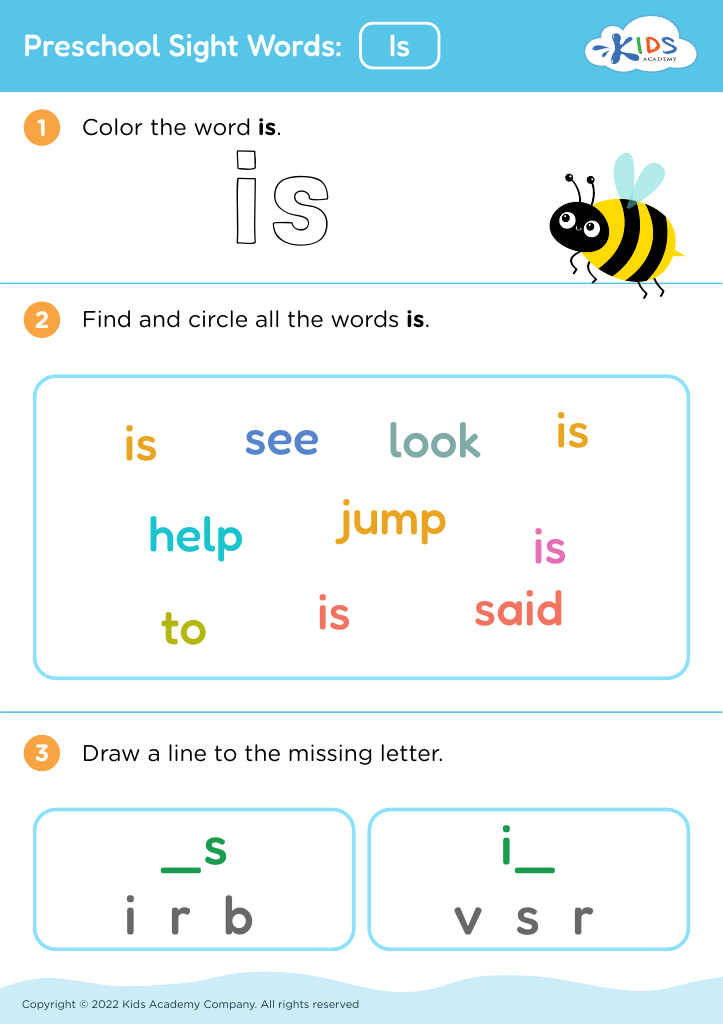








Visual learning is a crucial aspect of education for children aged 5-7, and parents and teachers should prioritize its incorporation into daily learning experiences. At this developmental stage, children are naturally curious and increasingly capable of complex thought processes. Visual learning utilizes images, diagrams, charts, and videos to present information in an engaging and comprehensible way, which can significantly enhance children's understanding and retention.
Research shows that children in this age group respond positively to visual stimuli, as their brains are wired to process images more quickly than text. This approach supports diverse learning styles, ensuring that visual learners thrive while also benefitting kinesthetic and auditory learners. Additionally, visual learning facilitates critical thinking and problem-solving skills as students learn to connect concepts and ideas through visual associations.
When parents and teachers incorporate visual aids, such as story maps or educational games, they create a richer educational environment that fosters creativity, collaboration, and engagement. This strategy not only makes learning enjoyable but also helps build a strong foundation for future academic success. Ultimately, prioritizing visual learning enables children to become active participants in their education, laying the groundwork for lifelong learning habits.








