Cognitive Development Addition and Subtraction Word Problems Worksheets for Ages 5-7
4 filtered results
-
From - To
Our "Cognitive Development Addition and Subtraction Word Problems Worksheets for Ages 5-7" are designed to foster critical thinking and problem-solving skills. These engaging worksheets cater to young learners, combining colorful illustrations with real-life scenarios to make math enjoyable. By solving various addition and subtraction problems, children enhance their cognitive abilities, develop logical reasoning, and build a strong math foundation. Perfect for classroom and home use, our worksheets align with educational standards and are ideal for helping kids master fundamental arithmetic concepts while preparing them for more advanced mathematical challenges. Unlock your child's potential with our expertly crafted worksheets today!
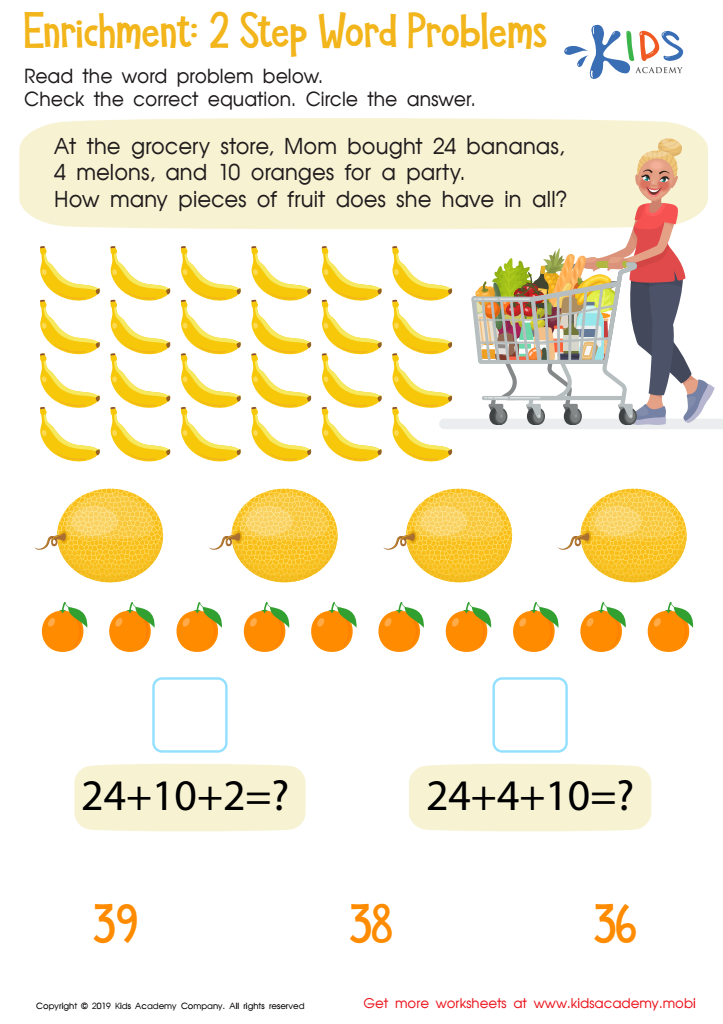
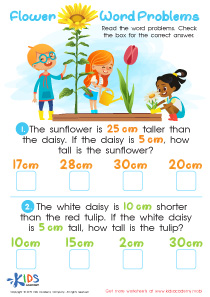
Enrichment -2 Step Word Problems Worksheet
 Assign to My Students
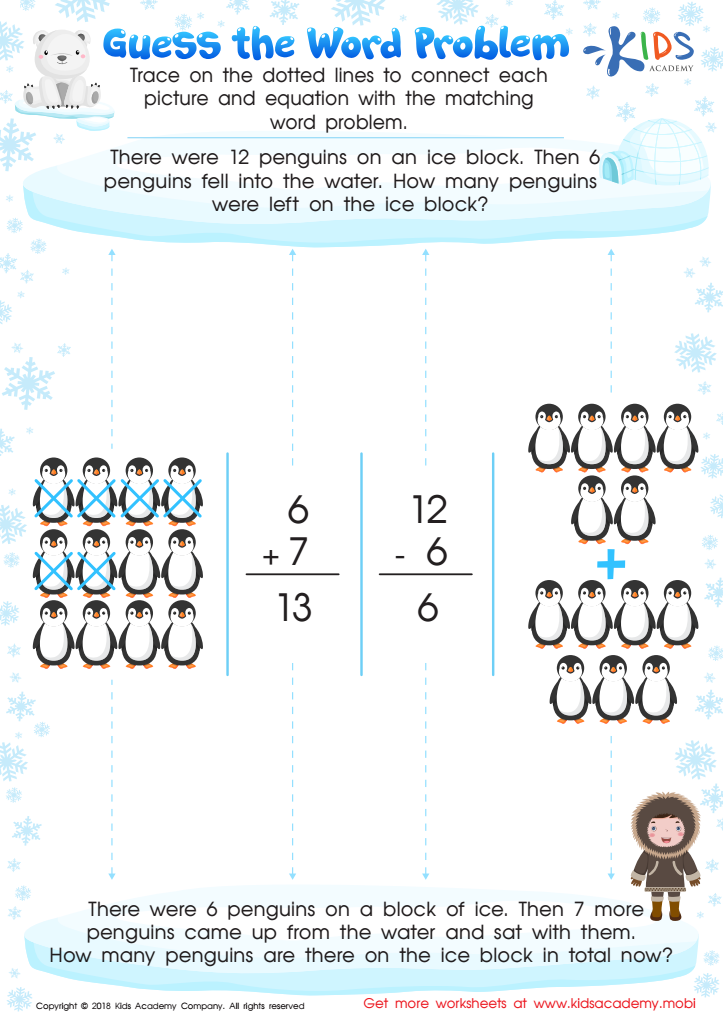
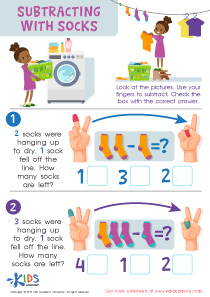
Guess the Word Problem Worksheet
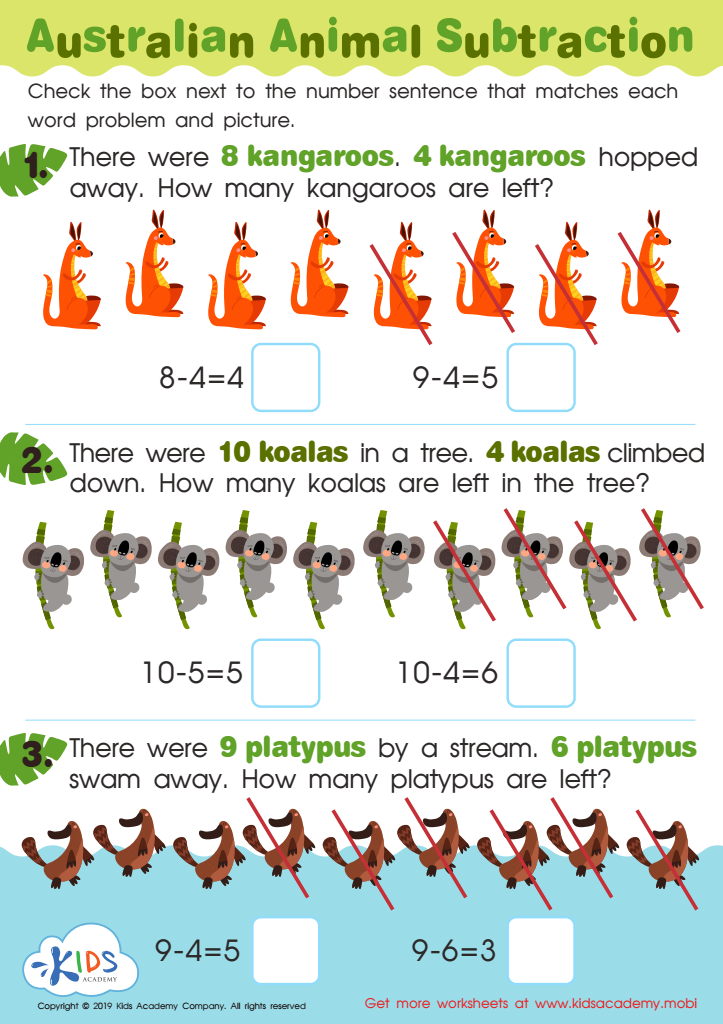
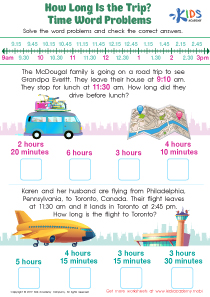
Australian Animal Subtraction Worksheet
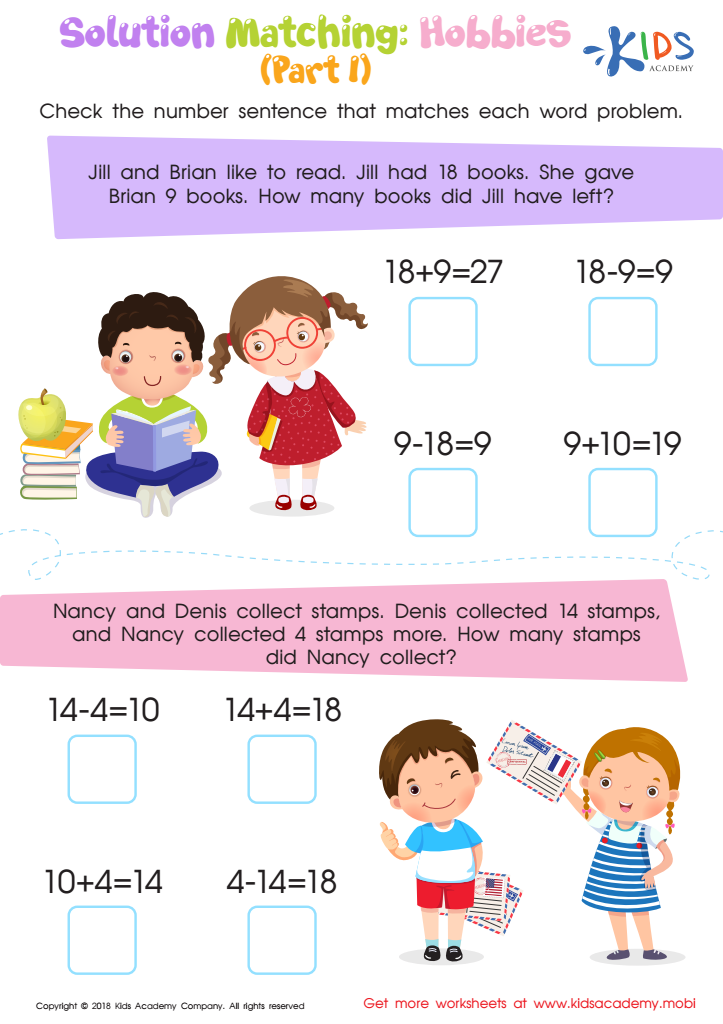
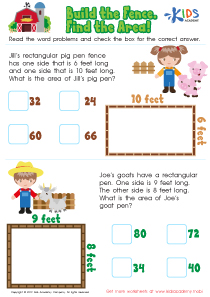
Solution Matching: Hobbies. Part 1 Worksheet








Cognitive development during early childhood lays the groundwork for future learning and problem-solving abilities. For children aged 5-7, engaging with addition and subtraction word problems plays a crucial role in enhancing these skills.
Firstly, solving word problems develops critical thinking and analytical abilities. Children learn to dissect a problem, understand its components, and determine the steps needed to find a solution. This process boosts logical reasoning and fosters a deeper understanding of mathematical concepts beyond mere rote memorization.
Secondly, word problems in addition and subtraction bridge math with real-life scenarios, making learning relevant and practical. By contextualizing numbers within stories or situations familiar to children, their engagement and retention improve. This meaningful connection helps solidify the abstract concepts of addition and subtraction because children can visualize and relate to the problems.
Additionally, addressing these problems cultivates foundational skills required for complex math in later grades. Early competency in these areas builds confidence and promotes a positive attitude towards mathematics, reducing anxiety and fostering a lifelong love for learning.
Lastly, early success in math-oriented tasks supports overall academic achievement. Children who excel in math often show better performance across other subjects, as they develop skills like concentration, patience, and systematic problem-solving.
In essence, parents and teachers should prioritize cognitive development through word problems to nurture well-rounded, confident learners prepared for future academic challenges.