Filters

82 filtered results

Clear all filters
Favorites
With answer key
Interactive

82 filtered results

Difficulty Level

Grade


Subject

    Check out this FREE Trial Lesson on Addition & Subtraction for age 5-7!

    D

    Favorites
    With answer key
    Interactive
    • 5-7
    • Fine Motor Skills
    • Addition & Subtraction
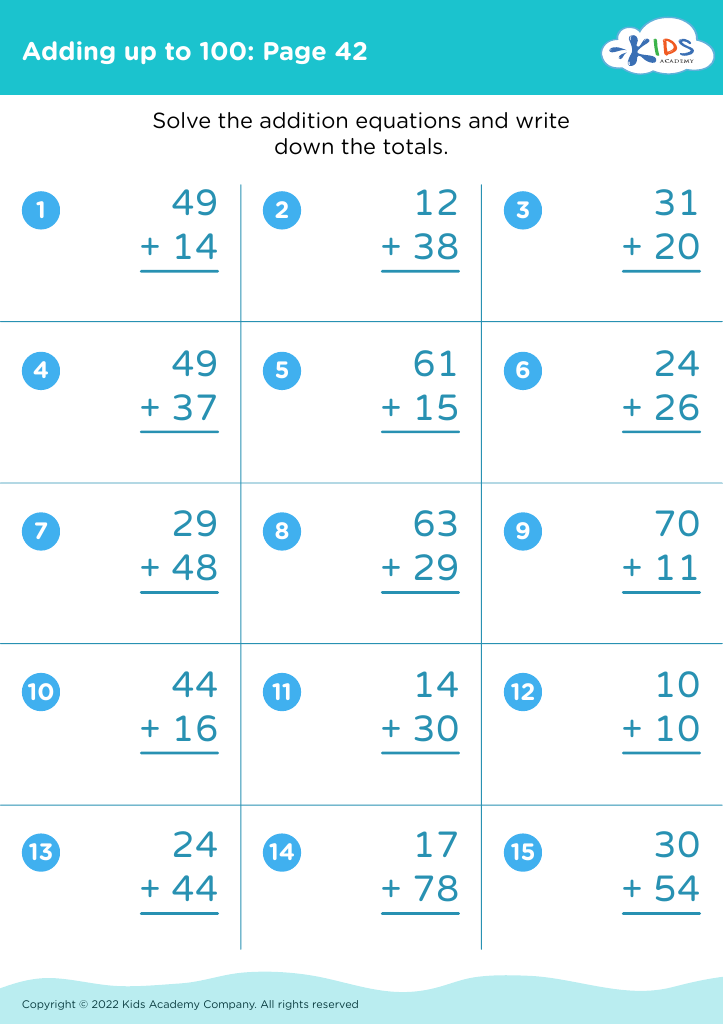
    Adding up to 100: Page 42
    Adding up to 100: Page 42

    Adding up to 100: Page 42

    Adding up to 100: Page 42
    Worksheet
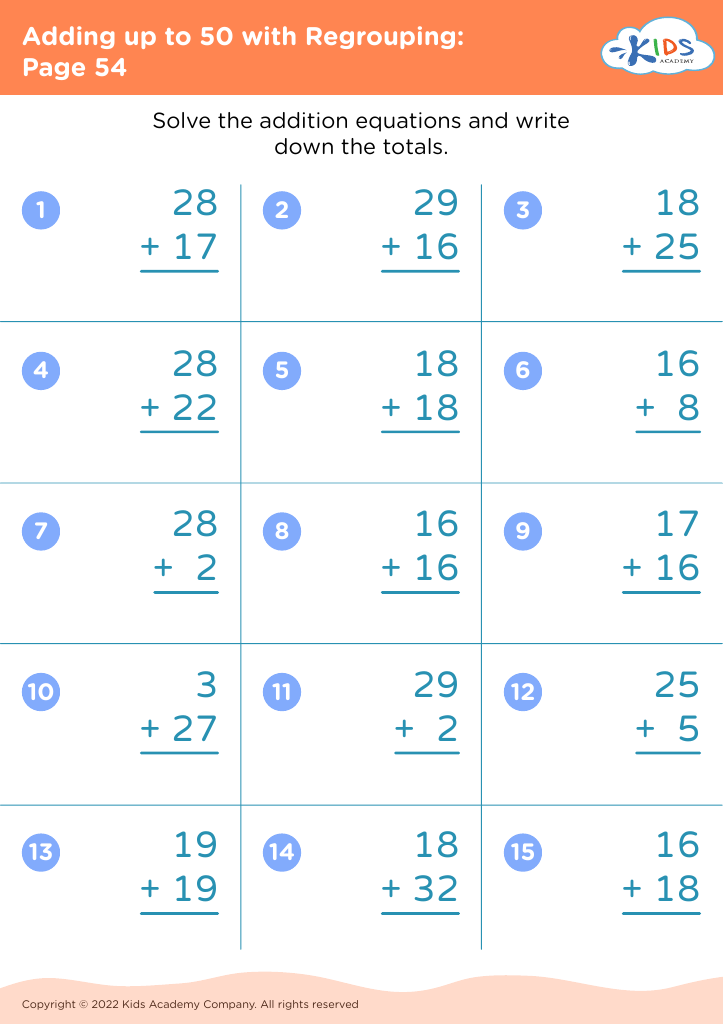
    Adding up to 50 with Regrouping: Page 54
    Adding up to 50 with Regrouping: Page 54
    Adding up to 50 with Regrouping: Page 54
    Worksheet
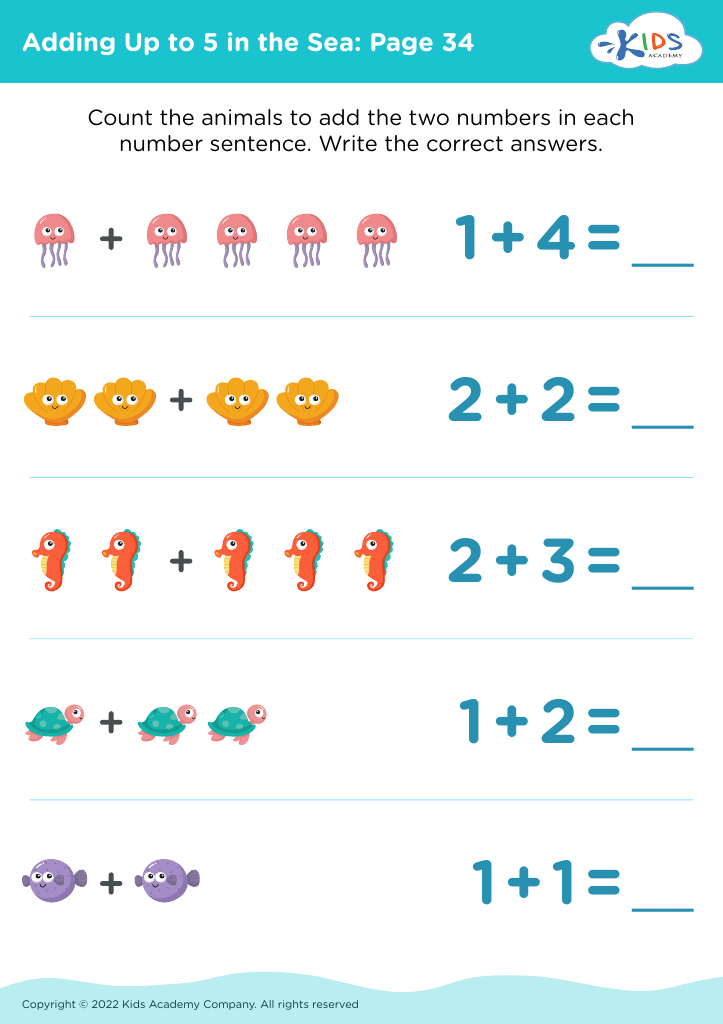
    Adding Up to 5 in the Sea: Page 34
    Adding Up to 5 in the Sea: Page 34
    Adding Up to 5 in the Sea: Page 34
    Worksheet
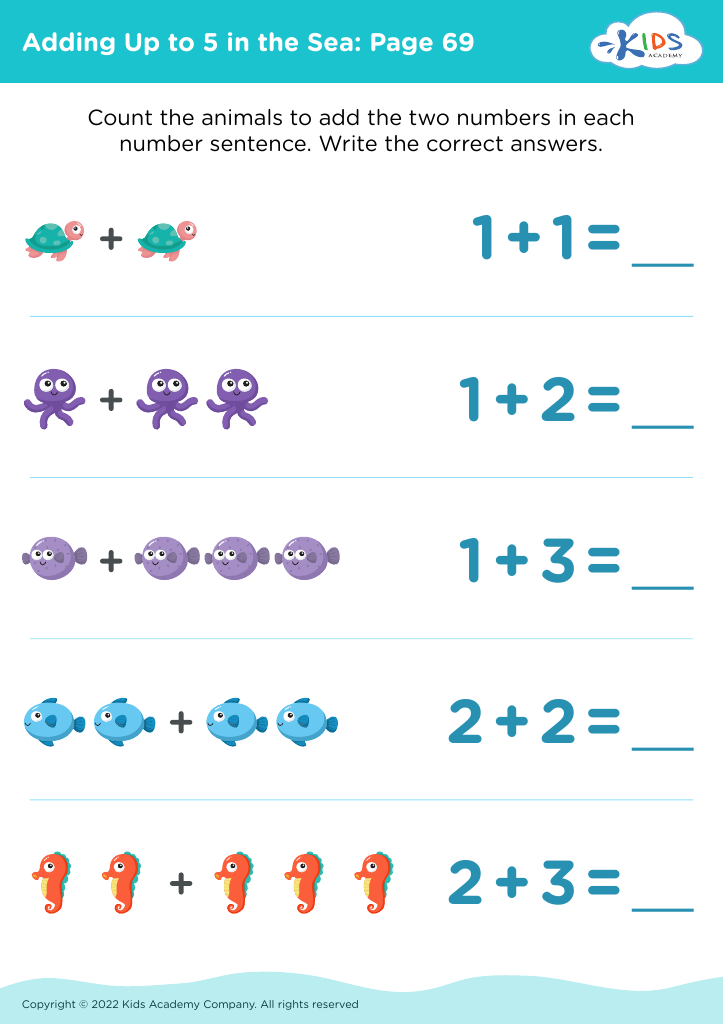
    Adding Up to 5 in the Sea: Page 69
    Adding Up to 5 in the Sea: Page 69
    Adding Up to 5 in the Sea: Page 69
    Worksheet
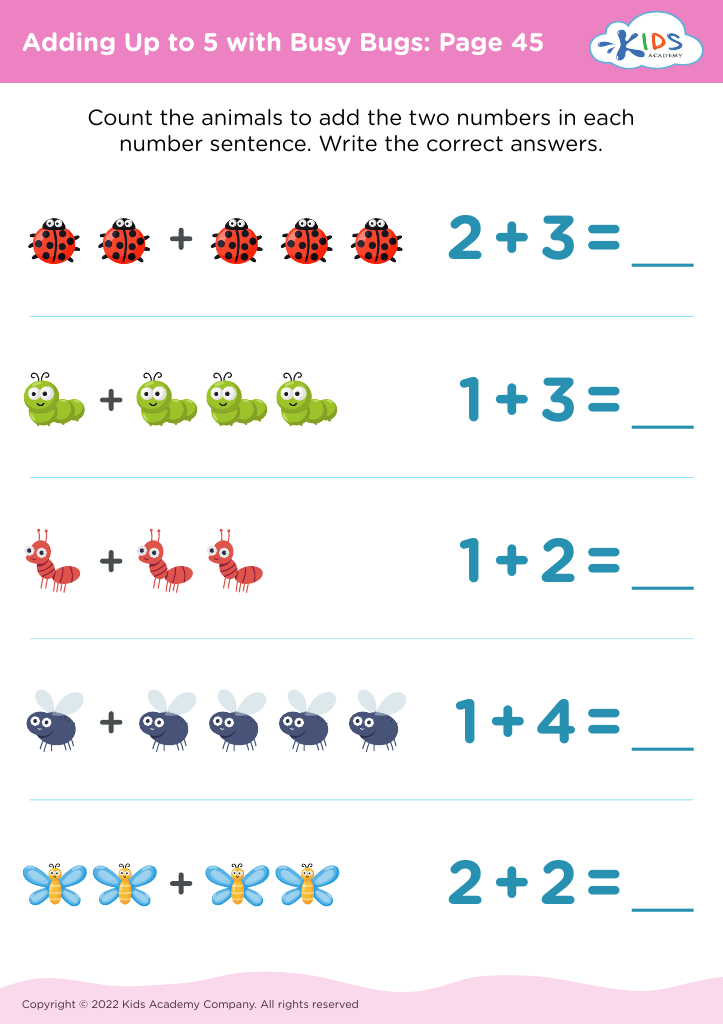
    Adding Up to 5 with Busy Bugs: Page 45
    Adding Up to 5 with Busy Bugs: Page 45
    Adding Up to 5 with Busy Bugs: Page 45
    Worksheet
    18 Candles Worksheet
    18 Candles Worksheet

    18 Candles Worksheet

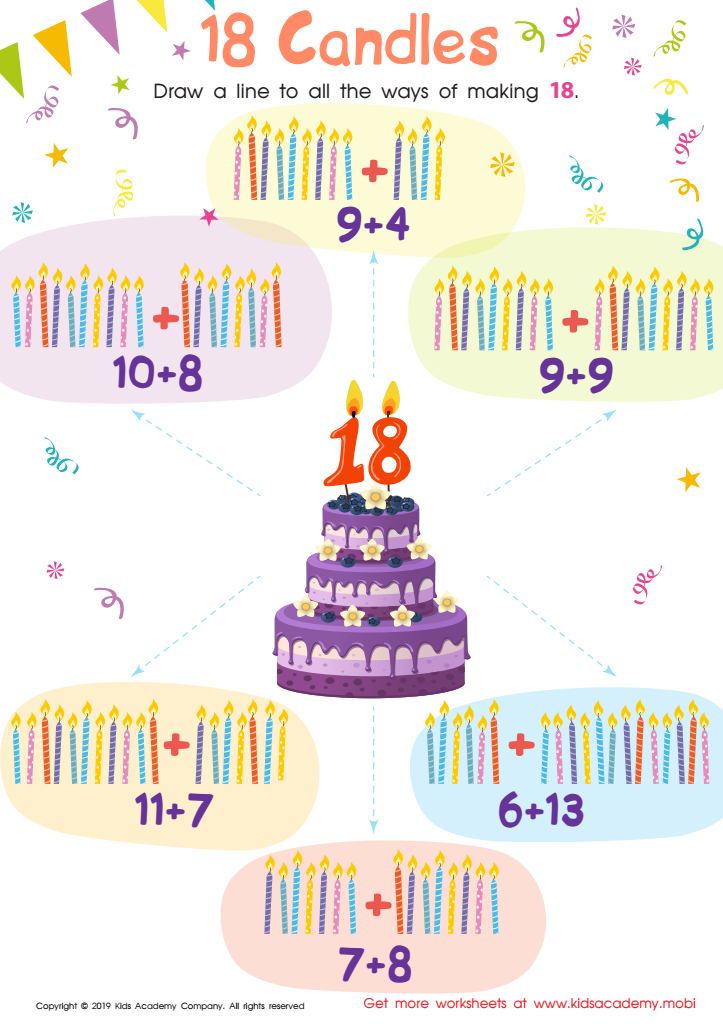
    This worksheet is great for introducing your students to addition and subtraction. Help your kids solve the simple equations on it and draw a line from the birthday cake with 18 on it to all the solutions. Practice like this will prepare them to tackle more complex math problems.
    18 Candles Worksheet
    Worksheet
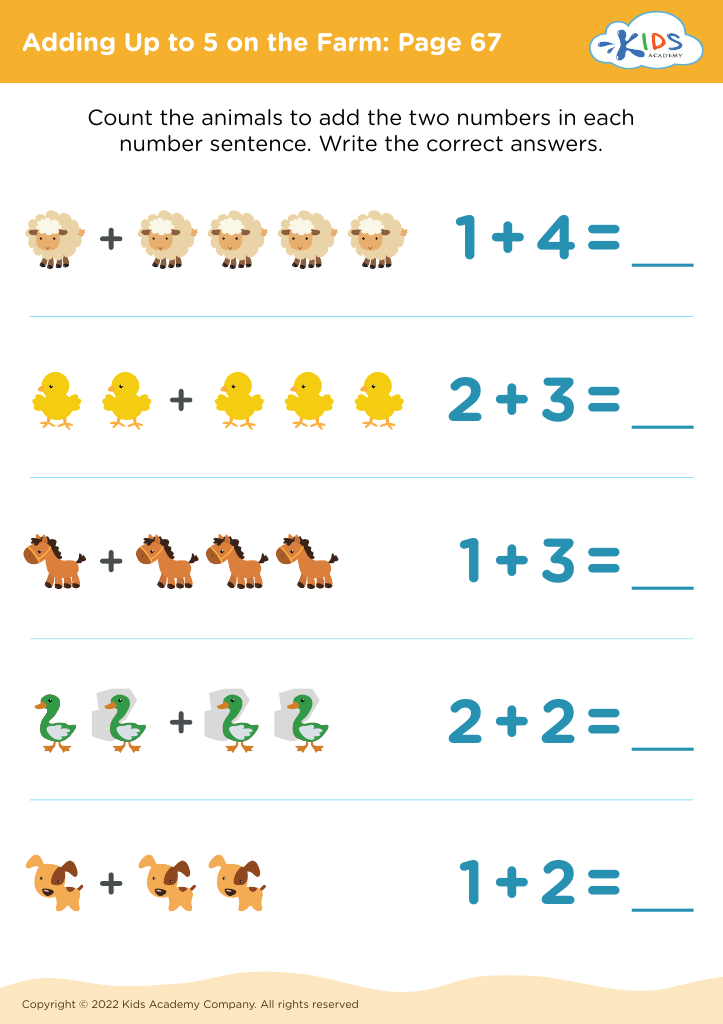
    Adding Up to 5 on the Farm: Page 67
    Adding Up to 5 on the Farm: Page 67
    Adding Up to 5 on the Farm: Page 67
    Worksheet
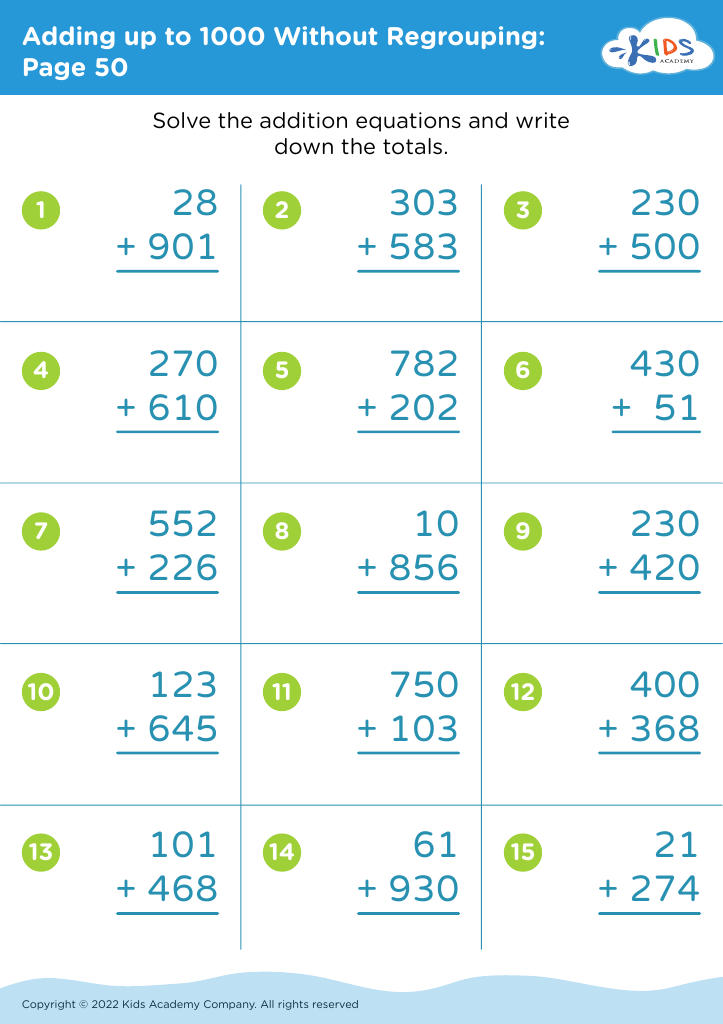
    Adding up to 1000 Without Regrouping: Page 50
    Adding up to 1000 Without Regrouping: Page 50
    Adding up to 1000 Without Regrouping: Page 50
    Worksheet
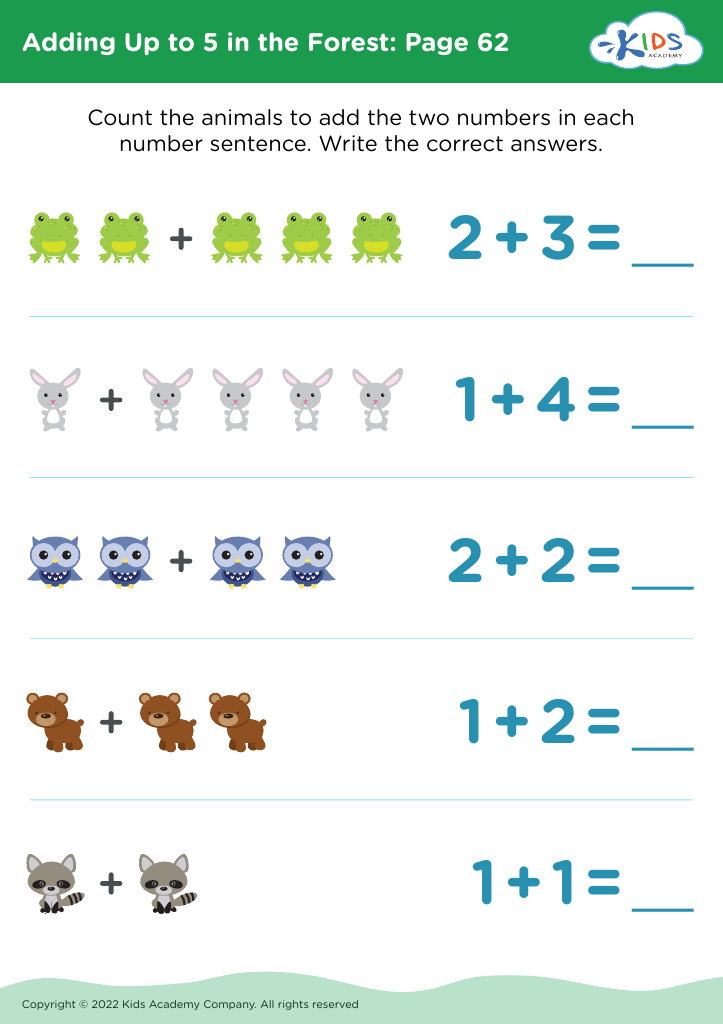
    Adding Up to 5 in the Forest: Page 62
    Adding Up to 5 in the Forest: Page 62
    Adding Up to 5 in the Forest: Page 62
    Worksheet
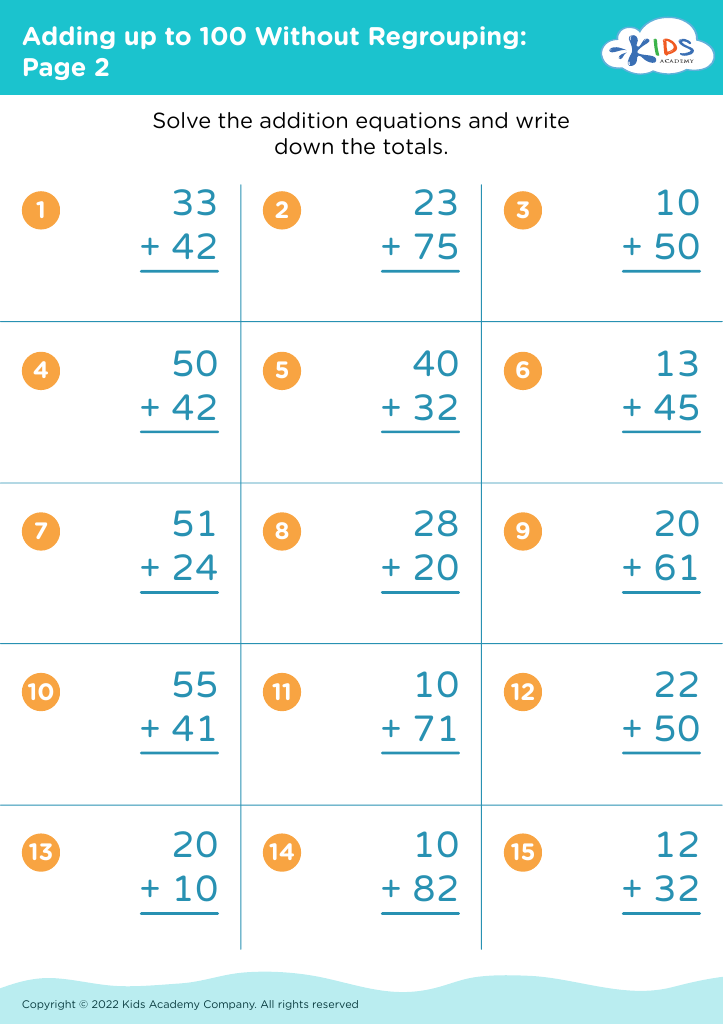
    Adding up to 100 Without Regrouping: Page 2
    Adding up to 100 Without Regrouping: Page 2
    Adding up to 100 Without Regrouping: Page 2
    Worksheet
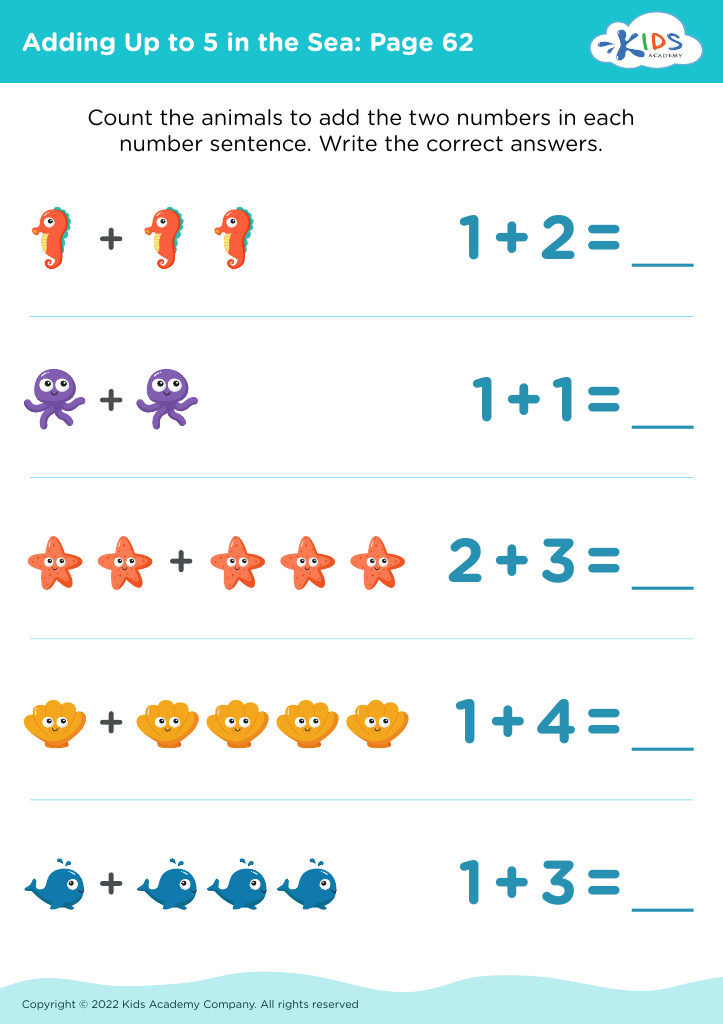
    Adding Up to 5 in the Sea: Page 62
    Adding Up to 5 in the Sea: Page 62
    Adding Up to 5 in the Sea: Page 62
    Worksheet
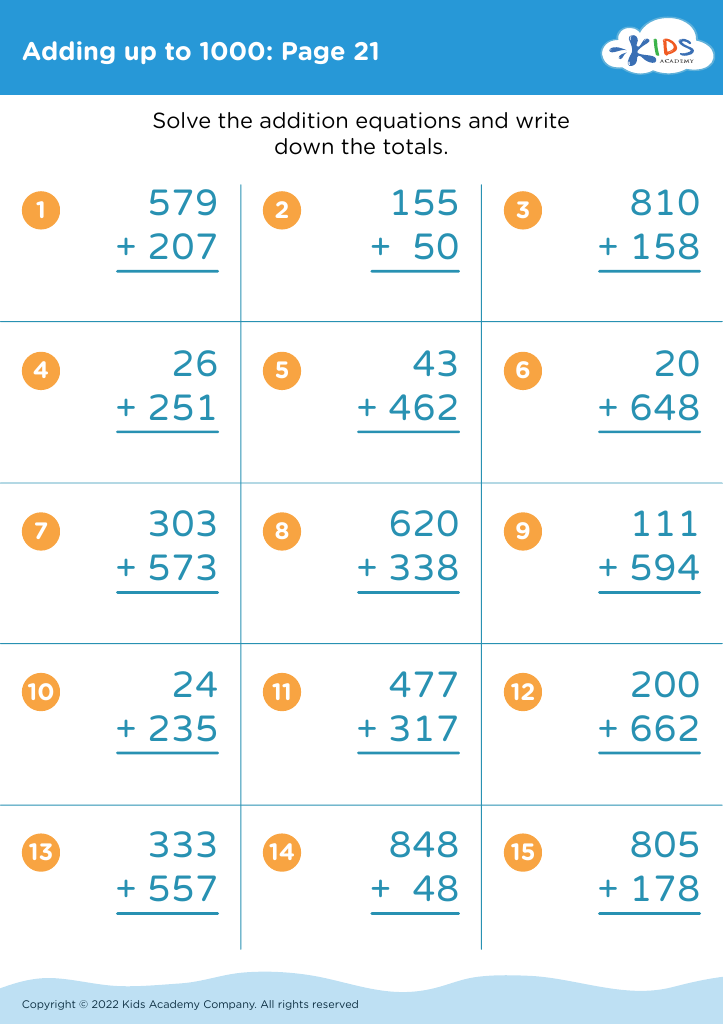
    Adding up to 1000: Page 21
    Adding up to 1000: Page 21

    Adding up to 1000: Page 21

    Adding up to 1000: Page 21
    Worksheet
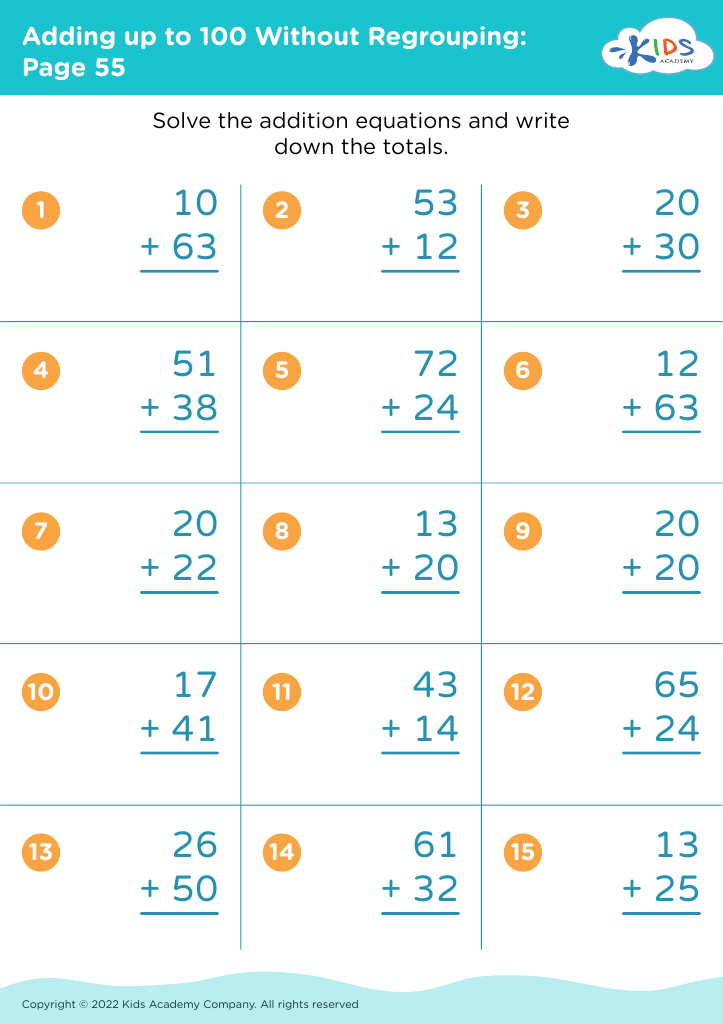
    Adding up to 100 Without Regrouping: Page 55
    Adding up to 100 Without Regrouping: Page 55
    Adding up to 100 Without Regrouping: Page 55
    Worksheet
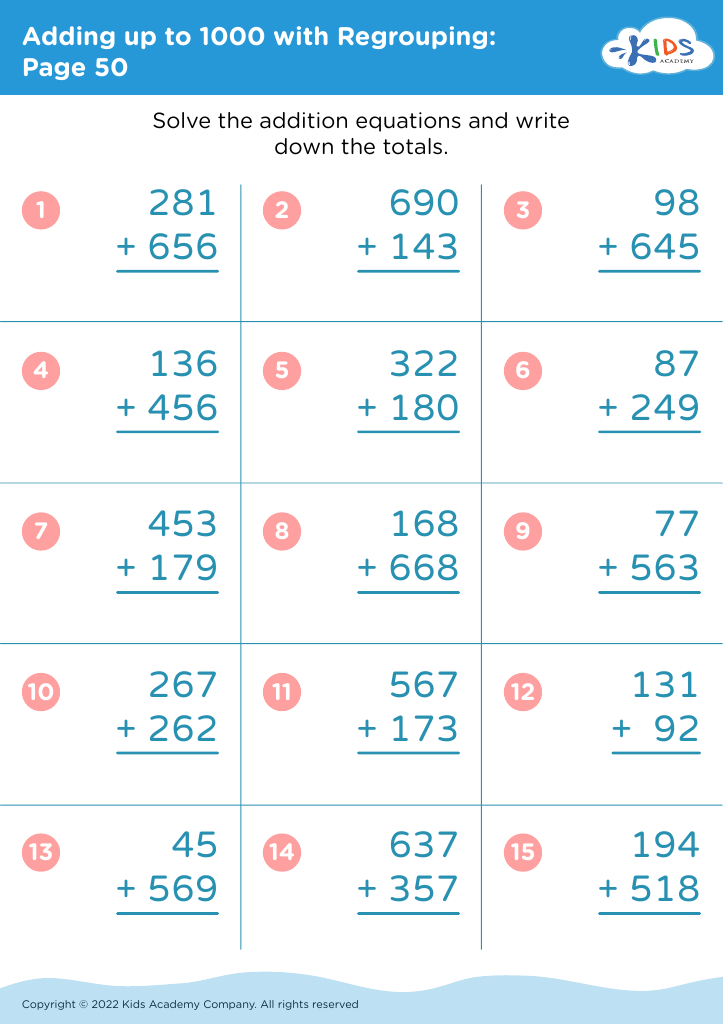
    Adding up to 1000 with Regrouping: Page 50
    Adding up to 1000 with Regrouping: Page 50
    Adding up to 1000 with Regrouping: Page 50
    Worksheet
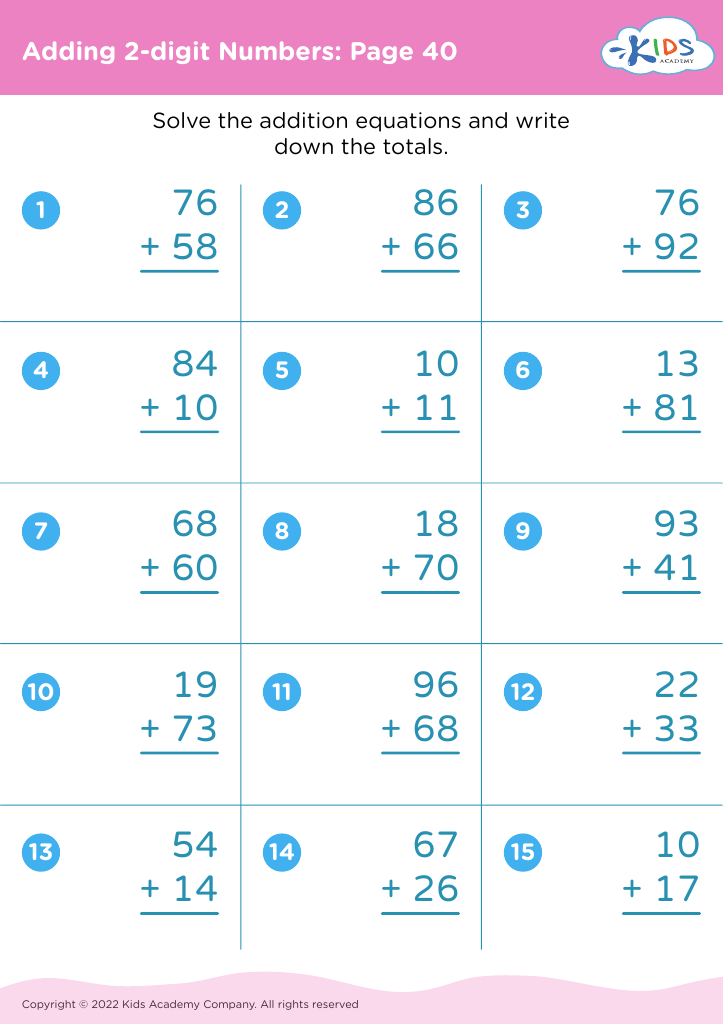
    Adding 2-digit Numbers: Page 40
    Adding 2-digit Numbers: Page 40

    Adding 2-digit Numbers: Page 40

    Adding 2-digit Numbers: Page 40
    Worksheet
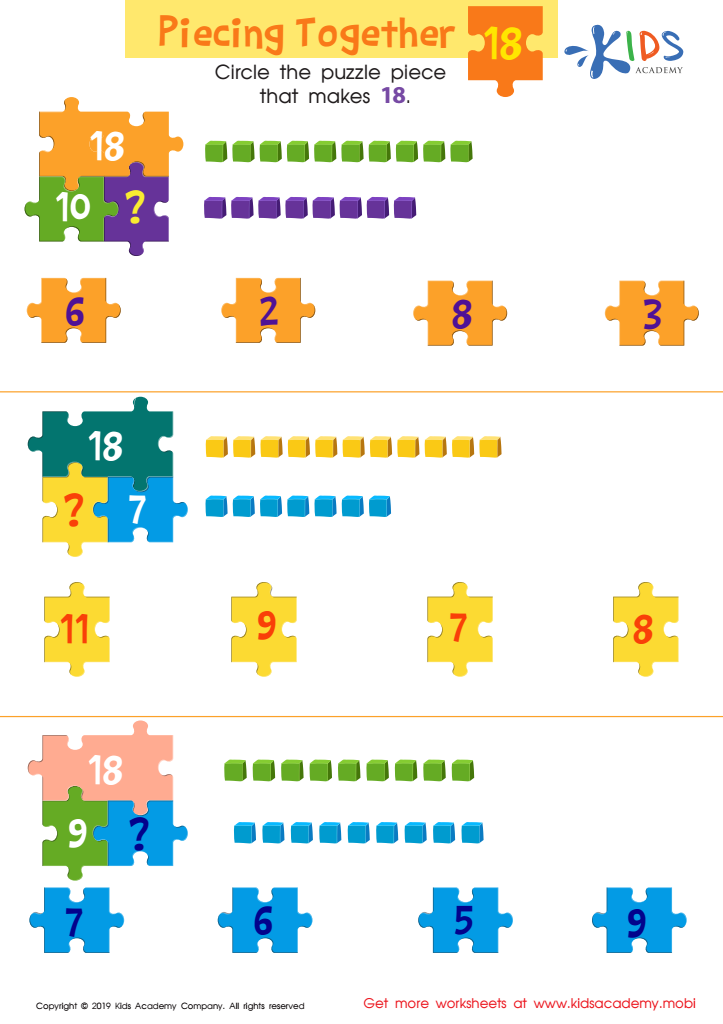
    Piecing Together 18 Worksheet
    Piecing Together 18 Worksheet
    Piecing Together 18 Worksheet
    Let your preschoolers learn and have fun with this colorful worksheet. Look at the picture with them and ask what they see. Help them solve the equations missing on each puzzle piece and then circle the one that will make the bottom puzzle piece numbers equal 16. Puzzles and bright colors make learning easy and enjoyable!
    Piecing Together 18 Worksheet
    Worksheet
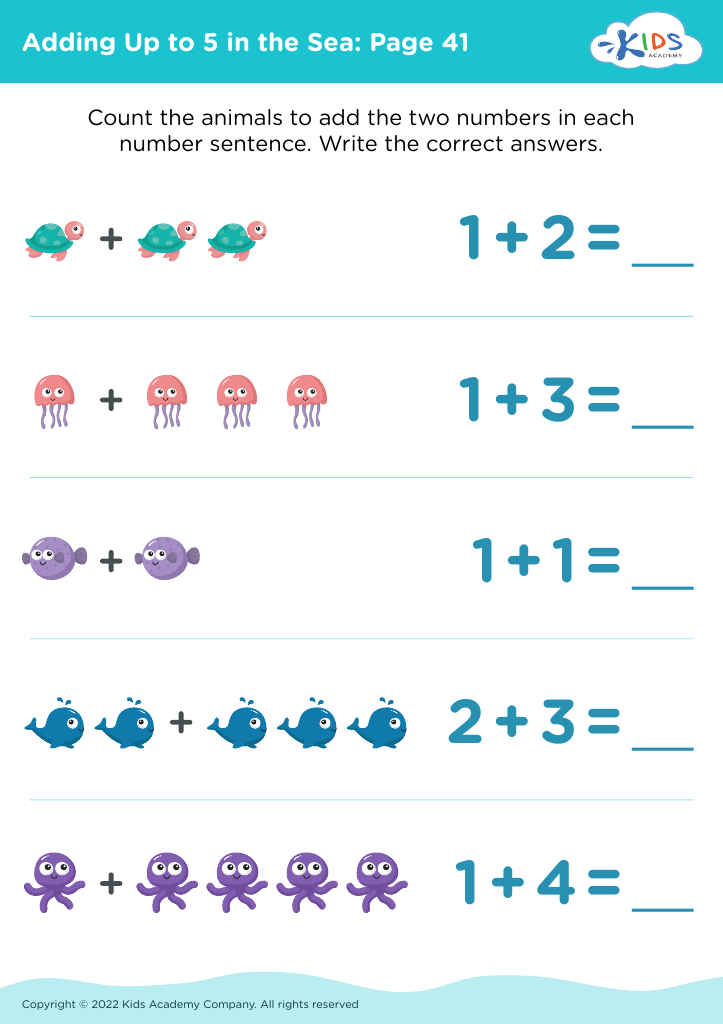
    Adding Up to 5 in the Sea: Page 41
    Adding Up to 5 in the Sea: Page 41
    Adding Up to 5 in the Sea: Page 41
    Worksheet
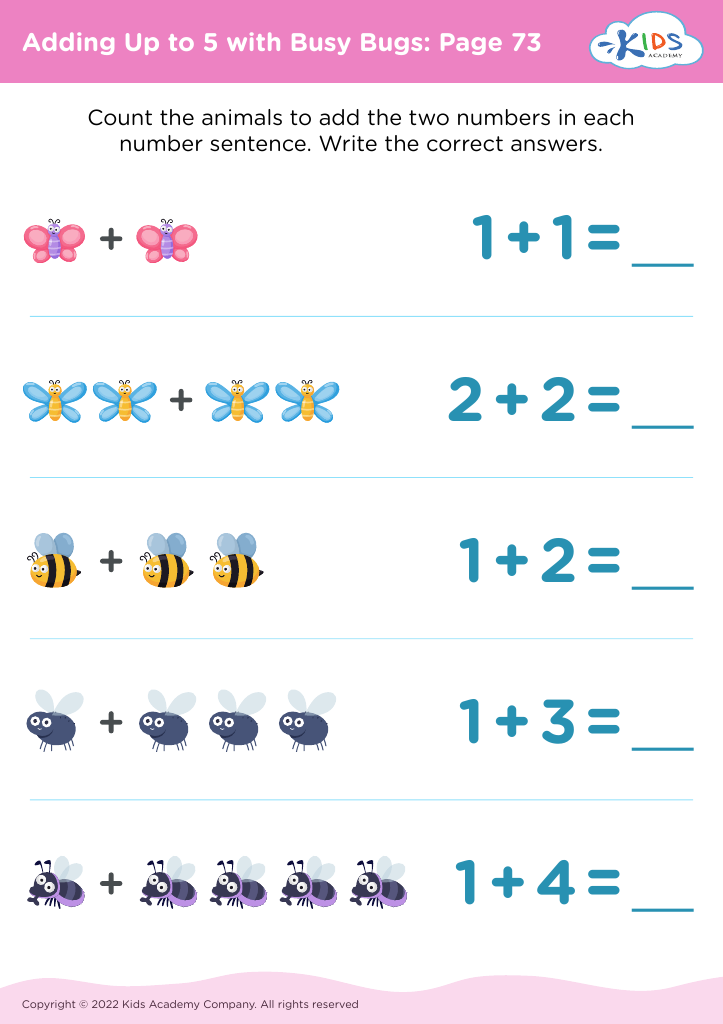
    Adding Up to 5 with Busy Bugs: Page 73
    Adding Up to 5 with Busy Bugs: Page 73
    Adding Up to 5 with Busy Bugs: Page 73
    Worksheet
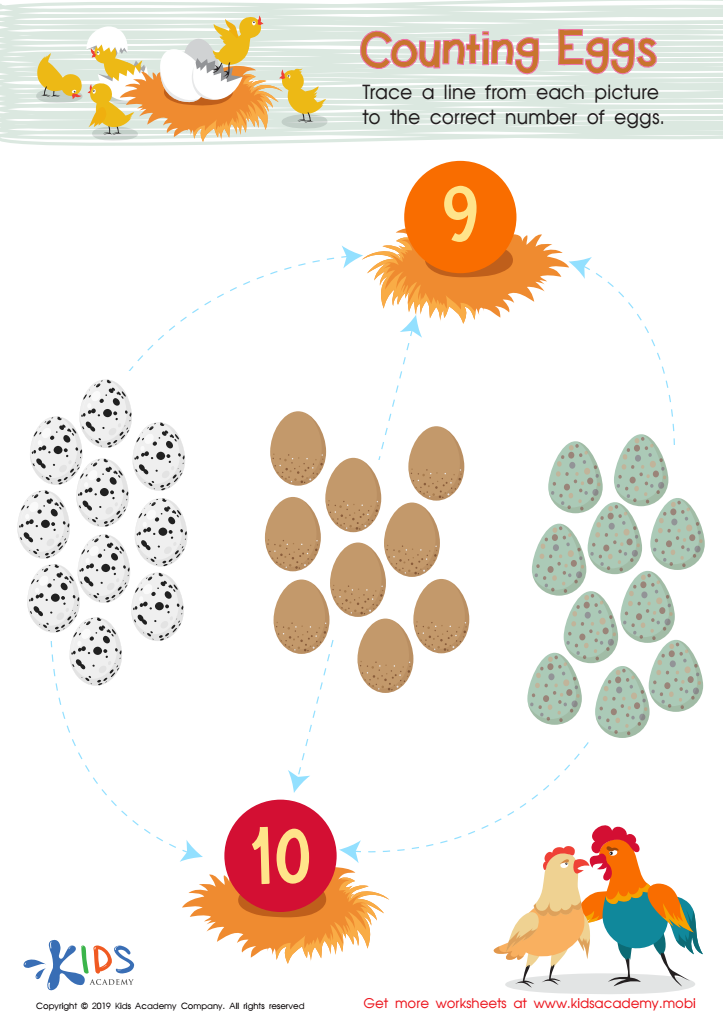
    Counting Eggs Worksheet
    Counting Eggs Worksheet

    Counting Eggs Worksheet

    This worksheet is great for teaching kindergarteners to count and add numbers. It includes colorful pictures of eggs with numbers to trace. Help students count the eggs and draw a line to the right number. This will make learning fun and easy!
    Counting Eggs Worksheet
    Worksheet
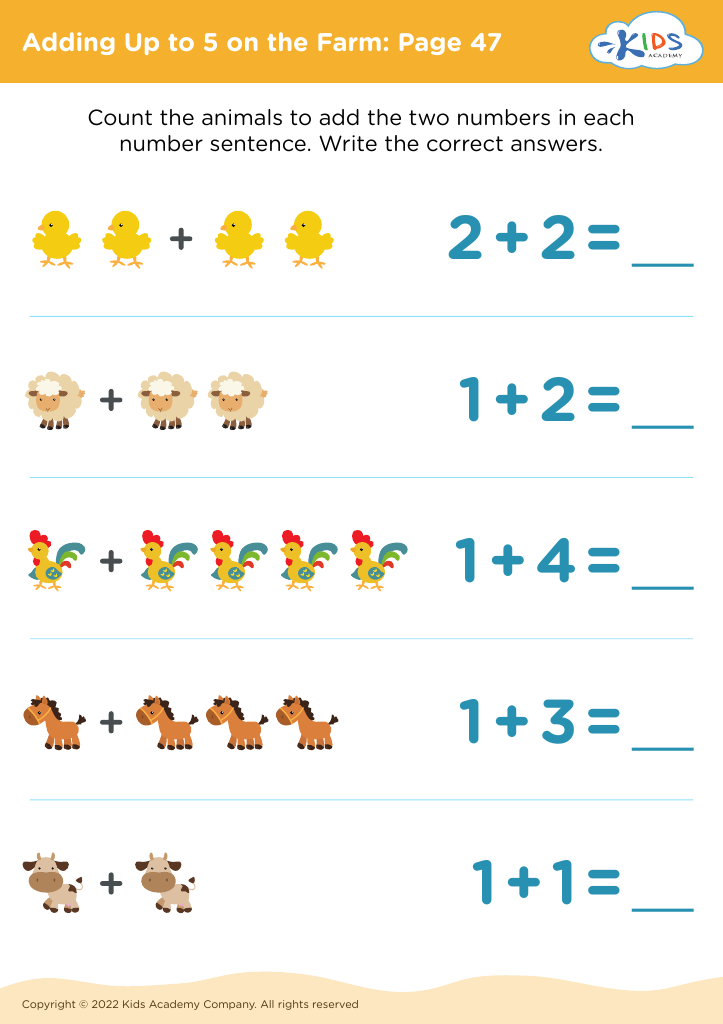
    Adding Up to 5 on the Farm: Page 47
    Adding Up to 5 on the Farm: Page 47
    Adding Up to 5 on the Farm: Page 47
    Worksheet
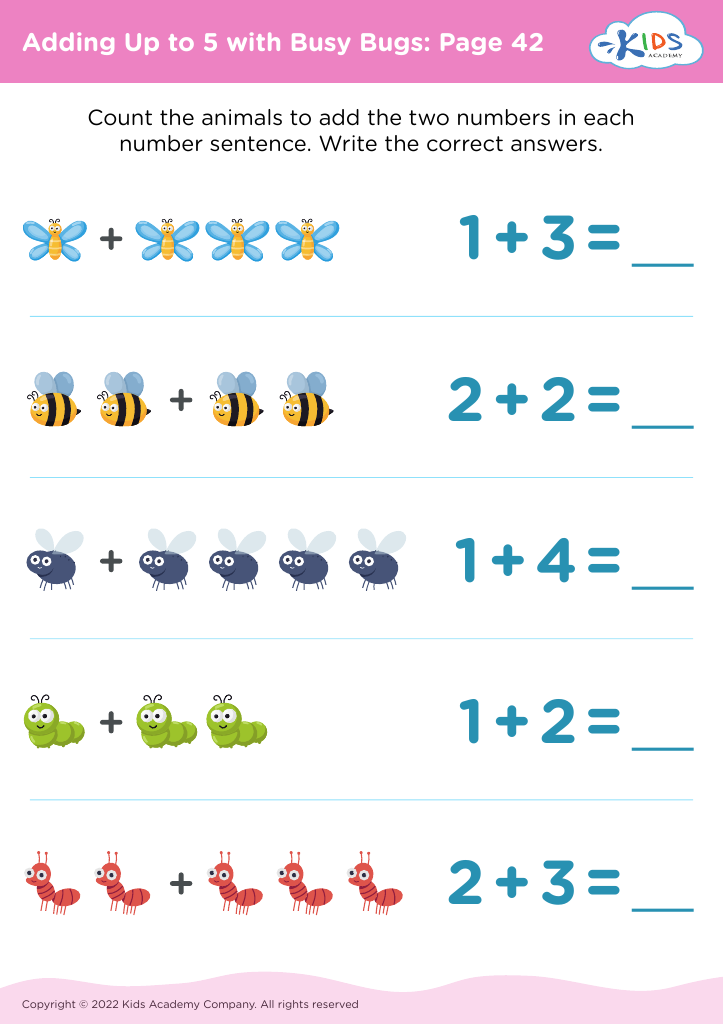
    Adding Up to 5 with Busy Bugs: Page 42
    Adding Up to 5 with Busy Bugs: Page 42
    Adding Up to 5 with Busy Bugs: Page 42
    Worksheet
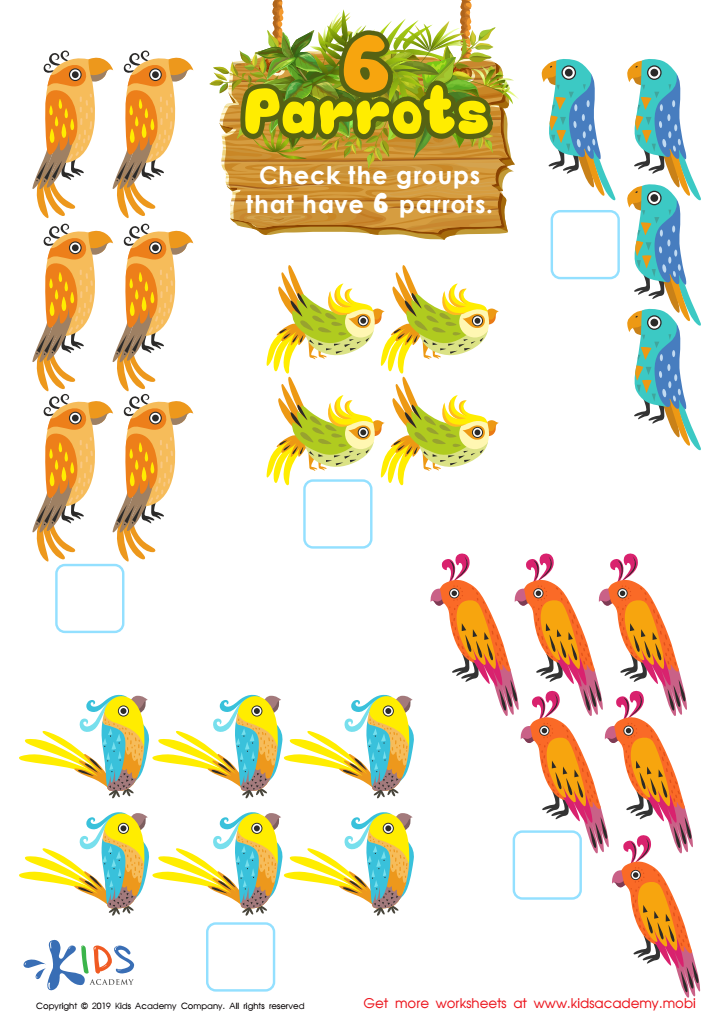
    6 Parrots Worksheet
    6 Parrots Worksheet

    6 Parrots Worksheet

    Love parrots? Here's a free worksheet to help your children practice counting to six with colorful parrot representations! Kids will adore counting the parrots and checking off groups of six - and it won't even feel like math! Just a fun way to make some new and exciting friends.
    6 Parrots Worksheet
    Worksheet
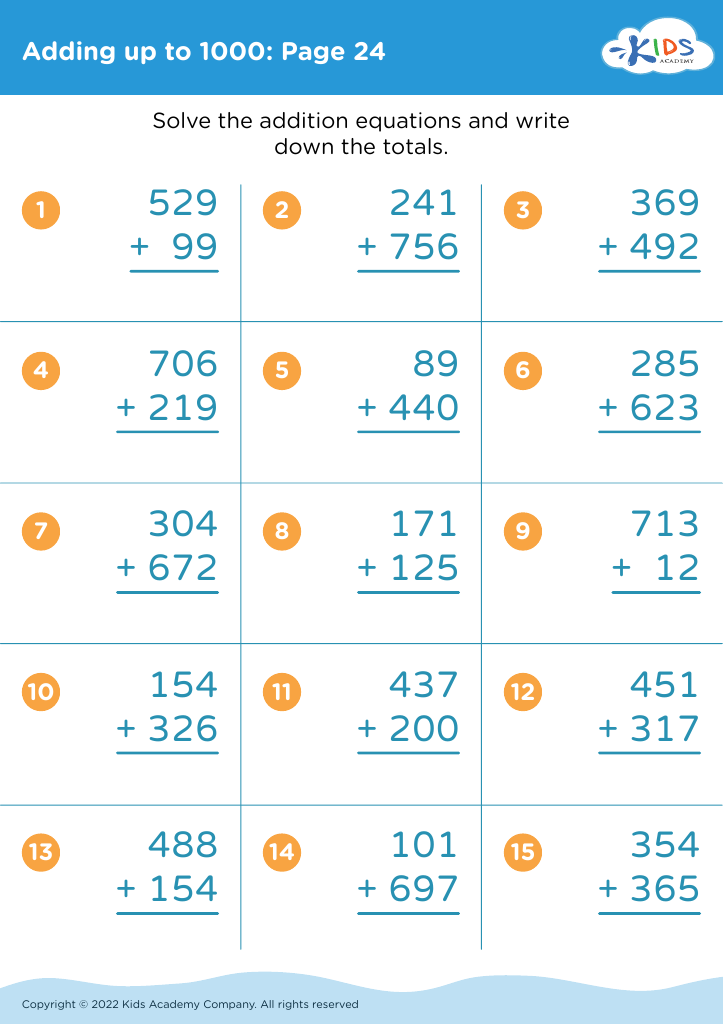
    Adding up to 1000: Page 24
    Adding up to 1000: Page 24

    Adding up to 1000: Page 24

    Adding up to 1000: Page 24
    Worksheet
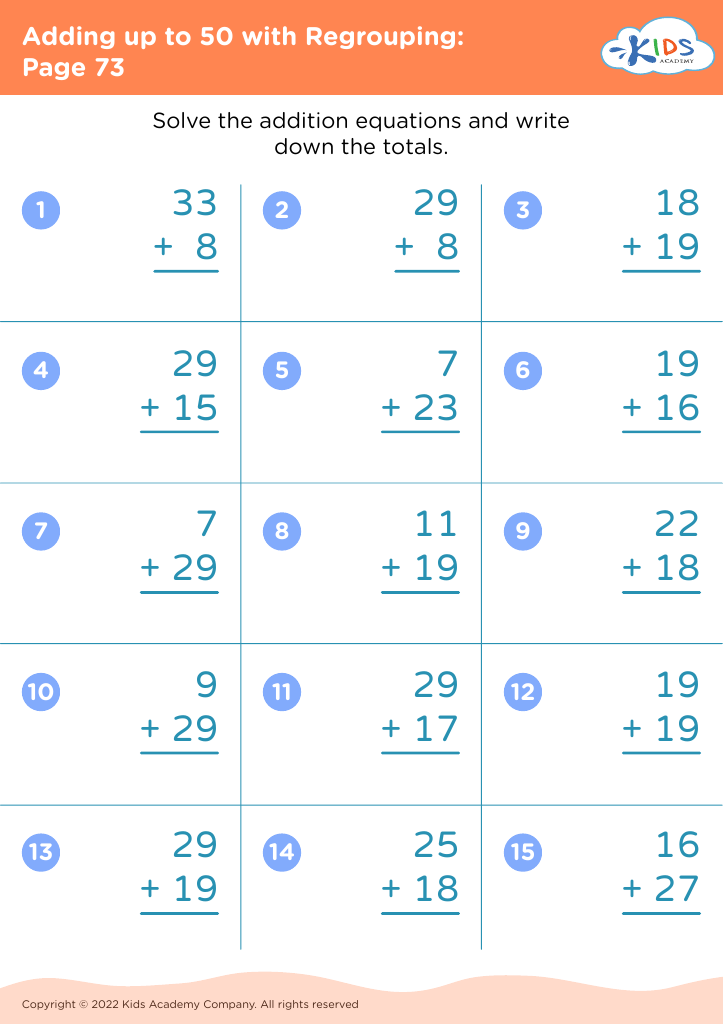
    Adding up to 50 with Regrouping: Page 73
    Adding up to 50 with Regrouping: Page 73
    Adding up to 50 with Regrouping: Page 73
    Worksheet


    Fine motor skills are essential for children aged 5-7 as they form the foundation for various academic and everyday tasks, including addition and subtraction. At this age, children are not only learning basic math concepts but also developing the dexterity required to manipulate objects, which supports their numeracy skills.

    Engaging children in activities that enhance fine motor skills—such as cutting with scissors, threading beads, or building with blocks—invites opportunities for counting, grouping, and organizing numbers. This not only makes math tangible but also encourages problem-solving and critical thinking. For instance, using small objects like coins or buttons allows children to physically represent addition and subtraction, reinforcing their understanding of these concepts through manipulation.

    Moreover, with well-developed fine motor skills, children gain greater confidence and independence in their learning. As they master tasks like writing numbers or drawing calculations, they are more likely to engage positively with mathematical practices, fostering a love for learning.

    Parents and teachers play an integral role in deliberately incorporating fine motor skill activities into everyday routines. By doing so, they support a child’s overall development, paving the way for successful mathematical understanding and real-world application. Thus, nurturing fine motor skills is essential for enhancing both academic and life skills in young learners.