Improving math skills Addition & Subtraction Worksheets for Ages 5-7 - Page 2
29 filtered results
-
From - To
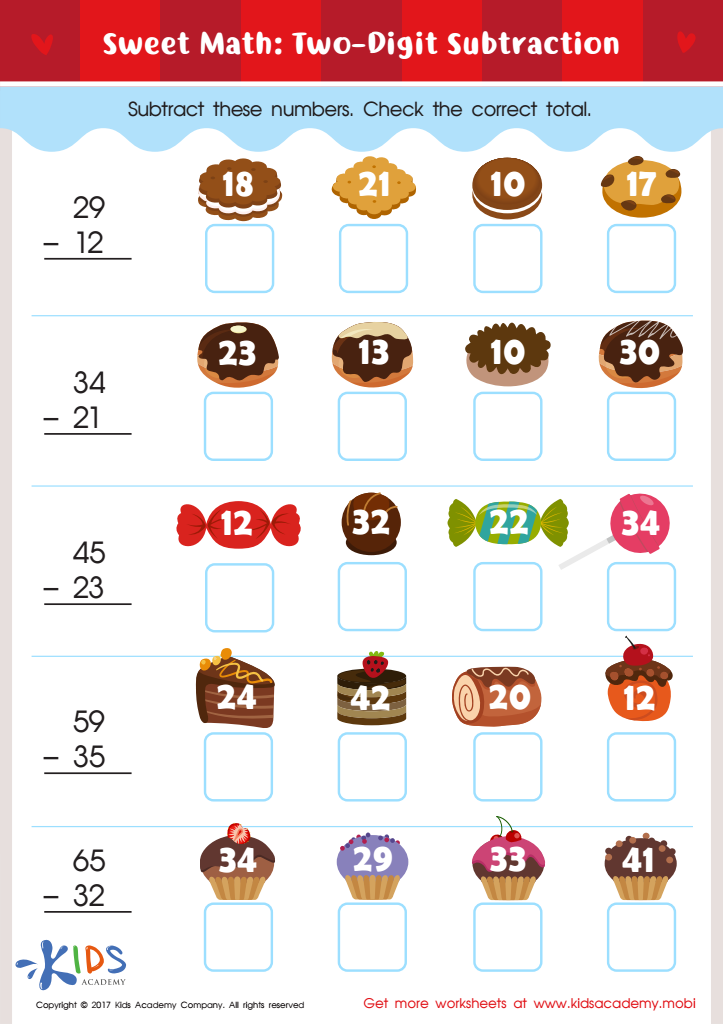
Two Digit Subtraction Worksheet
 Assign to My Students
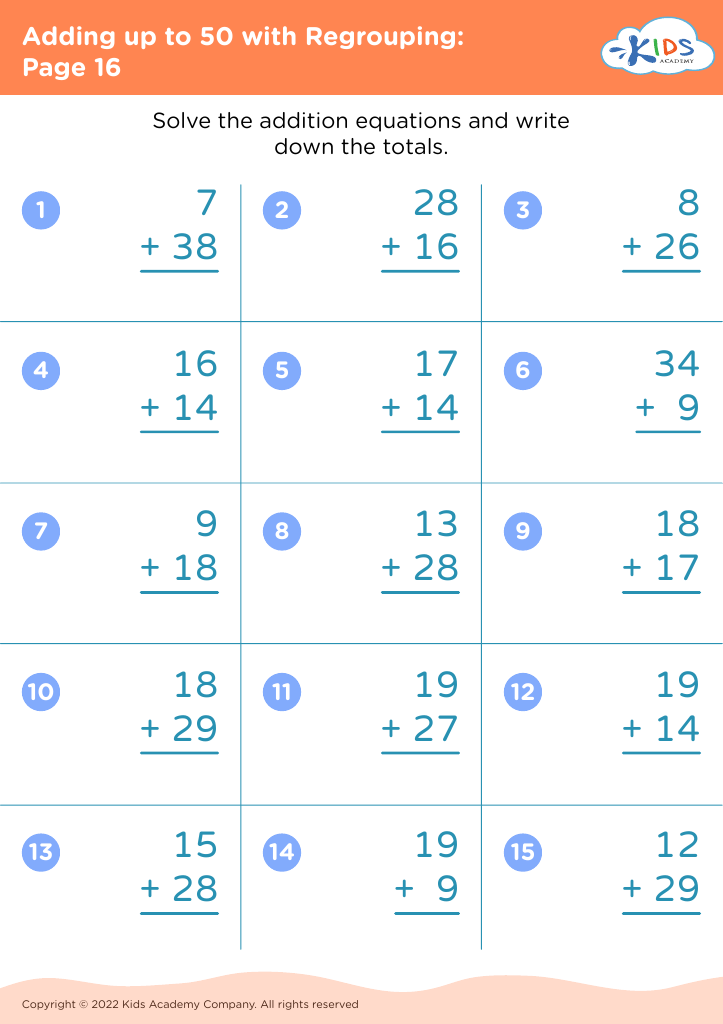
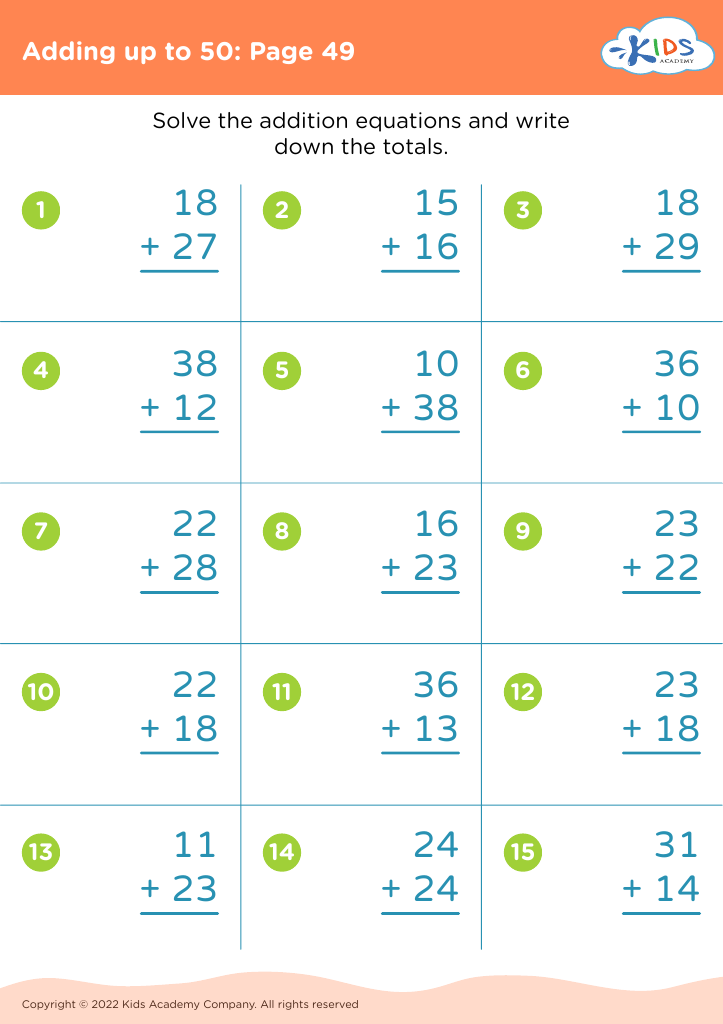
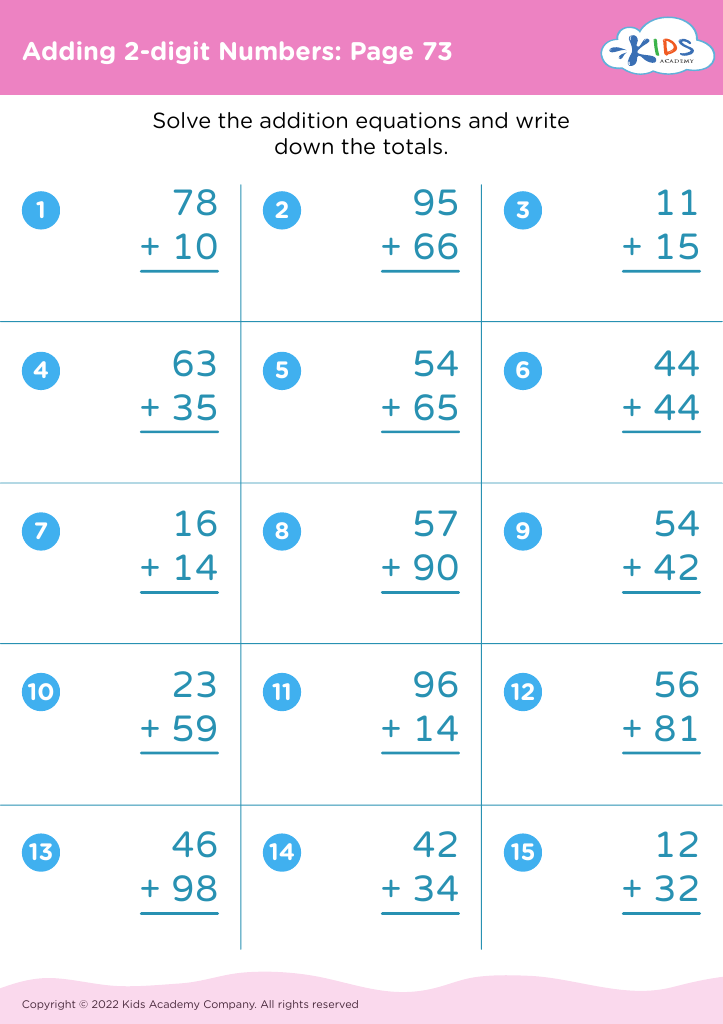
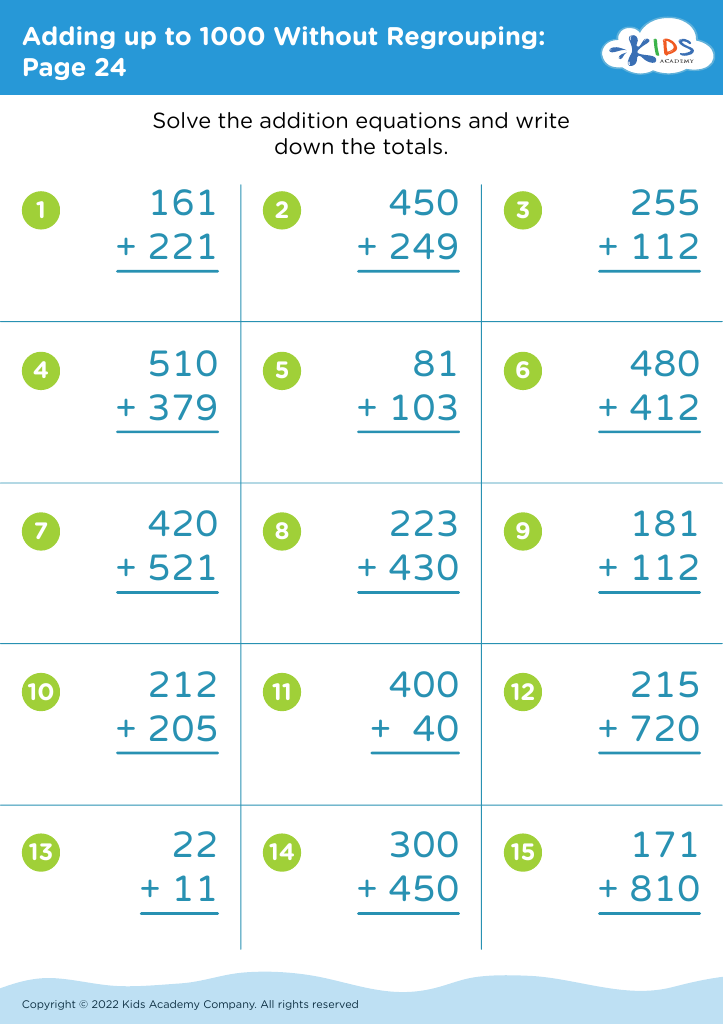








Improving math skills in addition and subtraction for children aged 5-7 is crucial for setting a strong educational foundation. During these formative years, math skills play a central role in cognitive development. Learning addition and subtraction helps children understand basic number concepts, shapes their reasoning abilities, and enhances problem-solving skills.
When parents and teachers nurture these skills, they are not just helping kids excel academically but also preparing them for real-life situations. Simple daily activities like sharing, shopping, or telling time increasingly rely on basic math knowledge. Early proficiency in these skills fosters self-confidence and reduces math-related anxiety, which can be a significant barrier to learning in later years.
Moreover, developing strong addition and subtraction skills translates to improved performance in other subjects, such as science and technology, as these areas also demand numerical proficiency. This early math education can ignite a child’s curiosity and passion for learning, leading to lifelong educational benefits.
By prioritizing math skills in these early years, parents and teachers are investing in a child’s future, laying the groundwork for more complex mathematical concepts, academic success, and practical life skills. Supporting children in mastering these initial steps can set a positive trajectory for their entire educational journey.








