
Basic subtraction Addition Worksheets for Ages 5-7
5 filtered results
Difficulty Level
Grade
Age
-
From - To
Subject
Activity
Standards
Our "Basic Subtraction and Addition Worksheets for Ages 5-7" are designed to make learning math fun and engaging for young learners. With bright, kid-friendly visuals and simple problems, these worksheets help children practice and master the fundamentals of addition and subtraction. Each worksheet provides a variety of exercises to enhance problem-solving skills and build a strong math foundation. Ideal for classroom or home use, these activities can boost confidence and foster a love for math. Equip your child with the tools they need to succeed in math through our thoughtfully crafted worksheets centered on essential early learning skills.
Favorites
With answer key
Interactive
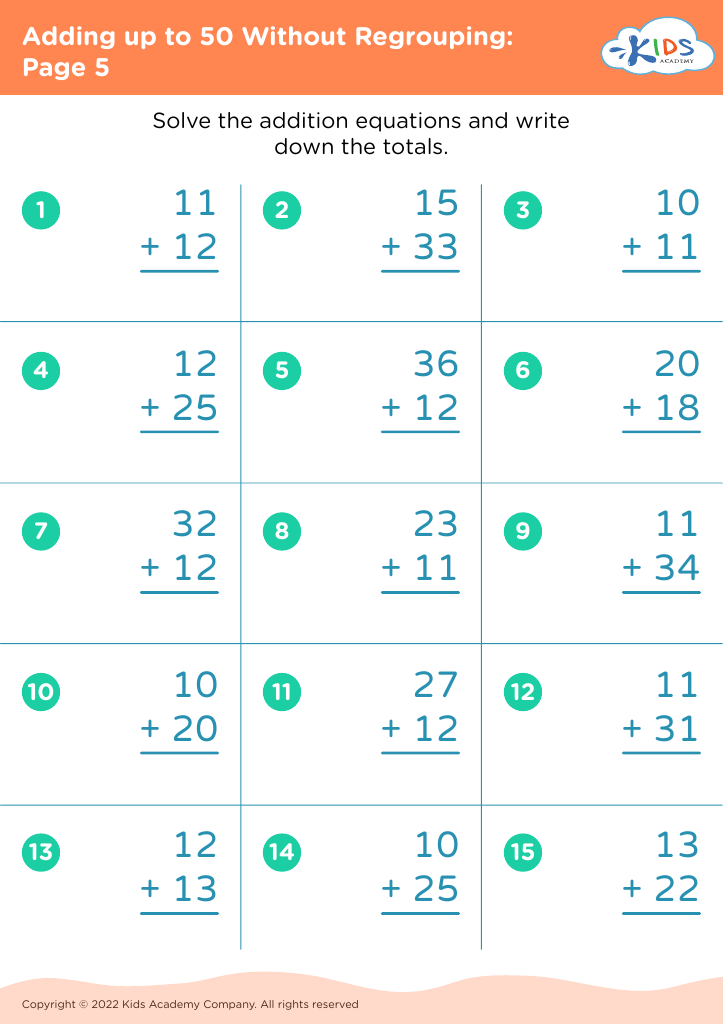
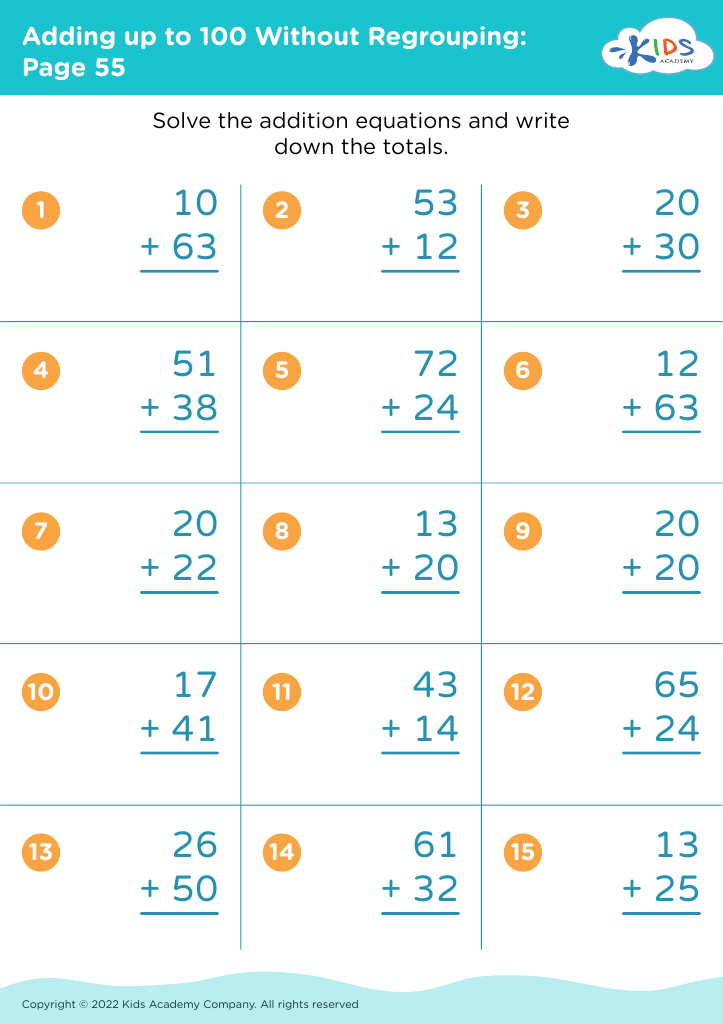
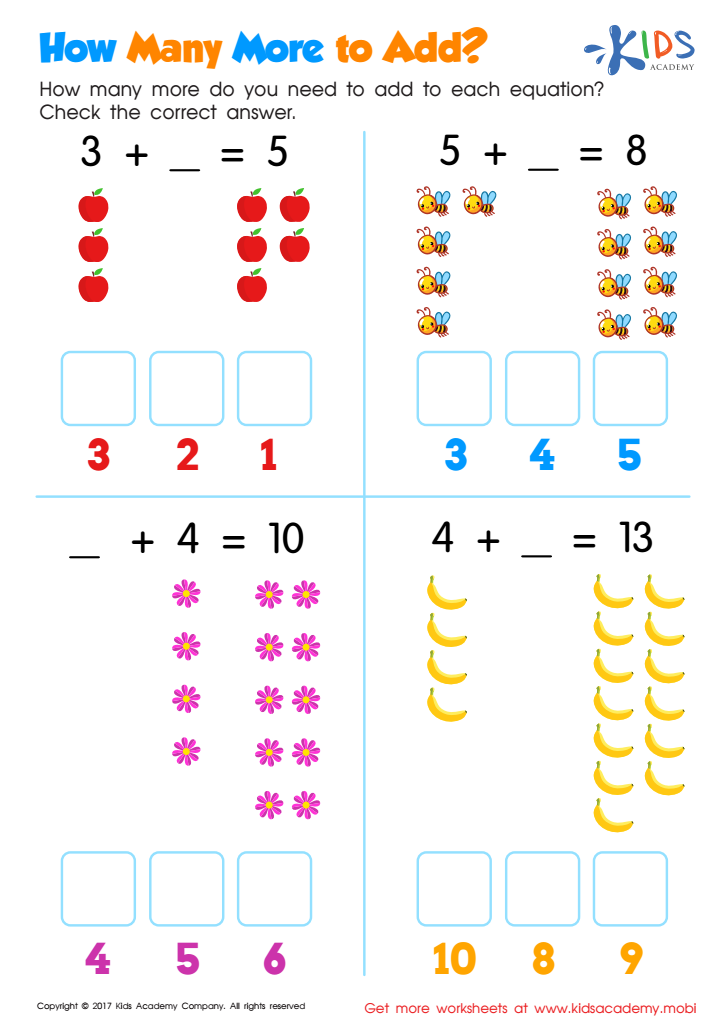
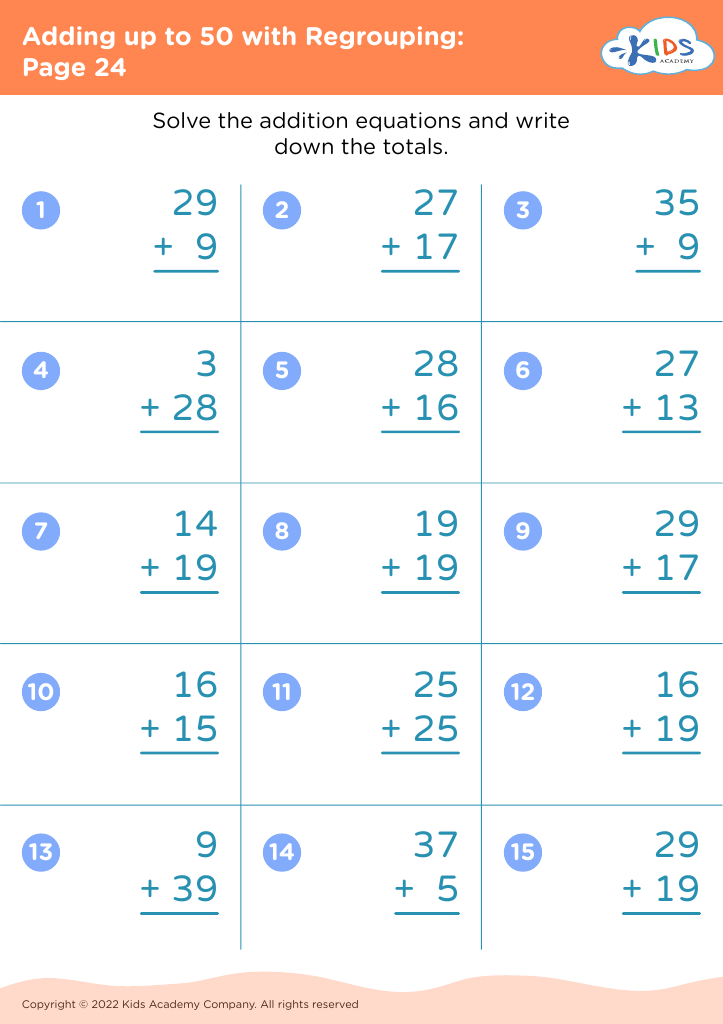
How Many More to Add Worksheet
Sharpen your child's math skills with this pdf worksheet. Help them figure out how many apples, bees, flowers and bananas are needed to reach the answer given. The possible answers are provided at the bottom of the boxes. Have some fun doing some addition and subtraction magic together and get those math skills sharpened!
 Assign to My Students
How Many More to Add Worksheet
Worksheet
Join Kids Academy for Free
Who is primarily going to use this learning content?








Parents and teachers should prioritize basic subtraction and addition for children ages 5-7 because these skills are foundational for all future mathematical learning. At this stage, children's brains are highly receptive to new information and experiences, and early mastery of basic arithmetic sets the stage for more complex math concepts.
Subtraction and addition are not only essential for academic success in math but are also critical for everyday life skills. From counting money and measuring ingredients in a recipe to scheduling and problem-solving, these fundamental operations are used frequently. When children grasp these concepts early, they develop confidence and enthusiasm for mathematics, making them more likely to pursue and enjoy math-related activities and subjects later on.
Moreover, learning subtraction and addition fosters cognitive development and enhances critical thinking and problem-solving skills. It can improve concentration, memory, and logical reasoning abilities. These intellectual benefits extend beyond mathematics, aiding overall academic performance and growth.
Additionally, practicing these arithmetic skills helps young children develop fine motor skills and number sense, as they often involve manipulatives and visual aids. For successful lifelong learning and practical competency, a strong foundation in basic subtraction and addition from ages 5-7 is indispensable.








