Identifying fractions Addition Worksheets for Ages 5-7
4 filtered results
-
From - To
Help your child master the basics of fractions with our Identifying Fractions Addition Worksheets for ages 5-7! Designed to engage young learners, these worksheets introduce kids to fractions through fun and interactive activities. Children will learn to identify halves, thirds, and quarters while practicing simple fraction addition. Perfect for reinforcing classroom lessons or for extra practice at home, our worksheets provide clear, step-by-step instructions with colorful visuals that make learning enjoyable. Boost your child's confidence in math and lay a strong foundation for future math skills. Start exploring our Identifying Fractions Addition Worksheets today!
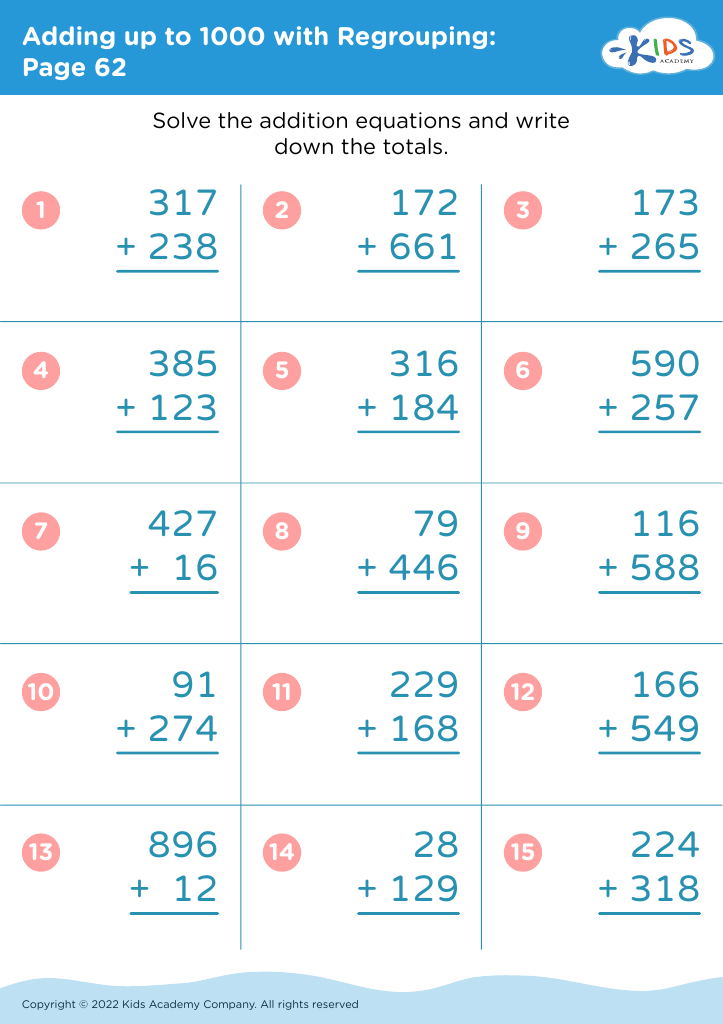
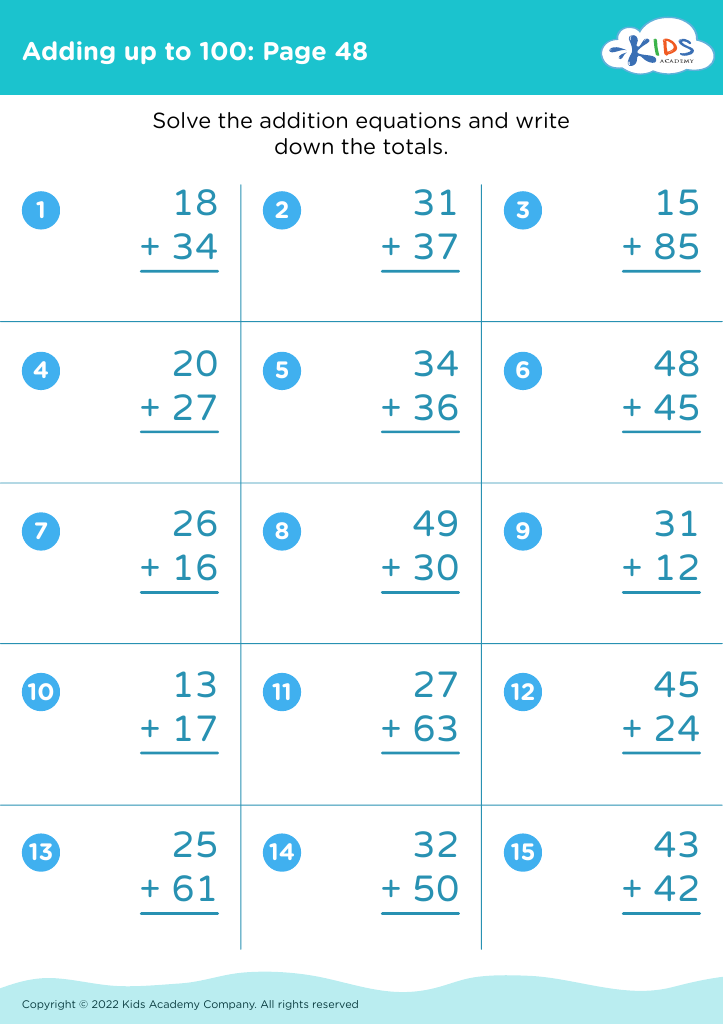
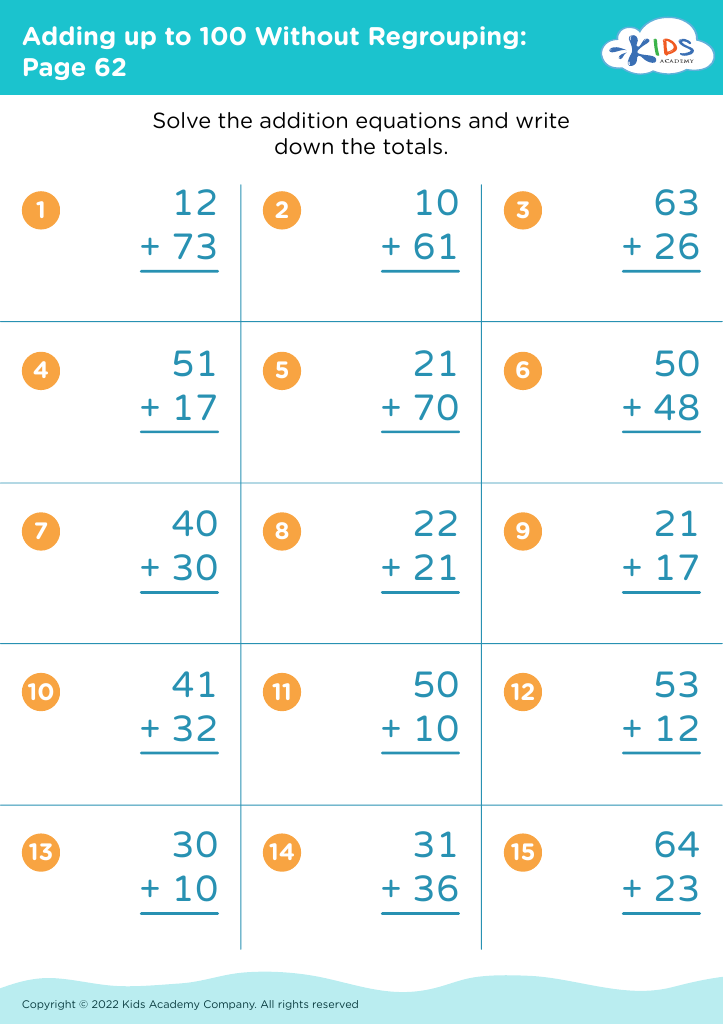
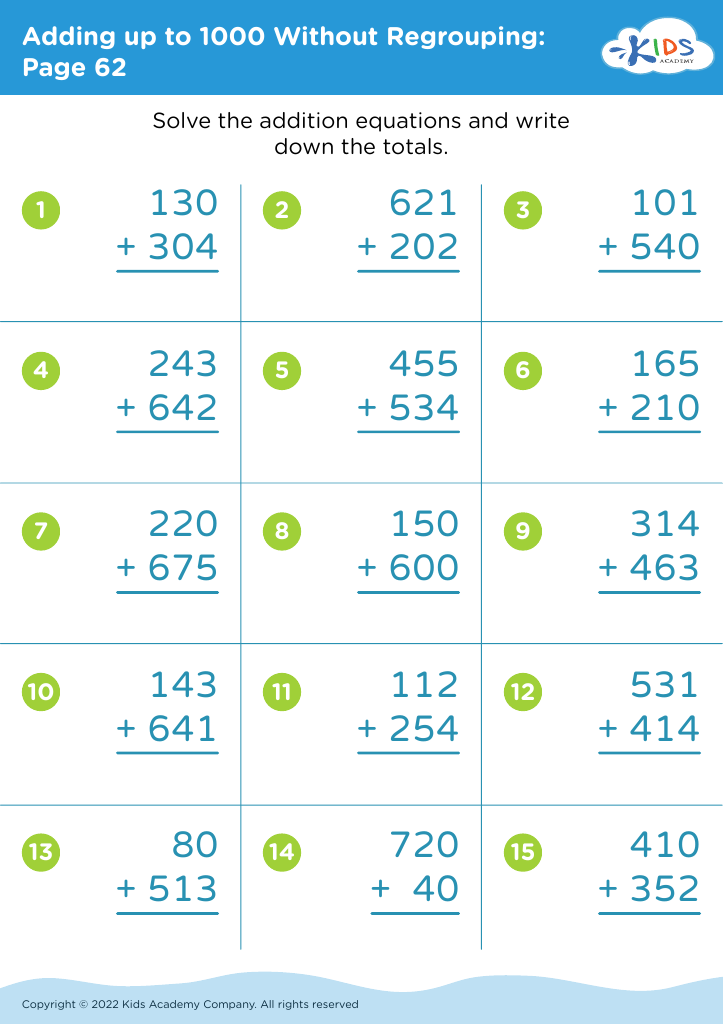








Understanding fractions and their addition at an early age (5-7) is essential for several reasons. Fractions form a foundational concept in mathematics that extends into various aspects of daily life and future learning. Introducing young children to fractions helps them grasp the idea of parts of a whole, fostering critical thinking and problem-solving skills.
For parents and teachers, focusing on fraction addition for this age group can enhance children’s numerical literacy. Young learners who understand fractions can better comprehend portions, measurements, and distribution, which are common in activities like cooking and sharing. Early mastery of these concepts can significantly boost a child’s confidence and interest in mathematics, setting a positive trajectory for their academic journey.
Moreover, early exposure to fractions aligns with many educational standards and curricula, ensuring that children meet essential benchmarks. Visual aids, hands-on activities, and real-world applications can make these concepts accessible and enjoyable, reinforcing learning through engagement and practice.
Overall, prioritizing the teaching of fractions and their addition equips children with vital mathematical tools. This early intervention not only helps solidify a fundamental geometry and math concept but also inspires a lasting appreciation and aptitude for the subject.








