Filters

508 filtered results

Clear all filters
Favorites
With answer key
Interactive

508 filtered results

Difficulty Level

Grade


Check out this FREE Trial Lesson on Addition for age 5-7!

T

Favorites
With answer key
Interactive
  • 5-7
  • Number Recognition
  • Addition
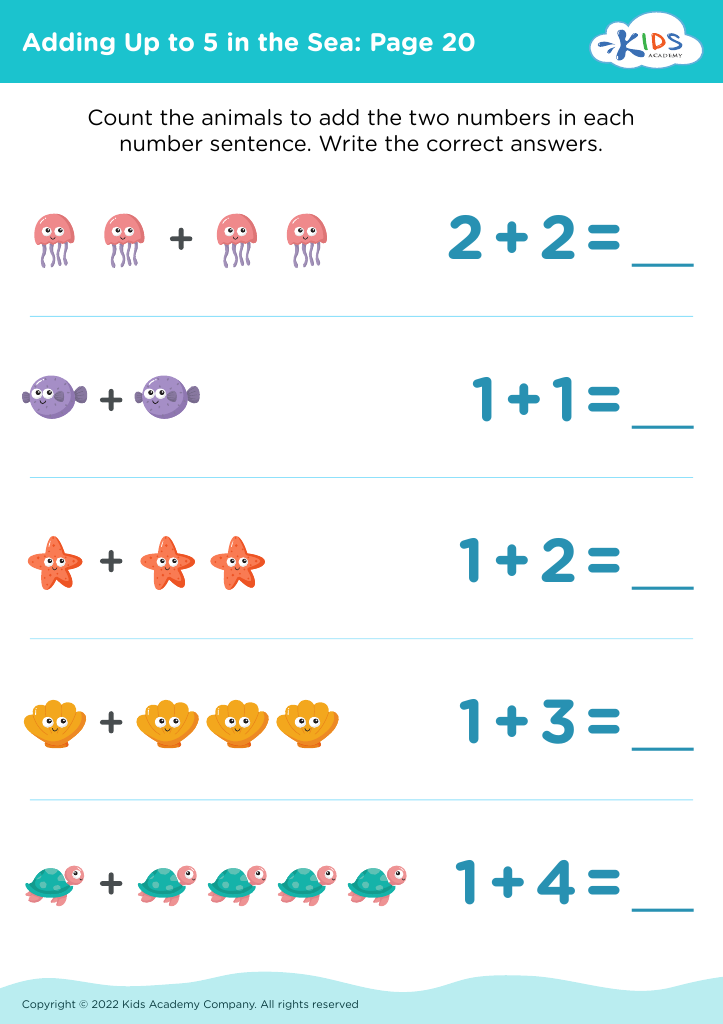
Adding Up to 5 in the Sea: Page 20
Worksheet
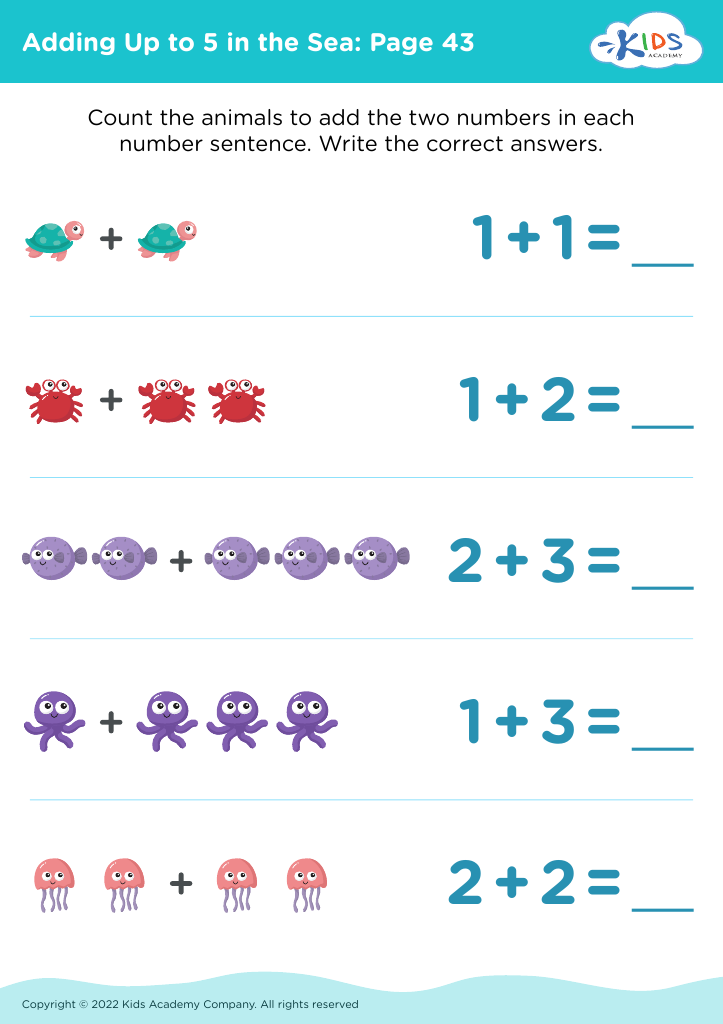
Adding Up to 5 in the Sea: Page 43
Worksheet
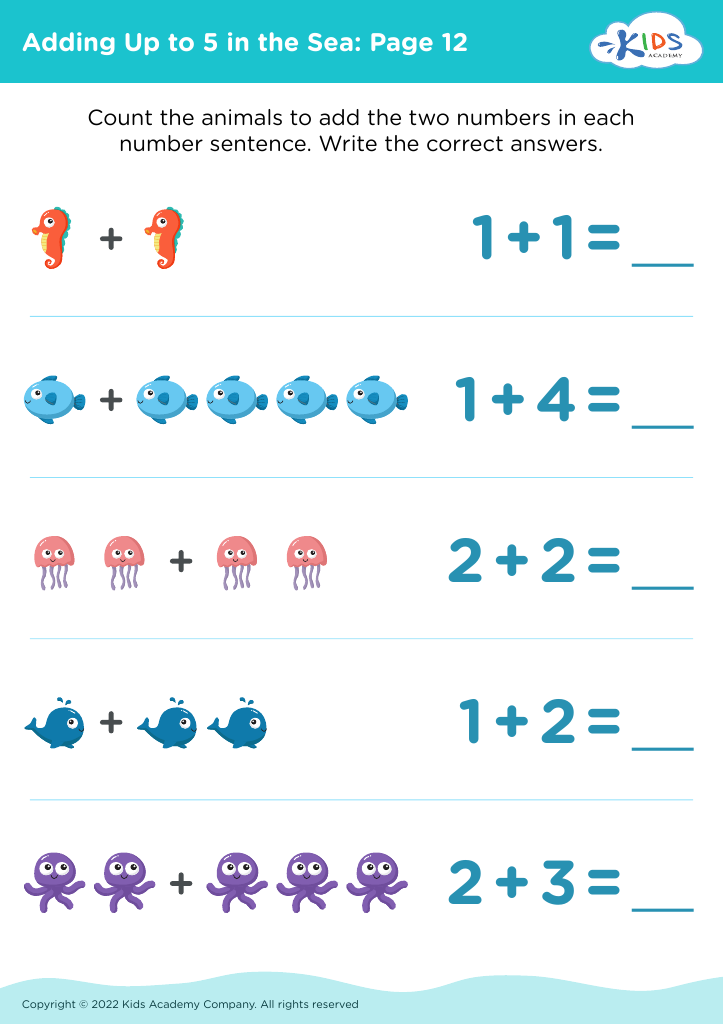
Adding Up to 5 in the Sea: Page 12
Worksheet
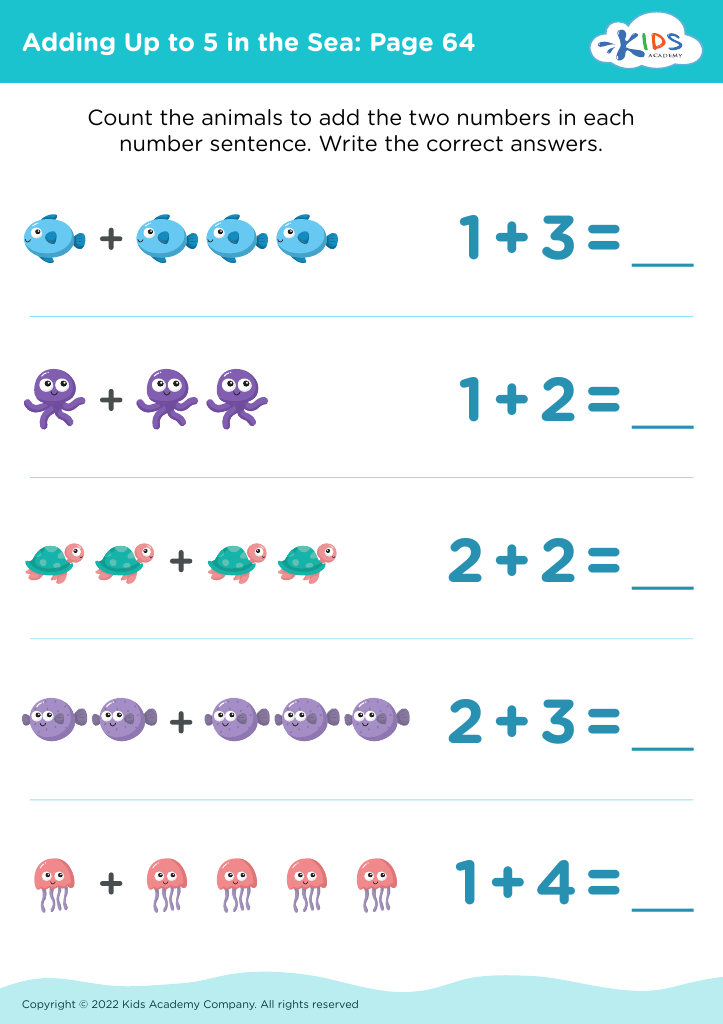
Adding Up to 5 in the Sea: Page 64
Worksheet
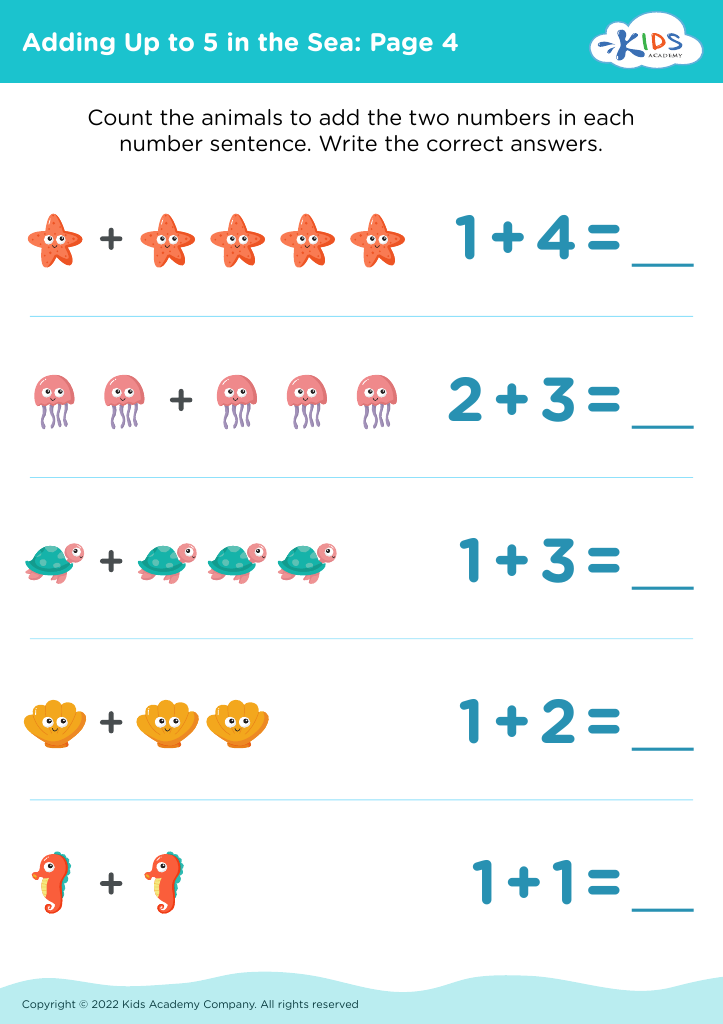
Adding Up to 5 in the Sea: Page 4

Adding Up to 5 in the Sea: Page 4

Adding Up to 5 in the Sea: Page 4
Worksheet
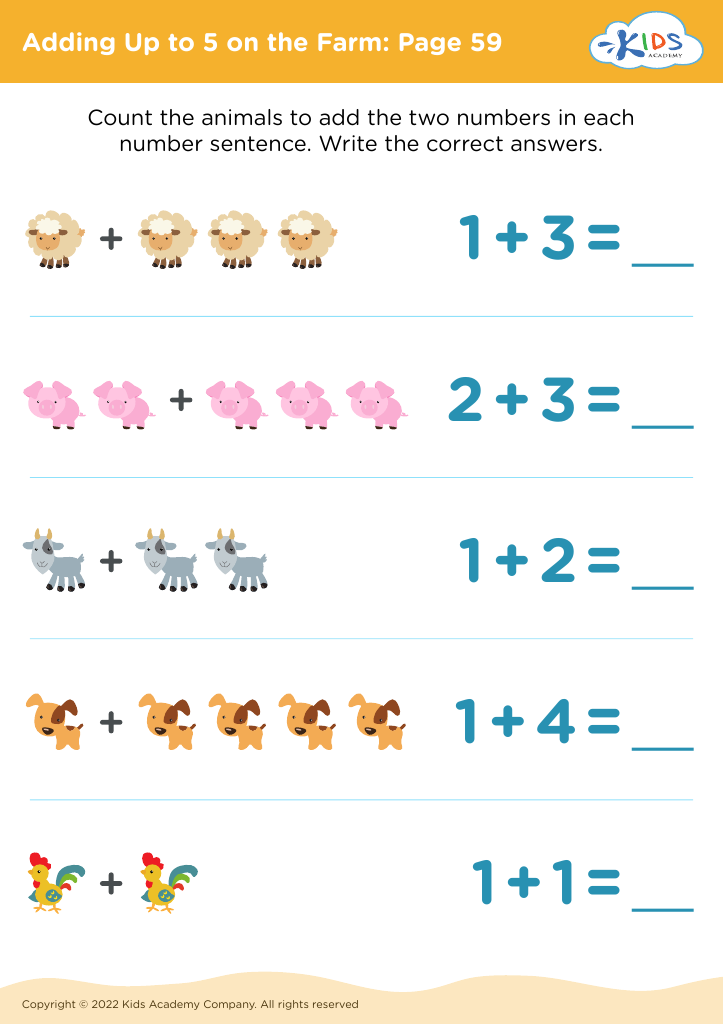
Adding Up to 5 on the Farm: Page 59
Worksheet
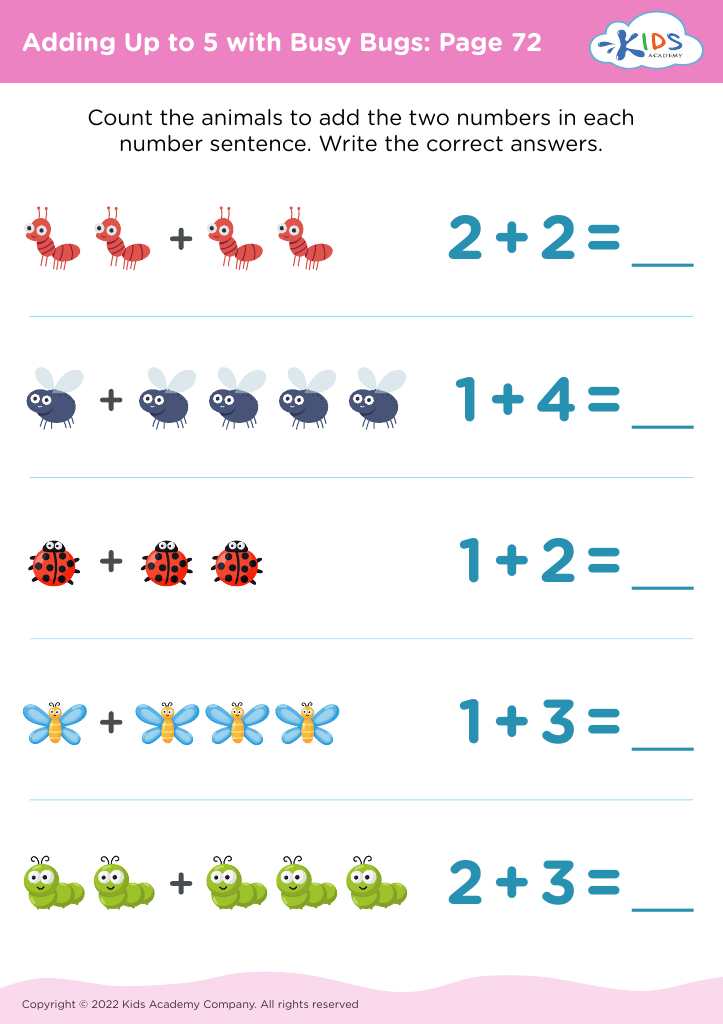
Adding Up to 5 with Busy Bugs: Page 72
Worksheet
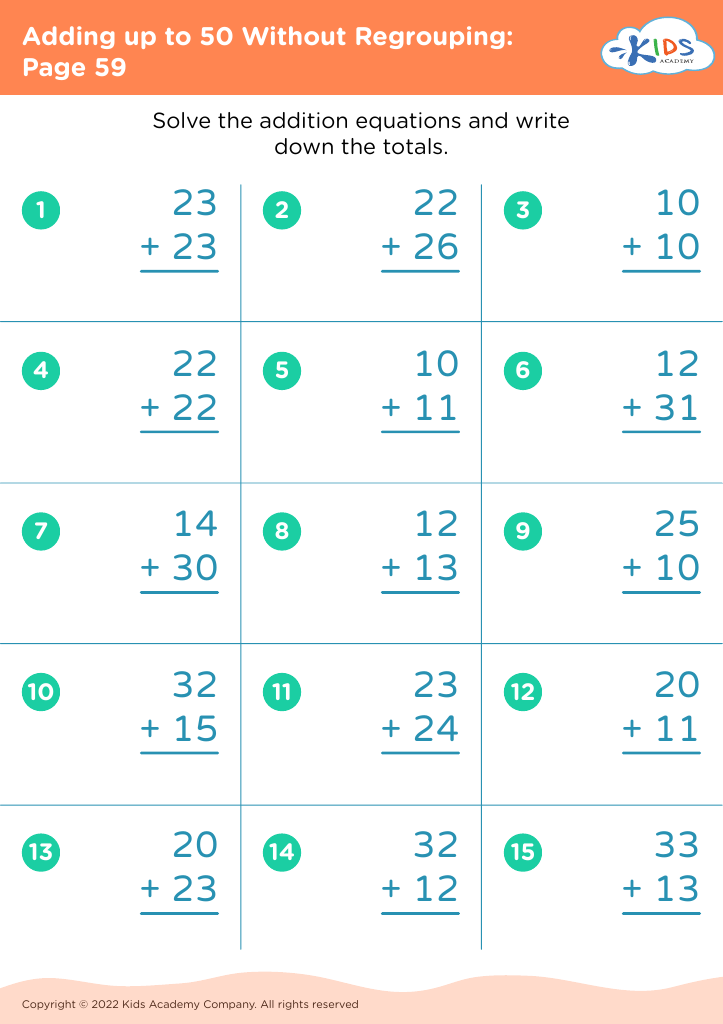
Adding up to 50 Without Regrouping: Page 59
Worksheet
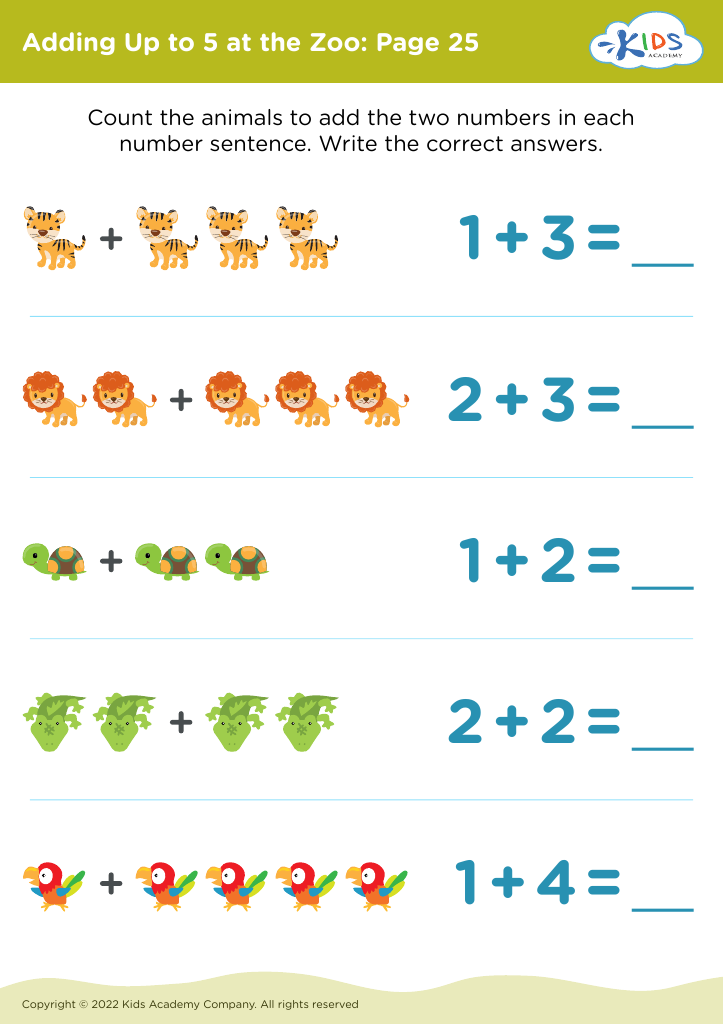
Adding Up to 5 at the Zoo: Page 25
Worksheet
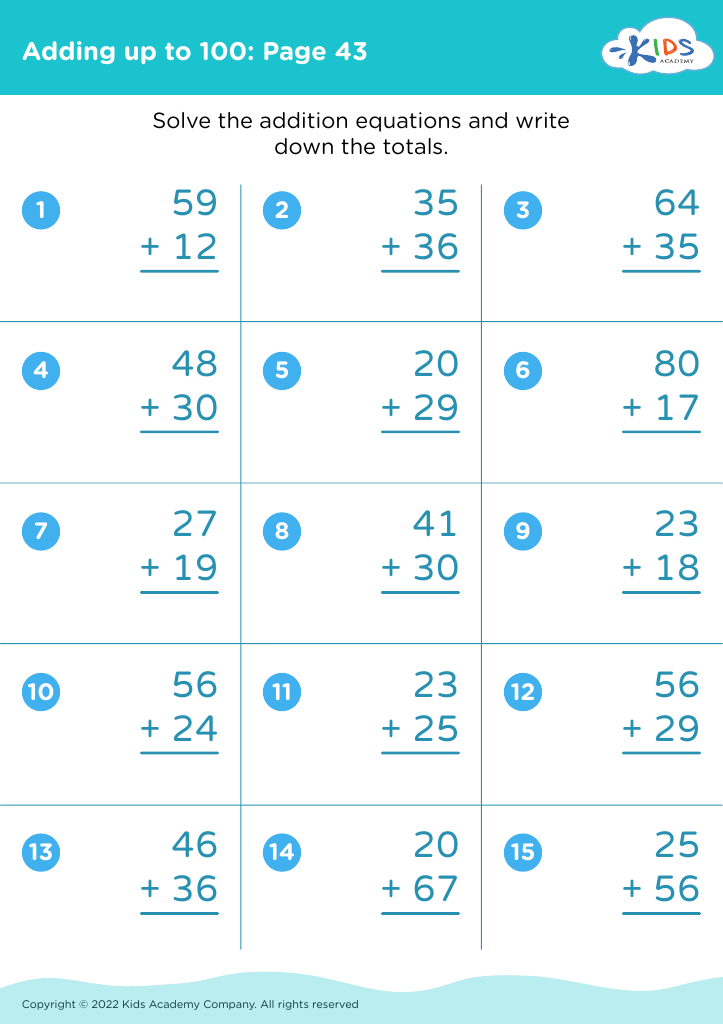
Adding up to 100: Page 43

Adding up to 100: Page 43

Adding up to 100: Page 43
Worksheet
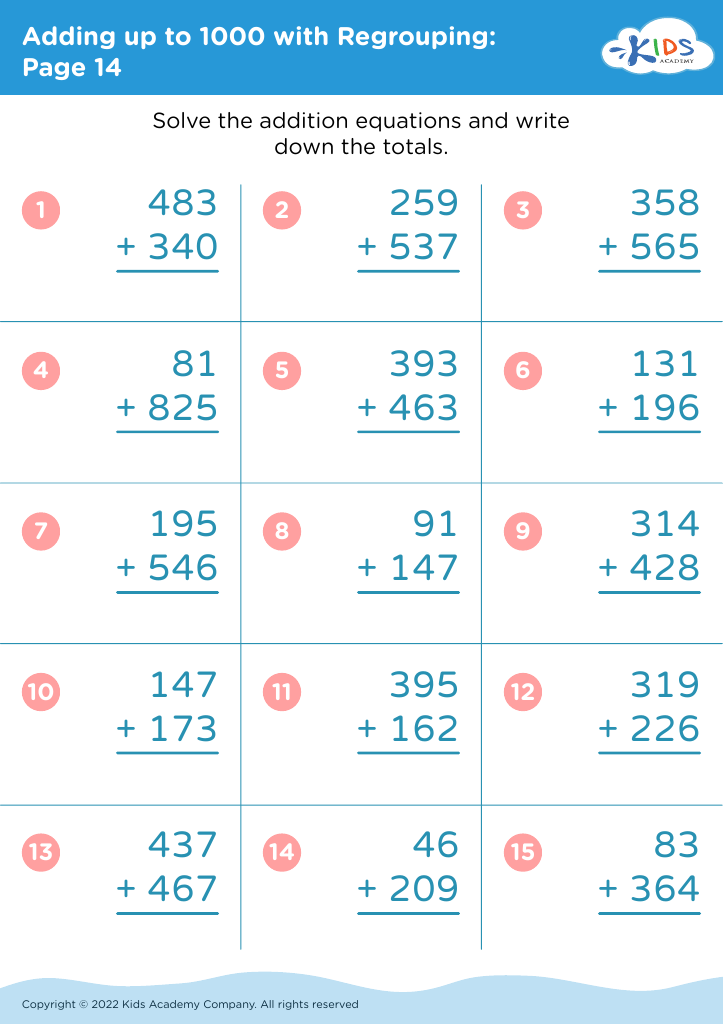
Adding up to 1000 with Regrouping: Page 14
Worksheet
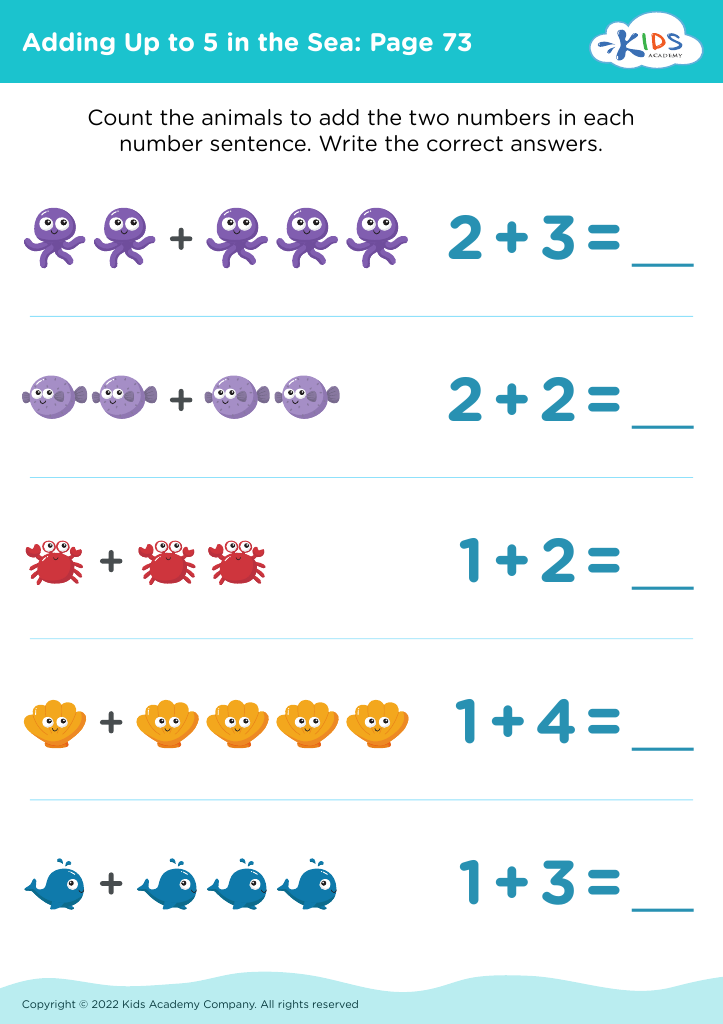
Adding Up to 5 in the Sea: Page 73
Worksheet
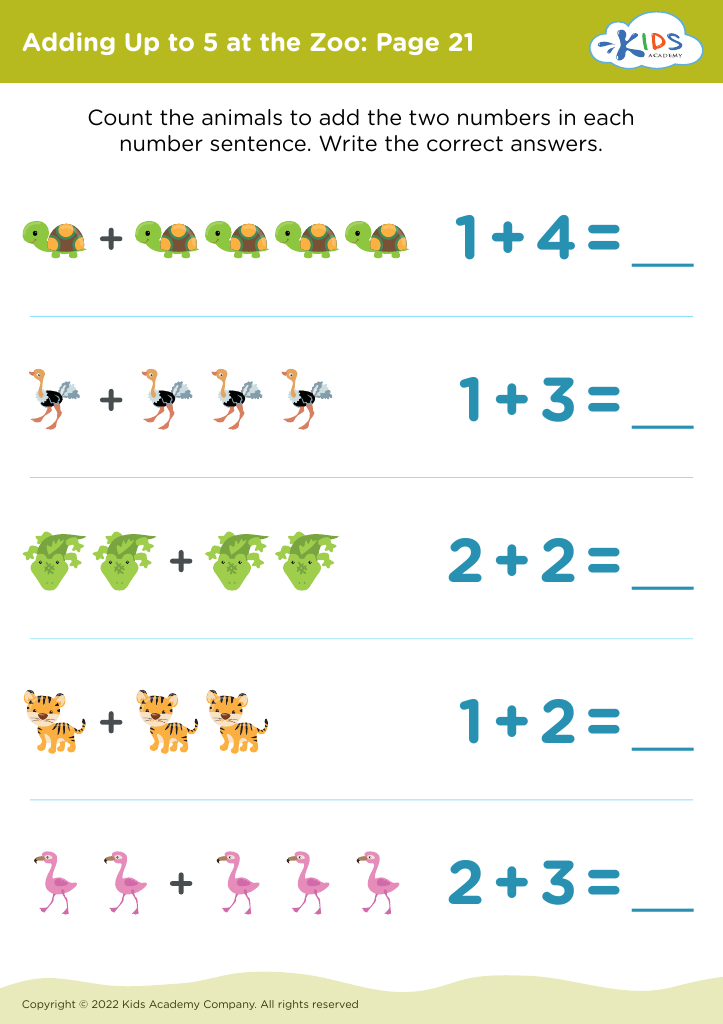
Adding Up to 5 at the Zoo: Page 21
Worksheet
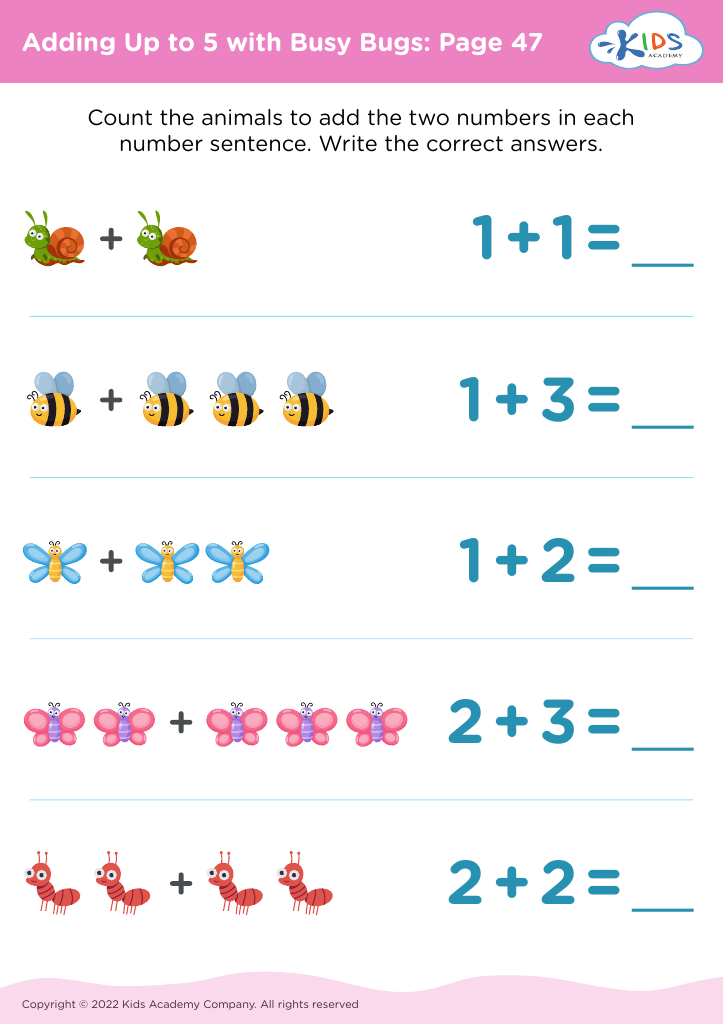
Adding Up to 5 with Busy Bugs: Page 47
Worksheet
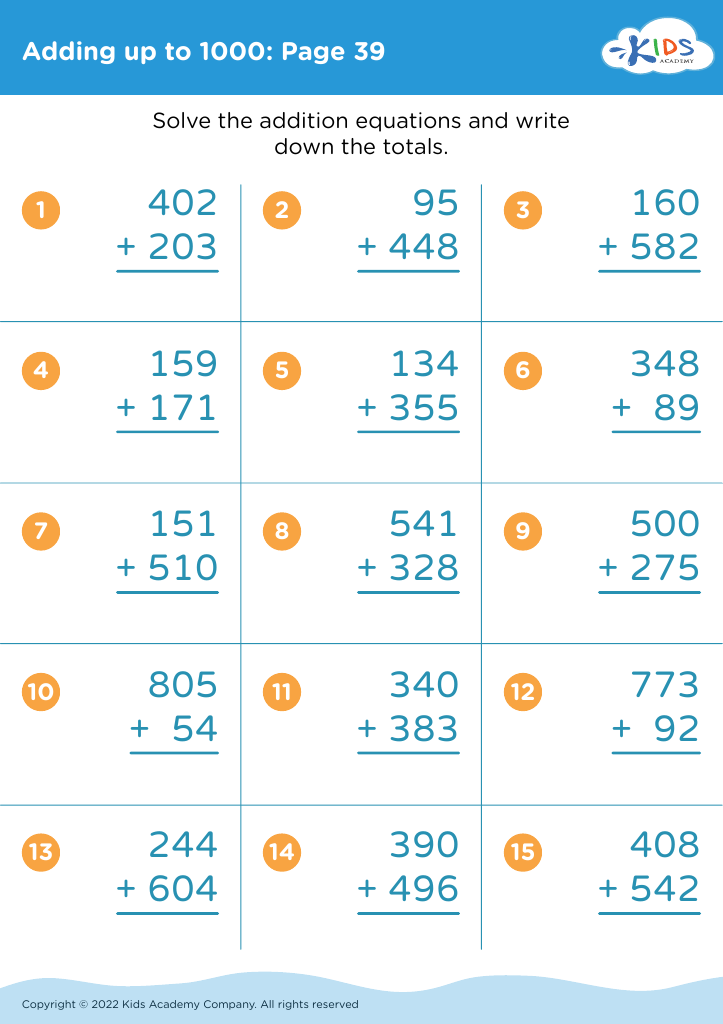
Adding up to 1000: Page 39

Adding up to 1000: Page 39

Adding up to 1000: Page 39
Worksheet
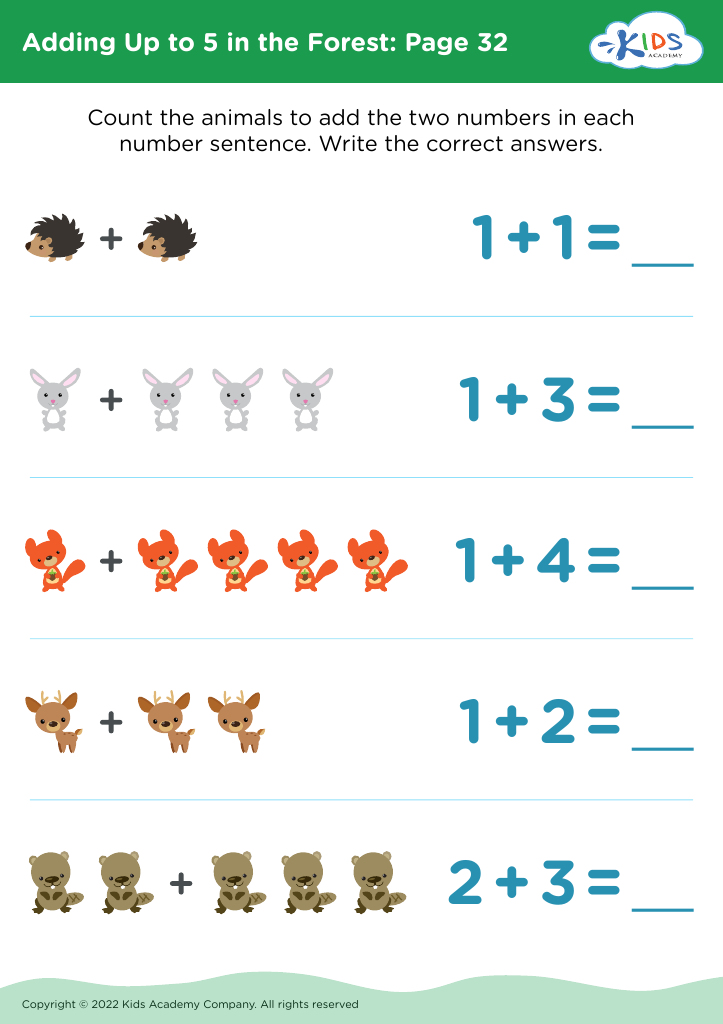
Adding Up to 5 in the Forest: Page 32
Worksheet
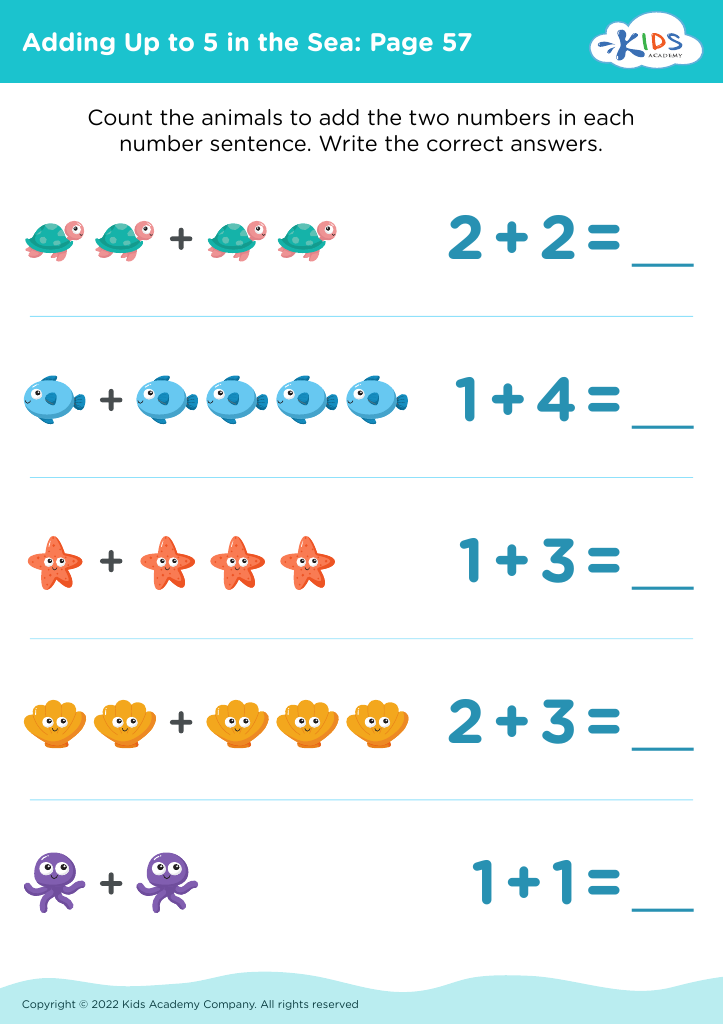
Adding Up to 5 in the Sea: Page 57
Worksheet
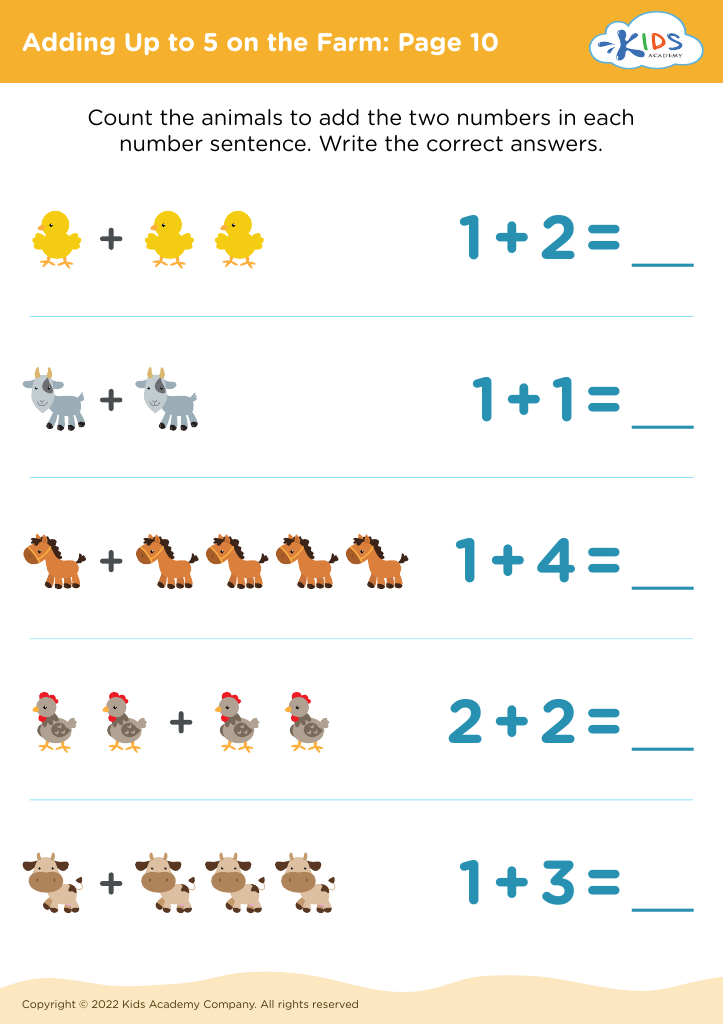
Adding Up to 5 on the Farm: Page 10
Worksheet
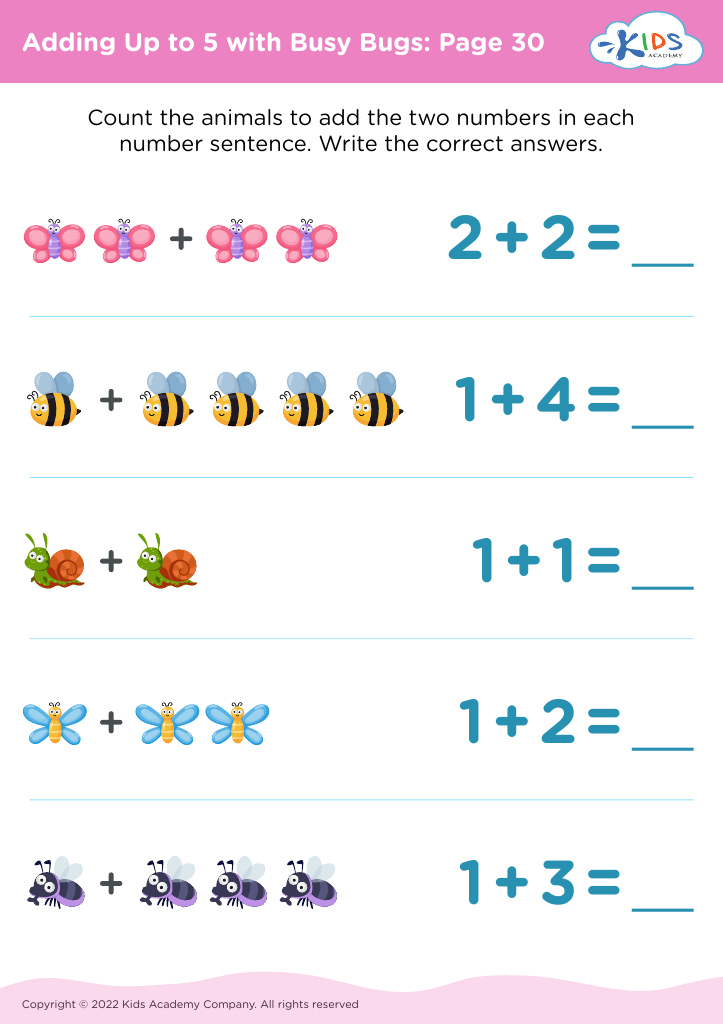
Adding Up to 5 with Busy Bugs: Page 30
Worksheet
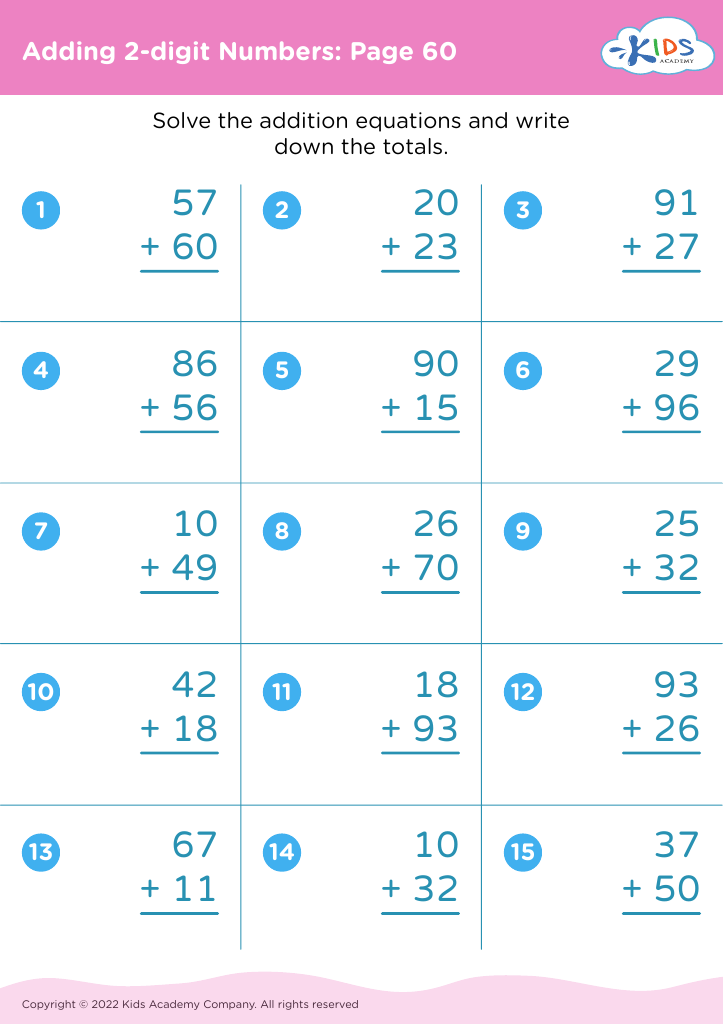
Adding 2-digit Numbers: Page 60

Adding 2-digit Numbers: Page 60

Adding 2-digit Numbers: Page 60
Worksheet
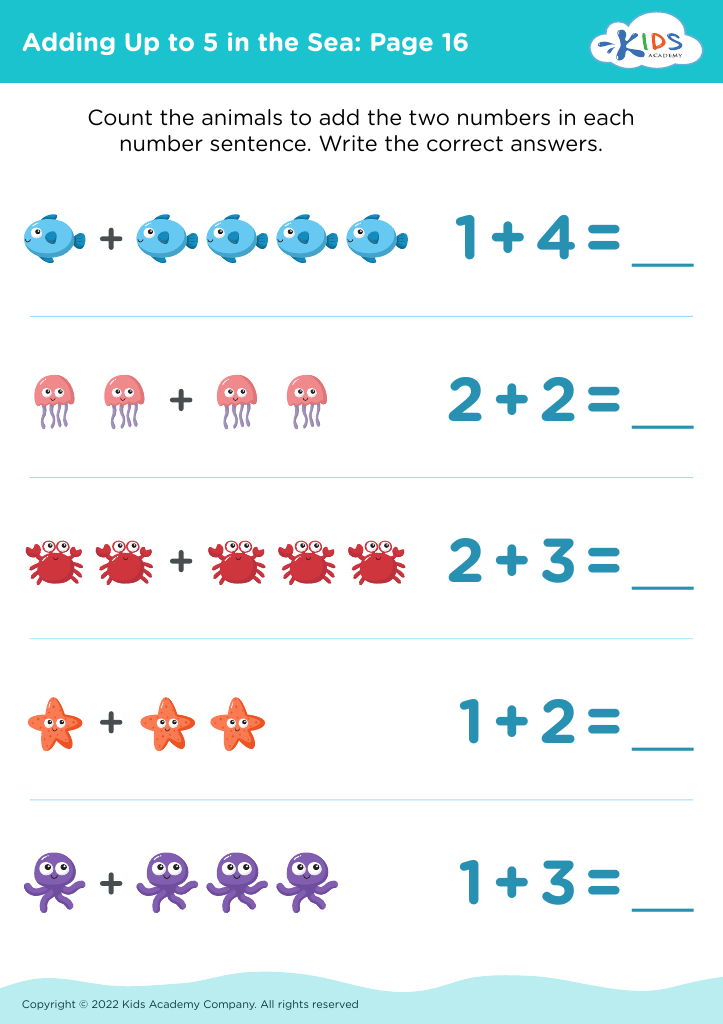
Adding Up to 5 in the Sea: Page 16
Worksheet
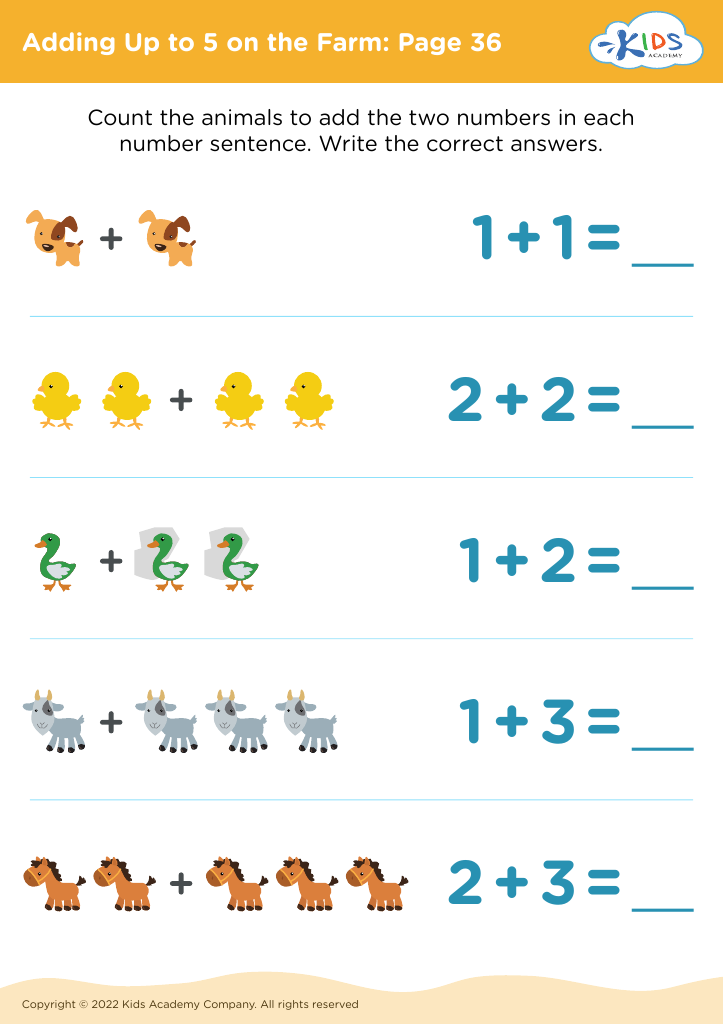
Adding Up to 5 on the Farm: Page 36
Worksheet
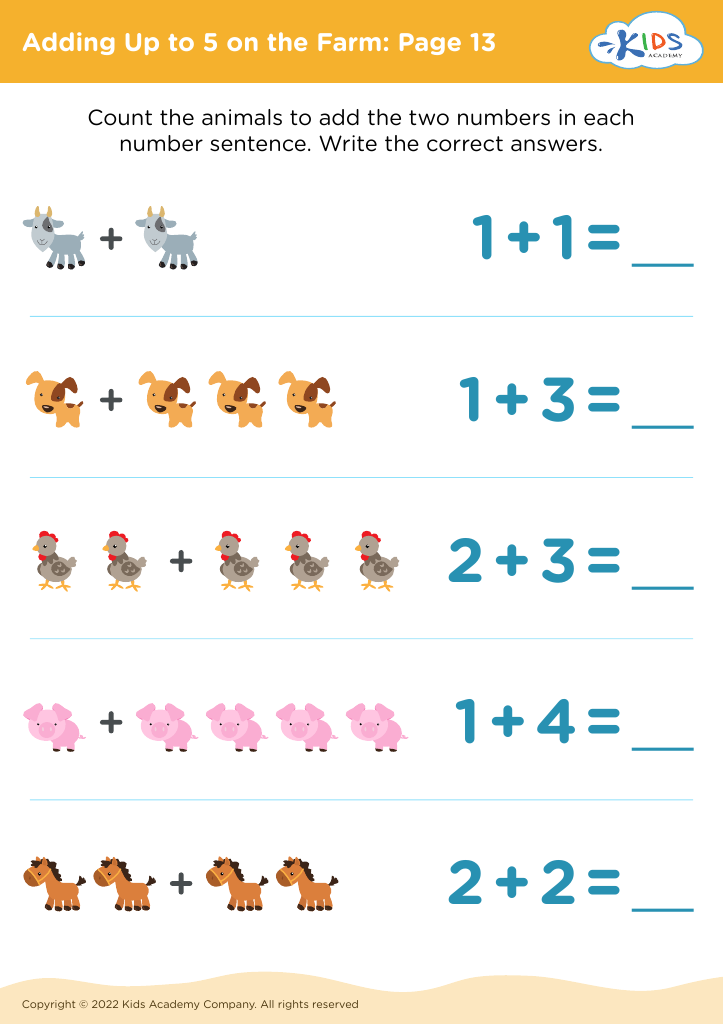
Adding Up to 5 on the Farm: Page 13
Worksheet
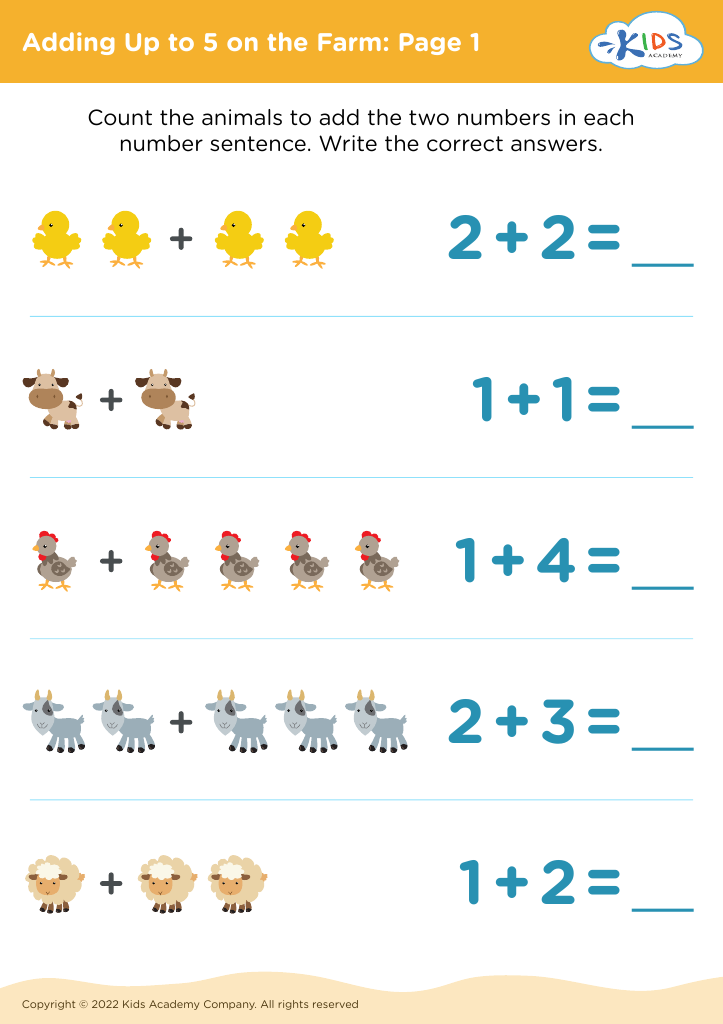
Adding Up to 5 on the Farm: Page 1
Worksheet


Number recognition and addition are fundamental skills for young learners, setting the foundation for future mathematical understanding and problem-solving abilities. Early exposure to number recognition helps children differentiate numbers from letters and other symbols, which is crucial for their ability to engage with and comprehend various mathematical concepts in the coming years. When children aged 5-7 can readily identify numbers, it bolsters their confidence and prepares them for more complex tasks.

Addition, being one of the basic arithmetic operations, is integral to many aspects of everyday life, from counting objects to more advanced mathematical applications. Teaching children addition at a young age equips them with essential problem-solving skills and logical thinking abilities, often extending beyond mathematics. As children practice adding numbers, they also develop an understanding of patterns, the concepts of more and less, and the sequential order which are pivotal in both academic and real-world settings.

Parents and teachers play a crucial role in nurturing these skills through engaging activities, games, and individual practice. A solid grasp of number recognition and addition at an early age lays the groundwork for academic achievement and fosters a positive attitude towards learning, setting children on a successful academic trajectory.