Recognize shapes Addition Worksheets for Ages 5-7
9 filtered results
-
From - To
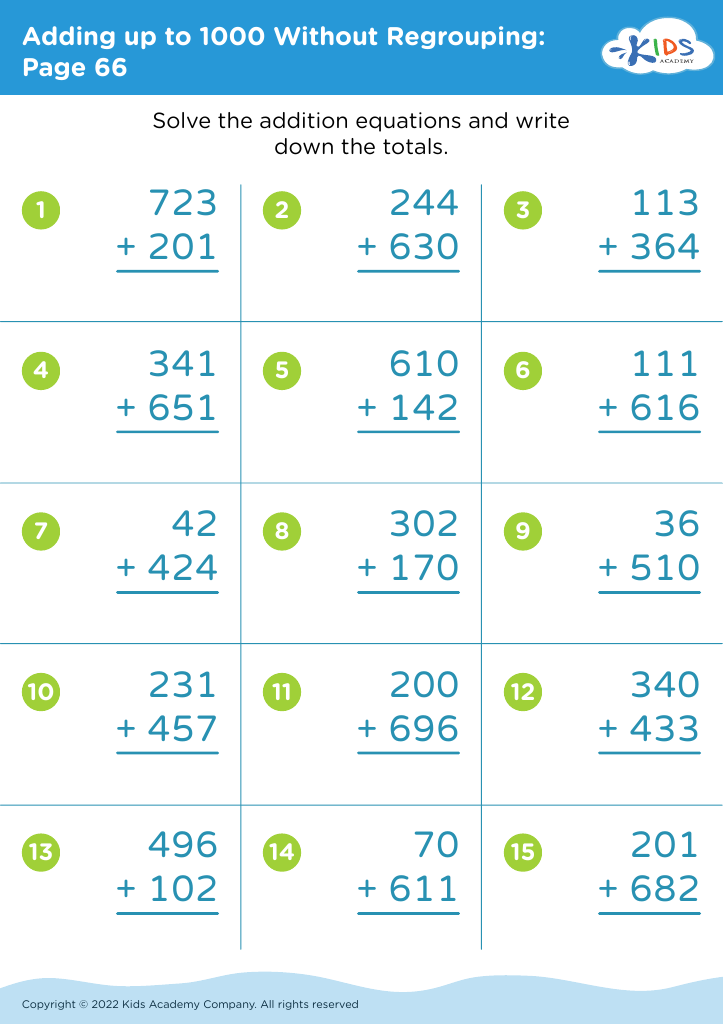
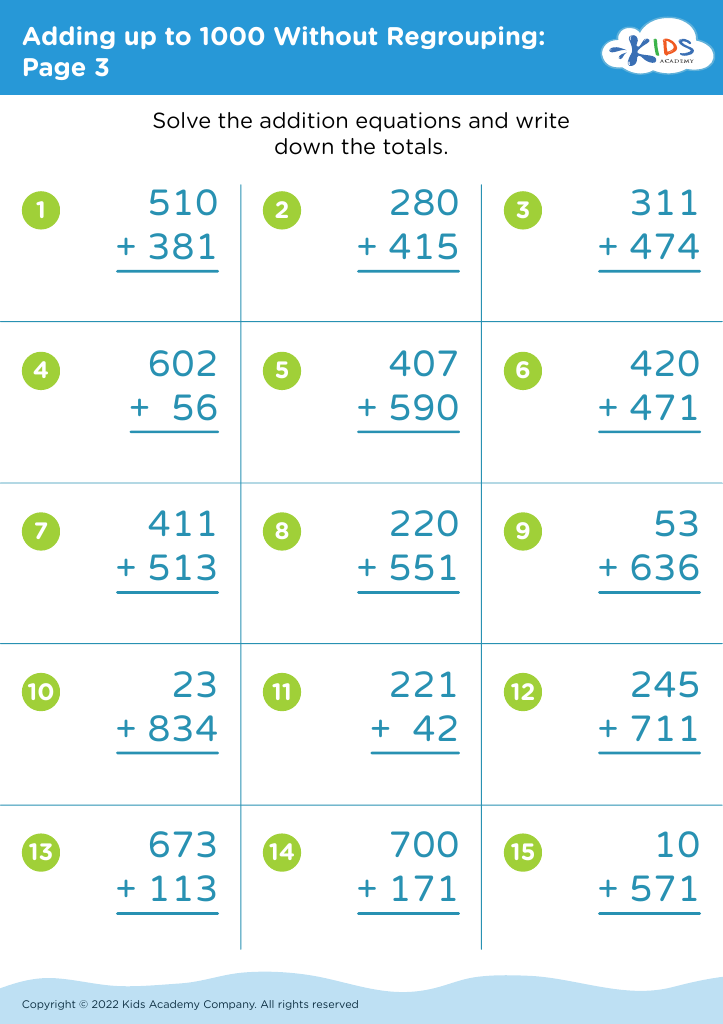
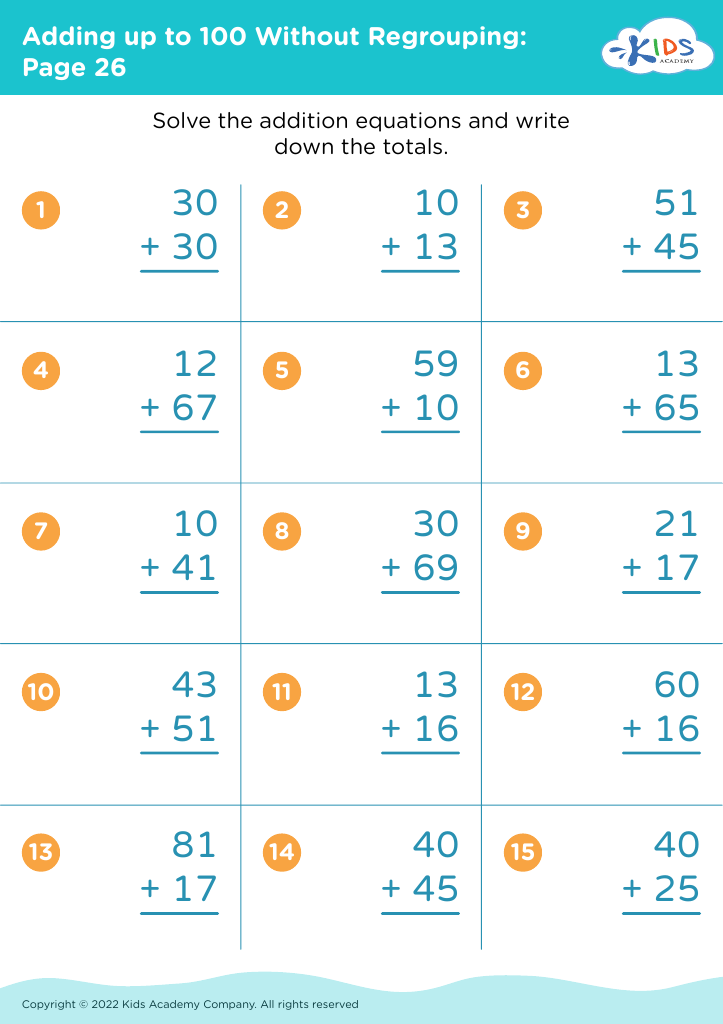
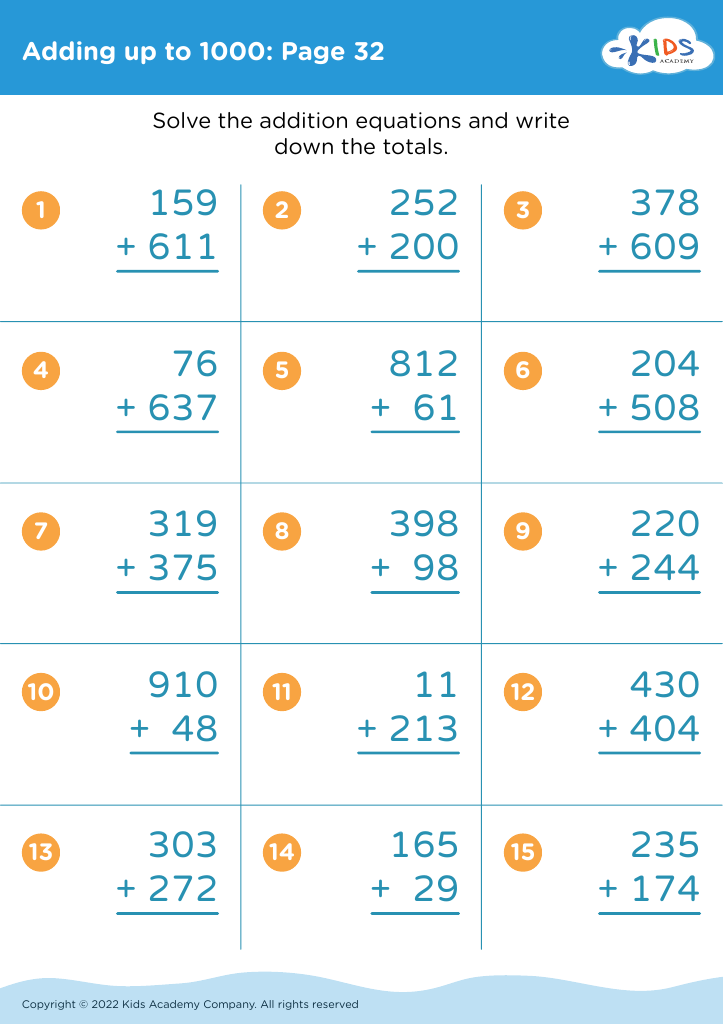
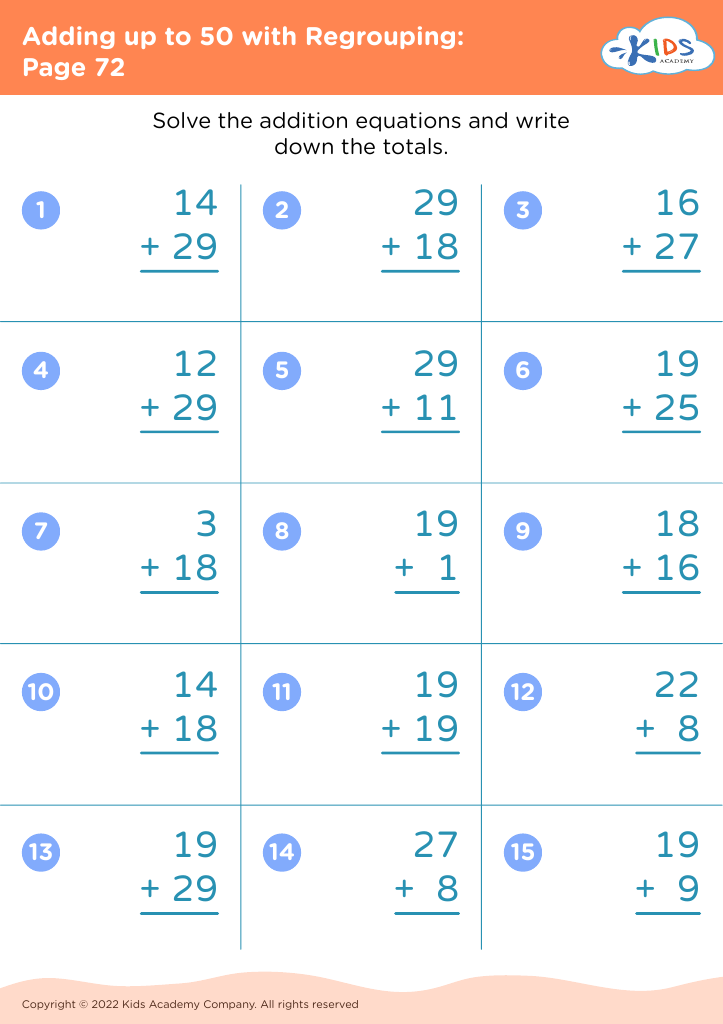
Our "Recognize Shapes Addition Worksheets for Ages 5-7" blend early math addition skills with basic shape recognition. Specifically designed for young learners, these engaging activities foster critical thinking through fun exercises featuring familiar shapes such as circles, squares, and triangles. By combining the fundamentals of addition with visual shape identification, children enhance both their numerical proficiency and geometric awareness. Ideal for classroom or home use, these worksheets support a balanced approach to math education and help build a strong foundation for future mathematical learning. Give your child a head start with our expertly crafted worksheets and watch them excel!
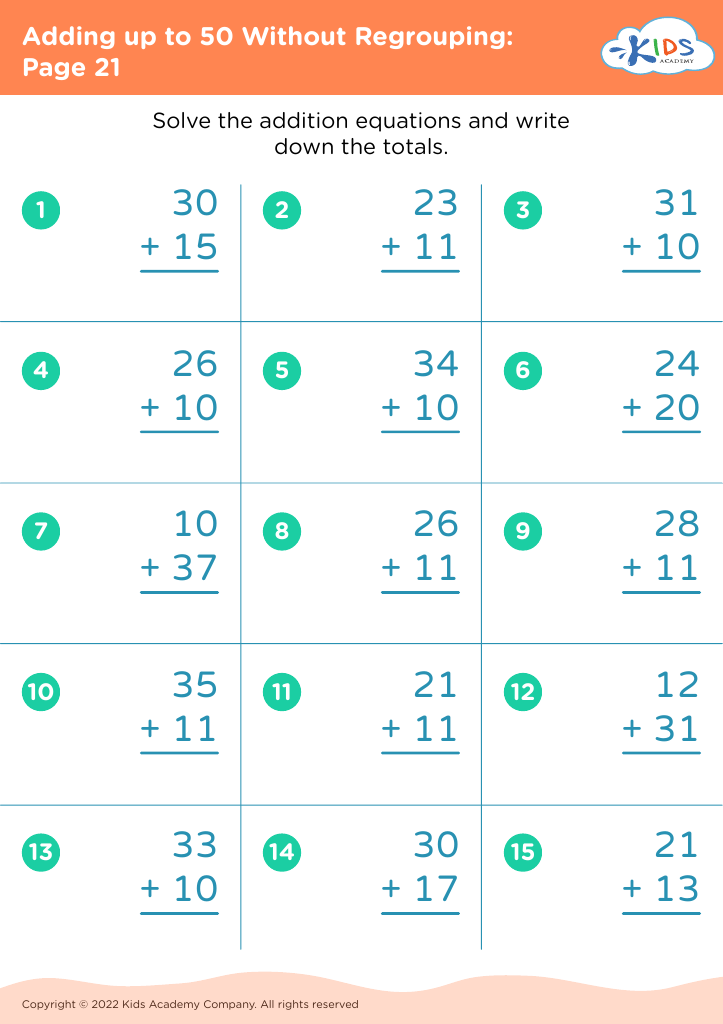
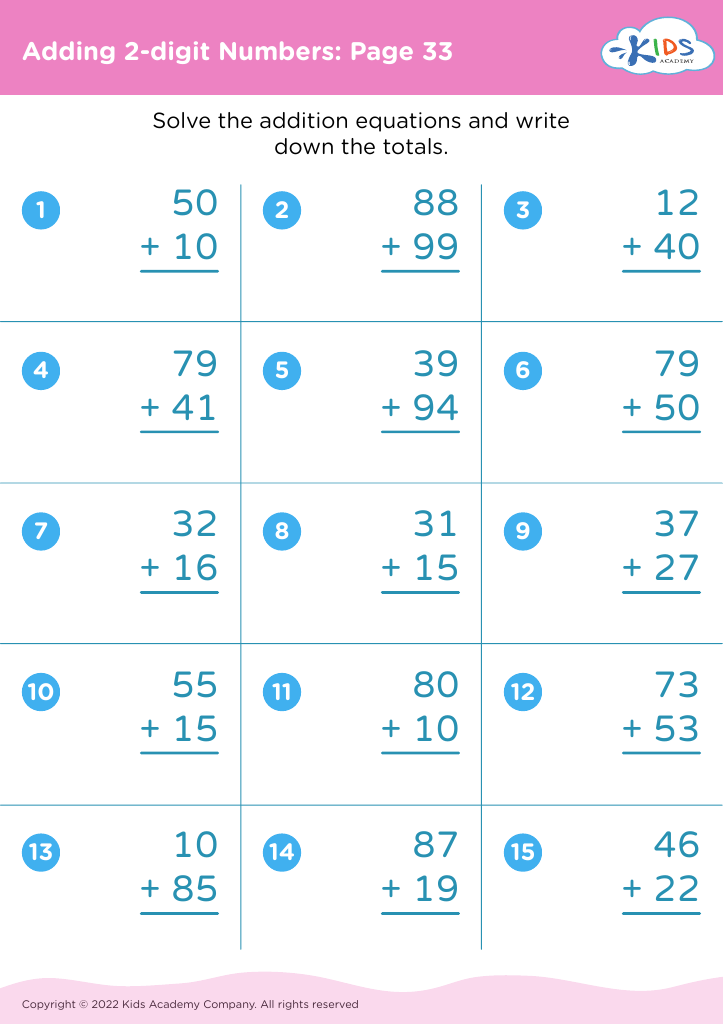
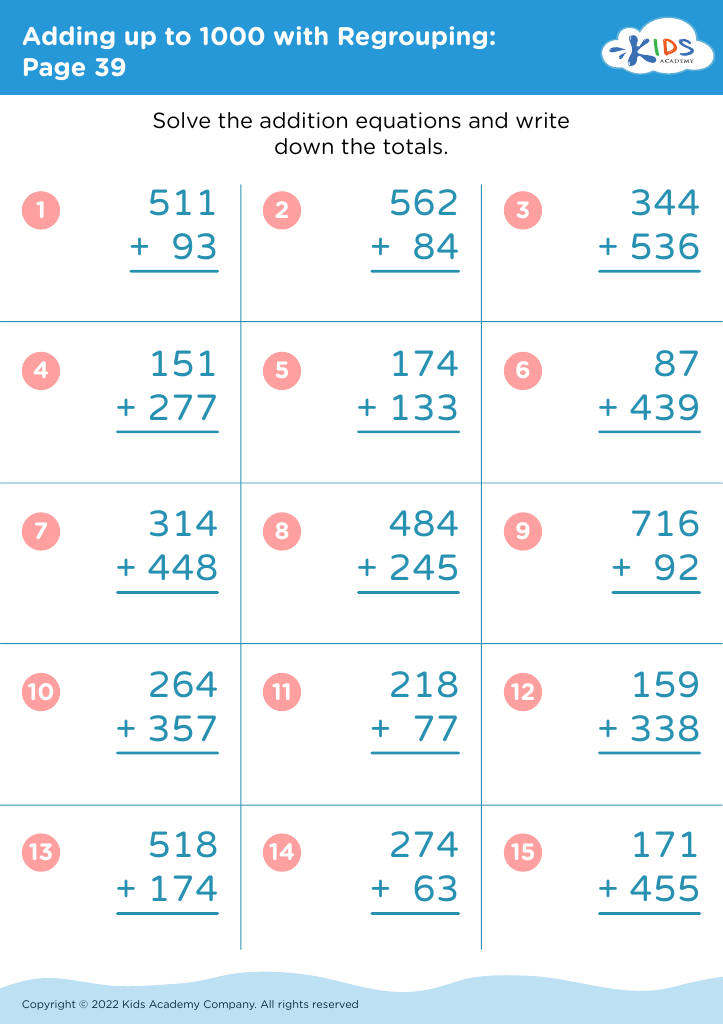
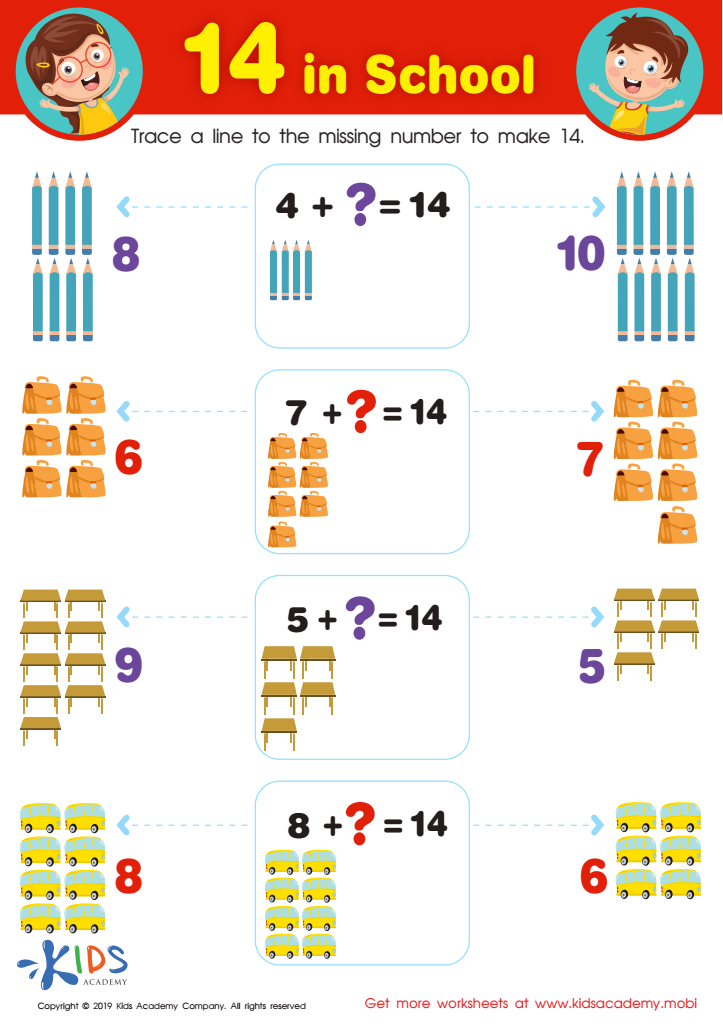
14 in School Worksheet
 Assign to My Students







.jpg)
Recognizing shapes and understanding addition in early childhood are foundational skills that support cognitive development in significant ways for children ages 5-7. Learning to identify shapes not only enhances children's spatial reasoning but also lays the groundwork for later geometry learning. By distinguishing shapes, children develop attributes such as size, symmetry, and direction, fostering essential problem-solving skills.
Similarly, mastering basic addition is crucial as it builds the child's number sense and arithmetic skills, which are vital stepping stones for more advanced math concepts. Addition enhances understanding of combining sets, leading to a deeper grasp of more intricate mathematical operations like subtraction, multiplication, and division.
Incorporating these skills early also promotes logical thinking, which transcends all subject areas, including reading and science. Recognizing patterns and relationships in shapes helps with reading comprehension by interpreting letters and words correctly. Furthermore, it encourages meticulous observation and analytical skills, boosting overall academic performance.
For parents and teachers, prioritizing these foundational elements is integral because it supports children's confidence and enthusiasm toward learning. Instilling a strong mathematical foundation and spatial awareness ensures they are well-equipped for future academic challenges, enabling a smoother transition into complex concepts. Therefore, recognizing shapes and mastering basic addition for ages 5-7 is not just beneficial but essential for a robust educational journey.








