Recognizing numbers Addition Worksheets for Ages 5-7
4 filtered results
-
From - To
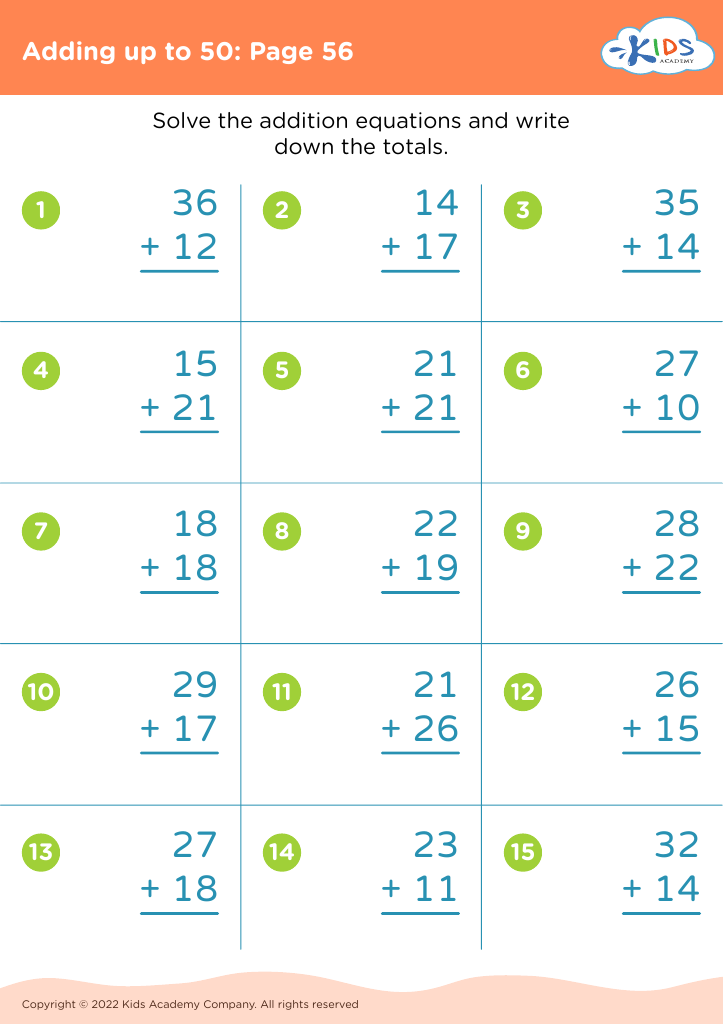
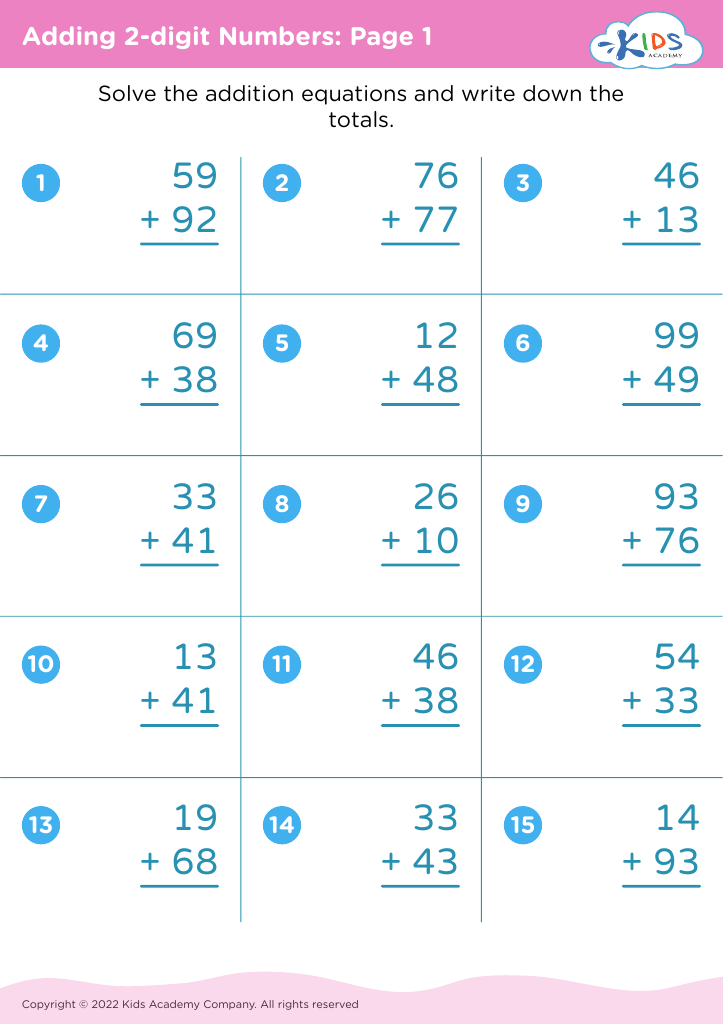
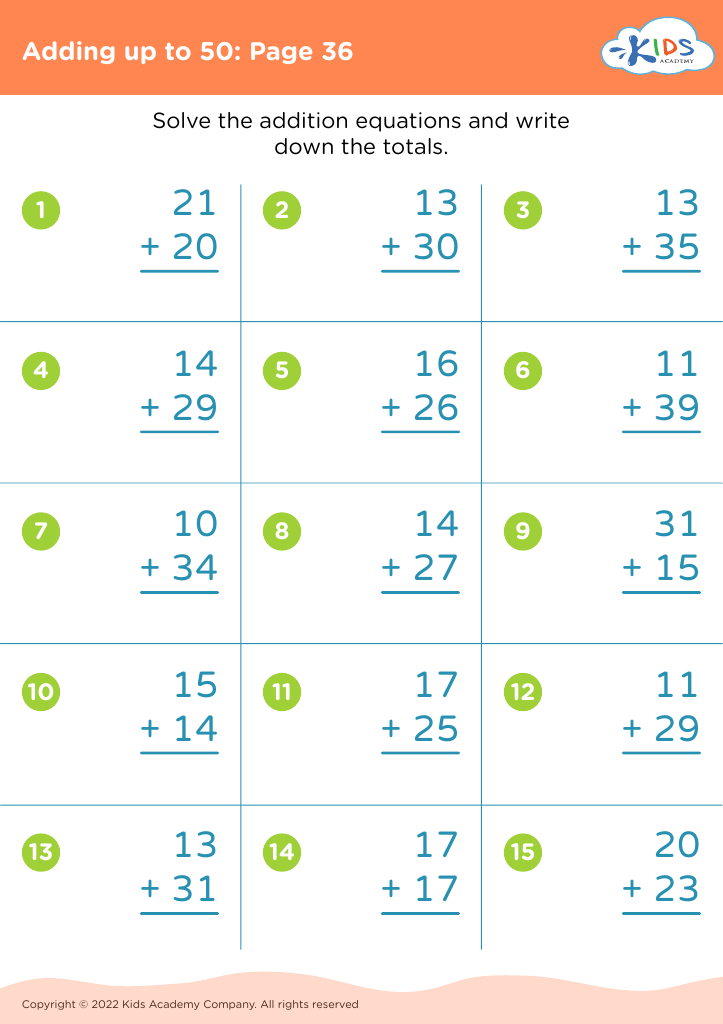
Introduce your child to the world of mathematics with our "Recognizing Numbers Addition Worksheets for Ages 5-7." Specially designed to enhance numerical recognition and basic addition skills, these engaging and interactive worksheets provide a solid foundation for early math learners. Featuring colorful illustrations and fun activities, each sheet captures the interest of young minds, making learning both enjoyable and effective. Perfect for classroom use or at-home practice, these resources help children confidently understand numbers, count objects, and perform simple additions. Empower your little learner with the essential skills needed for future math success! Explore today and watch your child's abilities grow!
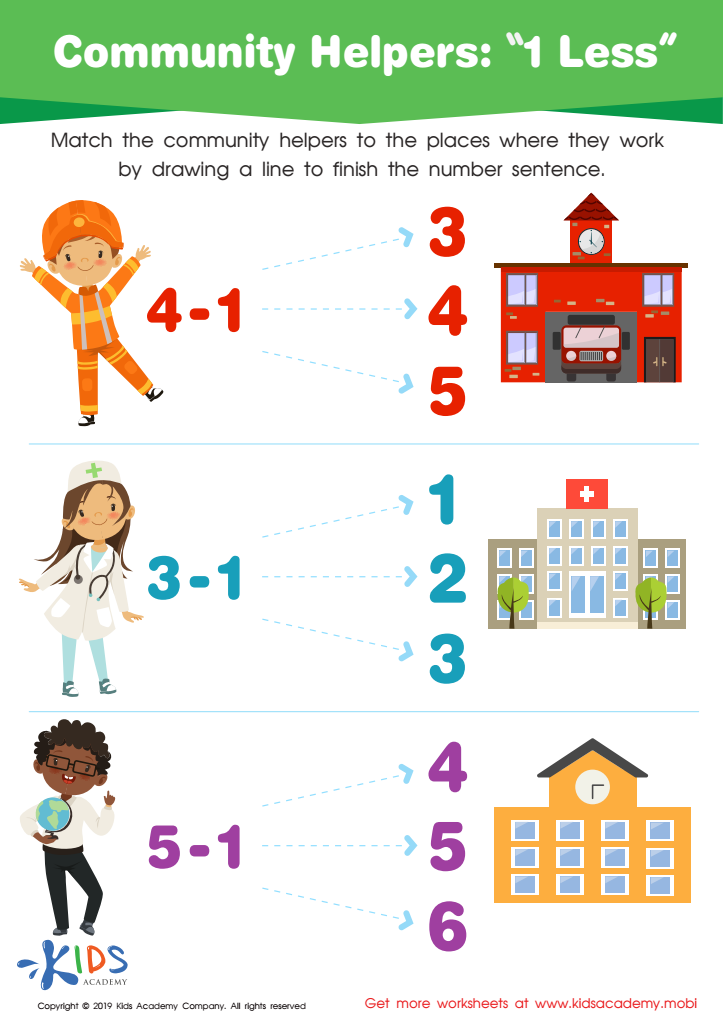
Community Helpers: 1 less Worksheet
 Assign to My Students



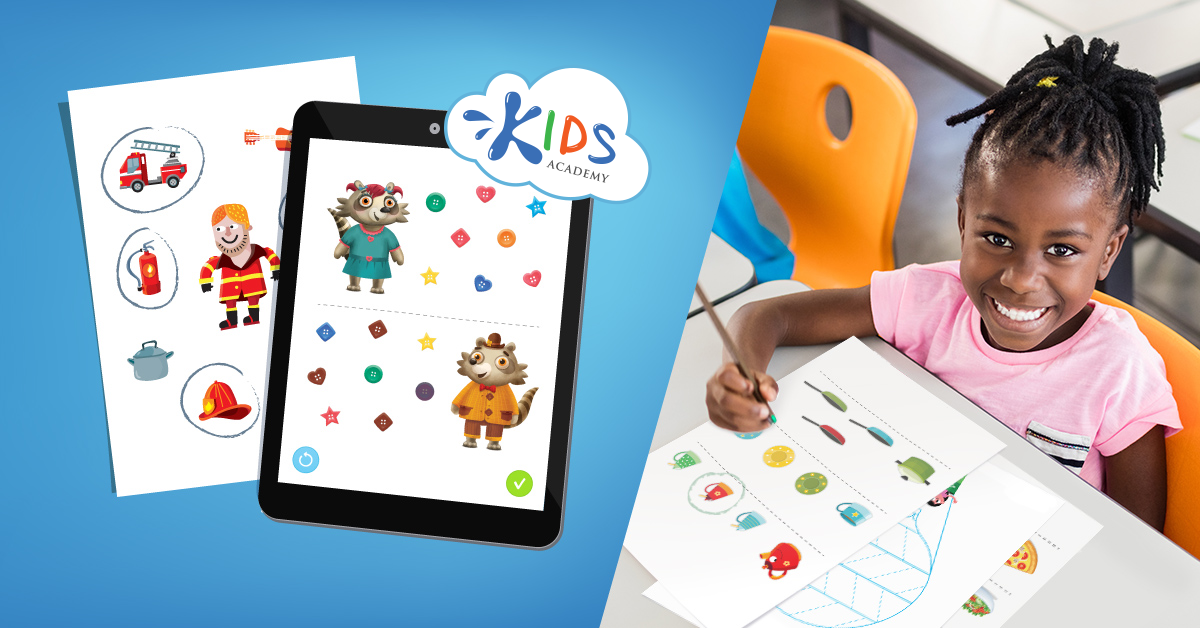




Recognizing numbers and understanding addition are foundational skills critical for children aged 5-7, marking their first steps towards mathematical literacy. At this developmental stage, introducing structured concepts like numbers and basic addition helps solidify cognitive development and numerical thinking.
Parents and teachers play a crucial role in fostering these skills. When children grasp numbers, they begin developing an understanding of values and quantities, which is paramount for their problem-solving and logical reasoning abilities. Recognizing numbers enables children to move on to more complex math problems seamlessly.
Addition, on the other hand, is one of the fundamental operations of arithmetic that is prevalent in everyday life. Learning to add acts as a gateway for half of basic arithmetic competencies and serves as a stepping stone for advanced mathematical concepts. Fostering a strong understanding in these formative years equips children with confidence in their abilities, reducing math anxiety in later years.
Moreover, research indicates that early numeracy skills predict academic success well beyond middle school. Therefore, parents and teachers should not only encourage but also celebrate wins in number recognition and addition. By cultivating a supportive and engaging learning environment, adults can nurture a positive relationship with mathematics, paving the way for lifelong learning and critical thinking skills in children.








