Filters

19 filtered results

Clear all filters
Favorites
With answer key
Interactive
19 filtered results

Difficulty Level

Grade


Discover our engaging "Understand Fractions Addition Worksheets for Ages 5-7" designed to make math fun and easy for young learners. These printable worksheets from Kids Academy help children grasp the basics of fraction addition through colorful activities and interactive exercises. Ideal for building foundational math skills, our resources cater to early grade students, enhancing their understanding with visual aids and simple instructions. Perfect for both classroom and home use, these worksheets foster confidence and competence in fraction addition, setting the stage for future math success. Unlock your child's potential in a playful and educational way today!


Check out this FREE Trial Lesson on Addition for age 5-7!

T

Favorites
With answer key
Interactive
  • 5-7
  • Understand fractions
  • Addition
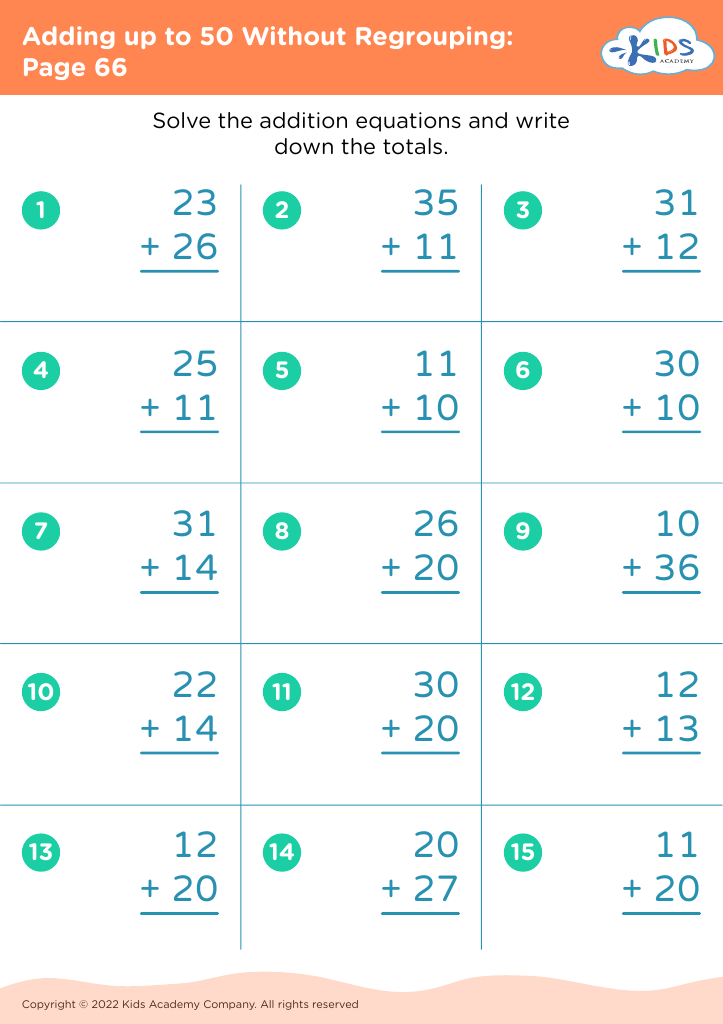
Adding up to 50 Without Regrouping: Page 66
Worksheet
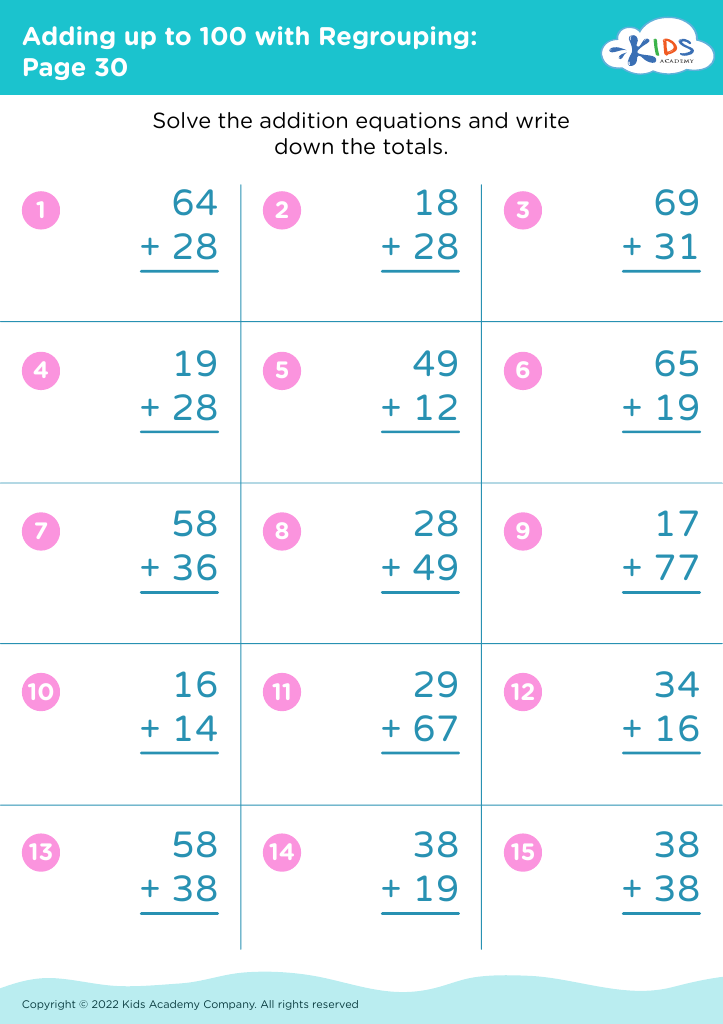
Adding up to 100 with Regrouping: Page 30
Worksheet
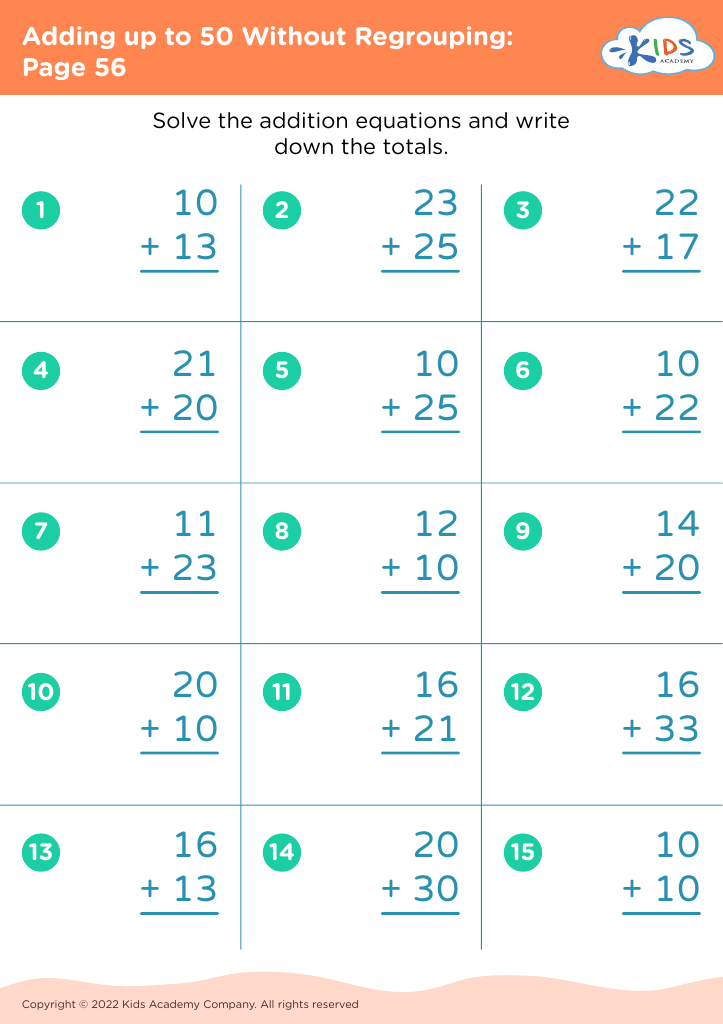
Adding up to 50 Without Regrouping: Page 56
Worksheet
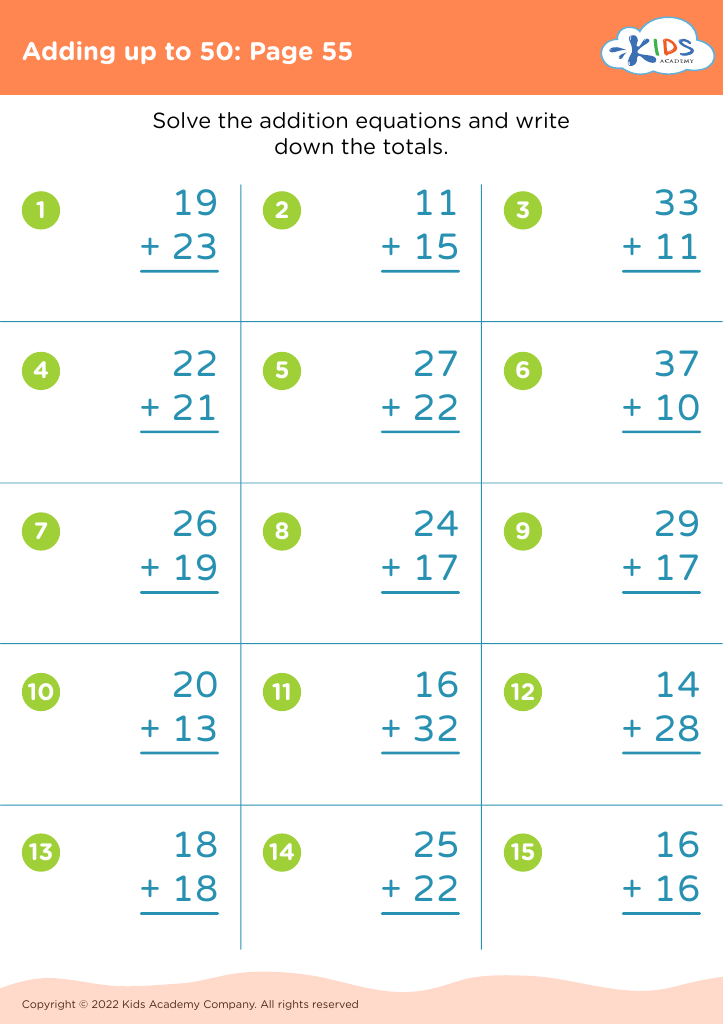
Adding up to 50: Page 55

Adding up to 50: Page 55

Adding up to 50: Page 55
Worksheet
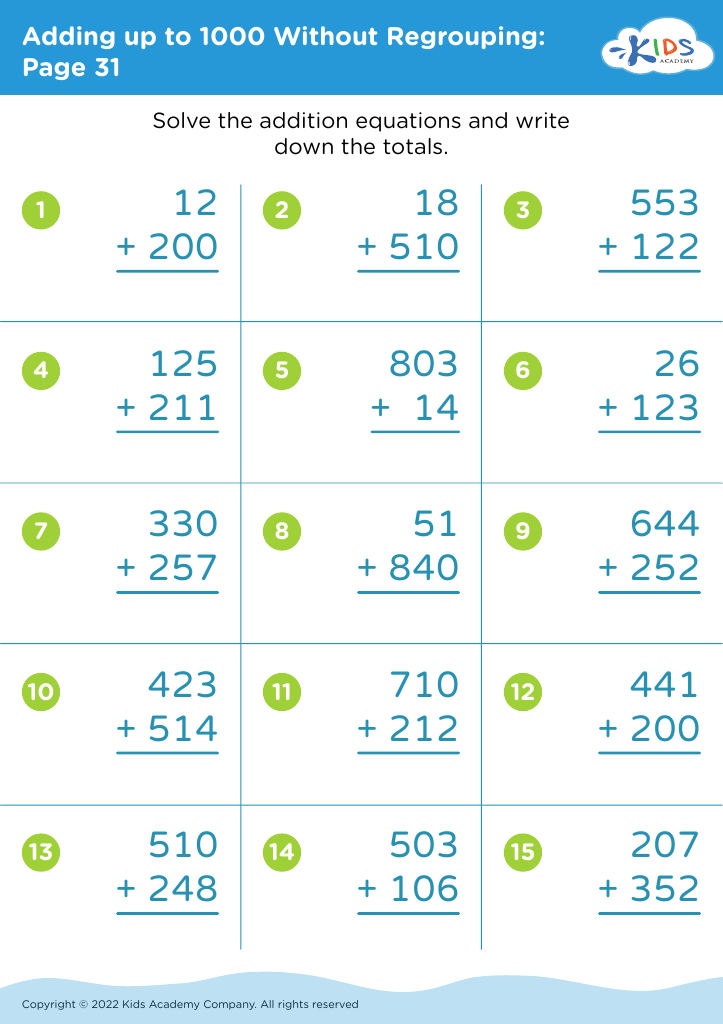
Adding up to 1000 Without Regrouping: Page 31
Worksheet
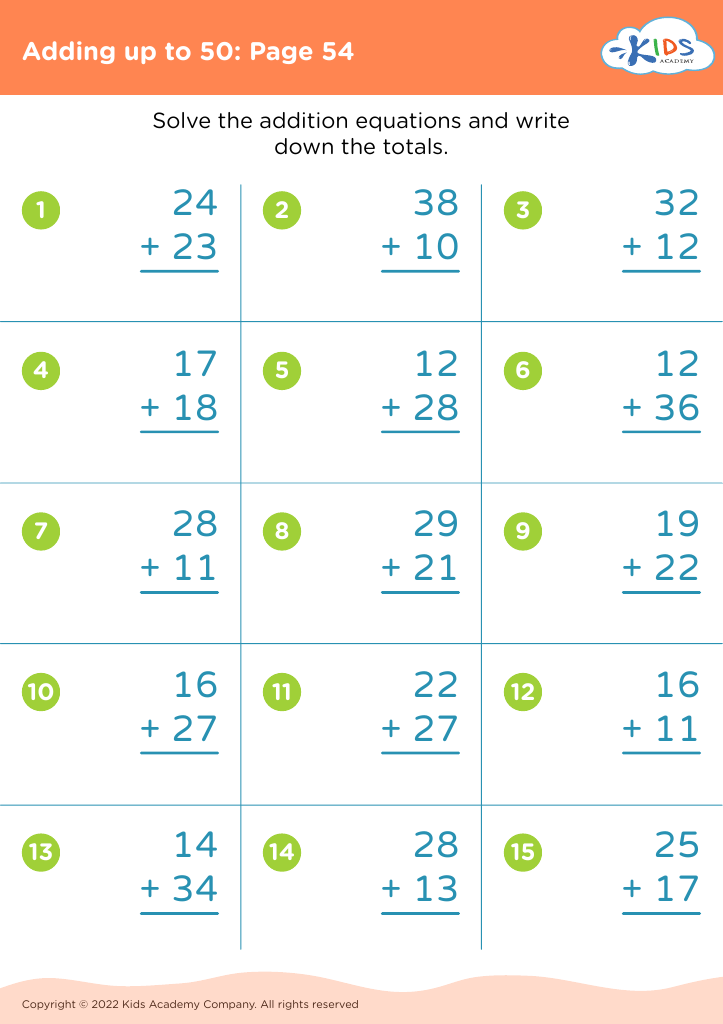
Adding up to 50: Page 54

Adding up to 50: Page 54

Adding up to 50: Page 54
Worksheet
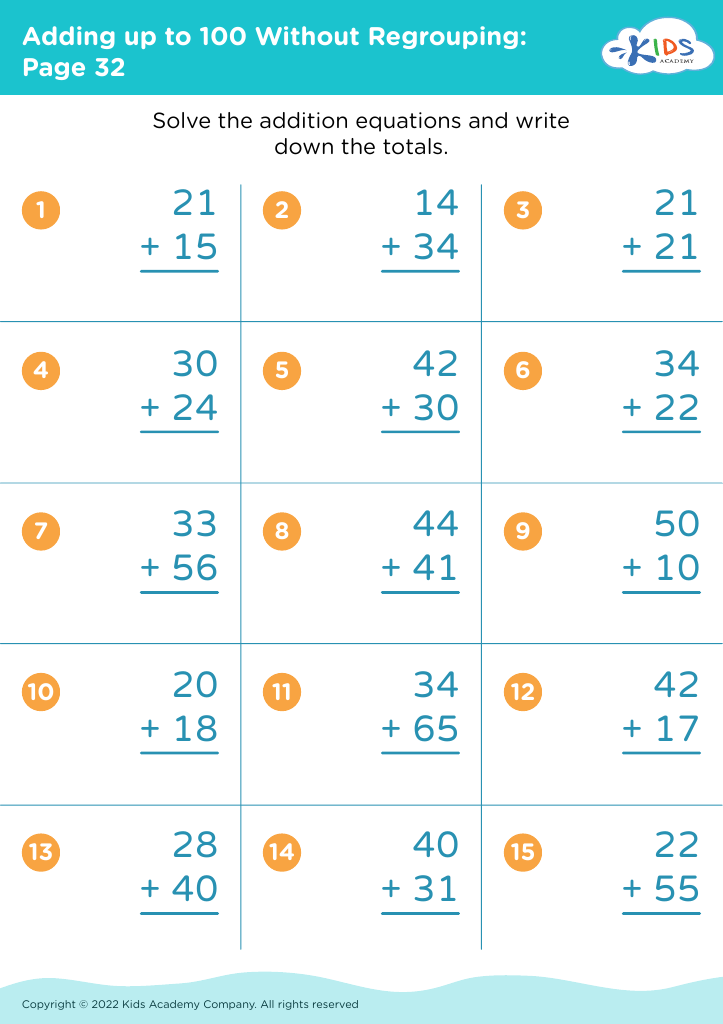
Adding up to 100 Without Regrouping: Page 32
Worksheet
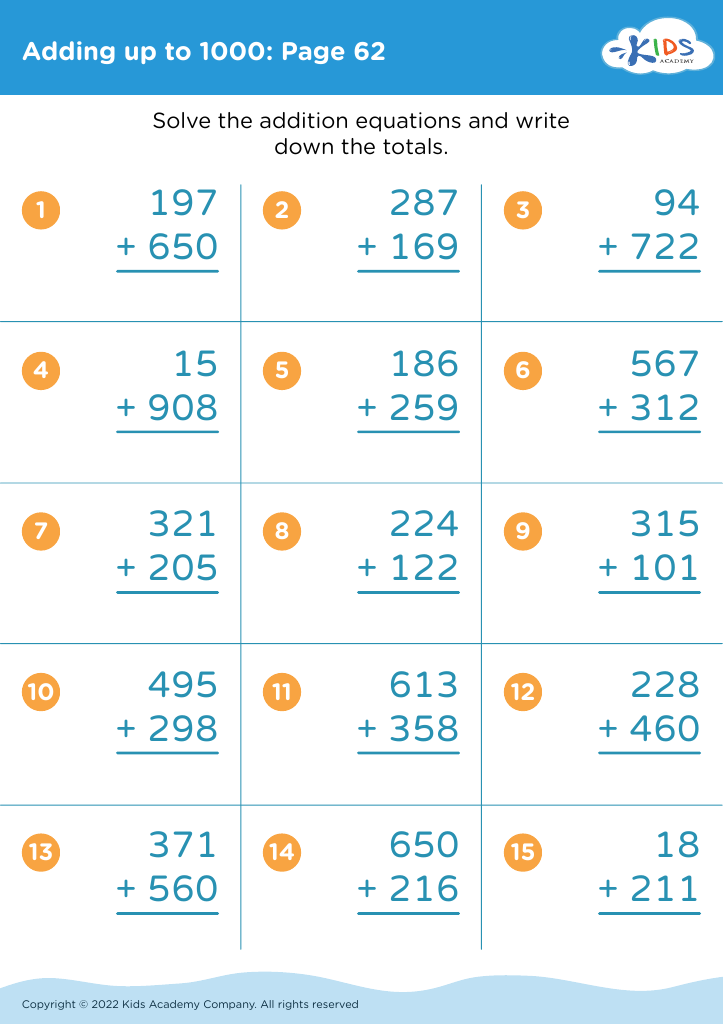
Adding up to 1000: Page 62

Adding up to 1000: Page 62

Adding up to 1000: Page 62
Worksheet
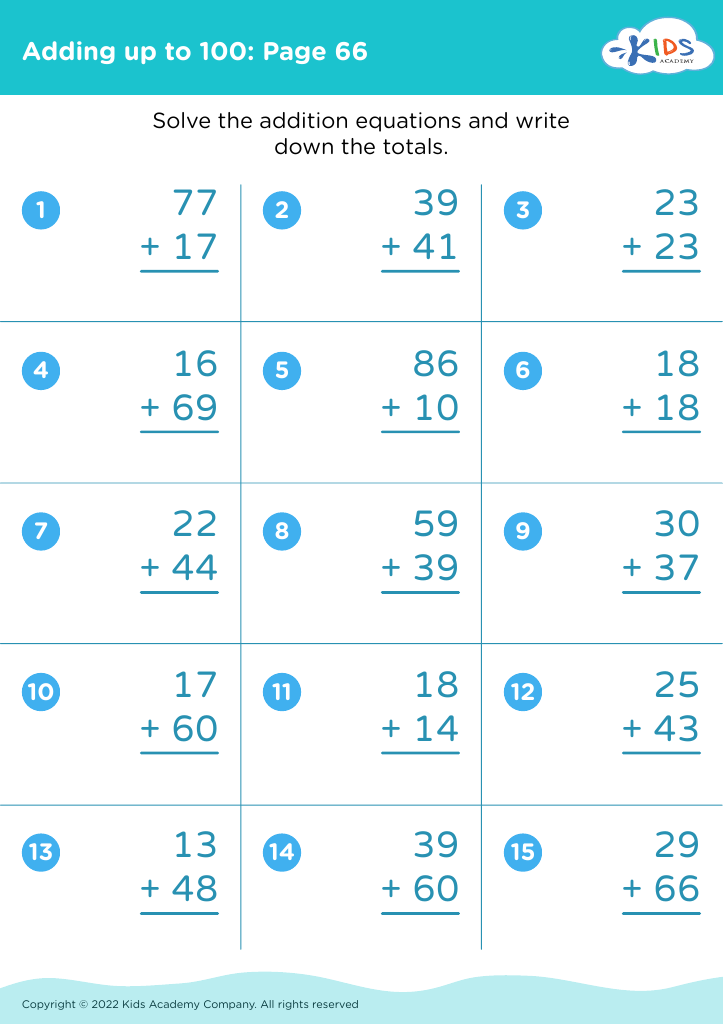
Adding up to 100: Page 66

Adding up to 100: Page 66

Adding up to 100: Page 66
Worksheet
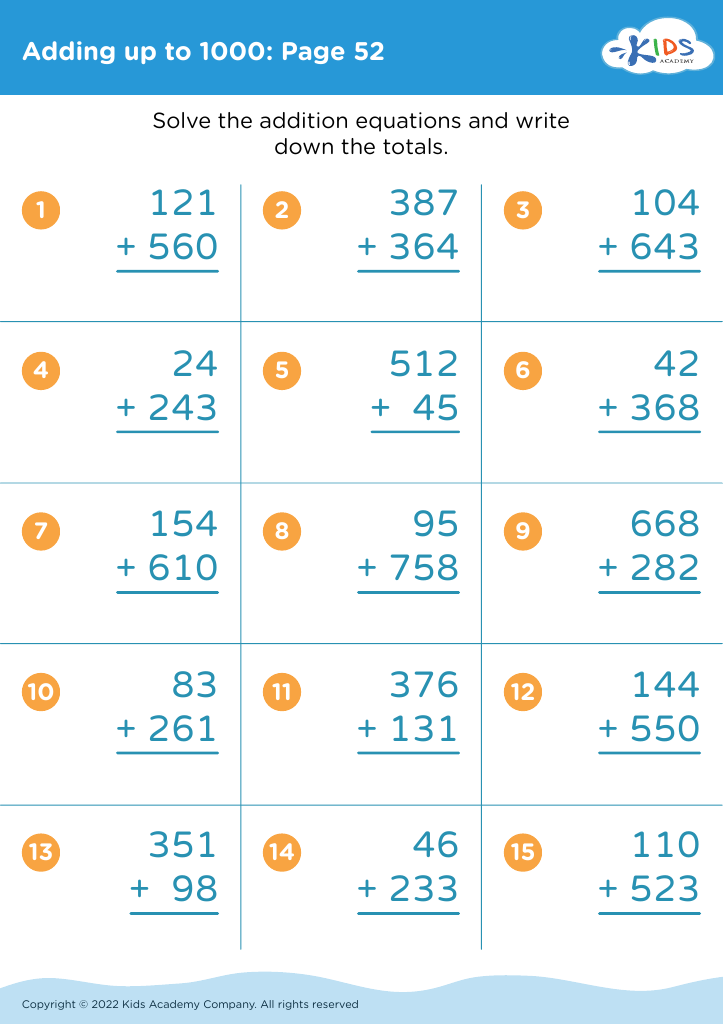
Adding up to 1000: Page 52

Adding up to 1000: Page 52

Adding up to 1000: Page 52
Worksheet
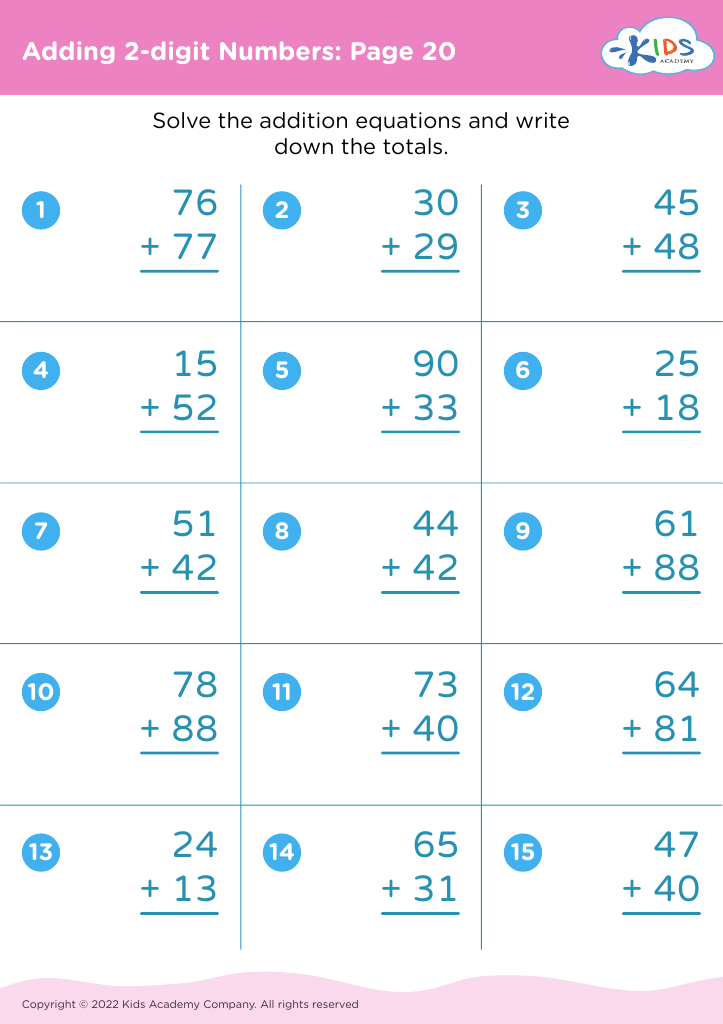
Adding 2-digit Numbers: Page 20

Adding 2-digit Numbers: Page 20

Adding 2-digit Numbers: Page 20
Worksheet
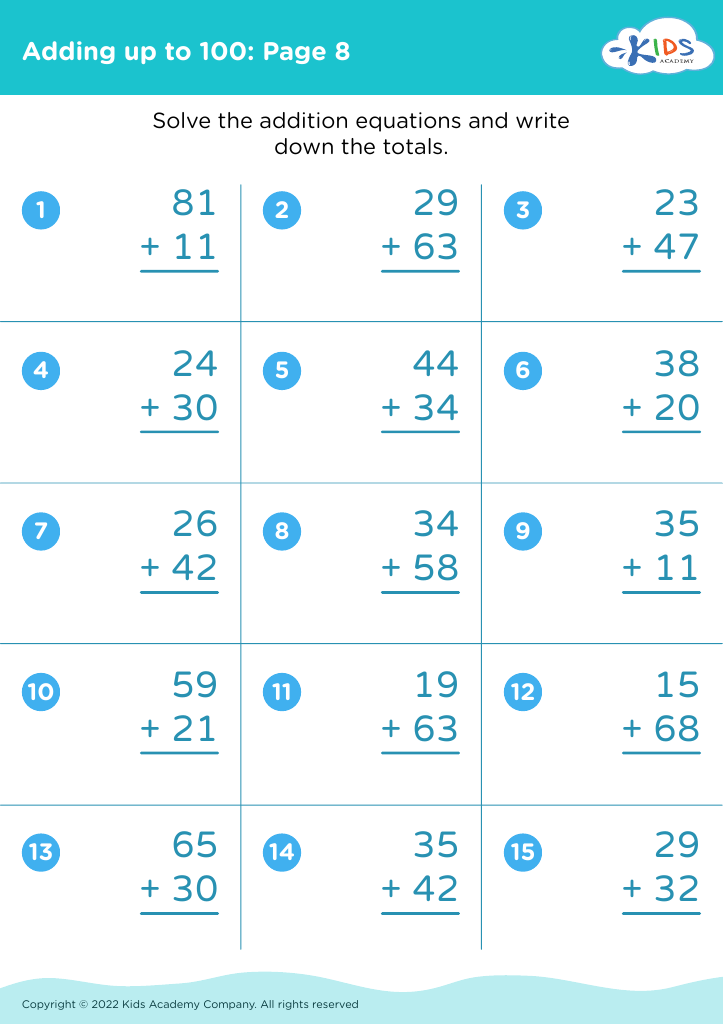
Adding up to 100: Page 8

Adding up to 100: Page 8

Adding up to 100: Page 8
Worksheet
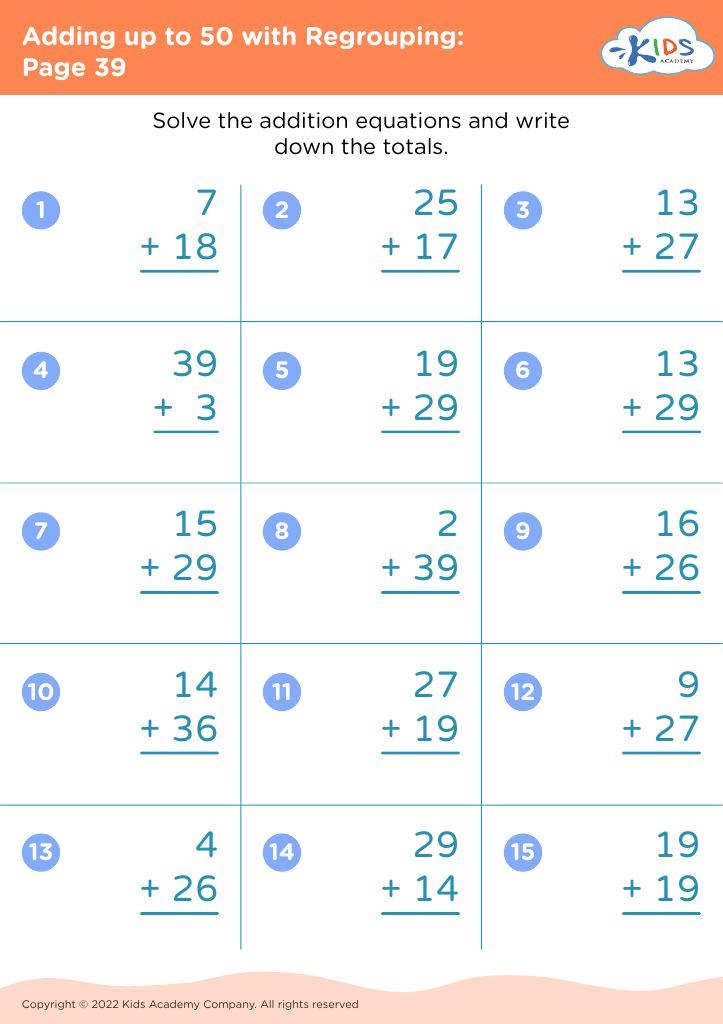
Adding up to 50 with Regrouping: Page 39
Worksheet
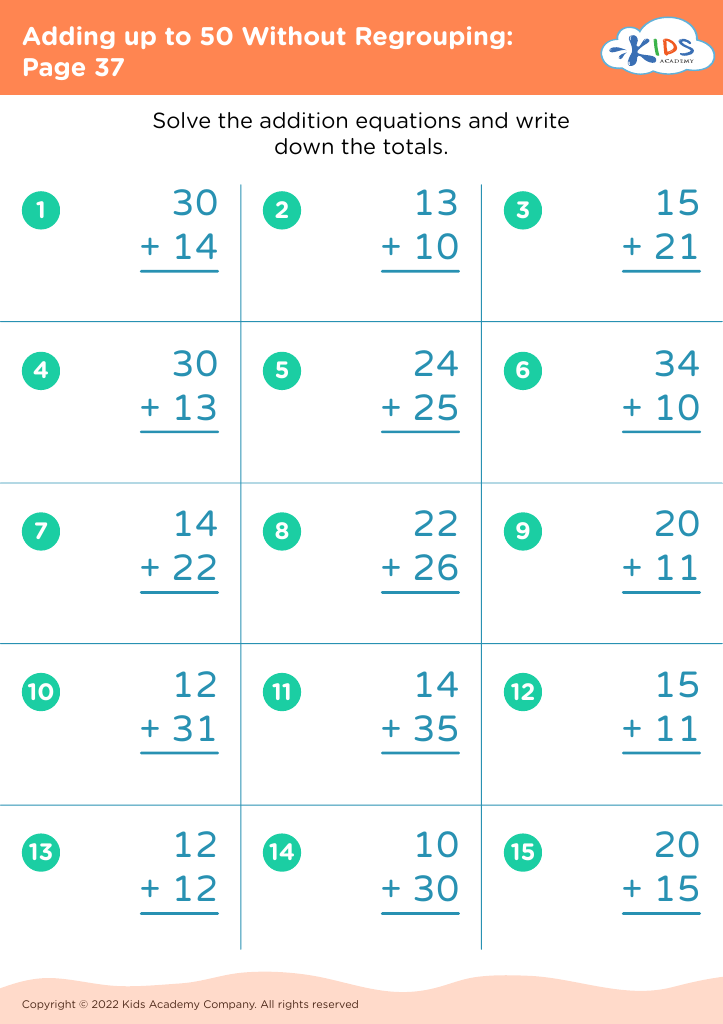
Adding up to 50 Without Regrouping: Page 37
Worksheet
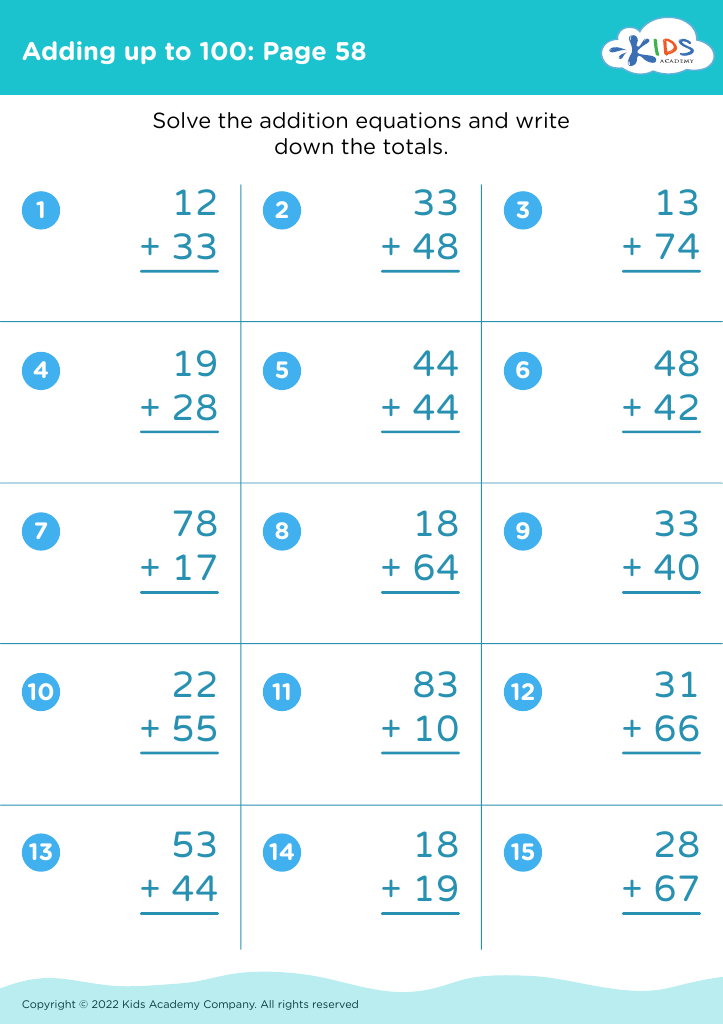
Adding up to 100: Page 58

Adding up to 100: Page 58

Adding up to 100: Page 58
Worksheet
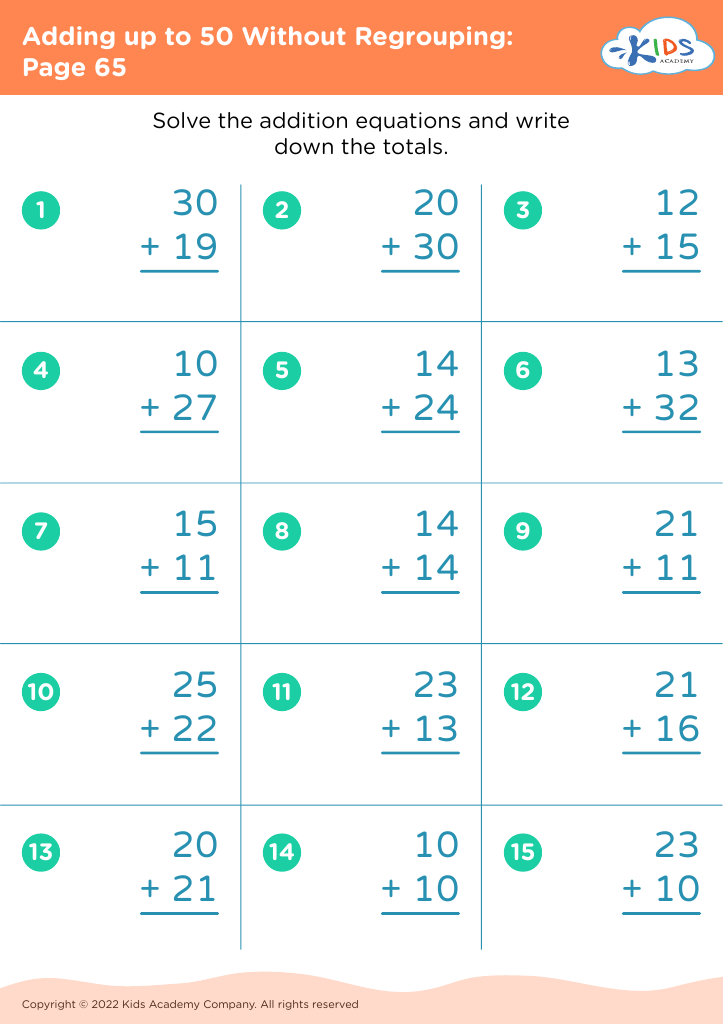
Adding up to 50 Without Regrouping: Page 65
Worksheet
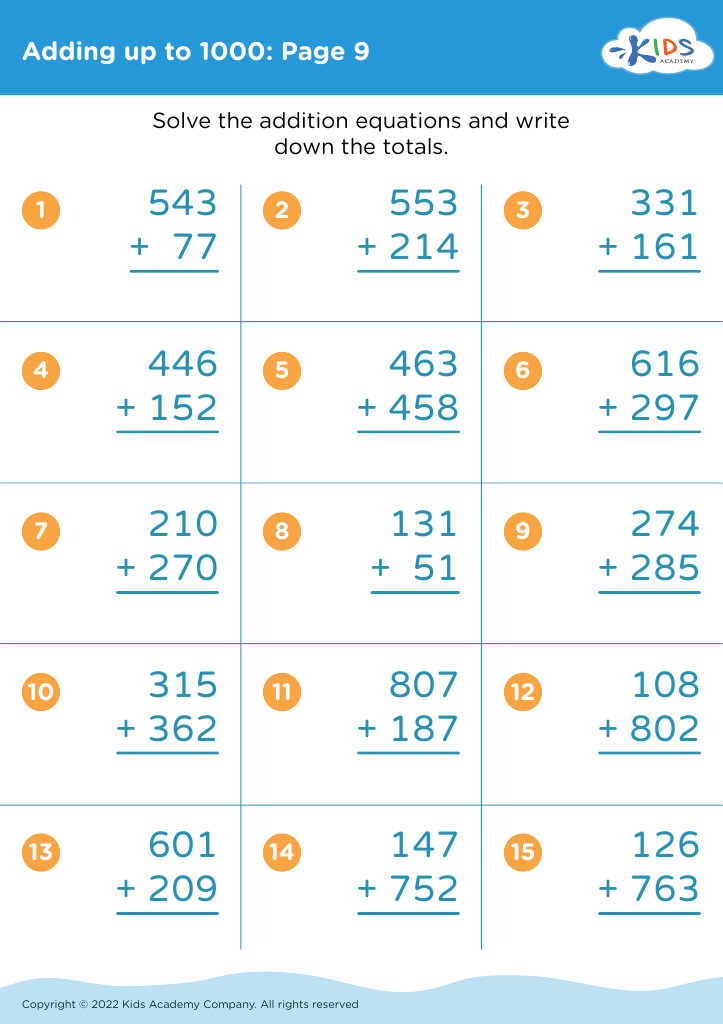
Adding up to 1000: Page 9

Adding up to 1000: Page 9

Adding up to 1000: Page 9
Worksheet
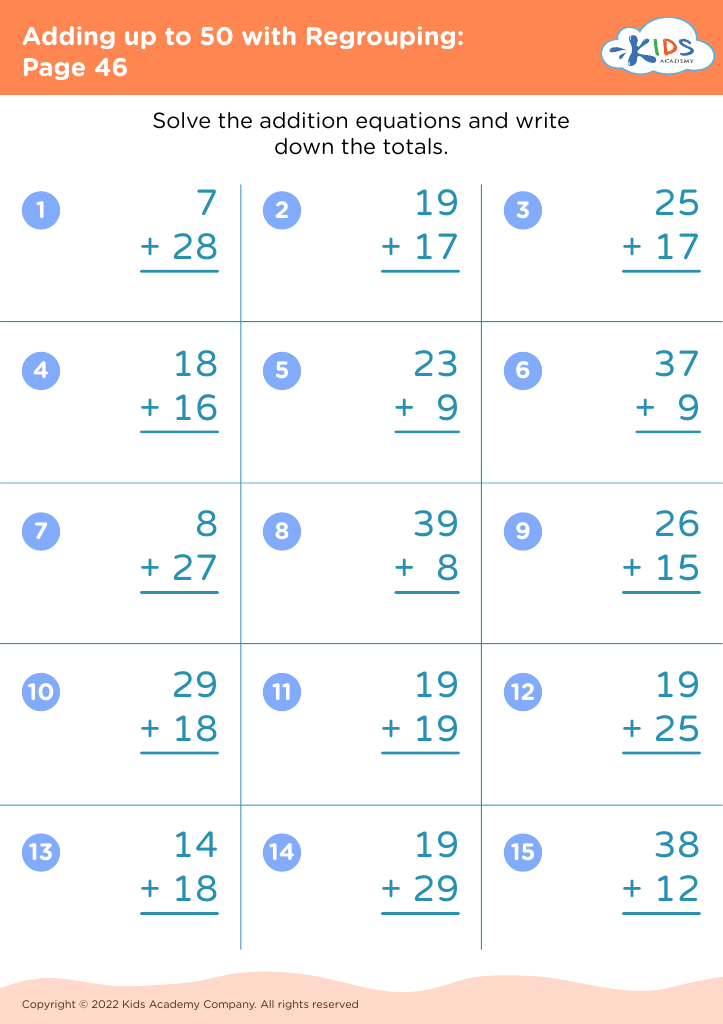
Adding up to 50 with Regrouping: Page 46
Worksheet
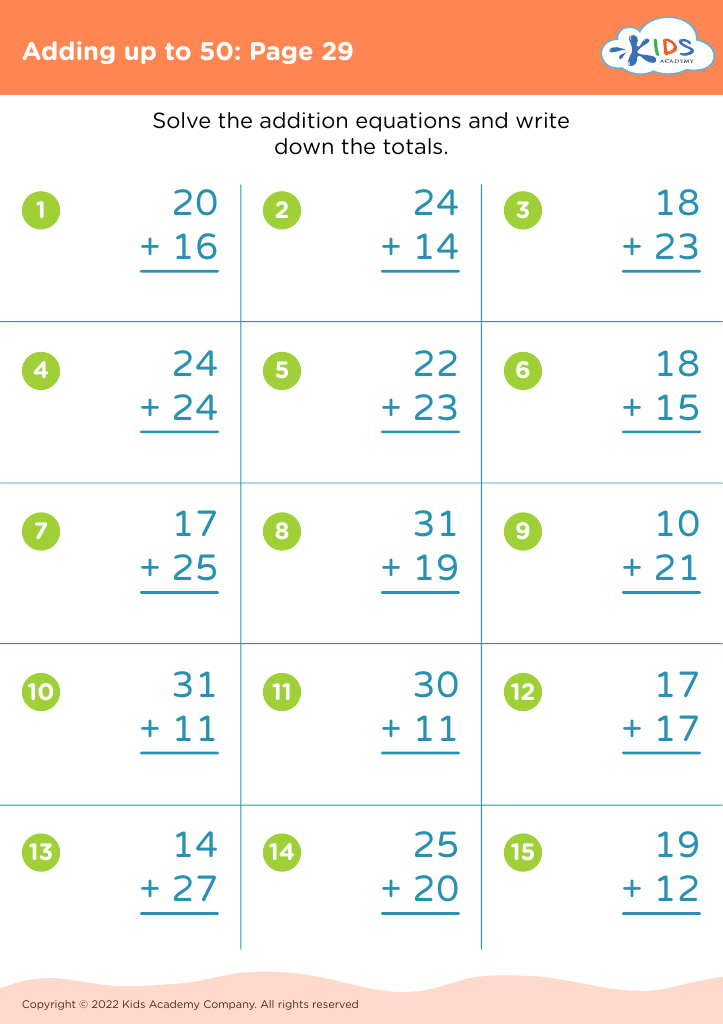
Adding up to 50: Page 29

Adding up to 50: Page 29

Adding up to 50: Page 29
Worksheet


Understanding addition of fractions at an early age is crucial for a child's mathematical development and overall cognitive growth. Physiologically, children's brains are at a prime stage for absorbing new, complex concepts and developing problem-solving skills. Parents and teachers must prioritize fraction addition to build a strong foundation for future math topics like division, ratios, and algebra.

Introducing fraction addition to 5-7-year-olds instills early confidence in handling numbers. It helps children develop a sense for parts and wholes, understanding that numbers can be broken down and recombined in meaningful ways. This conceptual grasp enhances their logical reasoning, an essential skill across academic subjects and everyday problem-solving.

Incorporating fractions at this age makes it relatable and less intimidating later. The use of hands-on activities with pie charts or measuring cups makes learning vivid and practical. Moreover, early familiarity with fractions nurtures a positive attitude towards math, reducing math anxiety as they progress in school.

Parents and teachers should collaborate to create an engaging, stress-free learning environment. Encouragement and consistent practice will shape enthusiastic, adept young learners. Prioritizing early understanding of fraction addition isn't just about numbers; it's about fostering a lifelong appreciation for learning and critical thinking.