Basic Math Skills Comparison Worksheets for Ages 5-7
3 filtered results
-
From - To
Explore our engaging Basic Math Skills Comparison Worksheets tailored for children ages 5-7! Designed to enhance early mathematical understanding, these worksheets focus on essential comparison skills, helping young learners grasp concepts of more, less, and equal through fun exercises. With colorful illustrations and age-appropriate activities, students will develop critical thinking skills while enjoying hands-on practice. Ideal for classrooms or at-home learning, our worksheets encourage a love for math from a young age. Perfect for reinforcing foundational concepts, they support children’s cognitive growth and confidence in problem-solving. Download our worksheets today and watch your child thrive in their mathematical journey!
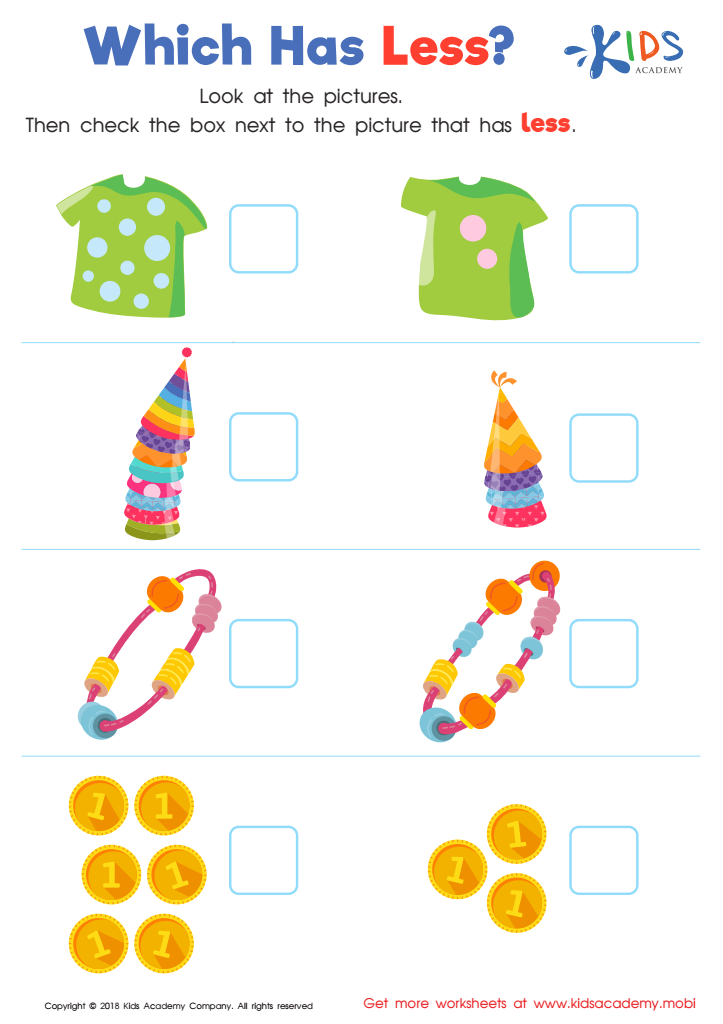
Which Has Less? Worksheet
 Assign to My Students
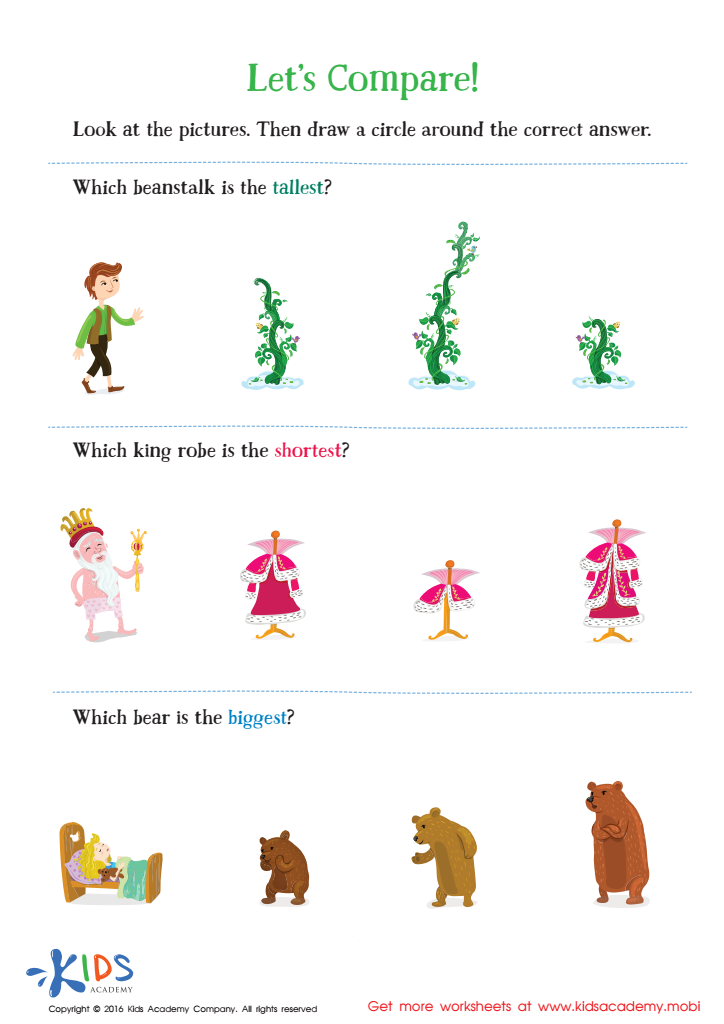
Fairy Tale Worksheet: Let's Compare
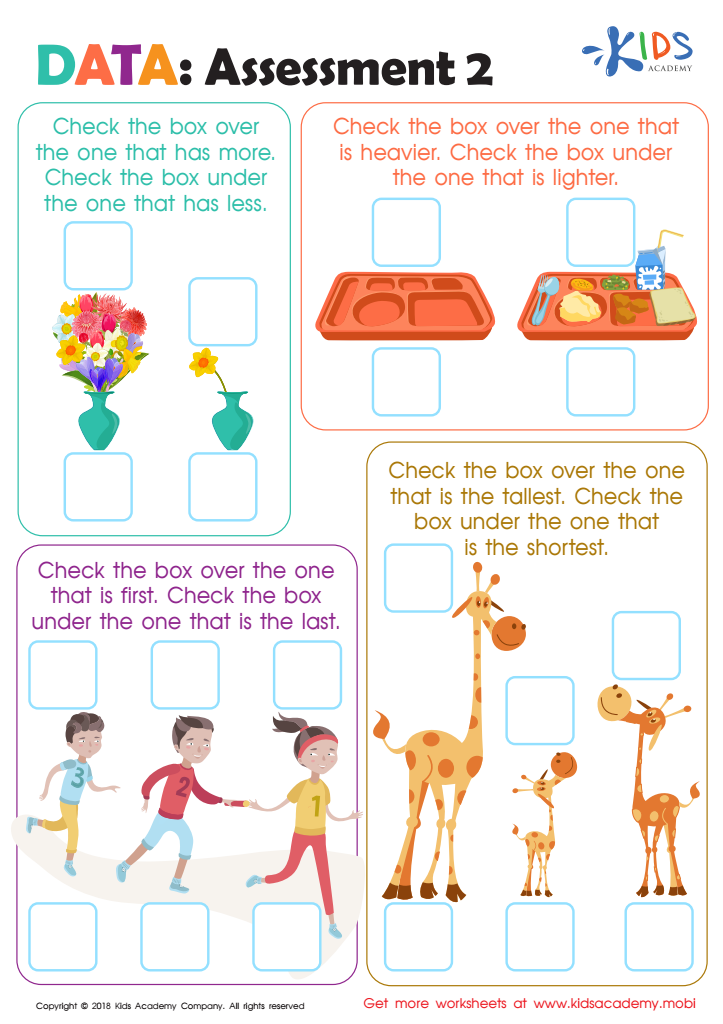
Data: Assessment 2 Worksheet


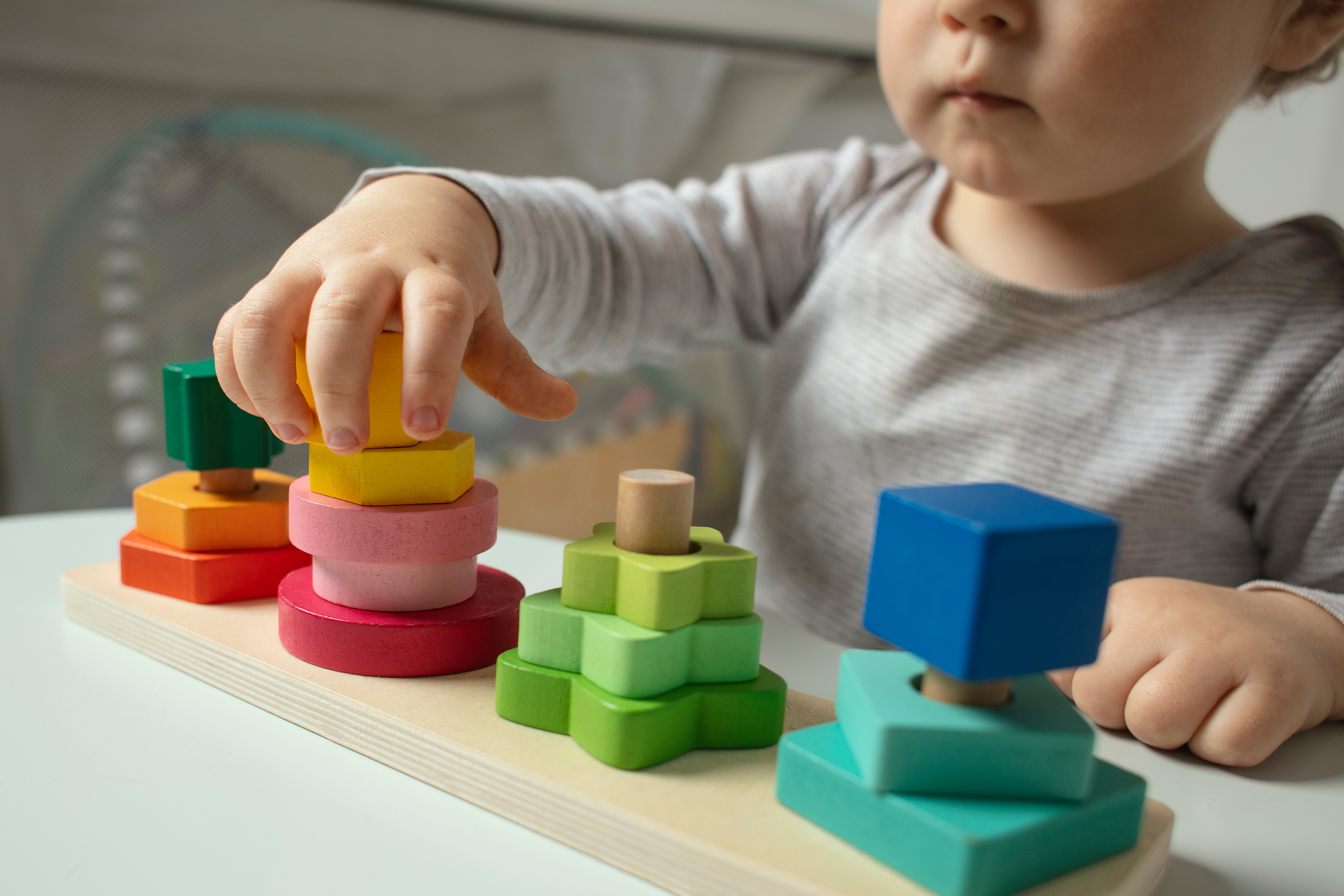





Parents and teachers should prioritize basic math skills comparison for ages 5-7 as it lays the foundation for a child's future academic success. This age group is critical for development, where children begin to grasp fundamental mathematical concepts such as addition, subtraction, counting, and number recognition. Understanding where a child stands in these basic skills can help identify strengths and weaknesses, guiding tailored learning approaches.
By comparing a child's math skills to age-appropriate benchmarks, caregivers can better support their learning journey, ensuring they receive the necessary resources and encouragement. Early intervention is crucial; identifying challenges early allows for targeted strategies to address gaps before they widen, fostering confidence and a positive attitude towards math.
Additionally, these comparisons can also help in setting realistic expectations and achievable goals, making math a less intimidating subject. Games, visual aids, and interactive methods can enrich their learning experience. Ultimately, fostering strong basic math skills equips children with the cognitive tools they need for problem-solving and critical thinking, both essential skills in academic and everyday life, ensuring they are well-prepped as they advance in their education.








