Fine Motor Skills Geometry Worksheets for Ages 5-7 - Page 2
29 filtered results
-
From - To
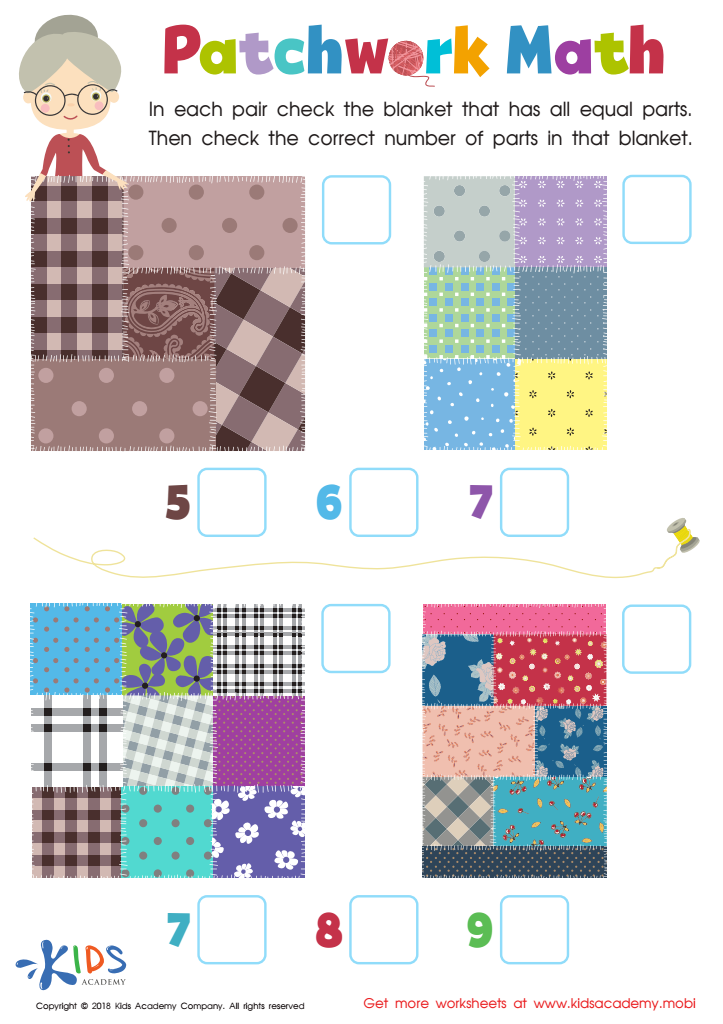
Patchwork Math Worksheet
 Assign to My Students











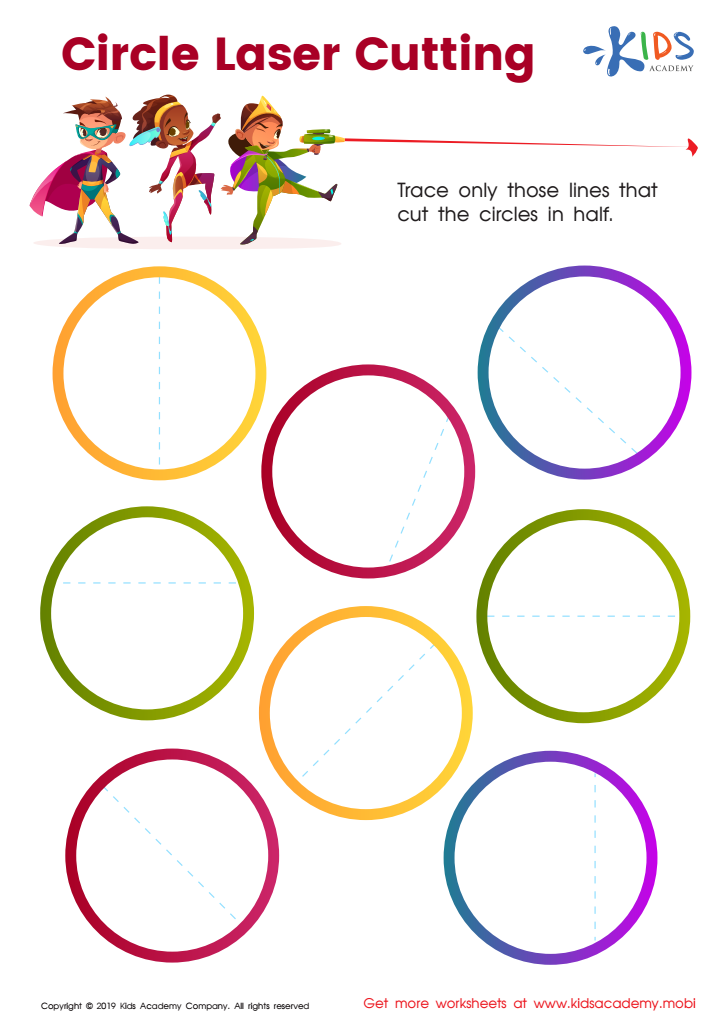
Circle Laser Cutting Worksheet
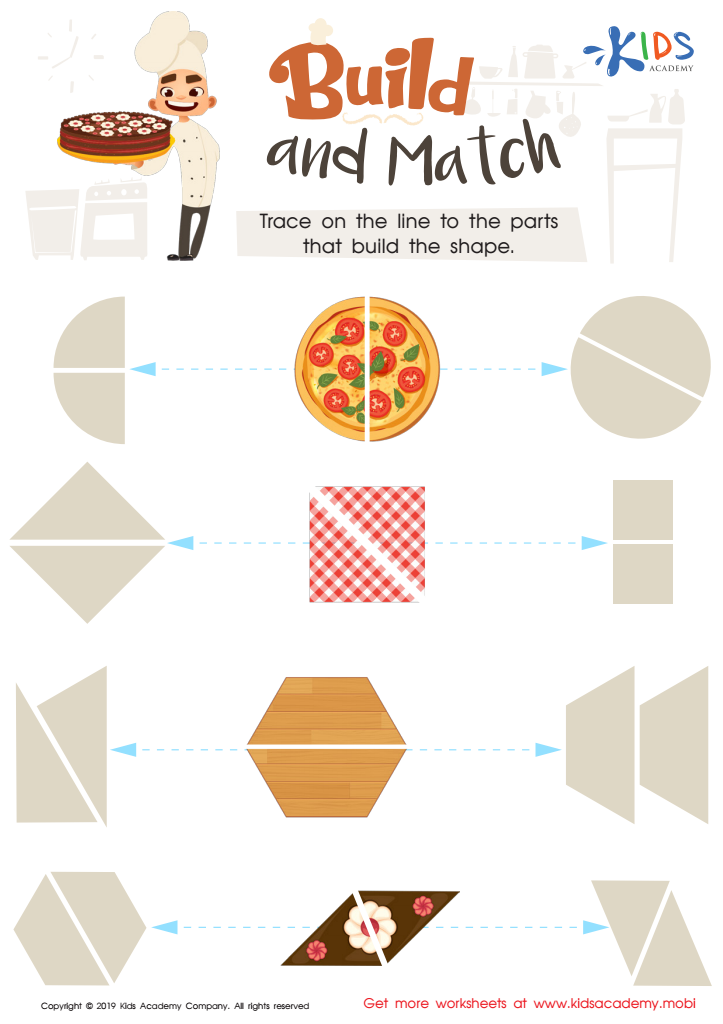
Build and Match Worksheet
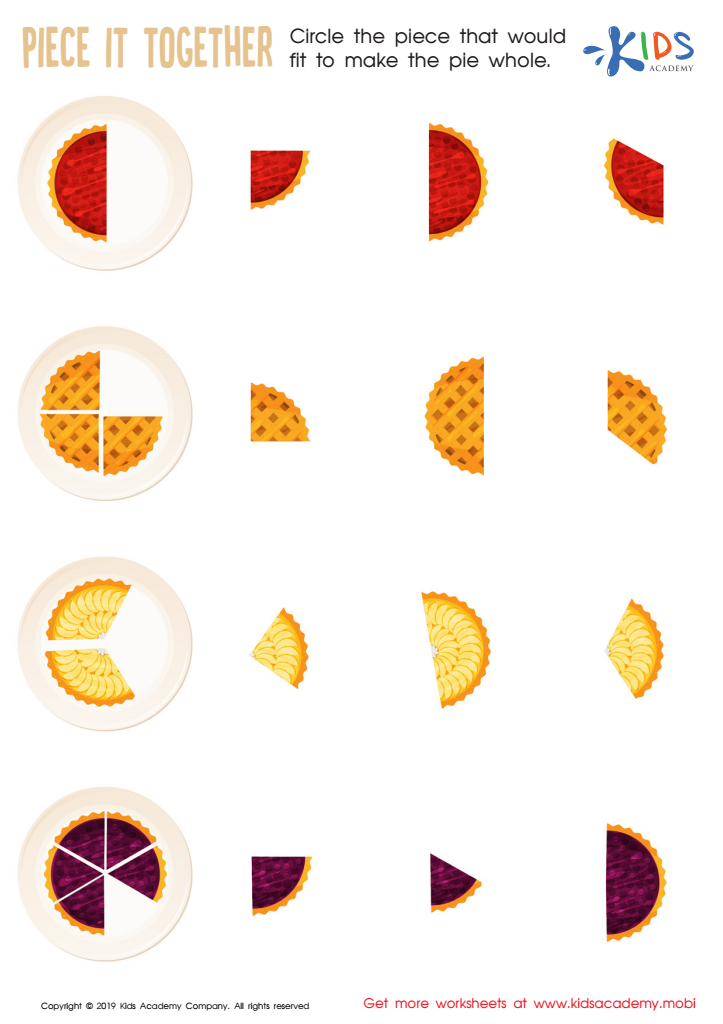
Piece it together Worksheet
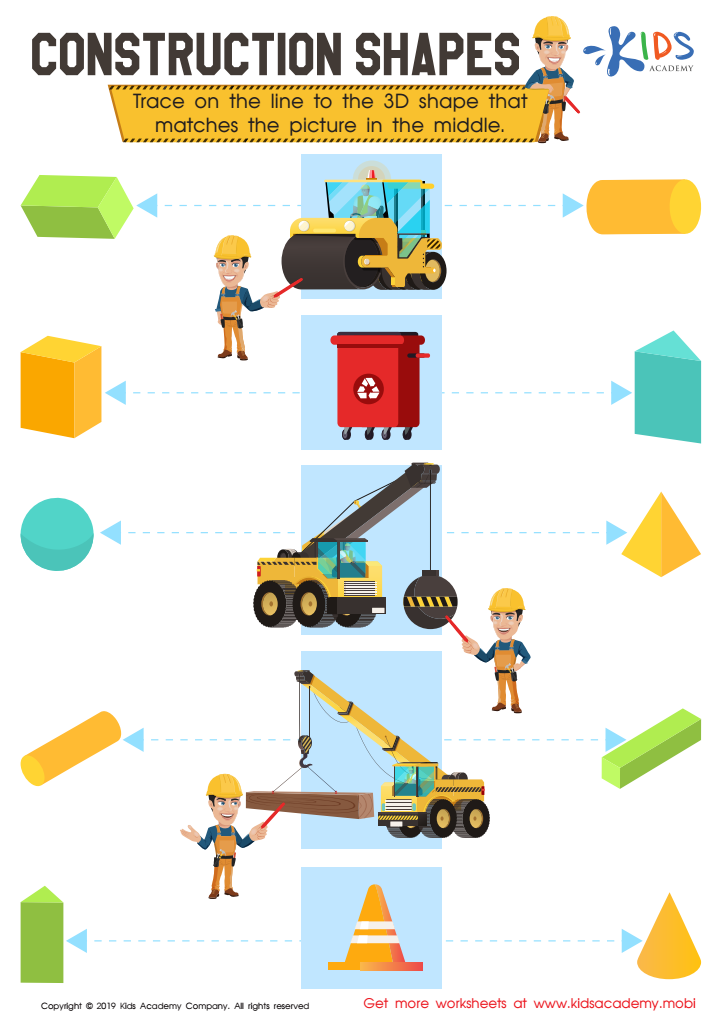
Construction Shapes Worksheet








Fine motor skills are crucial for children aged 5-7 as they form the foundation for many essential everyday tasks. Fine motor skills refer to the coordination of small muscles in movements—usually involving the synchronization of hands and fingers with the eyes. During this age, children are developing skills important for writing, holding utensils, buttoning clothes, and other activities requiring precision.
Integrating geometry into fine motor skills development introduces children to spatial awareness, problem-solving, and critical thinking early on. For example, using geometric shapes in activities like block building, puzzle solving, or drawing not only strengthens fine motor skills but also familiarizes children with basic geometrical concepts. This multi-faceted approach makes learning more engaging and holistic.
Parents and teachers should prioritize these skills because they directly impact a child's academic performance and daily functional capabilities. Strong fine motor skills can make academic tasks like writing smoother and less frustrating, which fosters positive attitudes towards learning. Additionally, adept fine motor control can enhance a child's self-esteem and independence by allowing them to manage everyday tasks efficiently.
By focusing on fine motor skills geometry, parents, and teachers can ensure their children's comprehensive physical and cognitive development, setting a strong foundation for future educational and personal success.








