Mental math skills Numbers Worksheets for Ages 5-7
5 filtered results
-
From - To
Discover our engaging mental math skills worksheets designed for children ages 5-7! These interactive resources help young learners develop essential math abilities through fun exercises that focus on number recognition, simple calculations, and problem-solving. Our worksheets encourage kids to practice mental arithmetic, enhancing their confidence and speed in solving math problems. With colorful illustrations and age-appropriate activities, these worksheets make learning math enjoyable and effective. Perfect for both classroom and home use, our Mental Math Skills worksheets offer a solid foundation for your child's math journey. Explore the collection today and watch your child excel in their number skills!
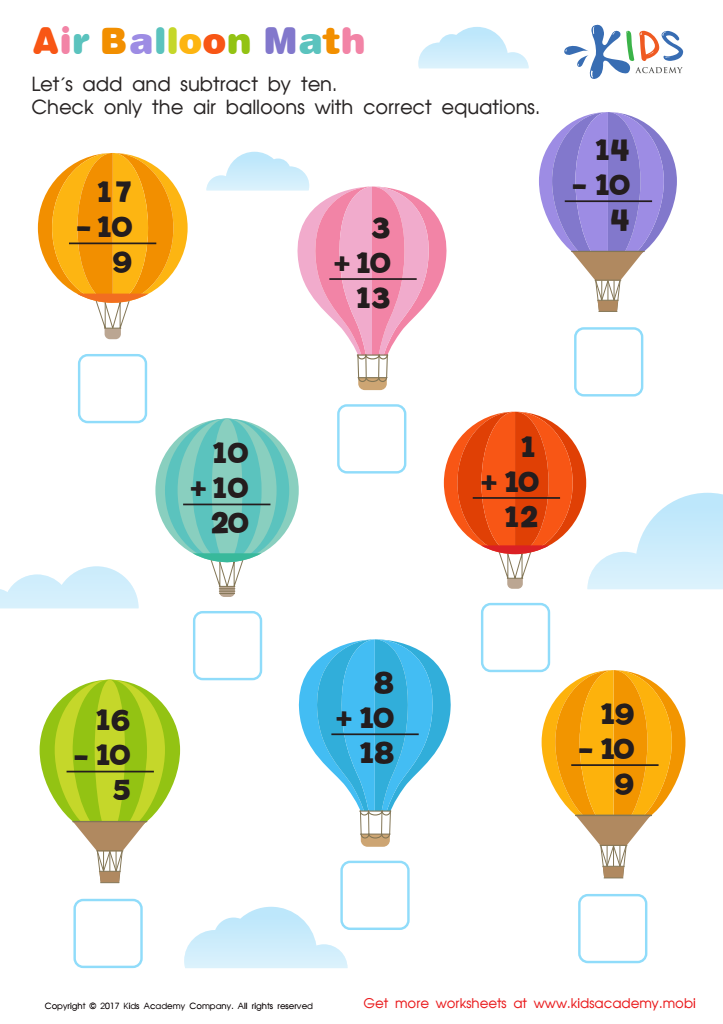
Air Balloon Math Worksheet
 Assign to My Students
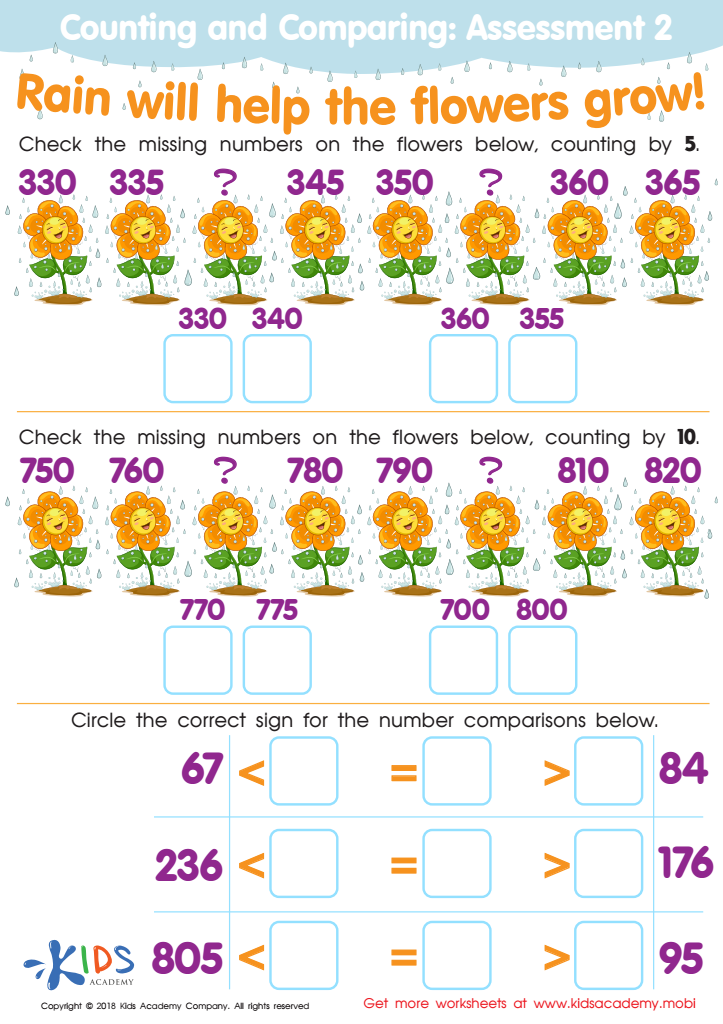
Counting and Comparing: Assessment 2 Worksheet
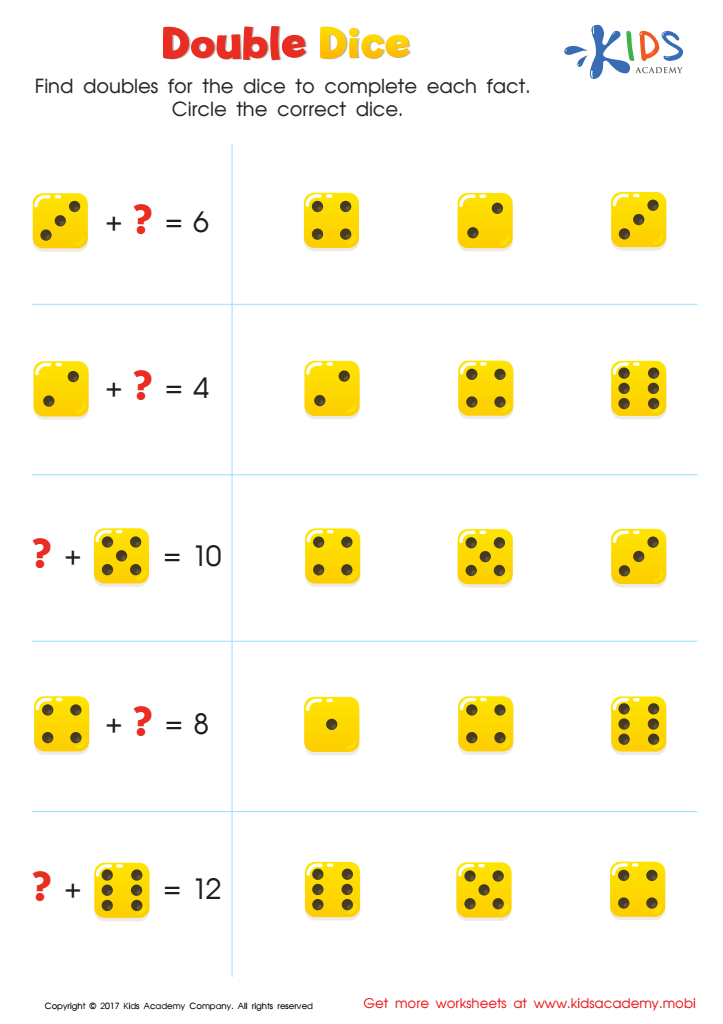
Addition Facts: Double Dice Worksheet
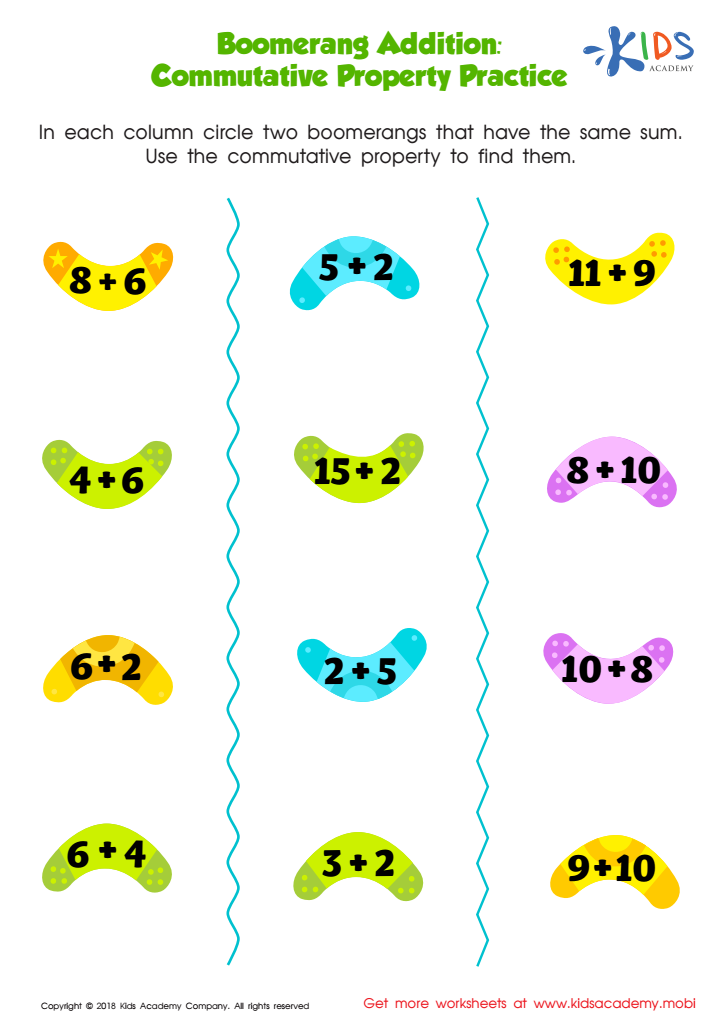
Boomerang Addition Worksheet
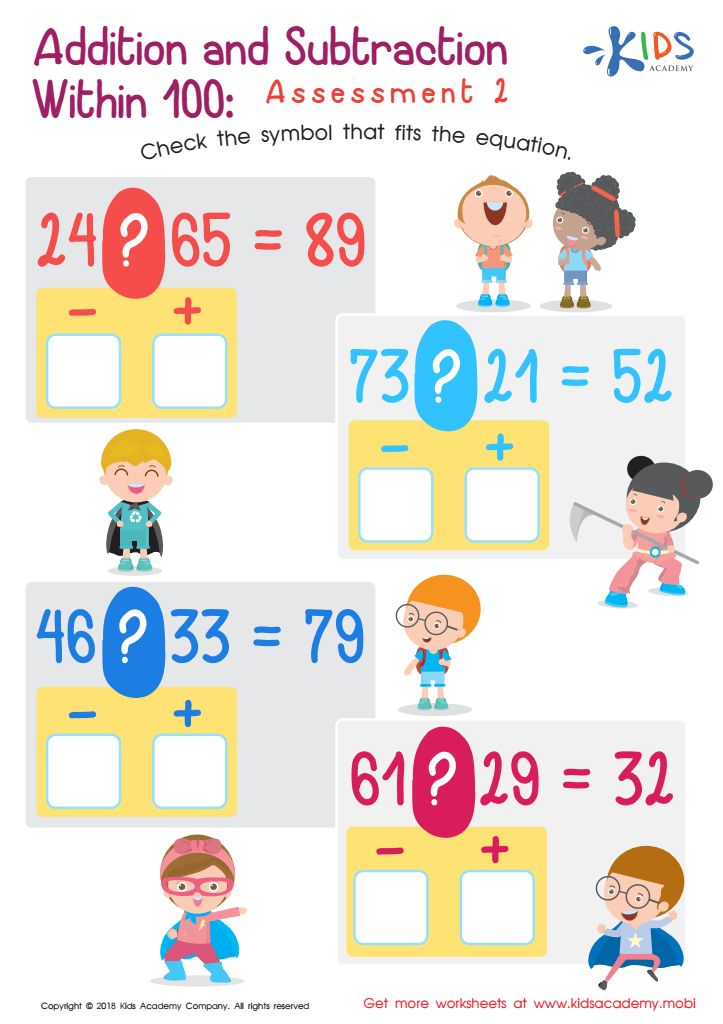
Addition and Subtraction Within 1: Assessment 2 Worksheet








Mental math skills are crucial for children aged 5-7 because they lay the foundation for more advanced mathematical understanding. At this early age, children are developmentally primed to engage with numbers, and cultivating mental math abilities can enhance their overall cognitive skills. Mastering basic calculations can boost their confidence and motivation, making math a less intimidating subject as they progress in their education.
Moreover, strong mental math skills foster problem-solving abilities and creativity. Children who can quickly calculate numbers in their heads are better equipped to tackle real-world situations, such as making change or estimating costs while shopping. These skills translate beyond traditional math to improve critical thinking and analytical reasoning.
Parents and teachers should care about fostering these skills because they contribute significantly to a child’s academic success. Regular practice with mental math can be seamlessly integrated into daily routines through fun games and engaging activities, making learning enjoyable. By prioritizing mental math, caregivers not only assist children in achieving immediate educational goals but also equip them with lifelong skills that prepare them for future challenges, ultimately influencing their overall success in school and beyond. Creating a supportive environment around math will nurture a positive attitude that encourages a love for learning.








