Shape Recognition Numbers Worksheets for Ages 5-7
7 filtered results
-
From - To
Introduce young learners to the exciting world of numbers and shapes with our "Shape Recognition Numbers Worksheets" designed for ages 5-7. These engaging worksheets help children recognize numbers through fun shape-based activities, enhancing their math and geometry skills. With vibrant visuals and interactive exercises, kids can improve their number identification and develop a strong foundation in early math concepts. Ideal for both classroom and at-home learning, these worksheets make learning enjoyable and interactive, fostering a love for math in young minds. Download now to support your child's educational journey with these fantastic resources!
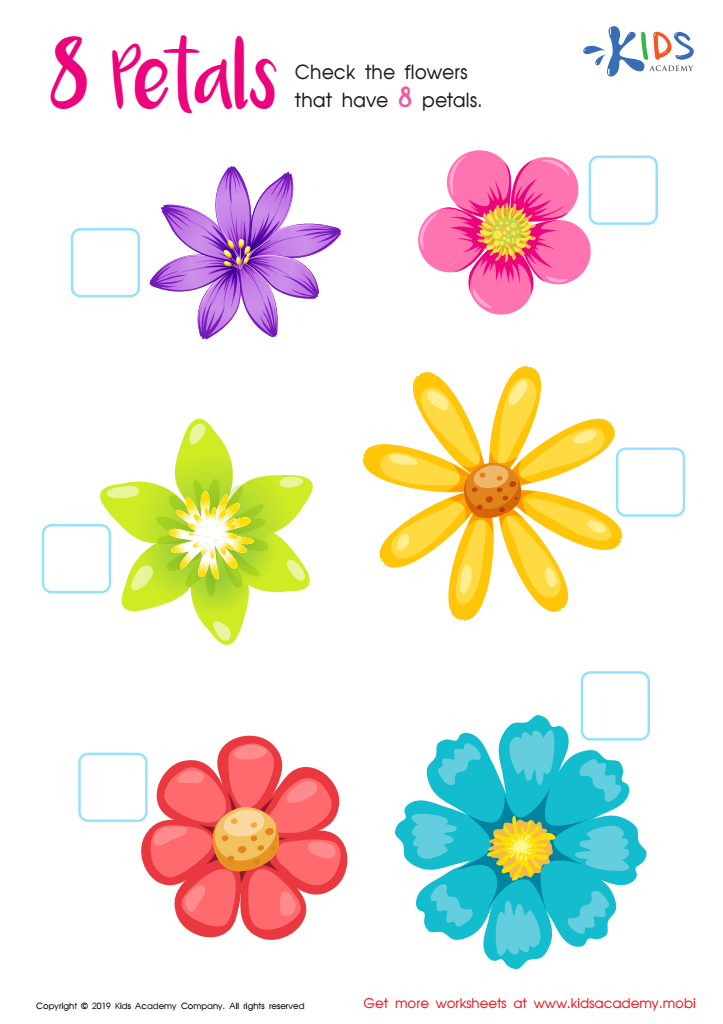
8 Petals Worksheet
 Assign to My Students
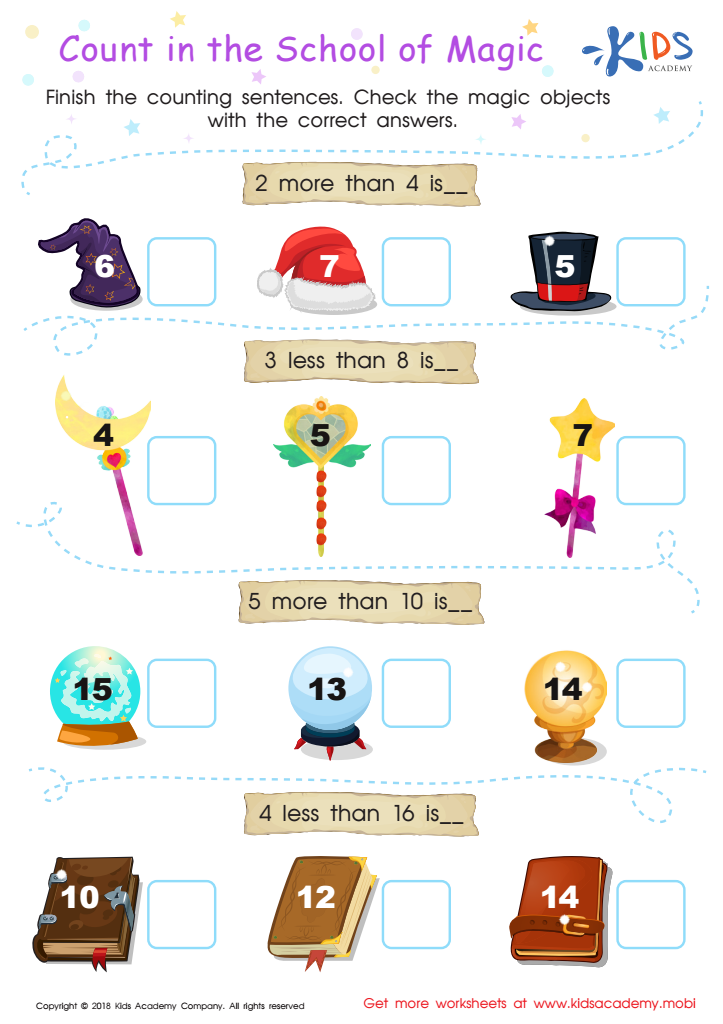
Count in the School of Magic Worksheet
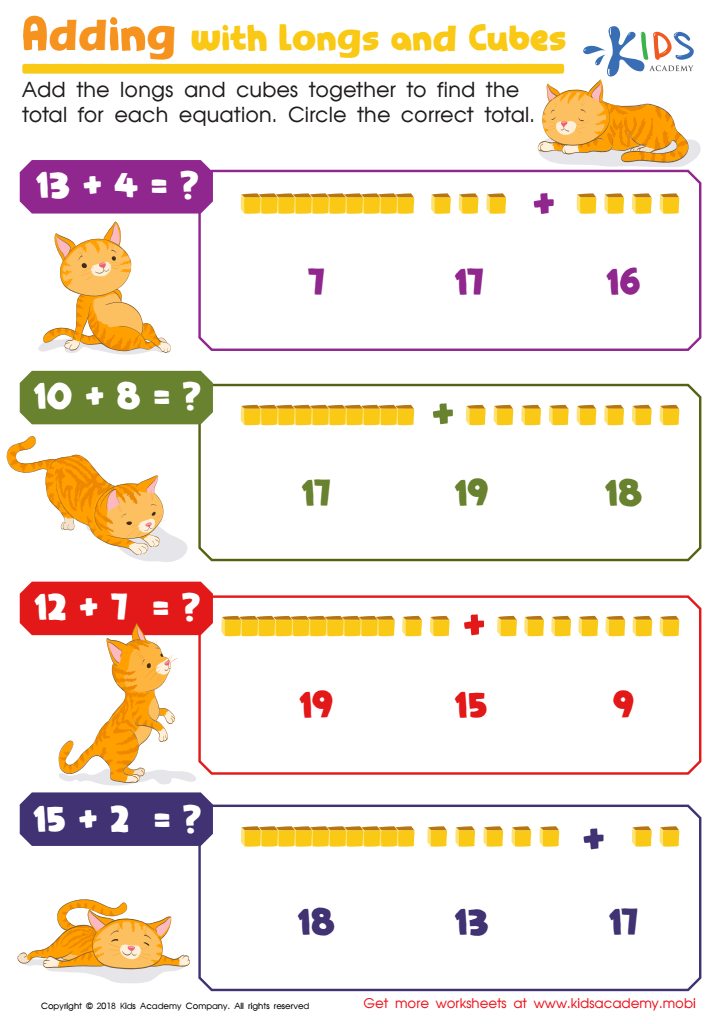
Adding With Longs and Cubes Worksheet
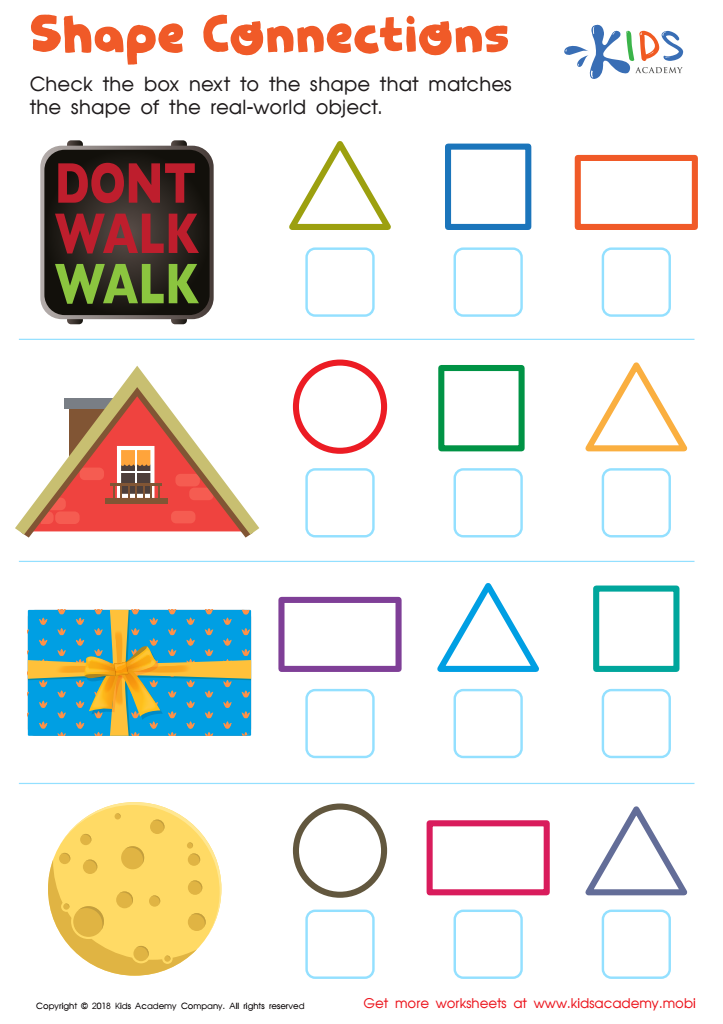
Shape Connections Worksheet
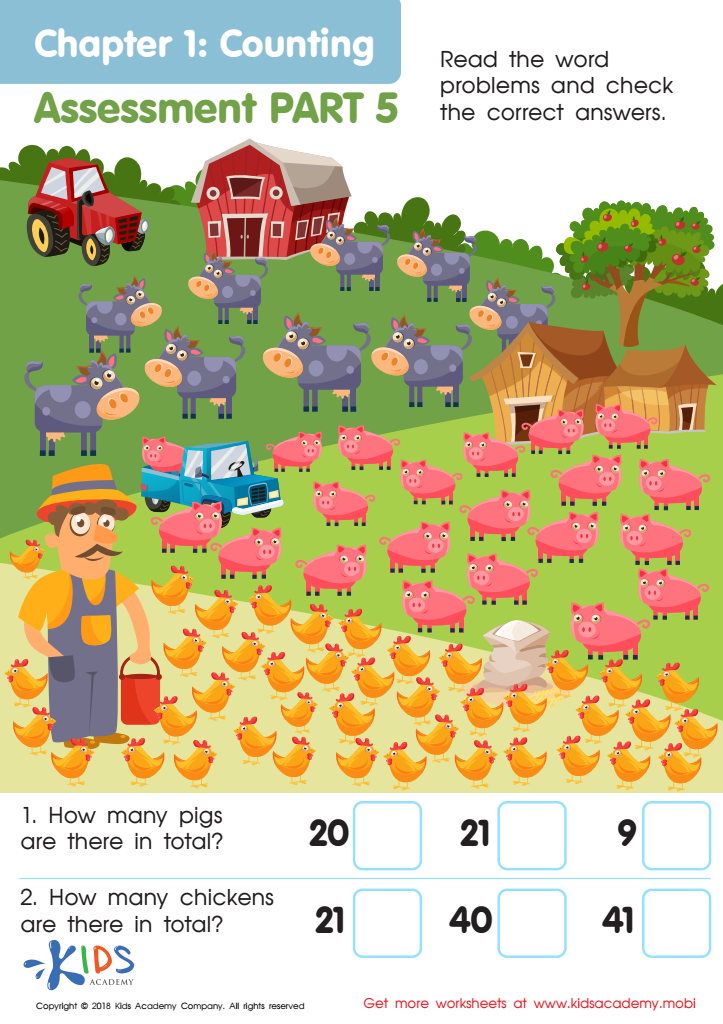
Counting: Assessment 5 Worksheet
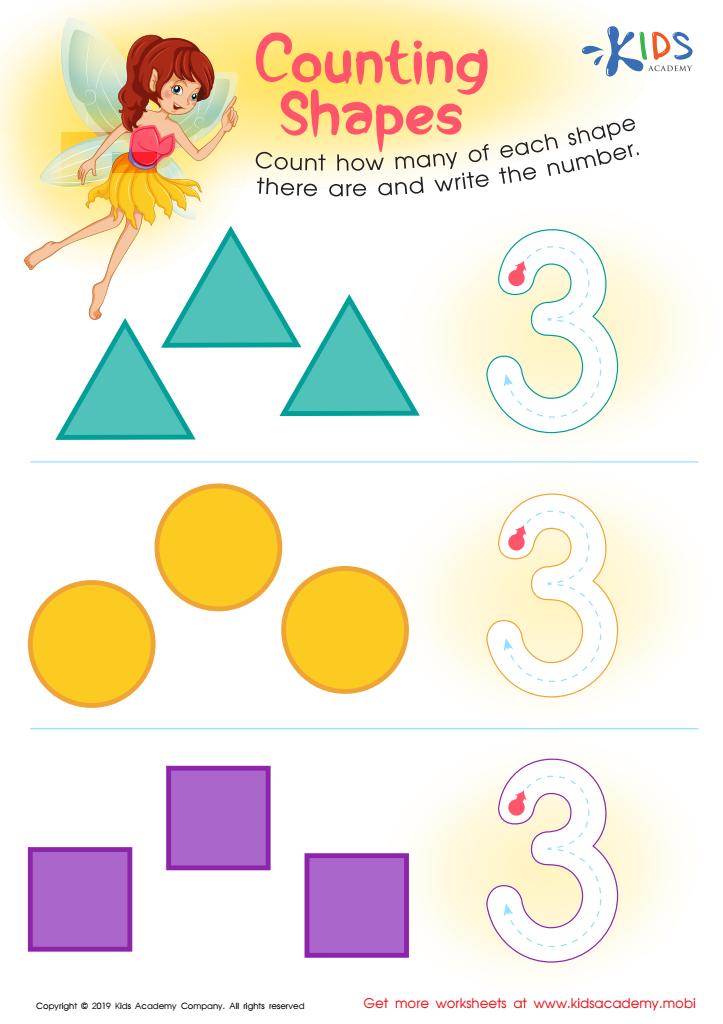
Counting Shapes Worksheet
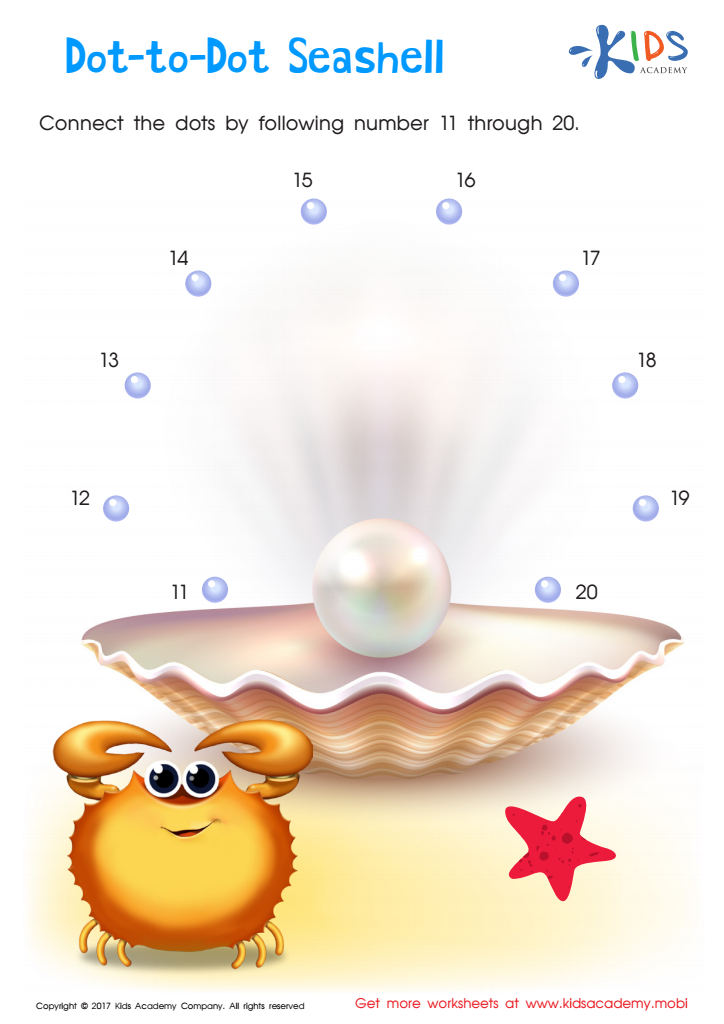
Ordering 11–20: Dot–to–dot Seashell Printable








Shape recognition and number identification are fundamental skills in early childhood education, especially for children ages 5-7. At this stage, young learners' brains are highly adaptable and responsive to new information. Incorporating shape recognition and numbers into early learning benefits multiple areas of cognitive development.
Shape recognition helps children understand the world around them. Recognizing circles, squares, triangles, and other shapes lays the groundwork for spatial awareness and geometry, which are critical for later math skills. By learning to identify and differentiate shapes, children enhance their problem-solving abilities and develop better hand-eye coordination. These skills are integral in everyday tasks such as reading (identifying different letters) and writing (creating clear, distinct letters and numbers).
Numbers are equally crucial because they form the basis for all math learning. Recognizing numbers helps children grasp the concepts of counting, sequencing, and basic arithmetic. Furthermore, integrating shapes and numbers can turn abstract concepts into concrete learning experiences. For instance, associating a number with a corresponding quantity of shapes can foster a child's understanding of quantity and value.
In summary, focusing on shape and number recognition in early education equips children with essential skills for their academic journey and everyday activities. It nurtures their cognitive abilities, setting a strong foundation for future learning and successful problem-solving strategies.








