Addition Practice Math Worksheets for Ages 5-7 - Page 3
180 filtered results
-
From - To
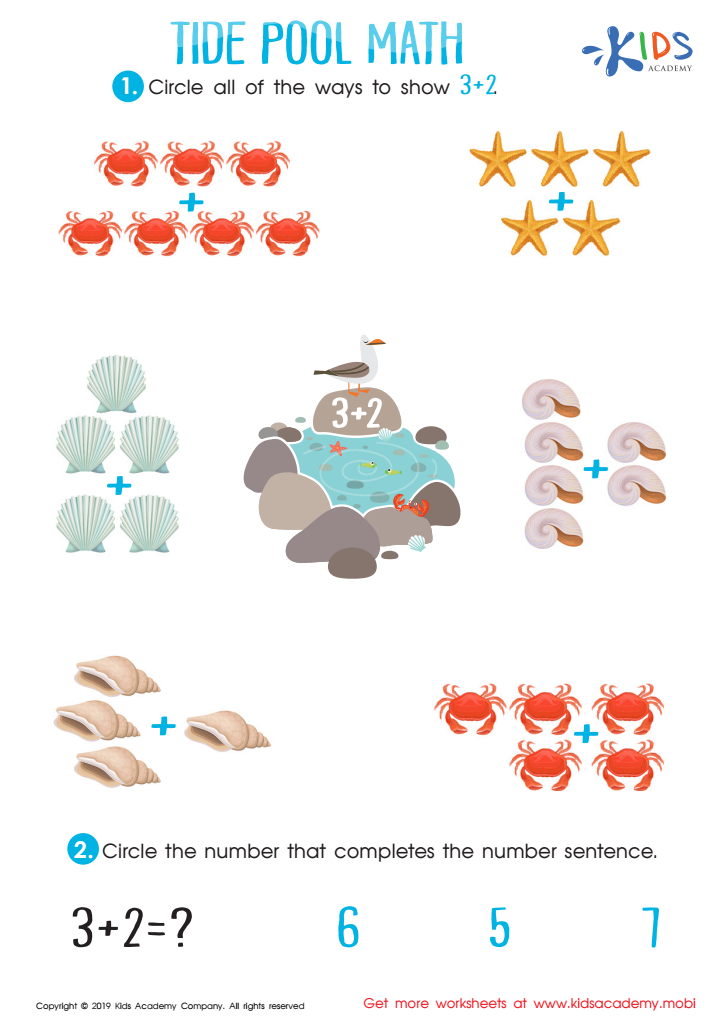
Tide Pool Math Worksheet
 Assign to My Students
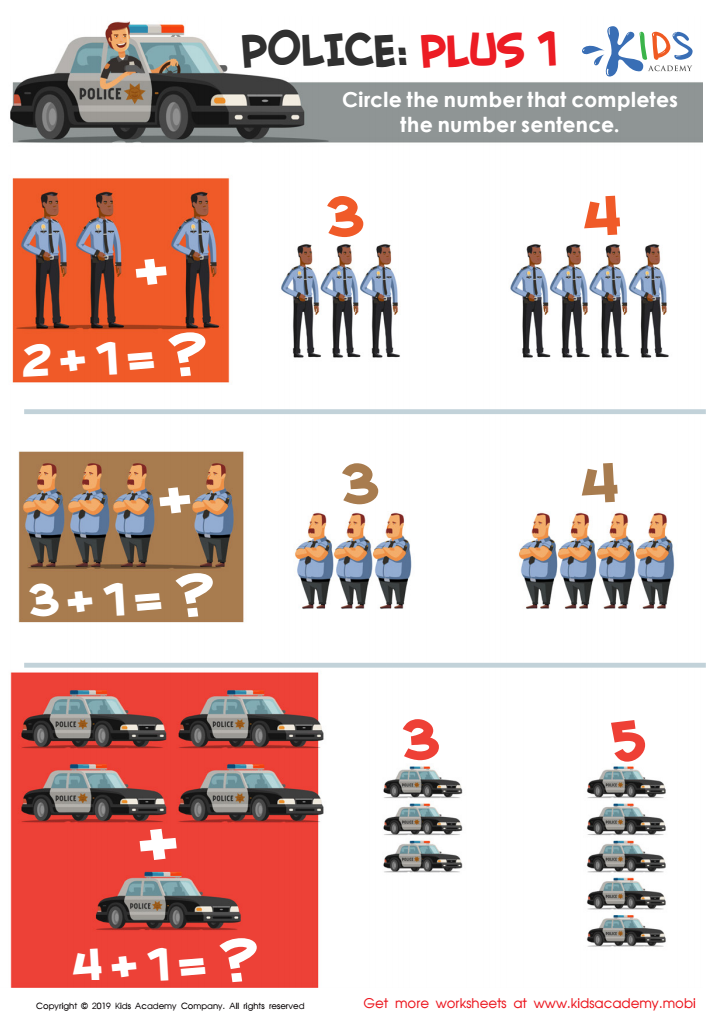
Police: Plus 1 Worksheet
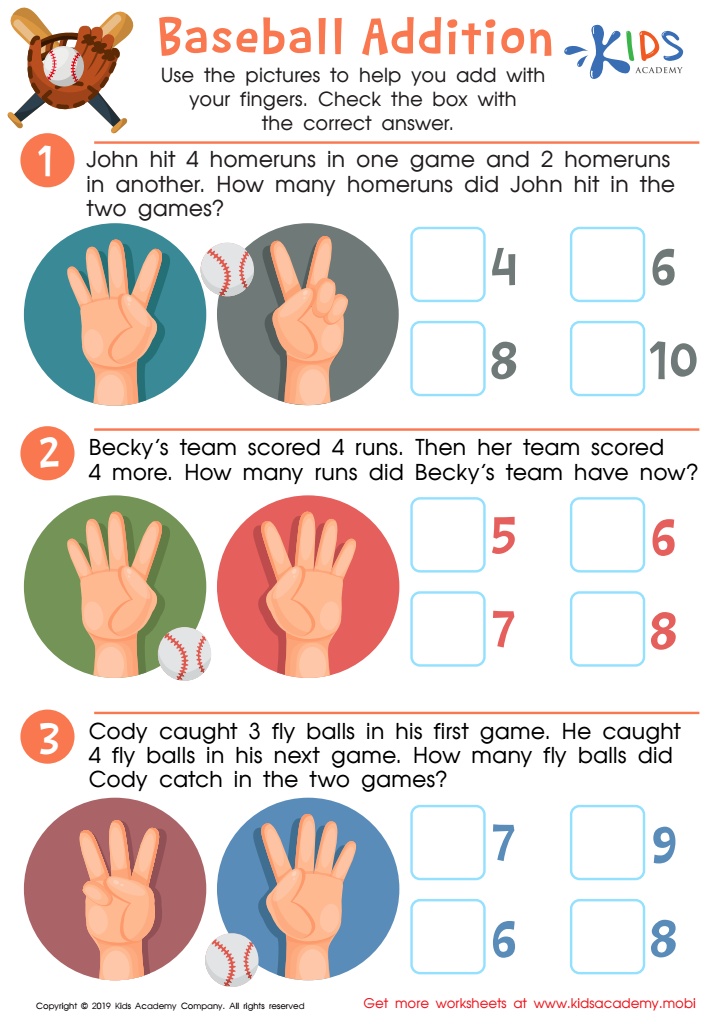
Baseball Addition Worksheet
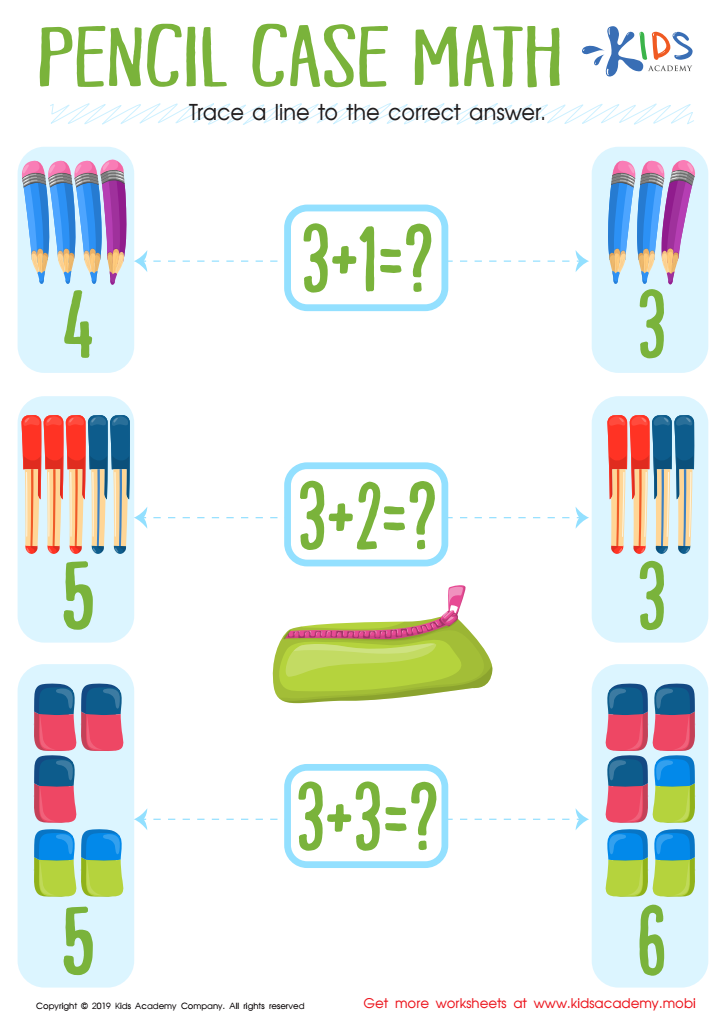
Pencil Case Math Worksheet
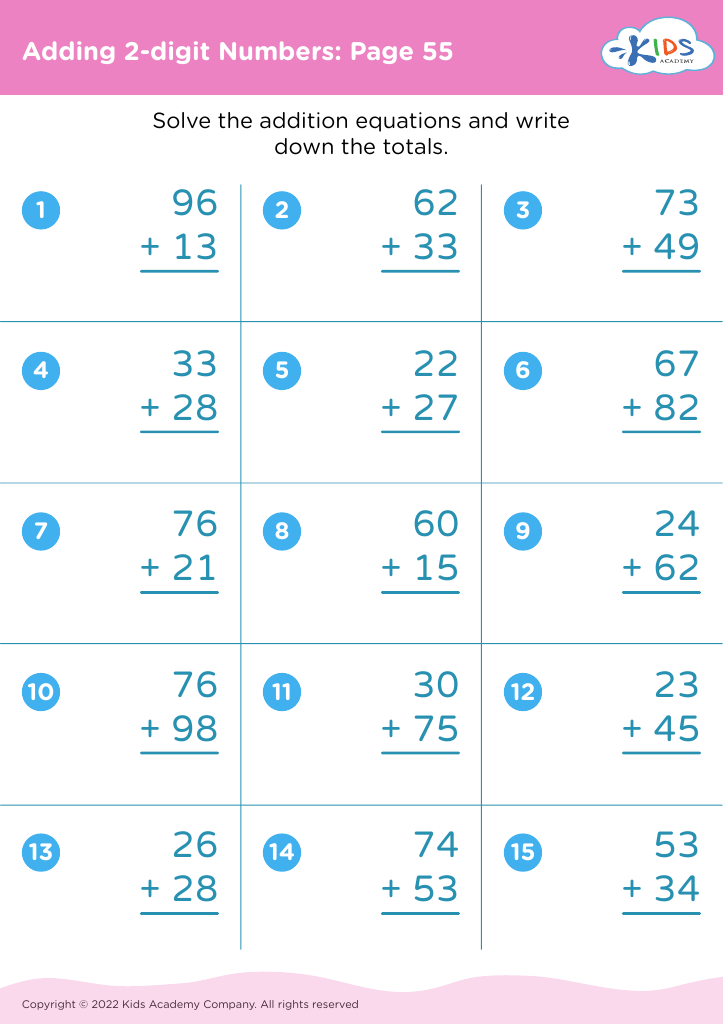
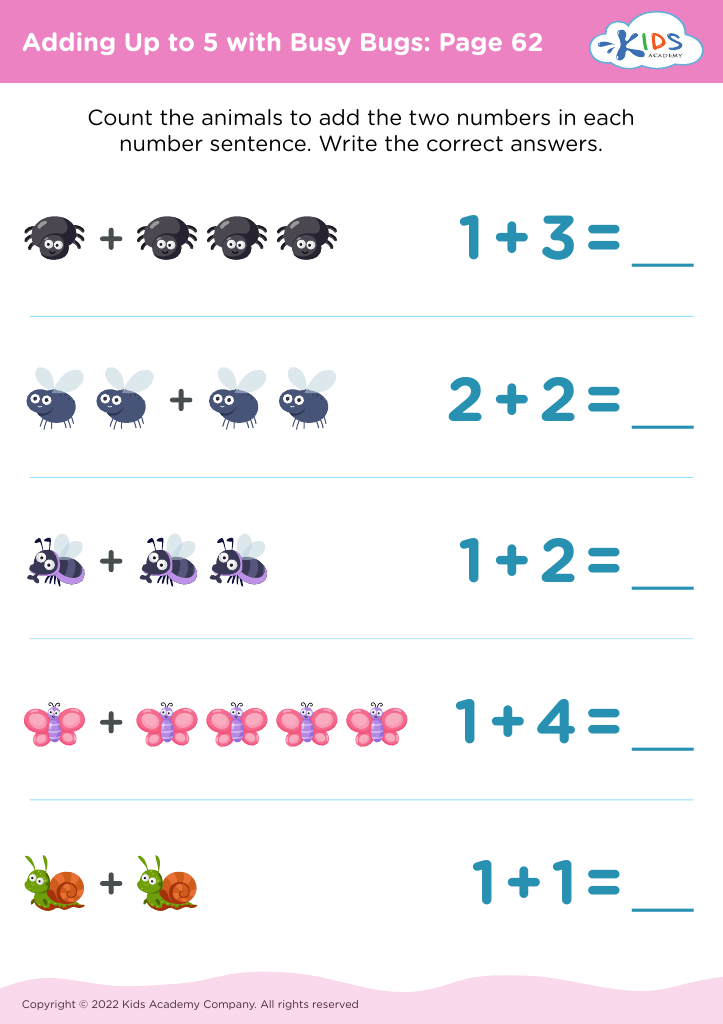
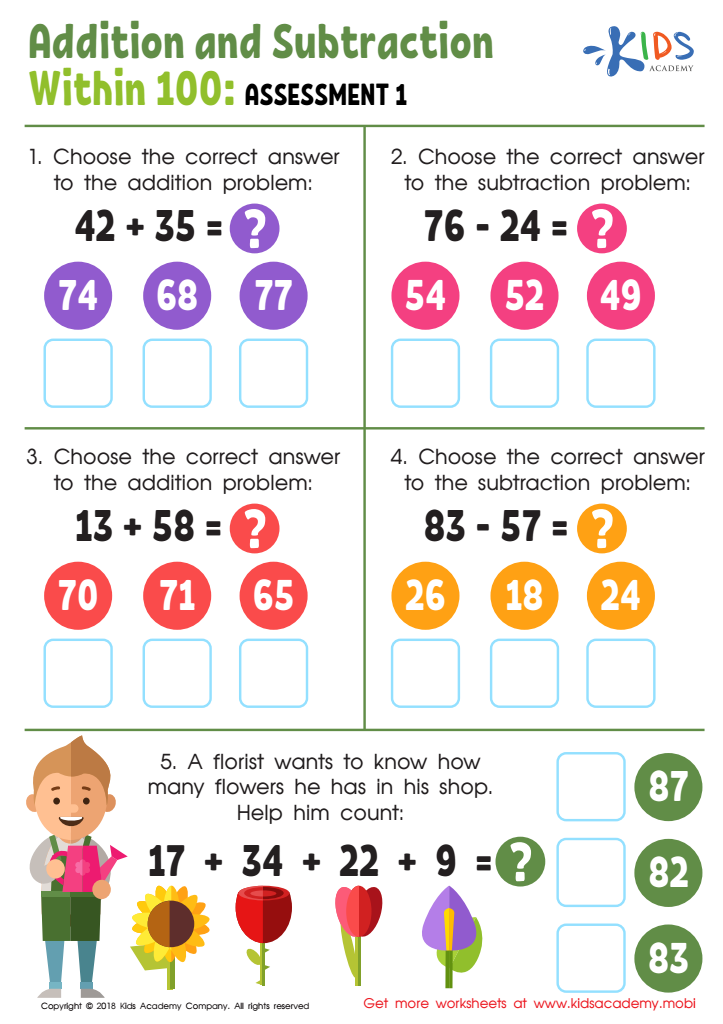
Addition and Subtraction Within 100 Worksheet
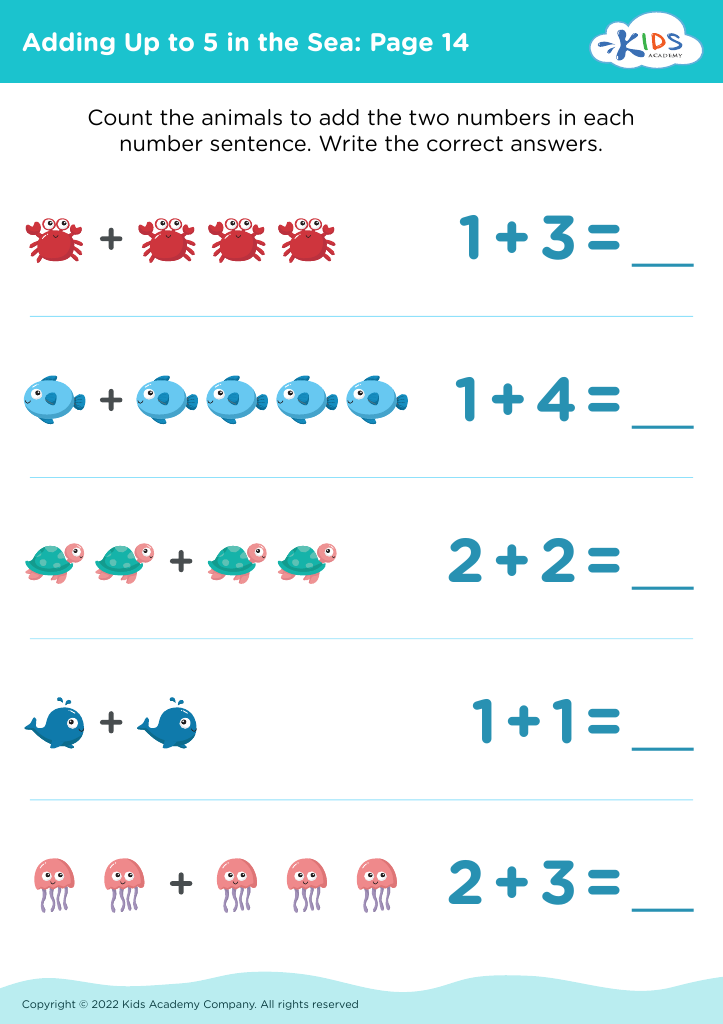
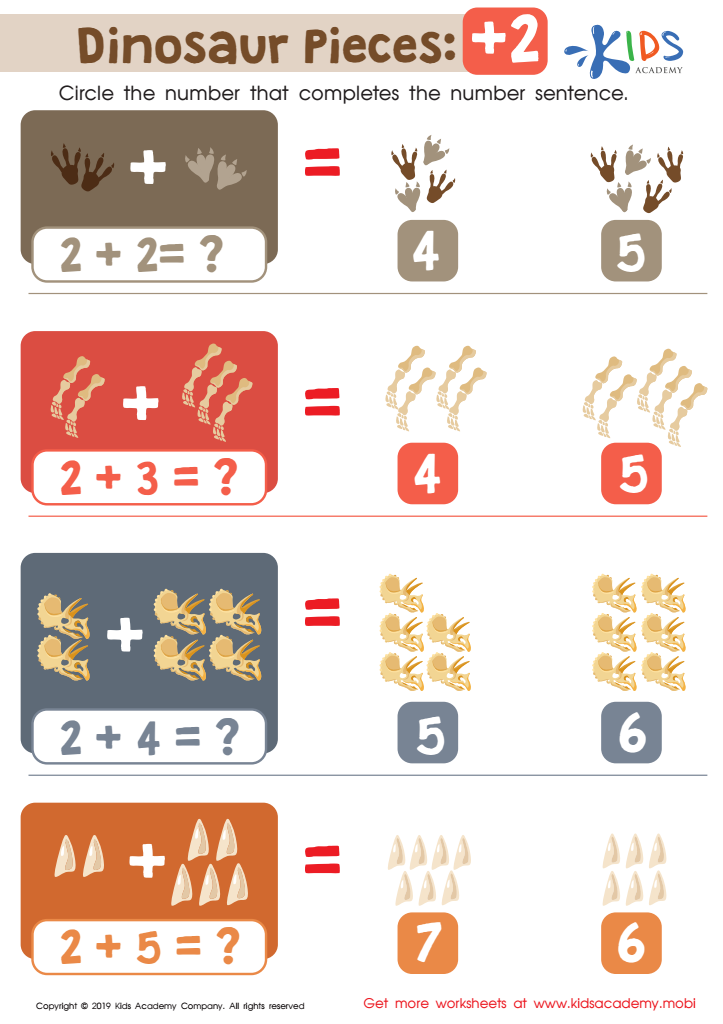
Dinosaur Pieces: +2 Worksheet
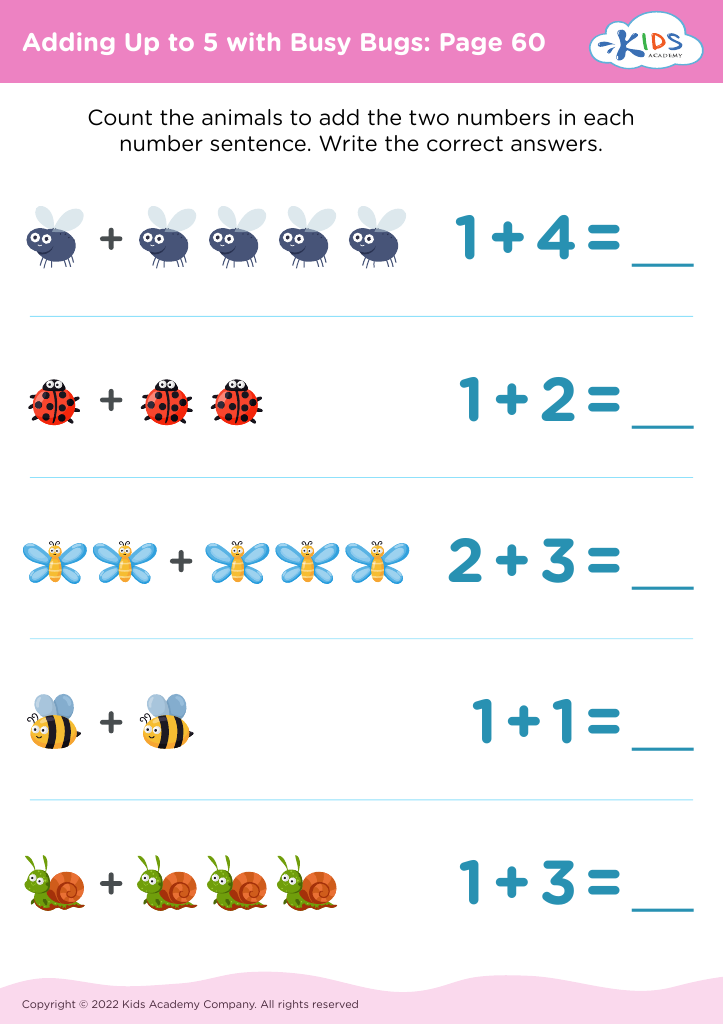
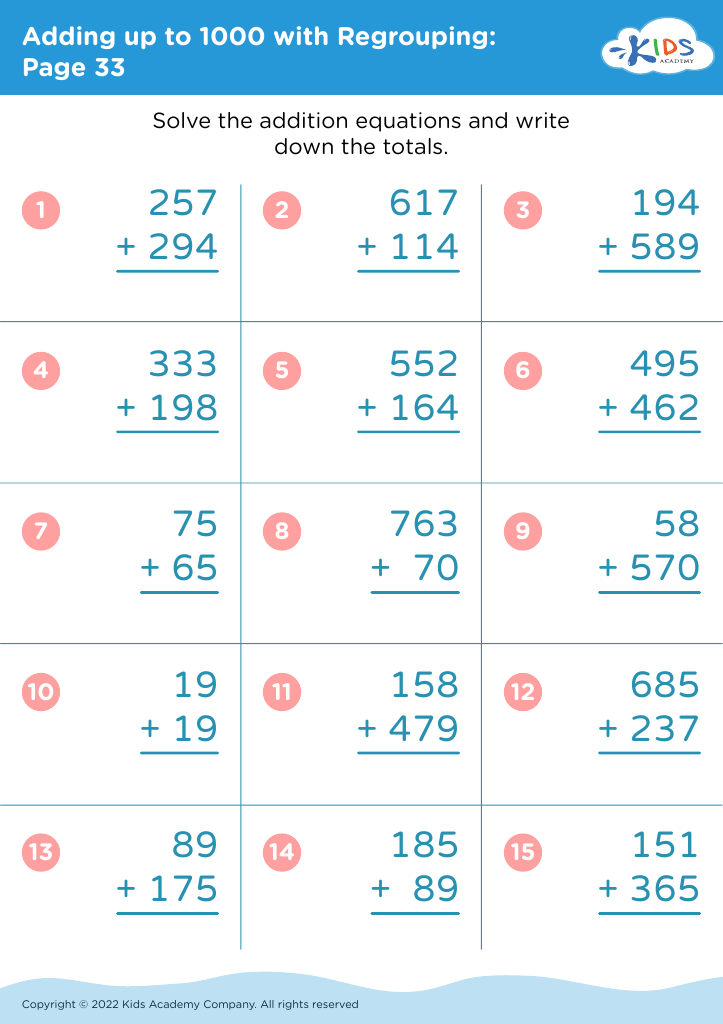
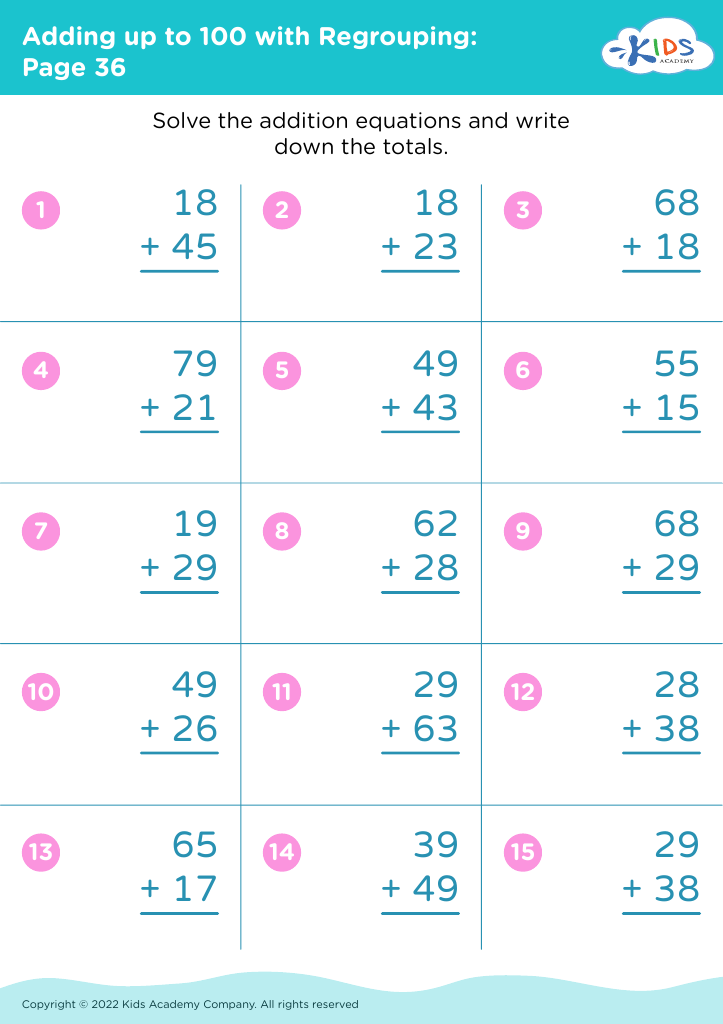
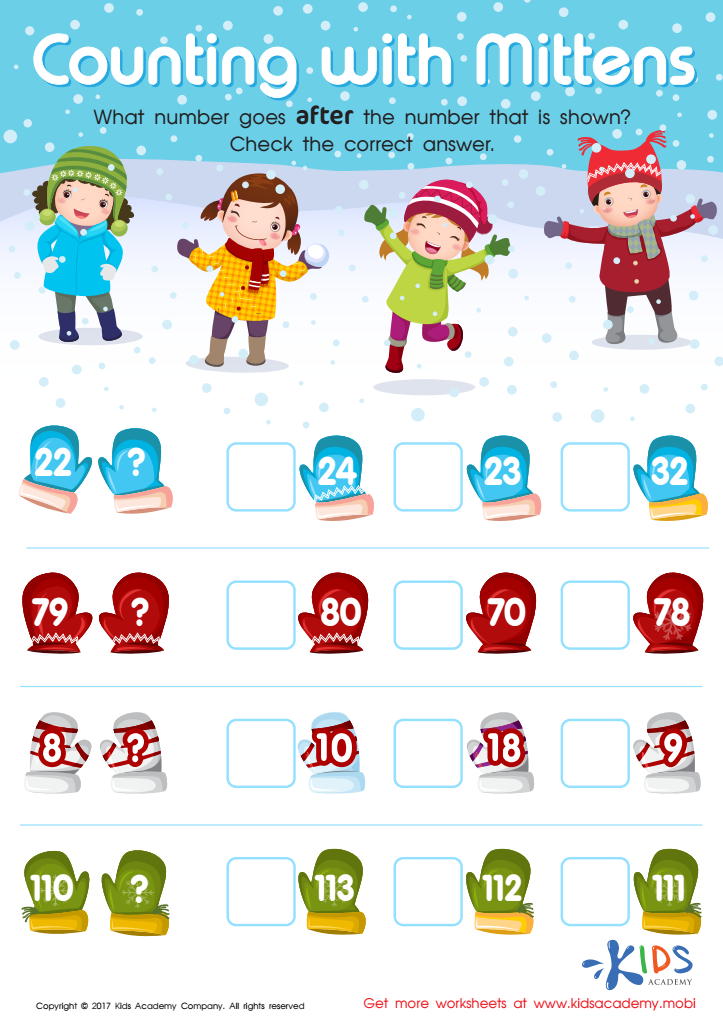
Counting with Mittens Worksheet
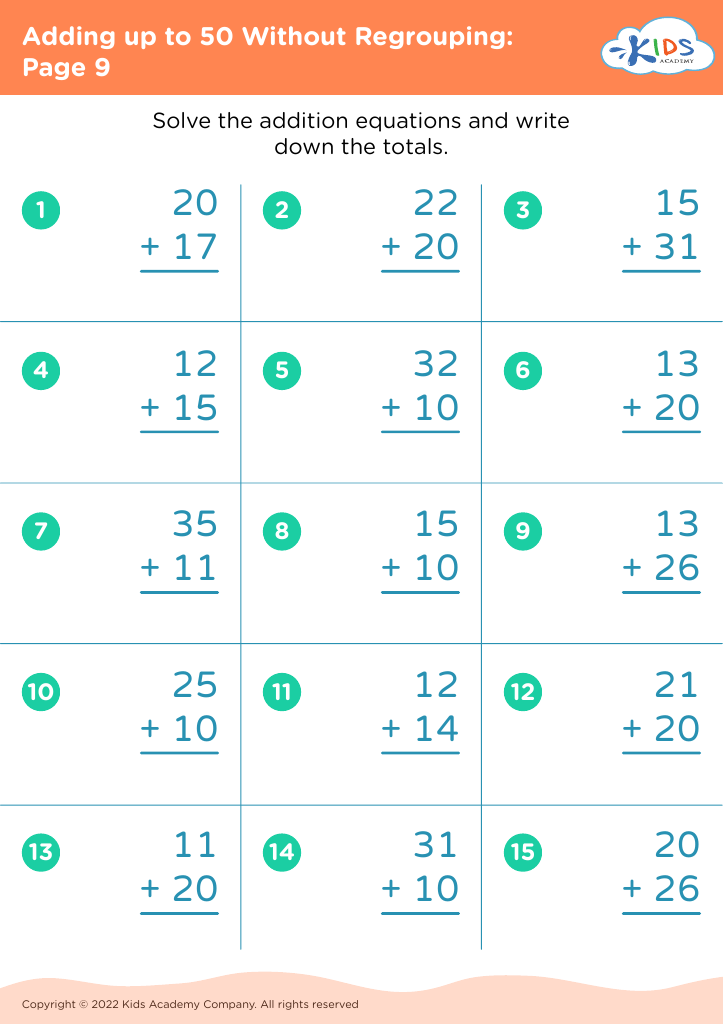








Addition practice for children aged 5-7 is crucial for several reasons. Firstly, this early stage in a child's education lays the foundation for their future math skills. Mastery of basic addition helps children develop number sense and improves their overall mathematical confidence. As they engage in addition activities, they begin to understand the relationships between numbers, which is key for more advanced mathematical concepts.
Secondly, consistent practice encourages cognitive development. Young learners benefit from playful and engaging methods that enhance memory skills and critical thinking. This age is critical for building a positive attitude towards math, and frequent practice can help prevent math anxiety later in life.
Additionally, practicing addition helps children sharpen their problem-solving abilities. Building these skills early supports their capacity to tackle challenges in everyday situations. Teachers and parents can make learning fun through games and interactive lessons, making children more eager to engage with math.
Finally, encouraging a strong mathematical foundation empowers children academically and socially. As they progress in their math journey, they acquire skills that are predictive of future academic success. Thus, ensuring effective addition practice in early years is essential for their overall growth and development.








