Animal recognition Math Worksheets for Ages 5-7 - Page 5
111 filtered results
-
From - To
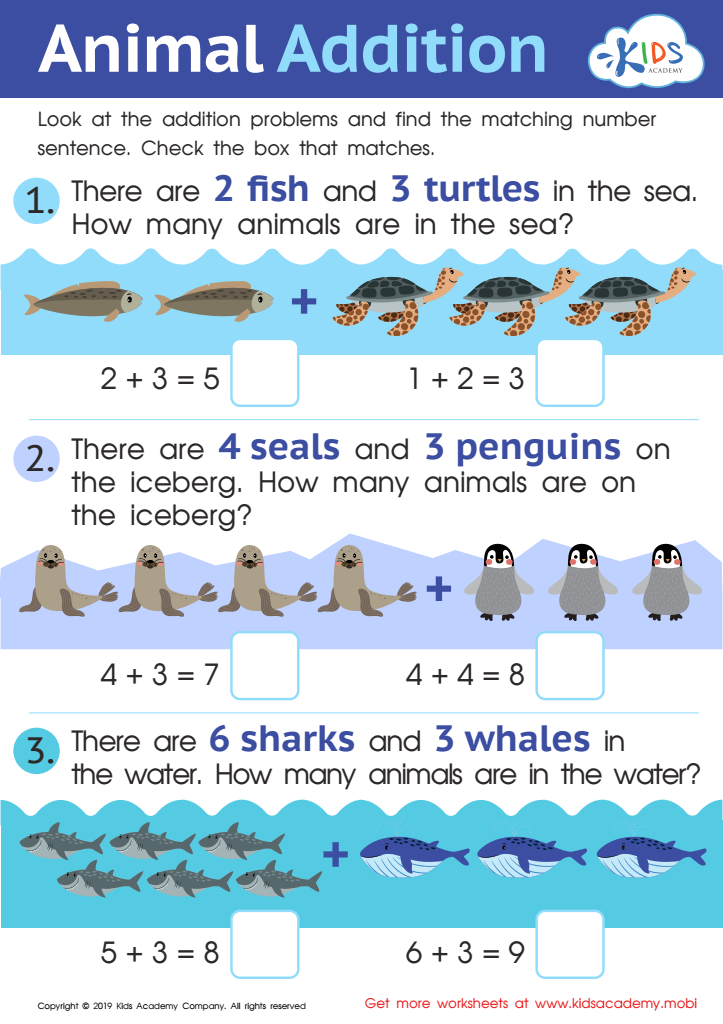
Animal Addition Worksheet
 Assign to My Students
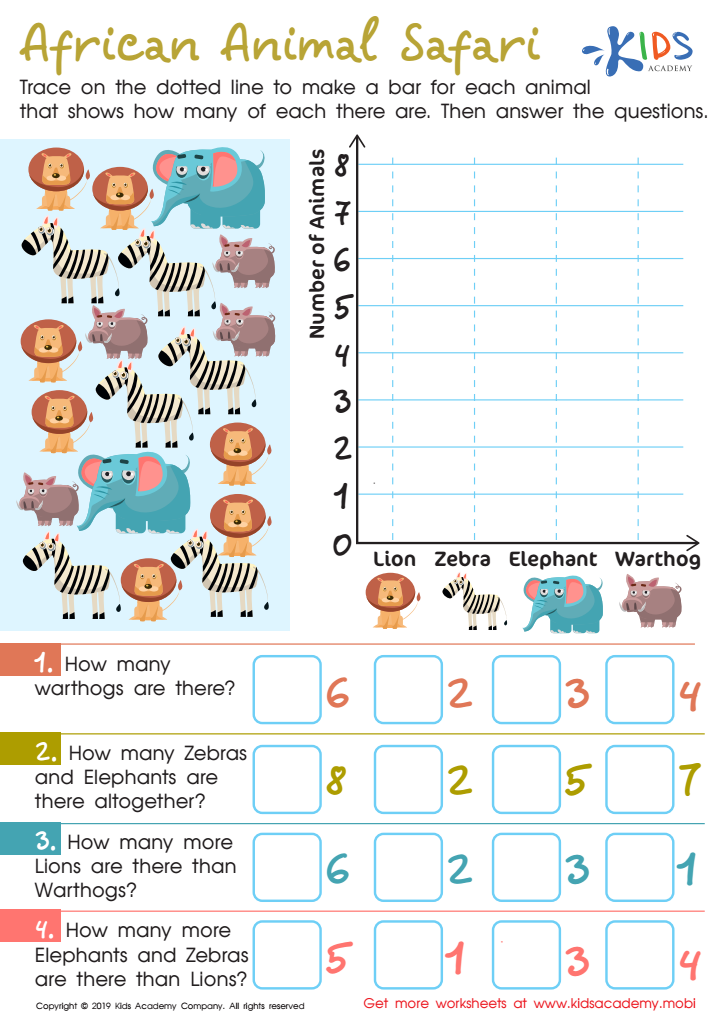
African Animal Safari Worksheet
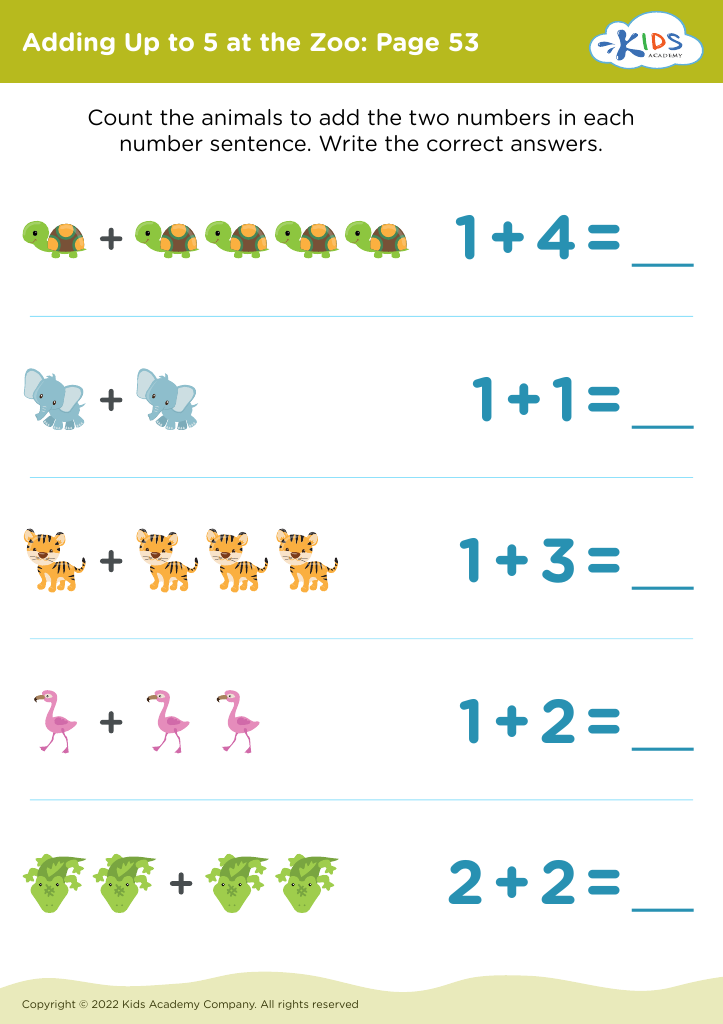
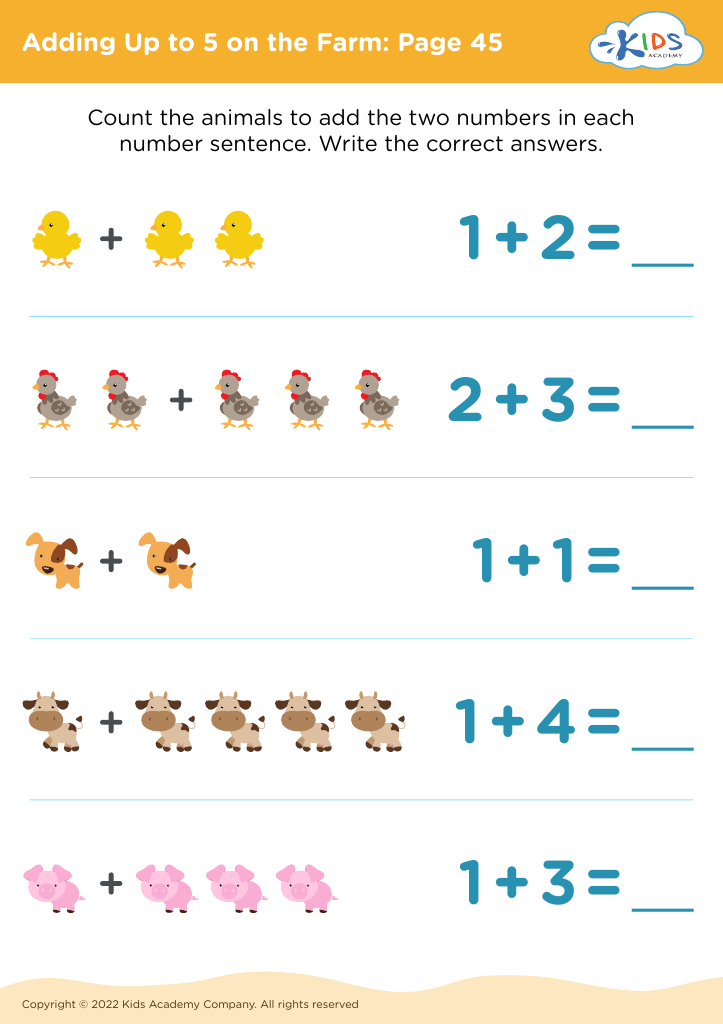
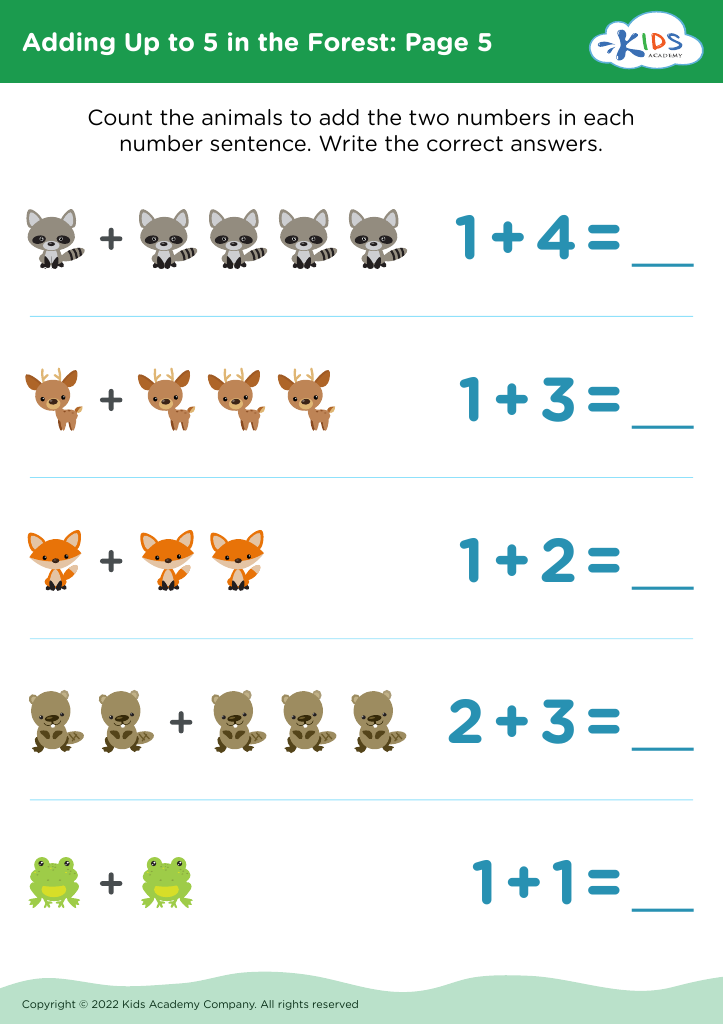
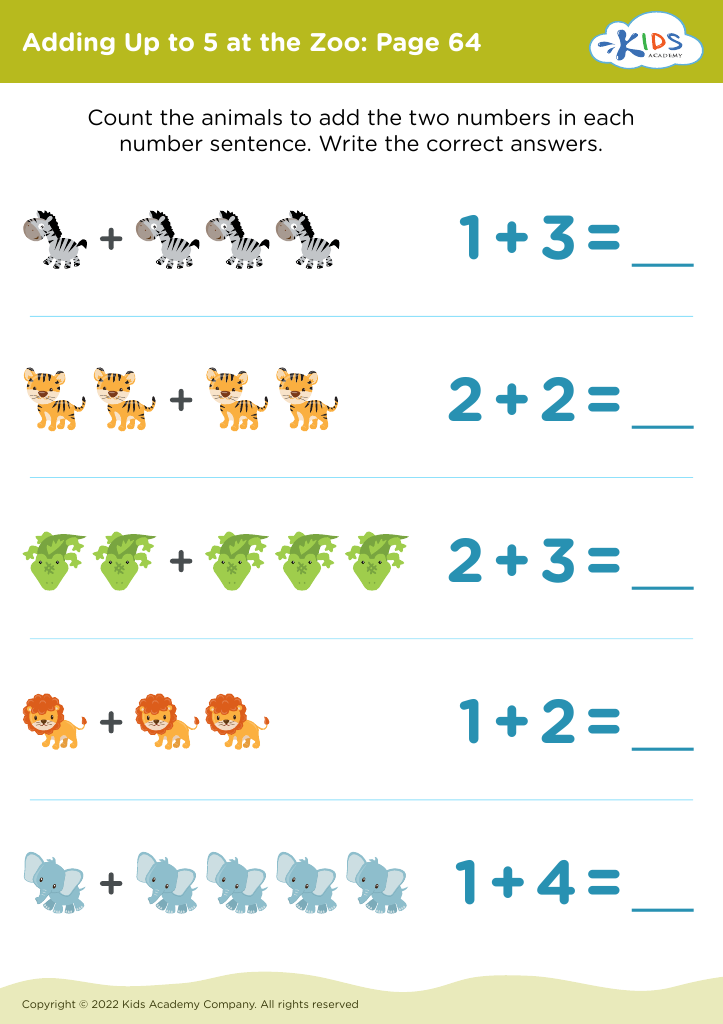
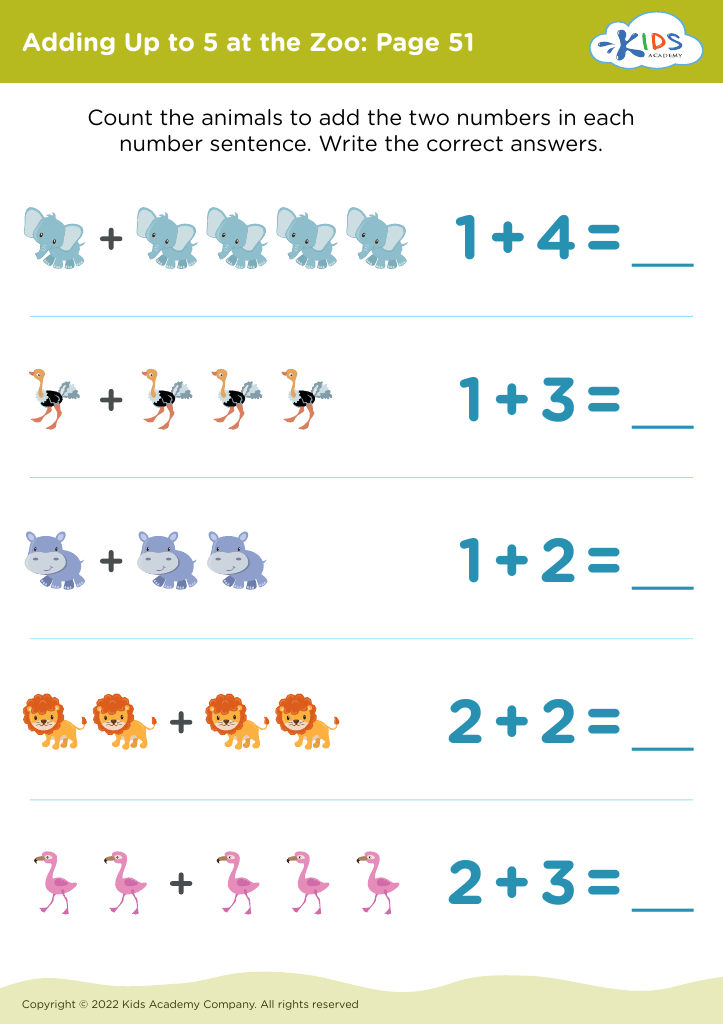
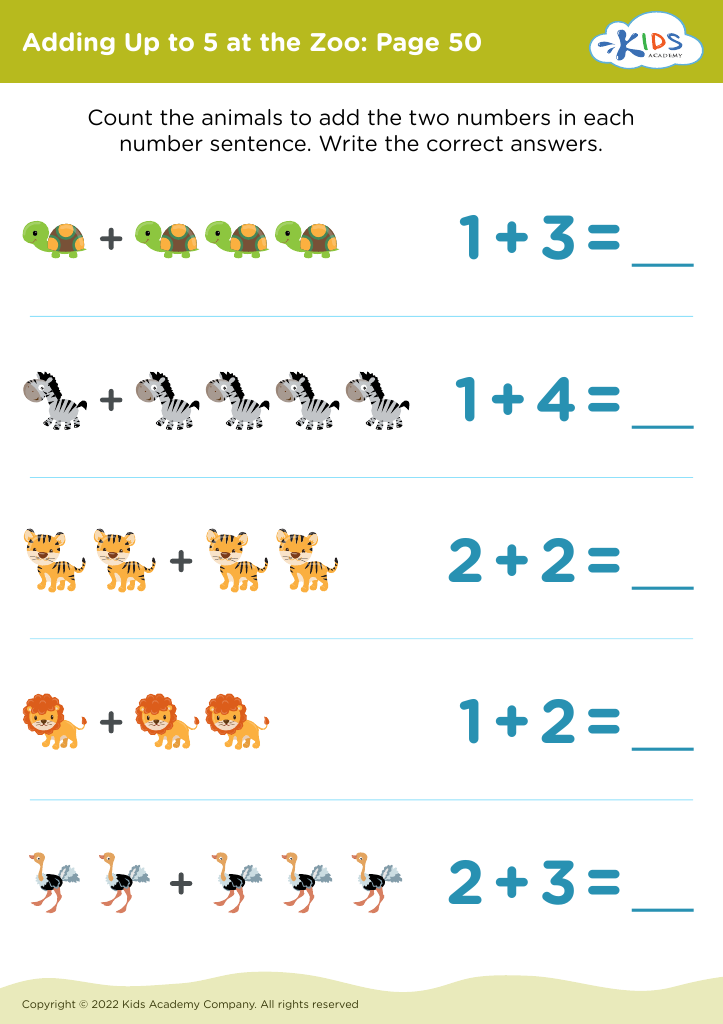
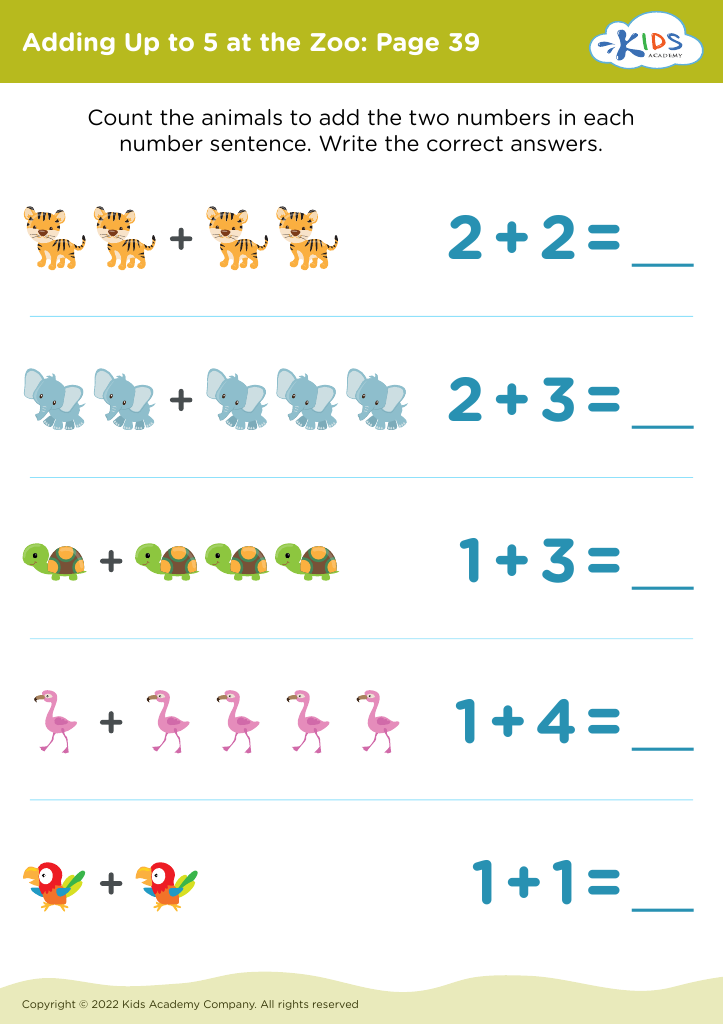
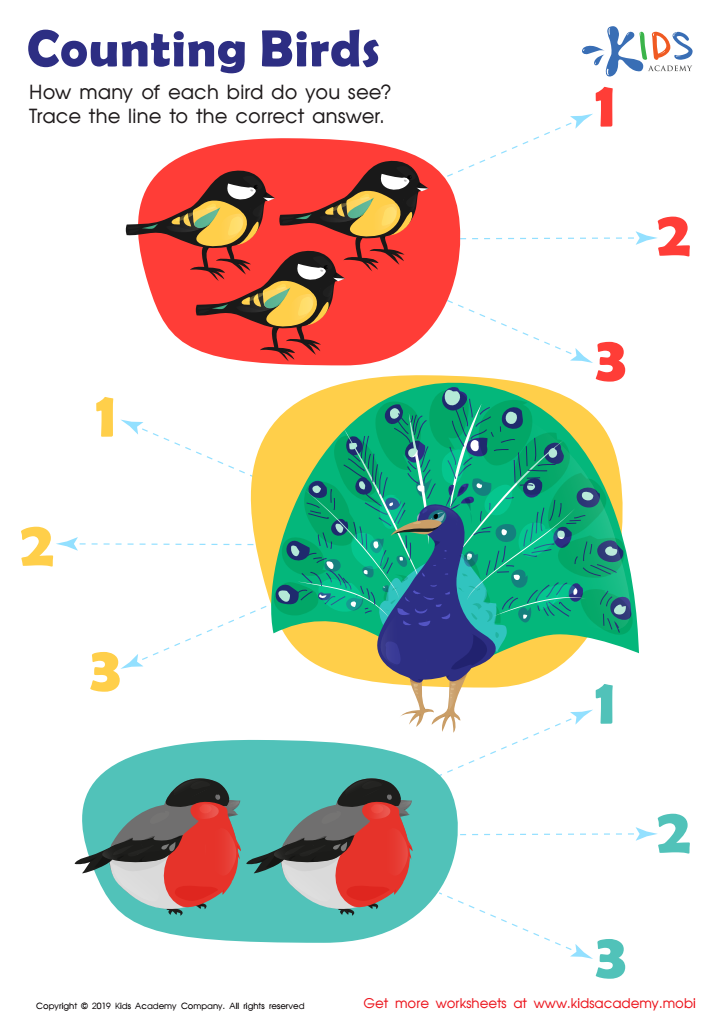
Counting Birds Worksheet
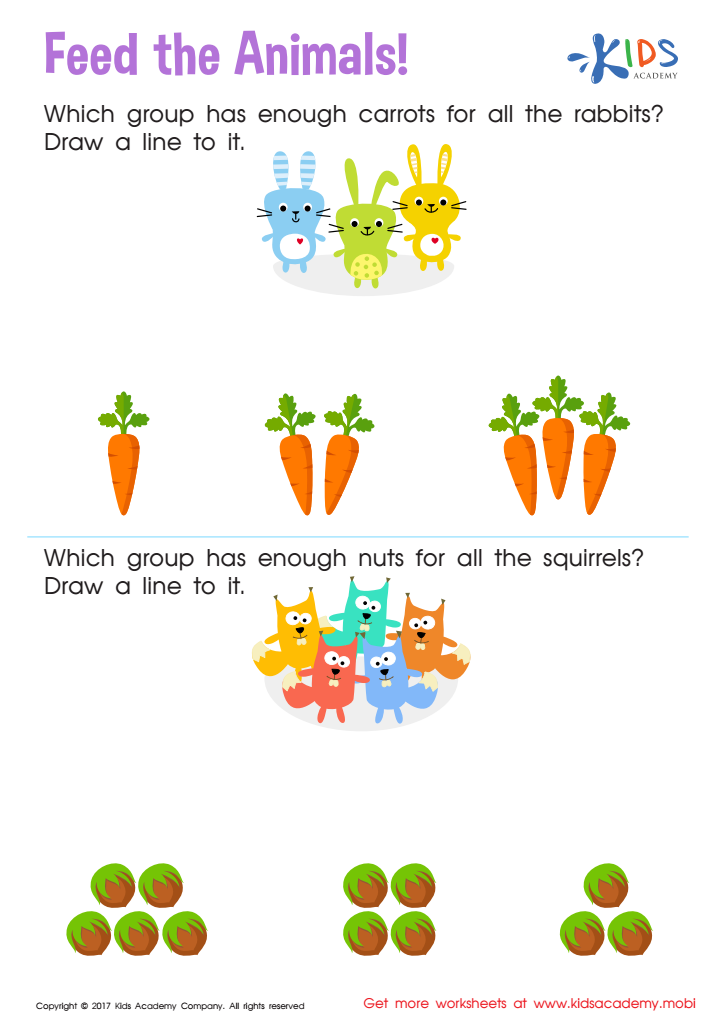
Count and Match: Feed the Animals Worksheet
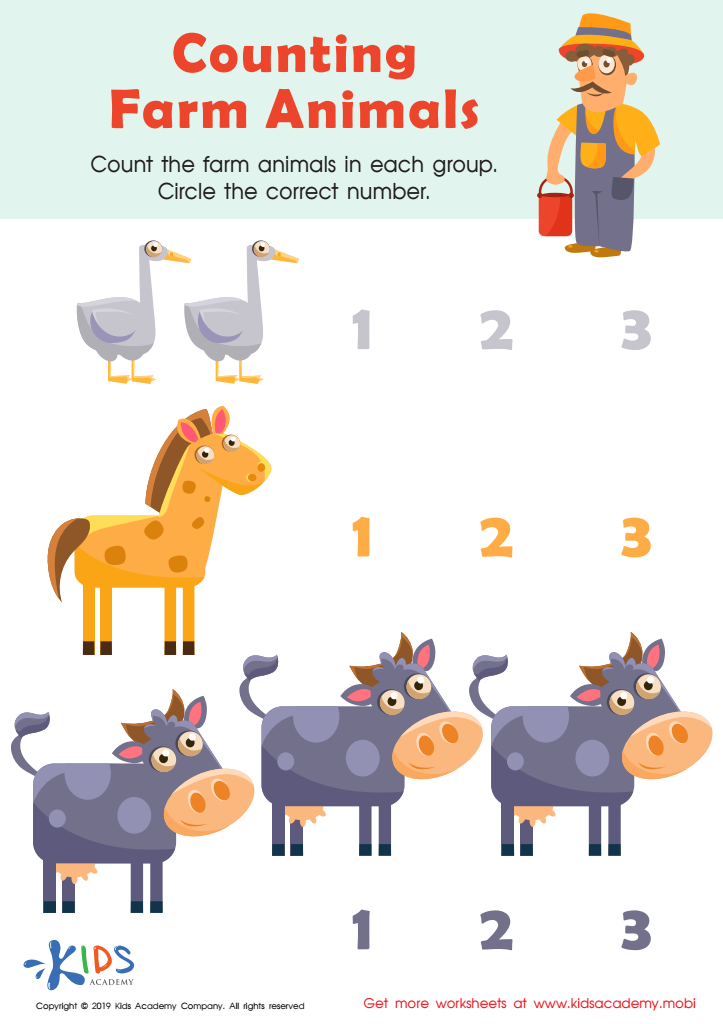
Counting Farm Animals Worksheet
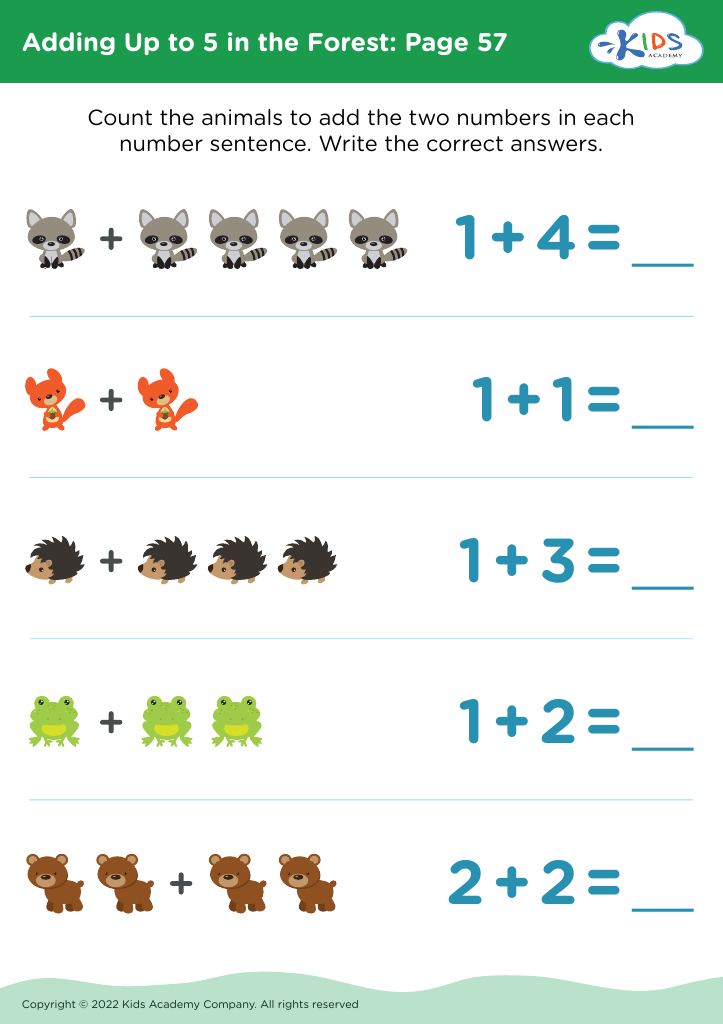








Animal recognition math is crucial for children ages 5-7 as it effectively combines two important areas of learning: mathematics and biological sciences. For parents and teachers, engaging children in animal-related activities can turn abstract math concepts into tangible, relatable experiences.
At this age, children are naturally curious about animals, which makes incorporating them into math activities a powerful tool for learning. By using familiar animals—such as counting legs (e.g., dogs, cats, birds) or comparing sizes (e.g., elephants vs. mice)—teachers can make math concepts like addition, subtraction, and measuring more relevant and enjoyable.
Moreover, animal recognition math fosters critical thinking and problem-solving skills. Children can explore patterns in animal behaviors or symmetrical features in animals while participating in hands-on activities. This multisensory approach not only aids comprehension but also enhances retention.
Additionally, teaching about animals fosters an appreciation of biodiversity, encouraging empathy and responsibility towards living creatures. When lessons incorporate real-world applications, children develop a stronger connection with the subject matter. Thus, for parents and teachers alike, emphasizing animal recognition math is integral in cultivating a well-rounded educational experience that promotes both cognitive skills and a love for nature.








