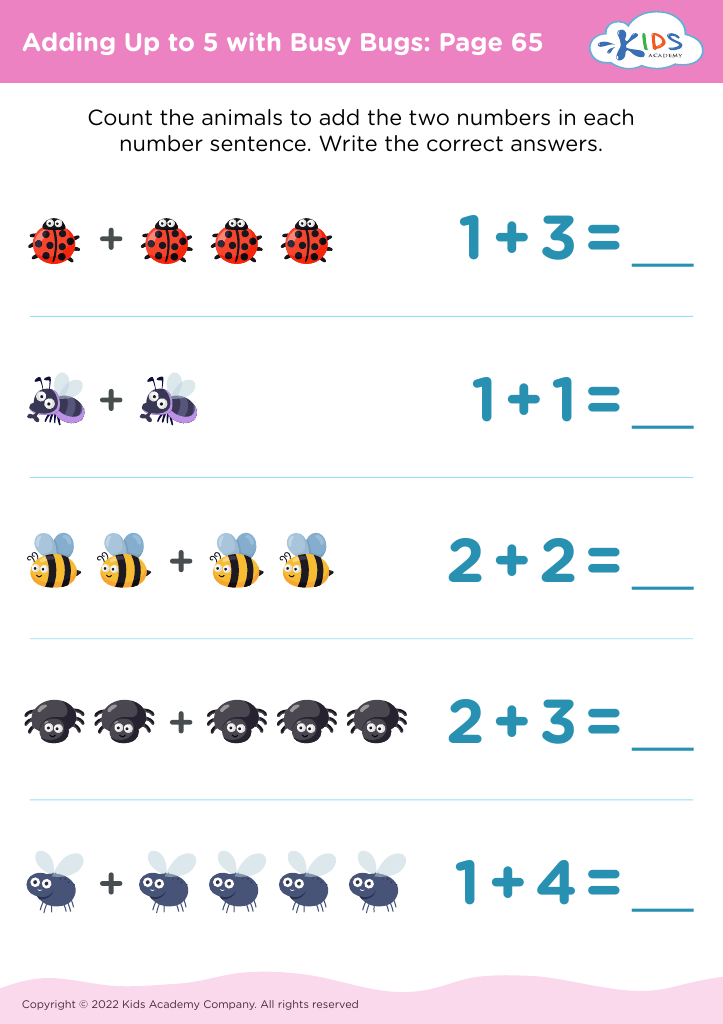
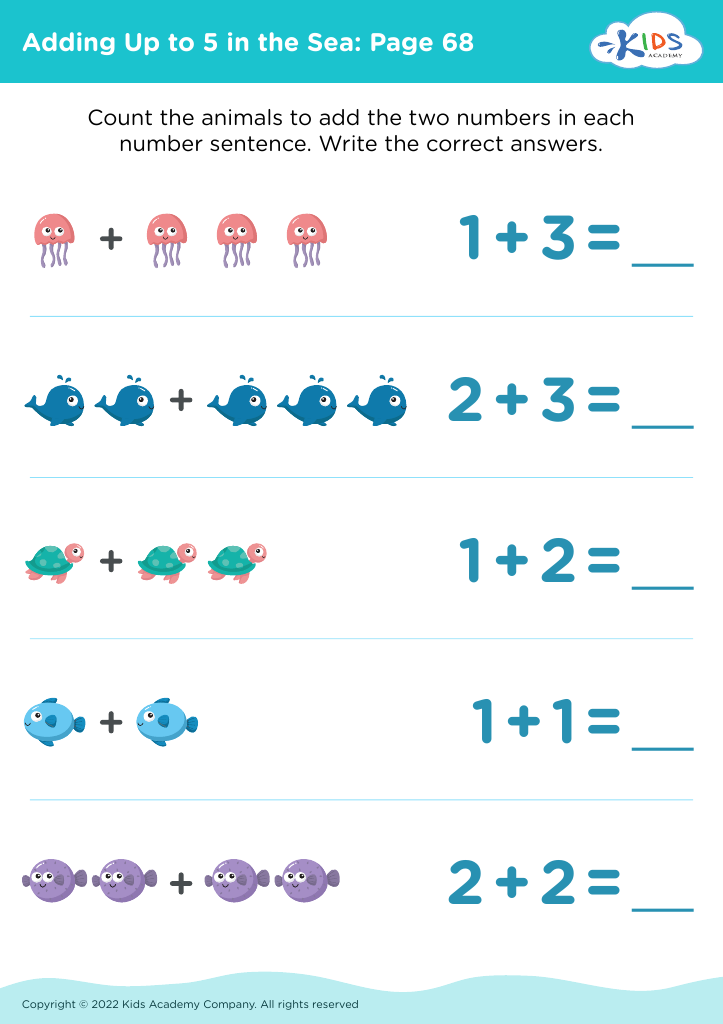
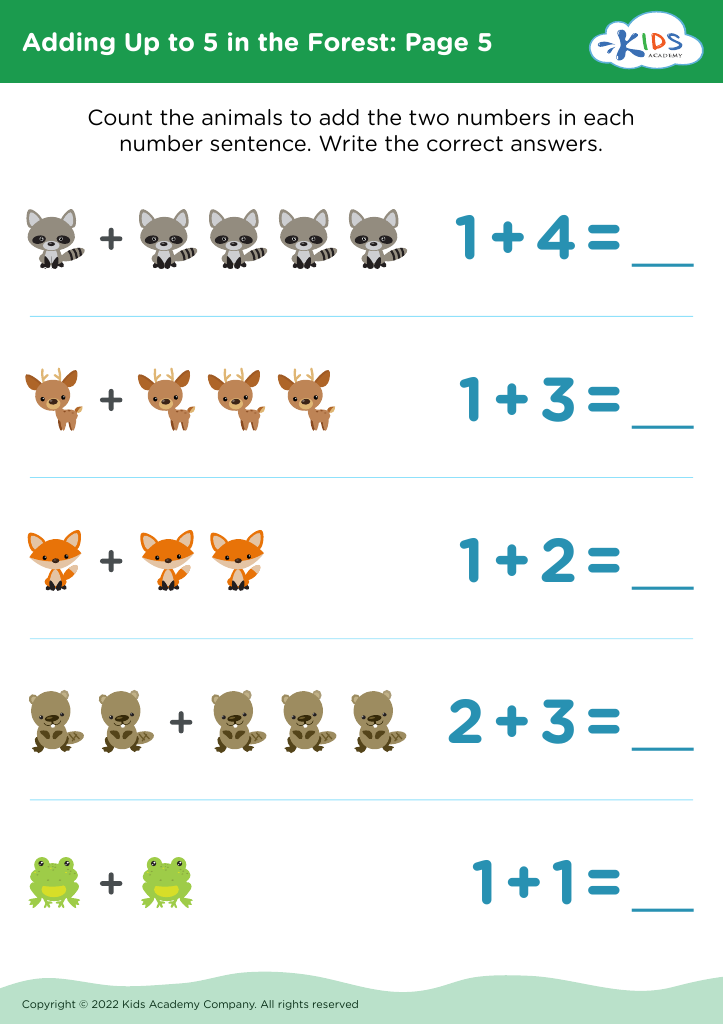
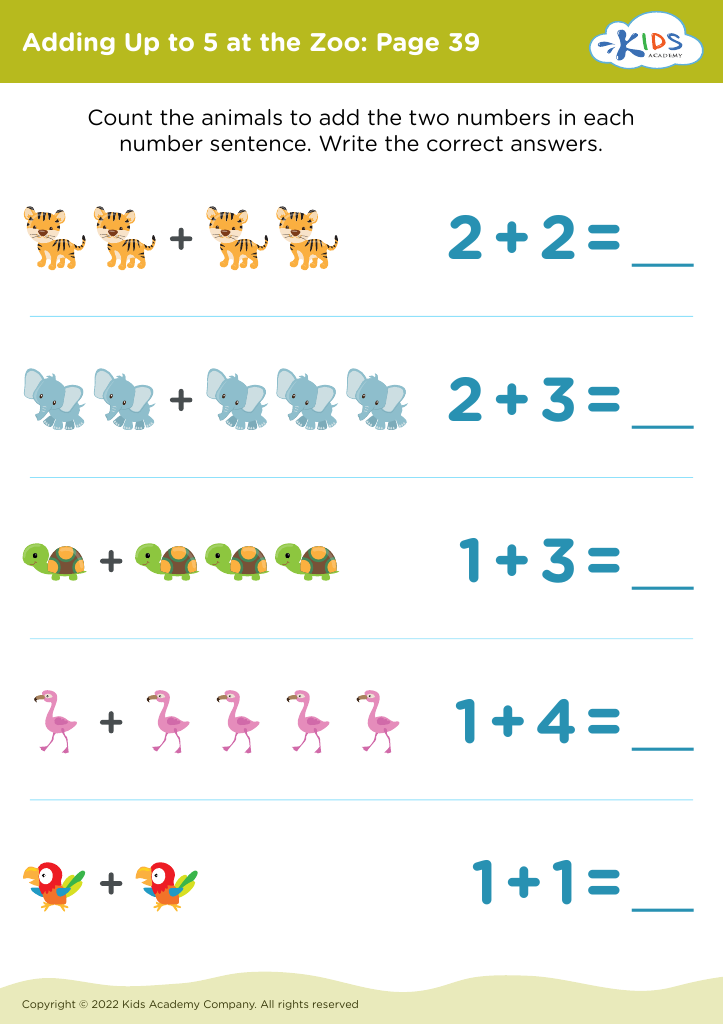
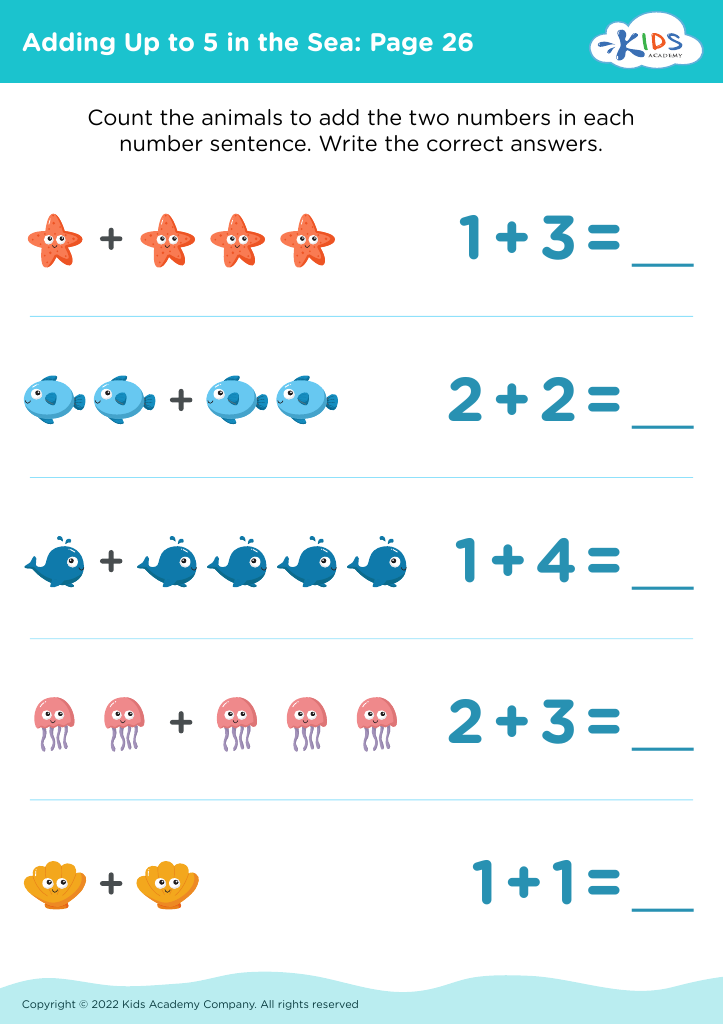
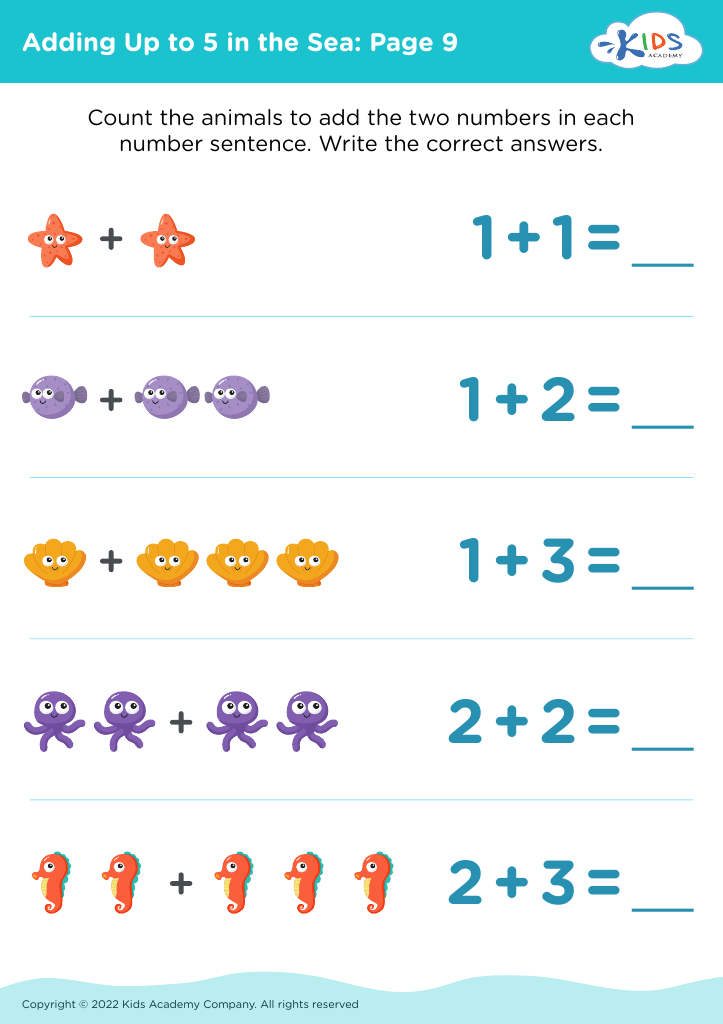







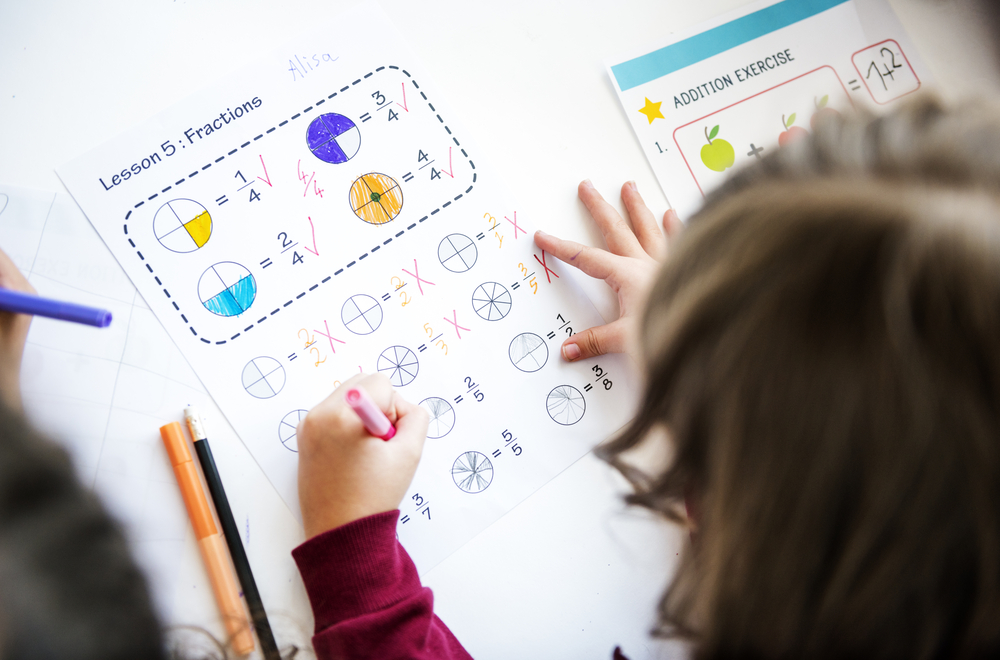
Basic arithmetic skills are crucial for children aged 5-7 as they form the foundation for future mathematical learning and everyday problem-solving abilities. At this early developmental stage, young minds are especially receptive to learning new concepts and are developing cognitive abilities that underpin more complex reasoning.
Mastering basic arithmetic helps children build confidence in their mathematical abilities, thus fostering a positive attitude toward the subject. When young students can easily grasp concepts like addition and subtraction, it empowers them to approach more challenging math problems down the road with a can-do attitude. Importantly, arithmetic skills are interconnected with other cognitive processes such as memory, sequencing, and logic, which are essential for academic success across various subjects.
Beyond the classroom, basic arithmetic equips children with skills to manage real-world tasks such as telling time, handling money, and understanding measurement. These early numeracy skills are indispensable in daily life, and they contribute to a child’s self-sufficiency and sense of responsibility.
Additionally, the focus on arithmetic enhances fine motor skills through activities that involve writing numbers and manipulating counting objects. Positive engagement with math also encourages a growth mindset, where challenges are viewed as opportunities to develop skills. By prioritizing arithmetic education for ages 5-7, parents and teachers lay a solid groundwork for lifelong learning and practical competence.








