Grammar practice Math Worksheets for Ages 5-7
3 filtered results
-
From - To
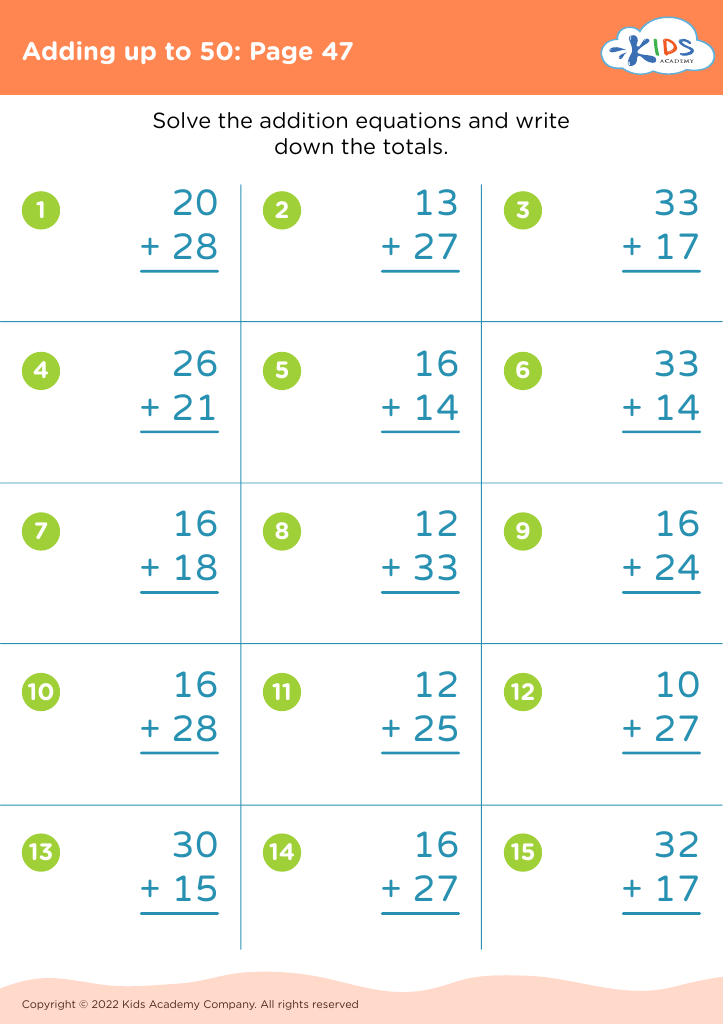
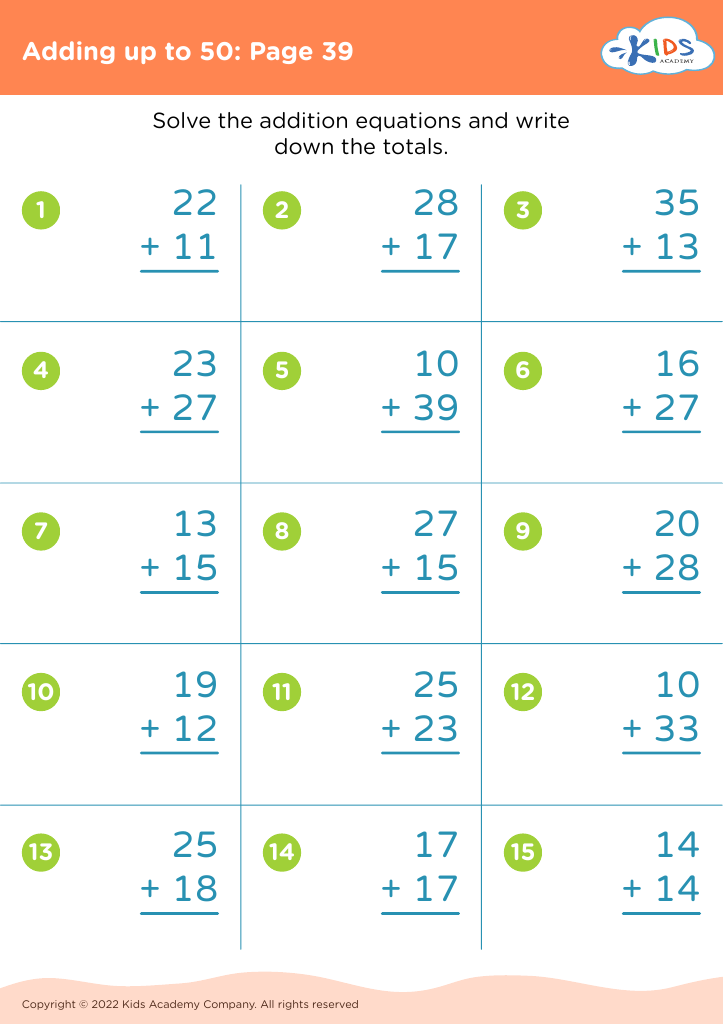
Our Grammar Practice Math Worksheets for Ages 5-7 offer a unique blend of language and mathematics to reinforce your child's learning. Perfect for young learners, these worksheets are designed to build both grammar and math skills simultaneously, using fun and engaging exercises. With colorful illustrations and easy-to-follow instructions, each worksheet captivates young minds while fostering critical thinking, problem-solving, and language abilities. Ideal for classroom use or at-home practice, our curated content supports your child's educational journey and helps them achieve proficiency in core concepts. Empower your young learner with our versatile and beneficial resources today!
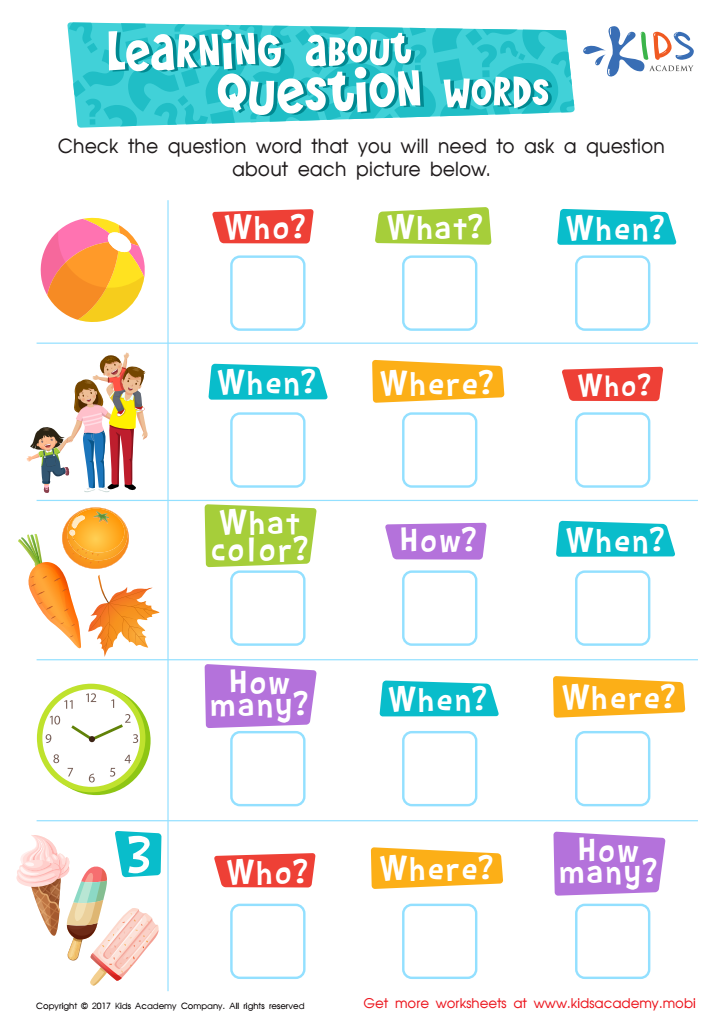
Learning about Question Words Worksheet
 Assign to My Students


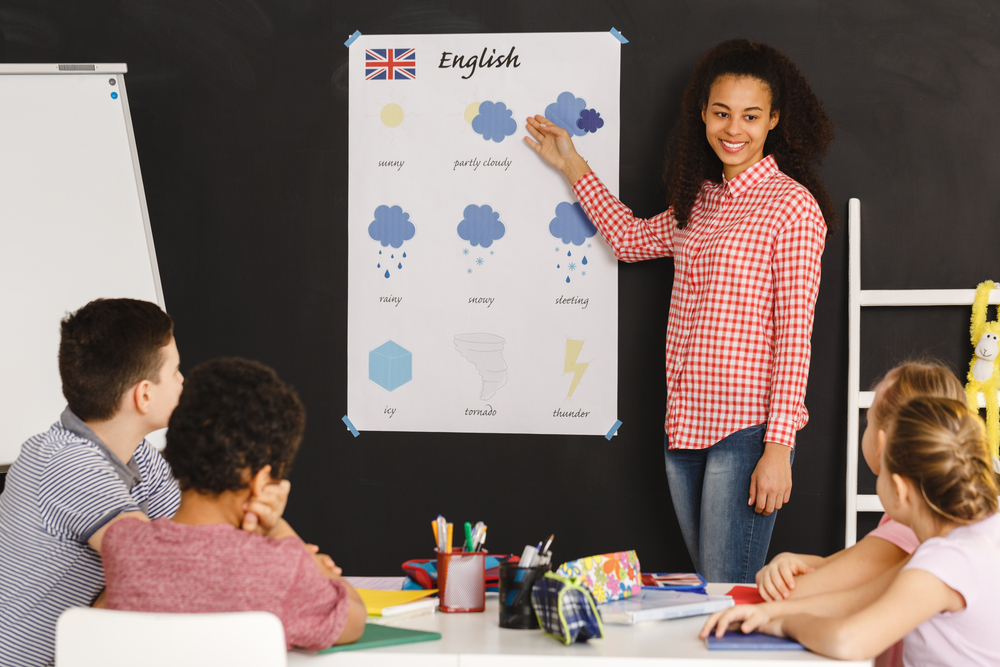





Parents and teachers should care about grammar practice for math for children ages 5-7 because it lays crucial foundational skills that will benefit their future learning. At this young age, children are developing essential language and mathematical abilities simultaneously. Ensuring they have strong grammar skills aids in their comprehension of math instructions, problems, and vocabulary.
When children practice grammar in a math context, they learn to accurately understand and follow directions, interpret word problems, and articulate their thinking processes clearly. This combination of skills bolsters their problem-solving abilities and helps them make logical connections between concepts. For example, understanding the difference between "more than" and "less than" or interpreting the phrasing in a question correctly can significantly change their problem-solving approach and answers.
Moreover, integrating grammar with math practice supports a child's overall academic development and literacy. It fosters a well-rounded educational experience that enhances reading and writing proficiency alongside numeracy. Consequently, this dual focus helps students become effective communicators and thinkers, equipped to tackle diverse academic challenges as they progress in their education.
By investing in grammar practice for math, parents and teachers are not only helping children do better in math but also equipping them with valuable life skills for clear communication and logical reasoning.








