
Improve number recognition Math Worksheets for Ages 5-7
15 filtered results
Difficulty Level
Grade
Age
-
From - To
Subject
Activity
Standards
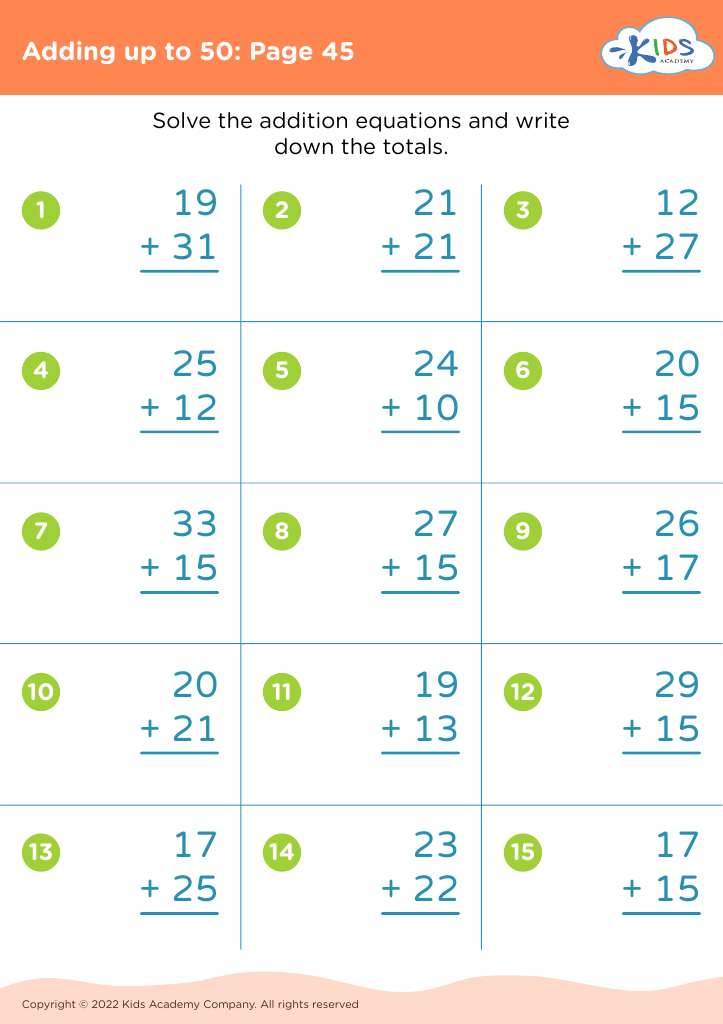
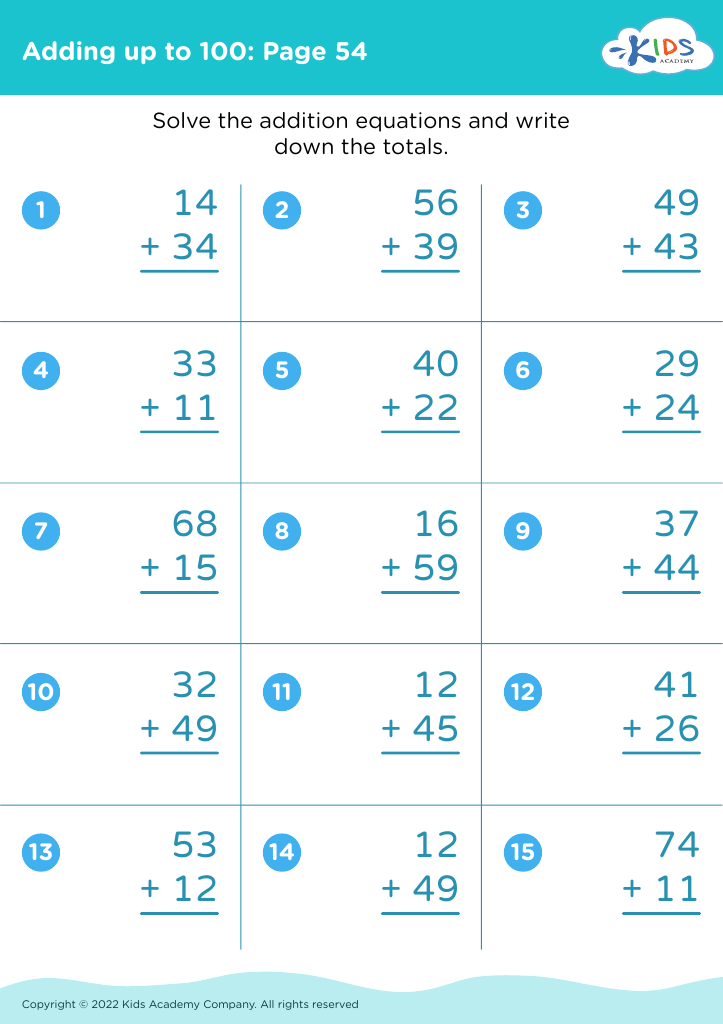
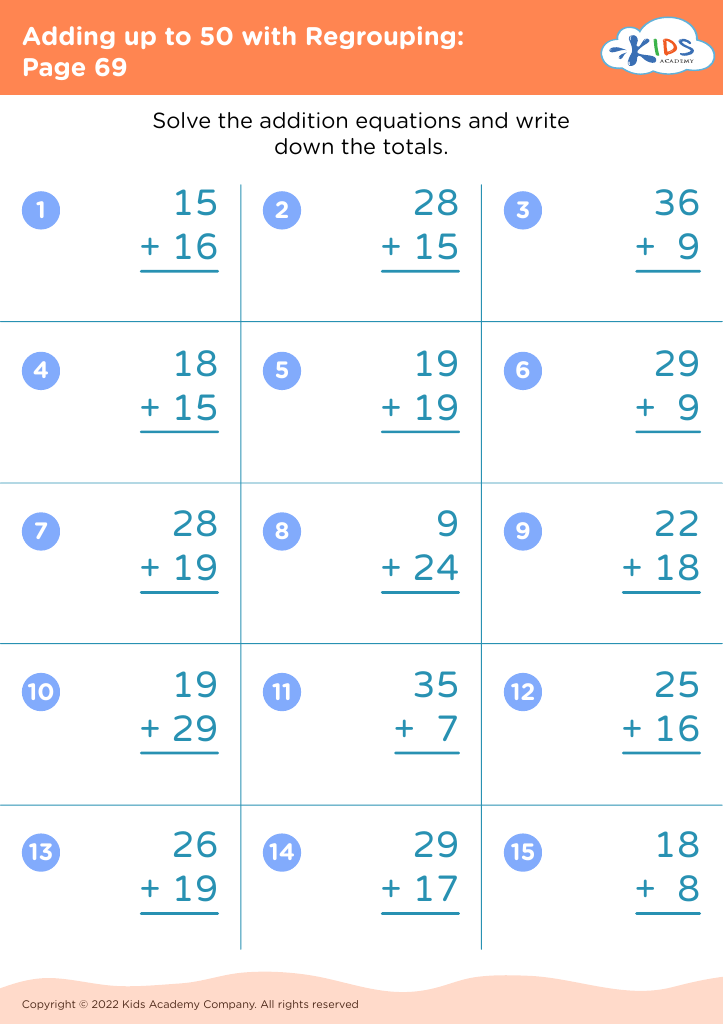
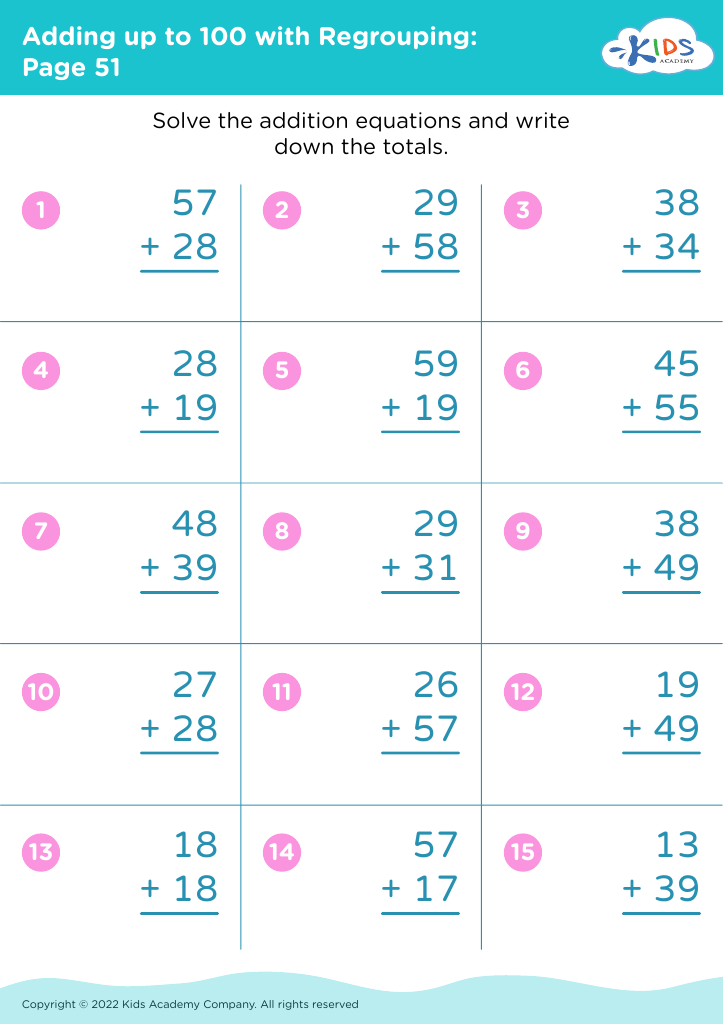
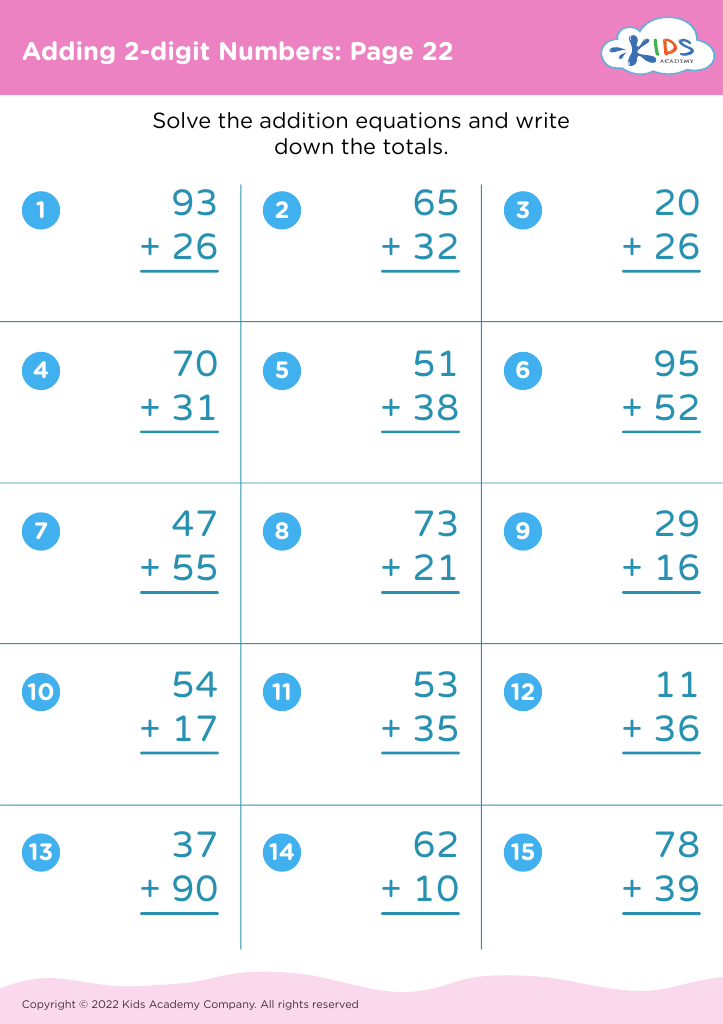
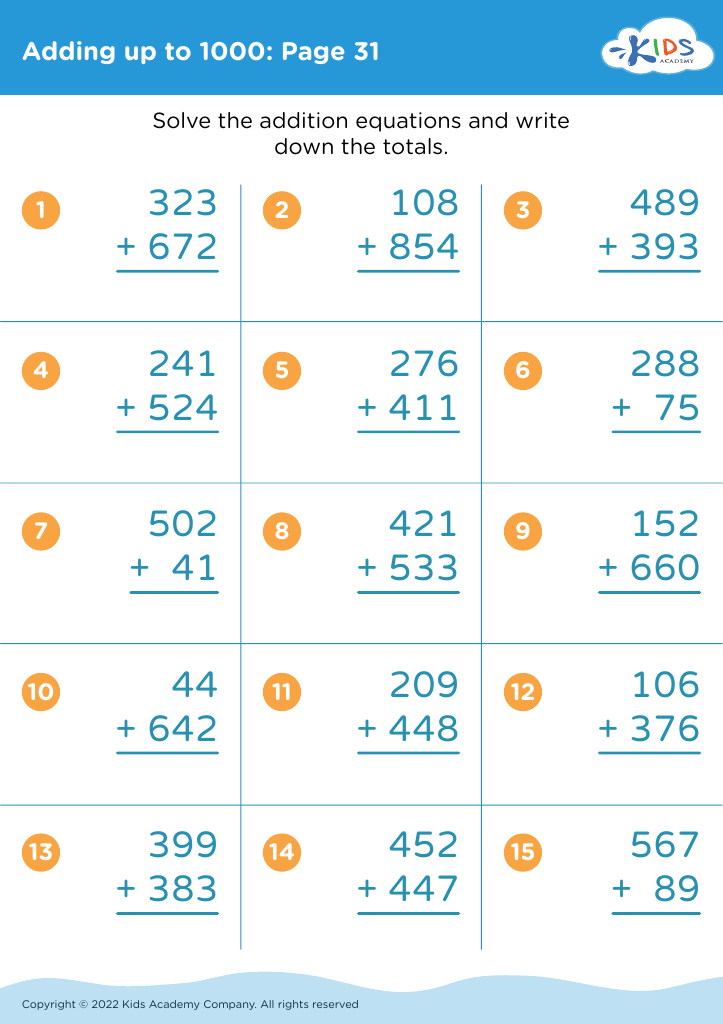
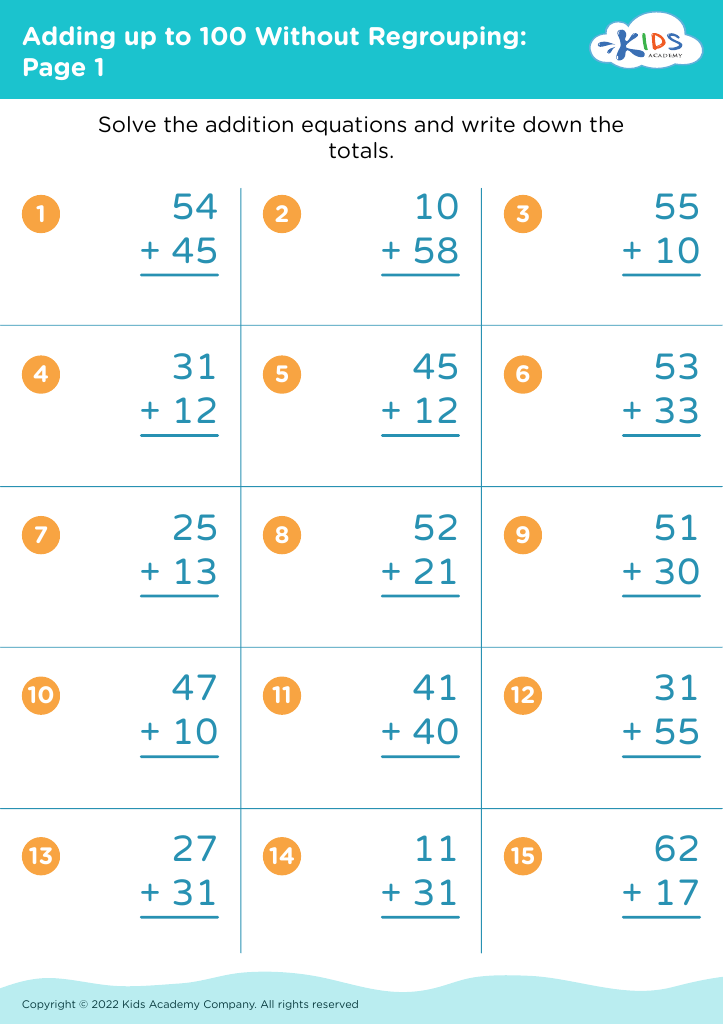
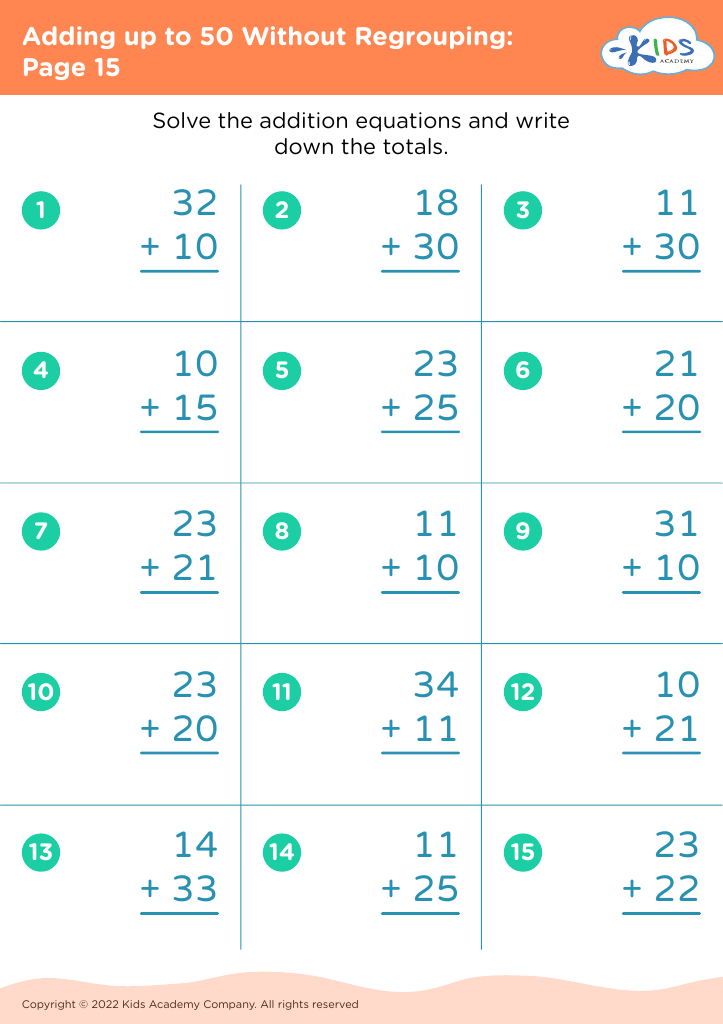
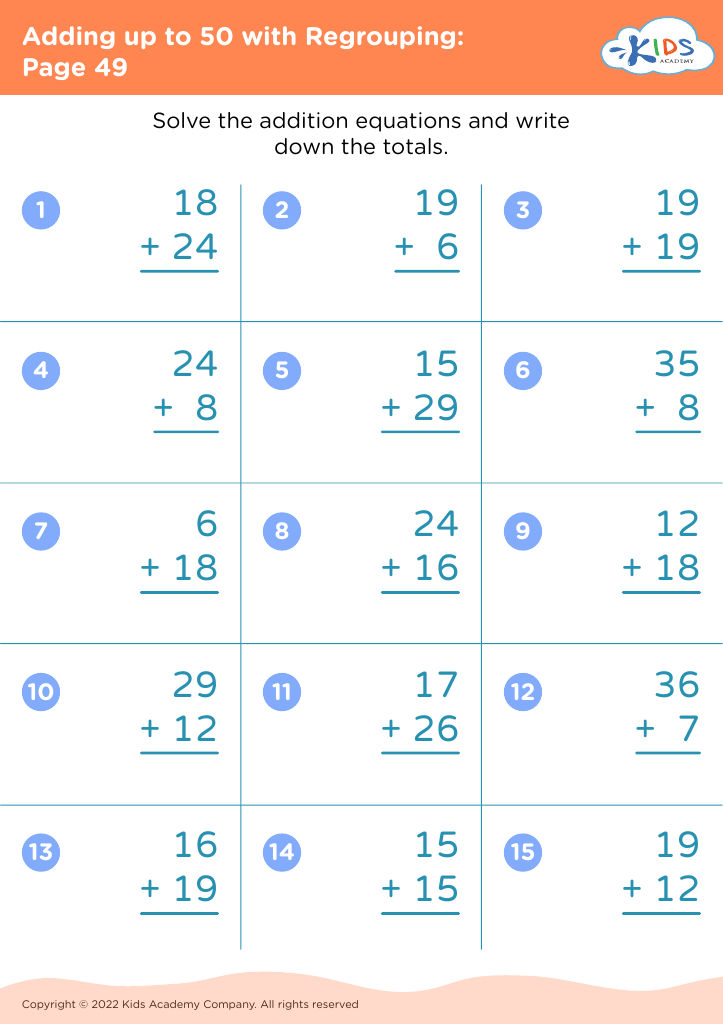
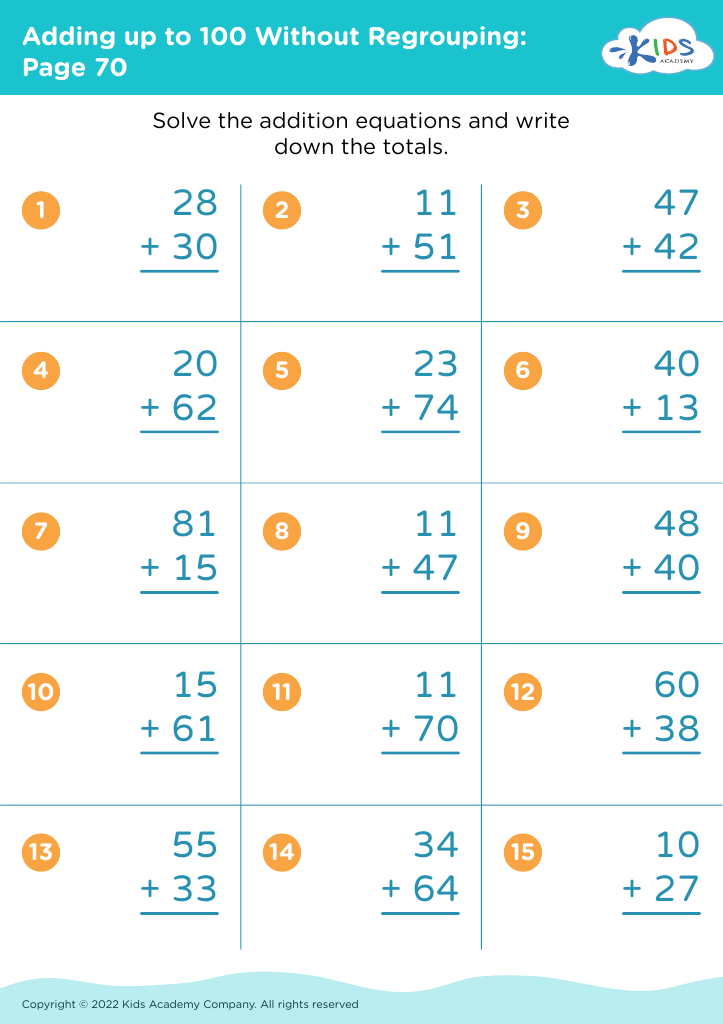
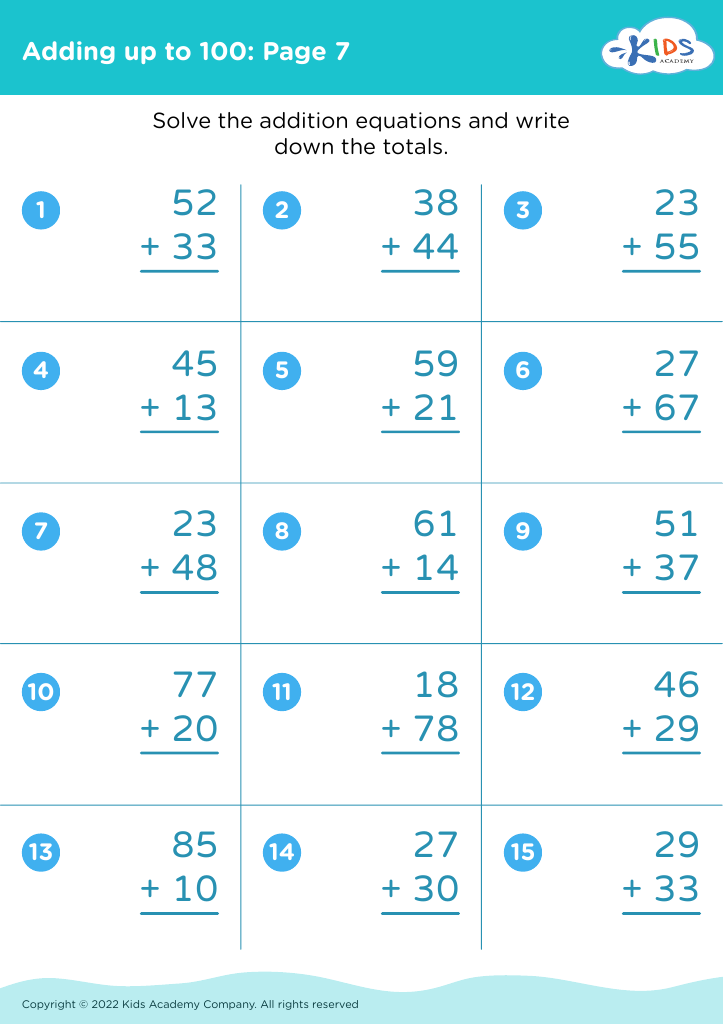
Welcome to our number recognition math worksheets, designed specifically for children aged 5-7! Our engaging and interactive worksheets promote essential early math skills, making learning fun and effective. Through vibrant illustrations and hands-on activities, young learners will practice identifying, writing, and counting numbers with confidence. Each worksheet targets key concepts, reinforcing number recognition in a playful way. Ideal for teachers and parents, these resources are crafted to cater to diverse learning styles. Explore our collection today and set the stage for your child's mathematical success while fostering a lifelong love for numbers! Perfect for home schooling and classroom activities.
Favorites
With answer key
Interactive
Join Kids Academy for Free
Who is primarily going to use this learning content?



%20(1).jpg)



Parents and teachers should prioritize improving number recognition for children aged 5-7, as it lays the foundation for critical mathematical skills. At this early stage, children develop an understanding of numbers, which is crucial for all future mathematical concepts such as addition, subtraction, and more advanced operations. Strong number recognition helps children identify quantity, compare sizes, and understand mathematical symbols, all of which are essential skills in daily life and academic success.
Additionally, enhancing number recognition fosters confidence in young learners. When children can easily recognize and manipulate numbers, they are more likely to participate actively in math-related activities and discussions, which reinforces their learning and builds a positive attitude towards math. This early competency can significantly reduce math anxiety later on, promoting a lifelong appreciation for the subject.
Moreover, engaging in number recognition activities can strengthen parent-child and teacher-student relationships. It encourages collaborative learning through games and exercises, making math relatable and fun. As both parents and teachers cultivate these foundational skills, they set the stage for children's future academic growth, enhancing their capacity to tackle complex concepts down the road. In short, investing time in number recognition is essential for fostering well-rounded, confident learners.








