Mathematical reasoning Math Worksheets for Ages 5-7
53 filtered results
-
From - To
Discover our engaging Mathematical Reasoning Math Worksheets designed specifically for children aged 5-7. These worksheets help young learners develop essential problem-solving skills through a variety of fun and interactive activities. Each worksheet encourages critical thinking, number sense, and logical reasoning with age-appropriate challenges that foster a love for math. Whether at home or in the classroom, our resources support better comprehension of mathematical concepts. Perfect for parents and educators, these worksheets create a solid foundation for future mathematical success. Explore our collection now to inspire your child's journey in mathematics with creativity and enjoyment!
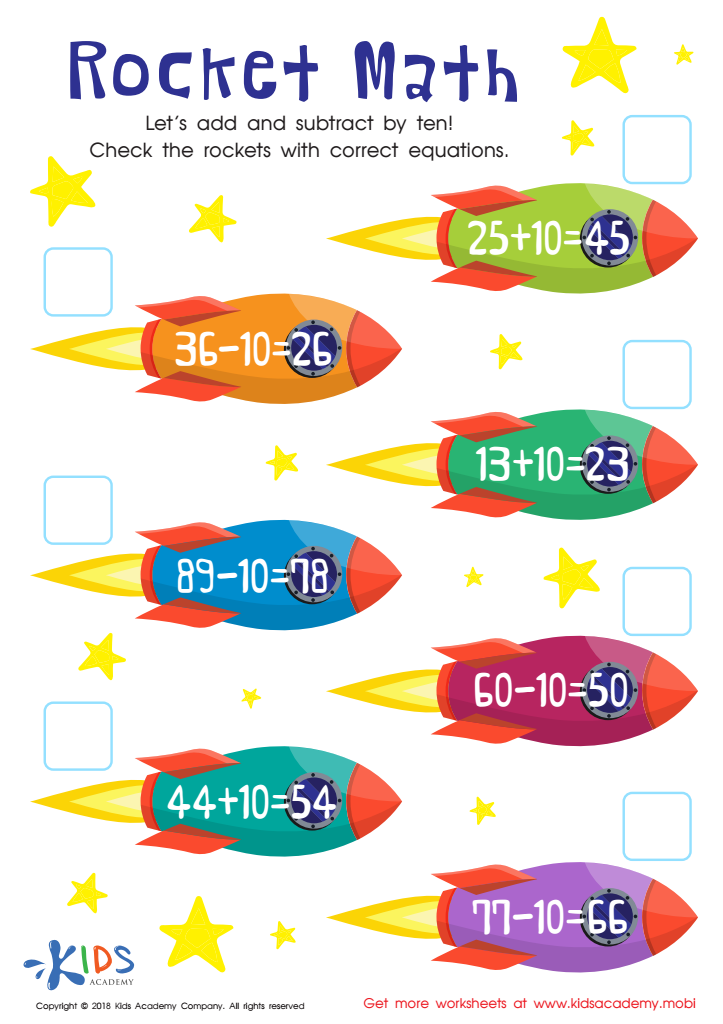
Rocket Math Worksheet
 Assign to My Students
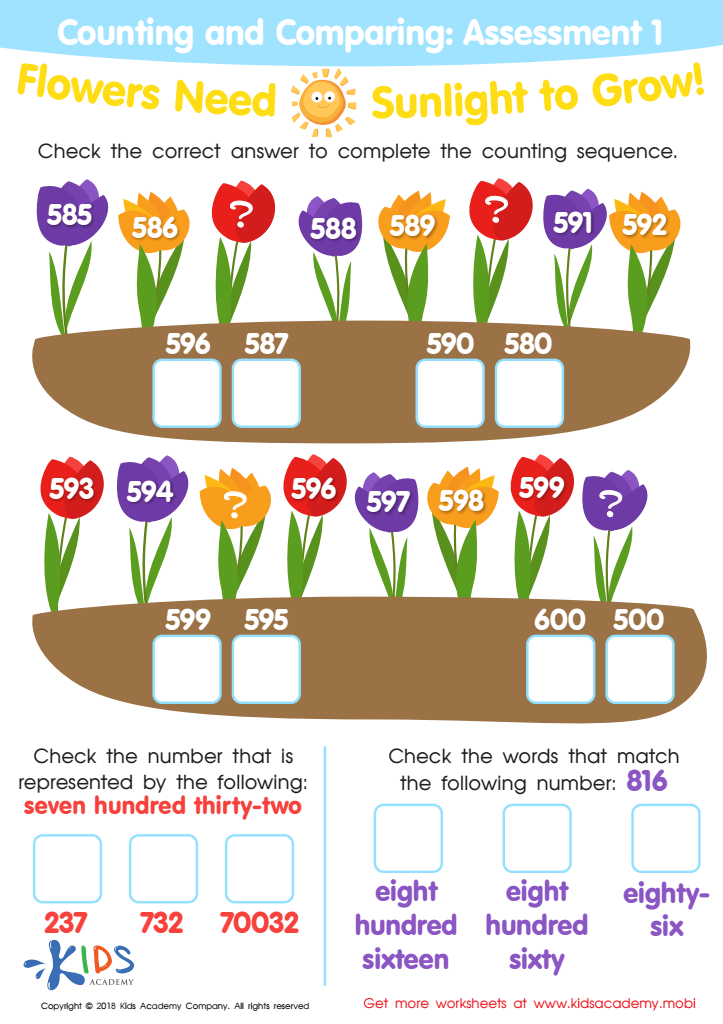
Counting and Comparing: Assessment 1 Worksheet
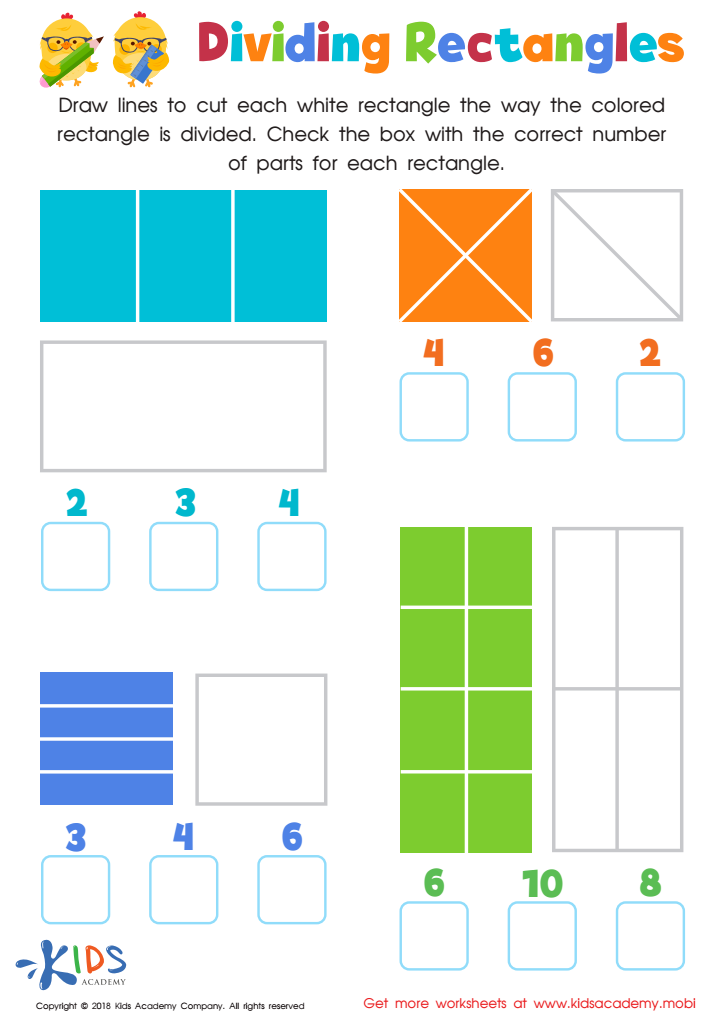
Dividing Rectangles Worksheet
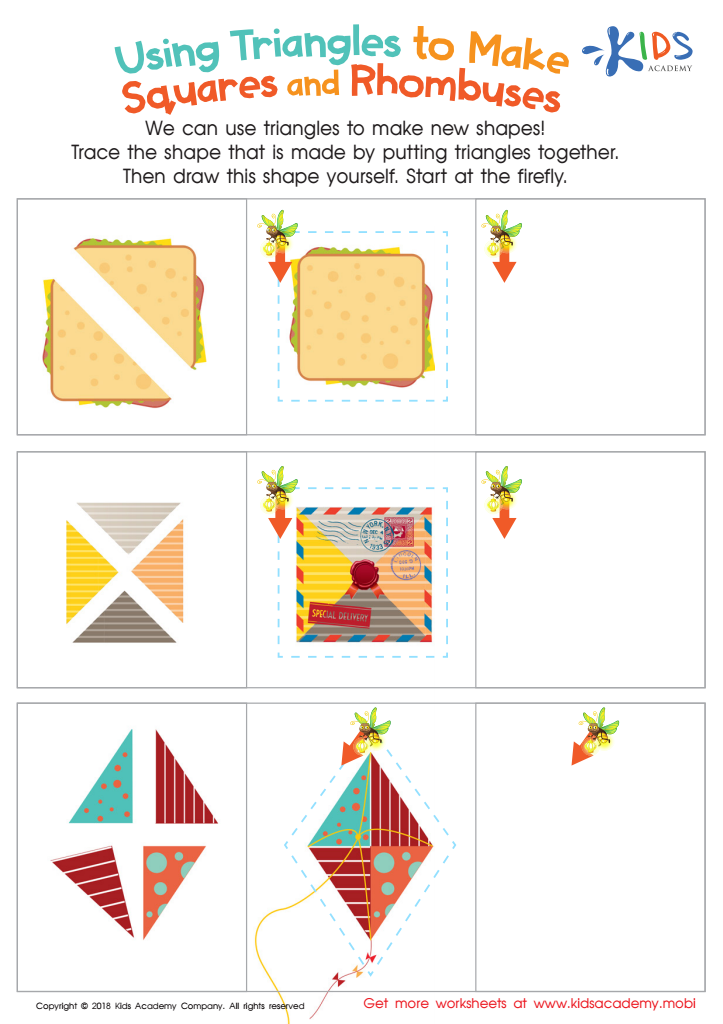
Using Triangles to Make Squares and Rhombuses Worksheet
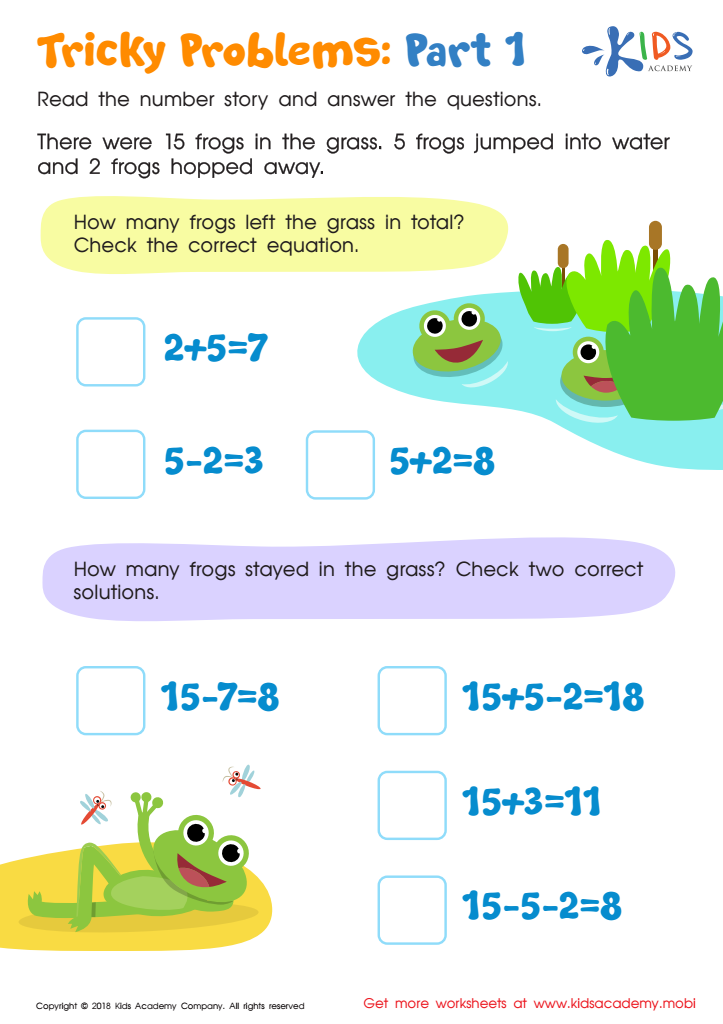
Tricky Problems Worksheet: Part 1
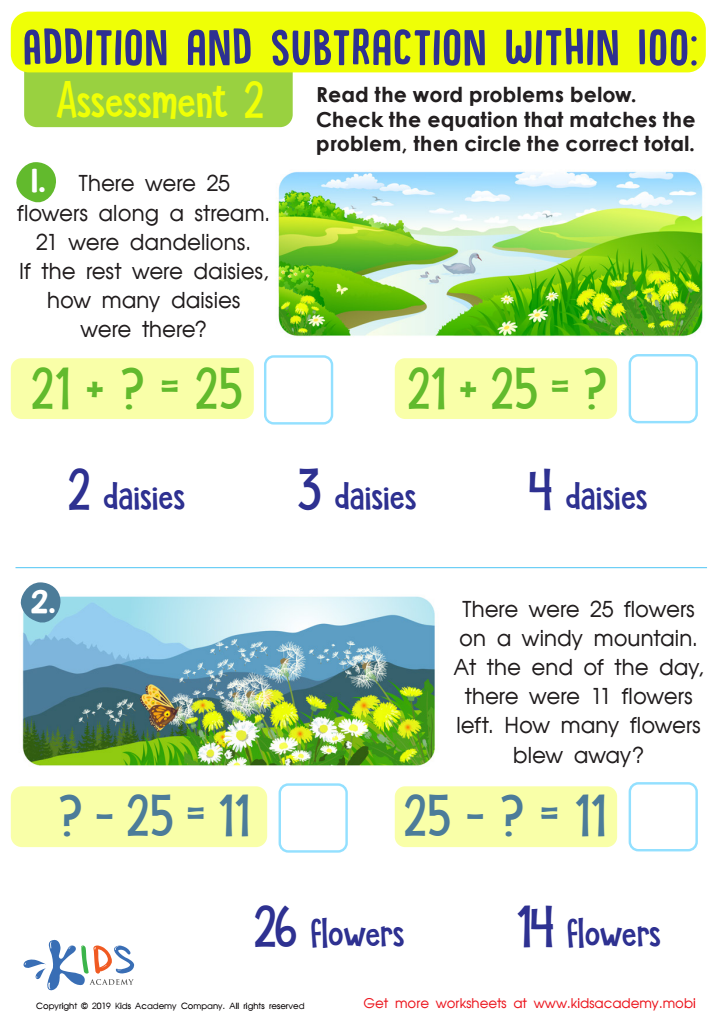
Assessment 2 Math Worksheet
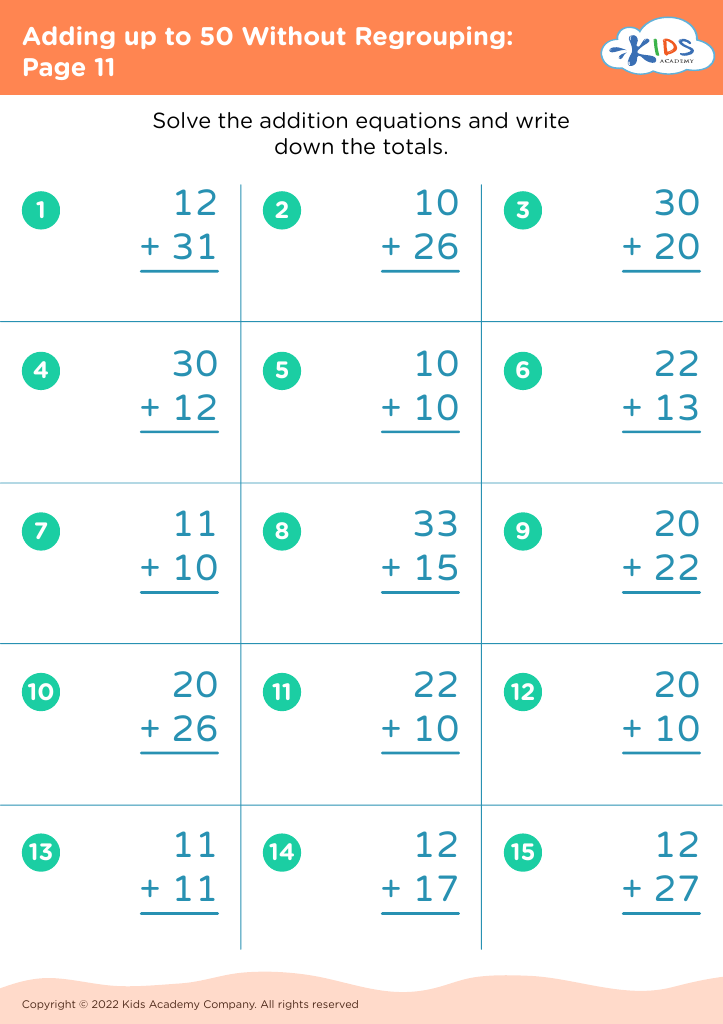
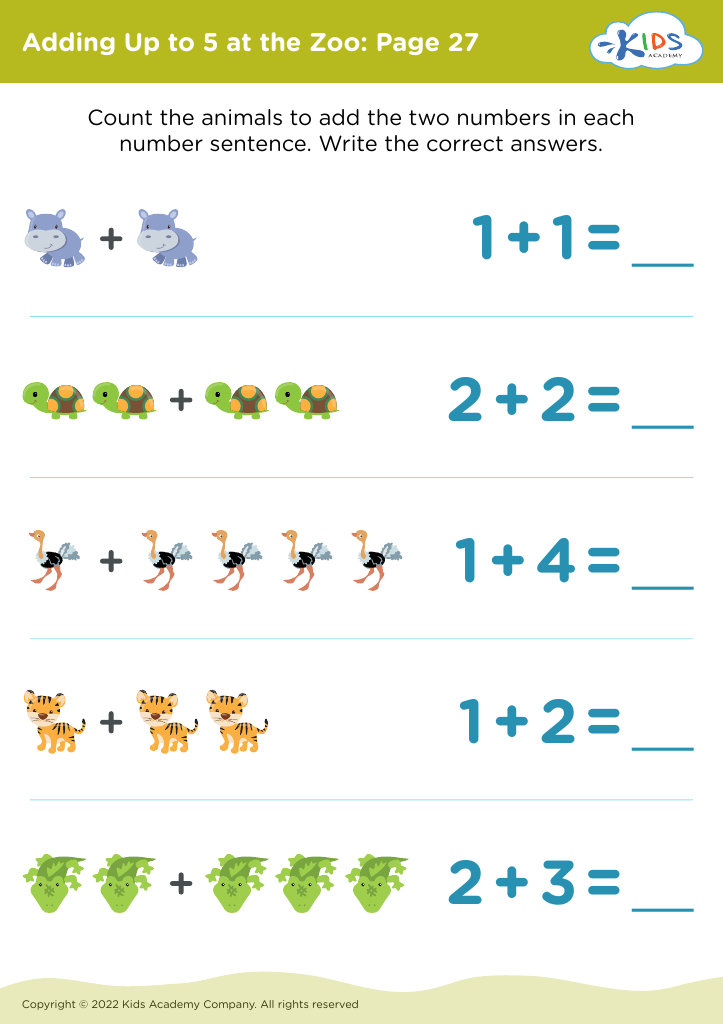
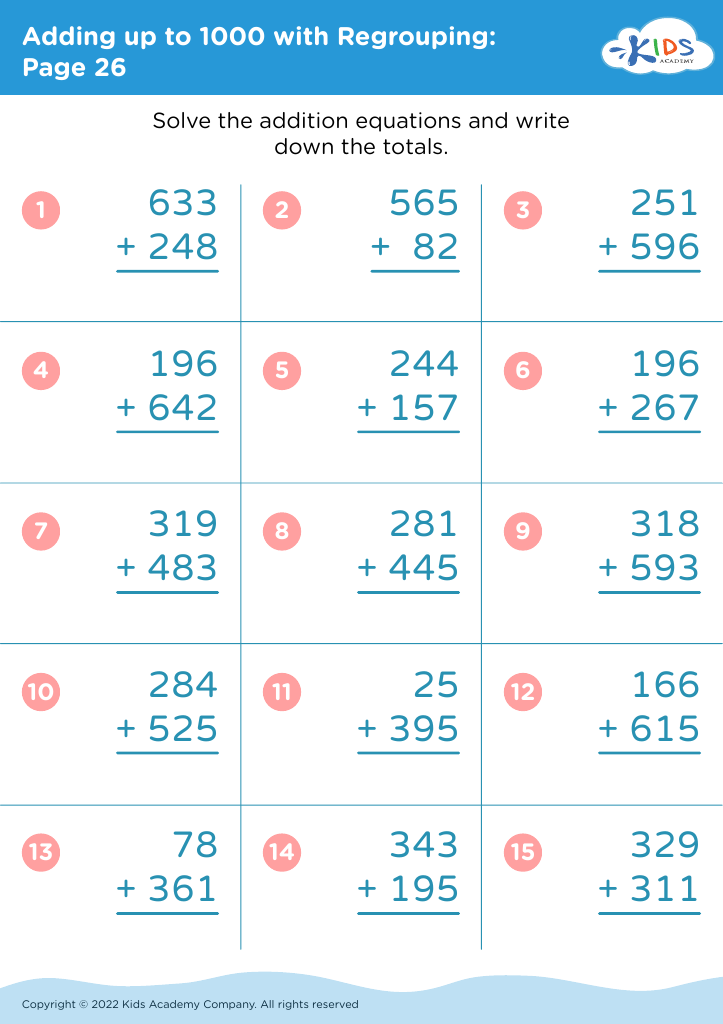
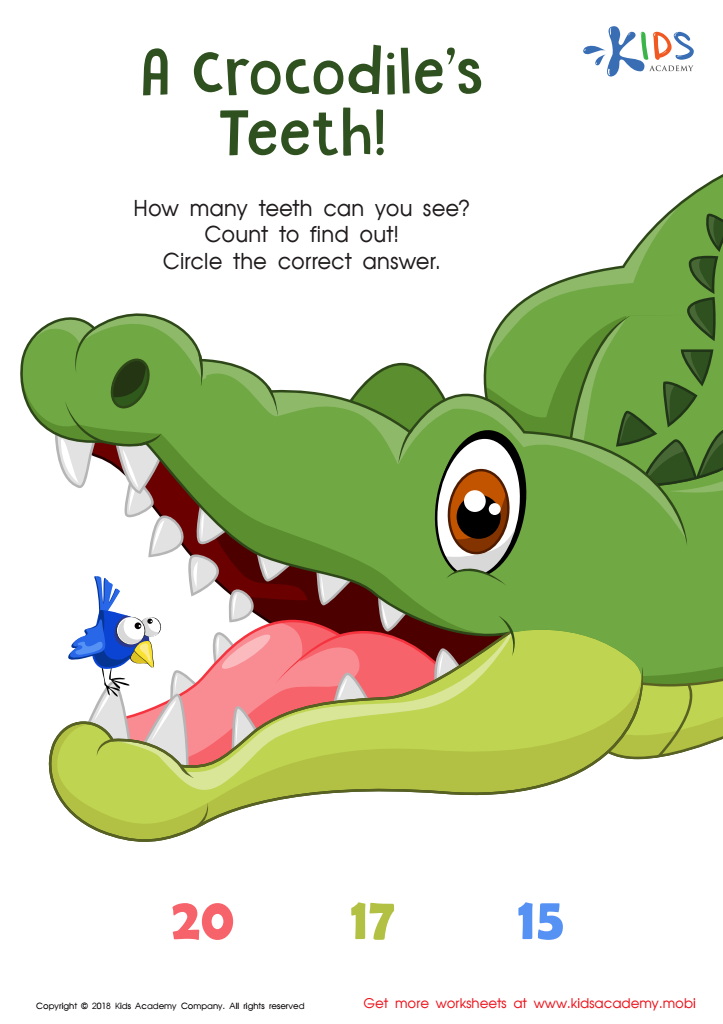
A Crocodile's Teeth Worksheet
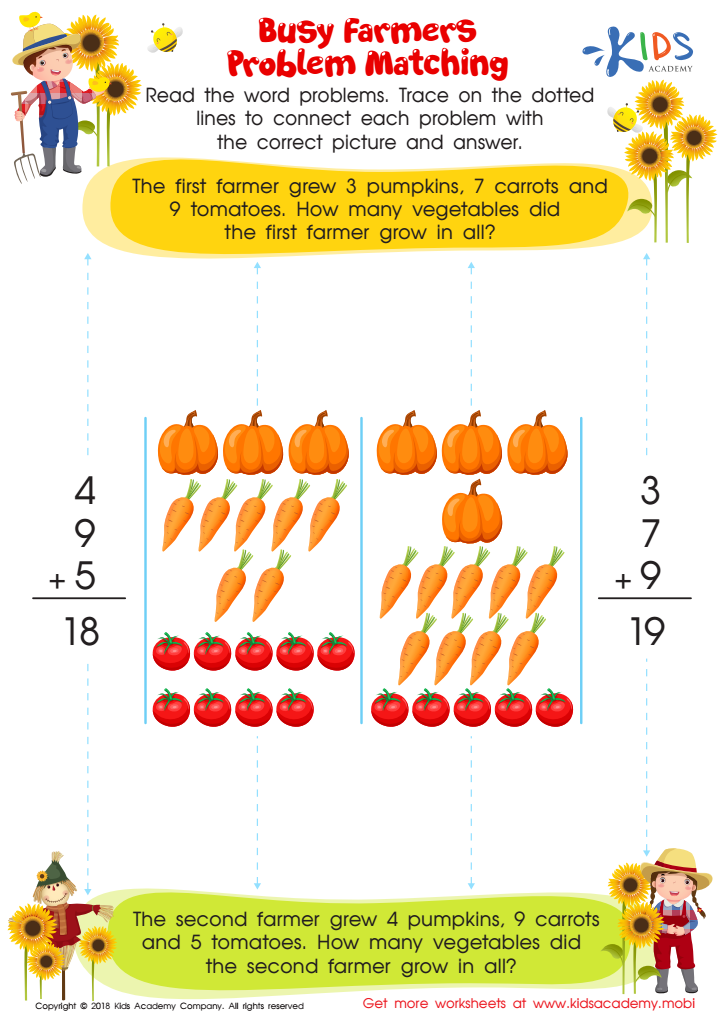
Busy Farmers: Problem Matching Worksheet
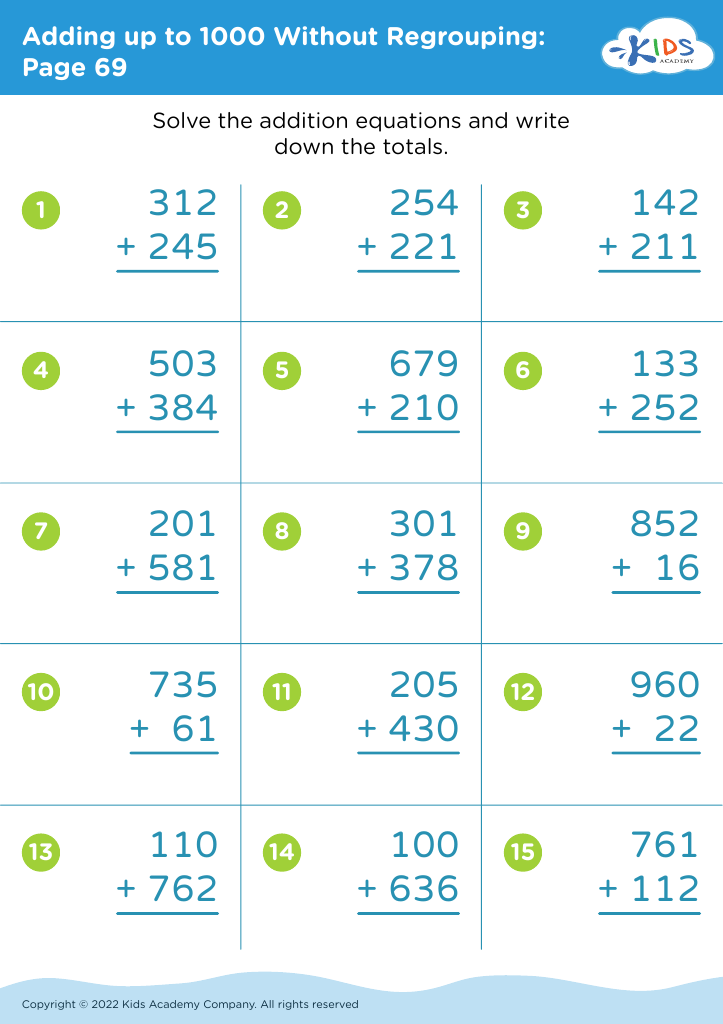
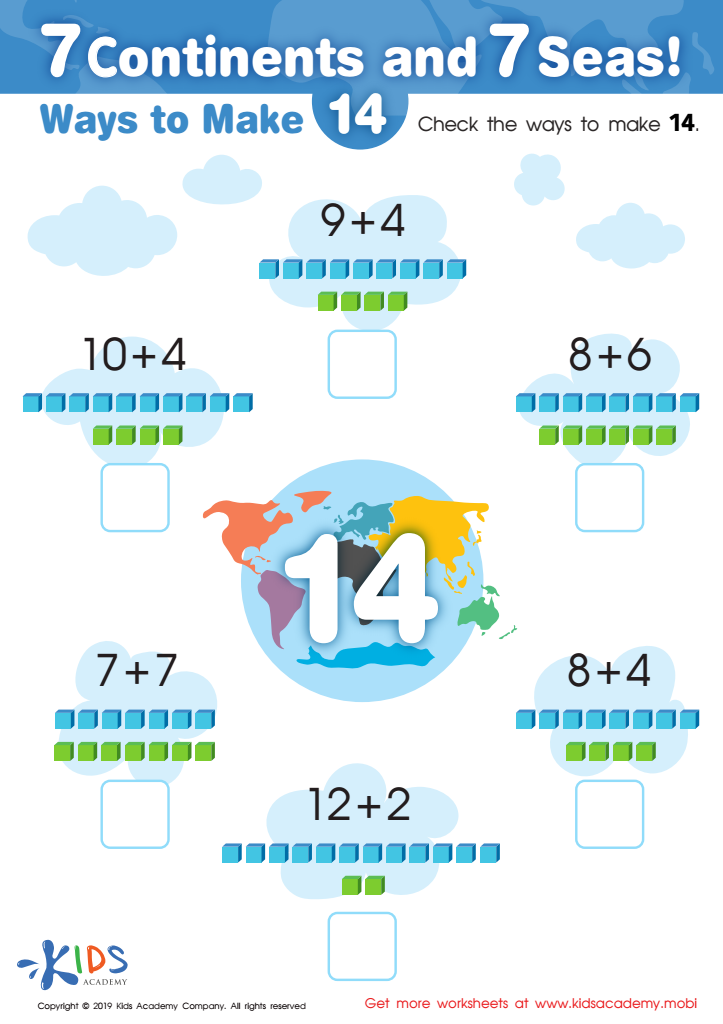
7 Continents and 7 Seas Worksheet
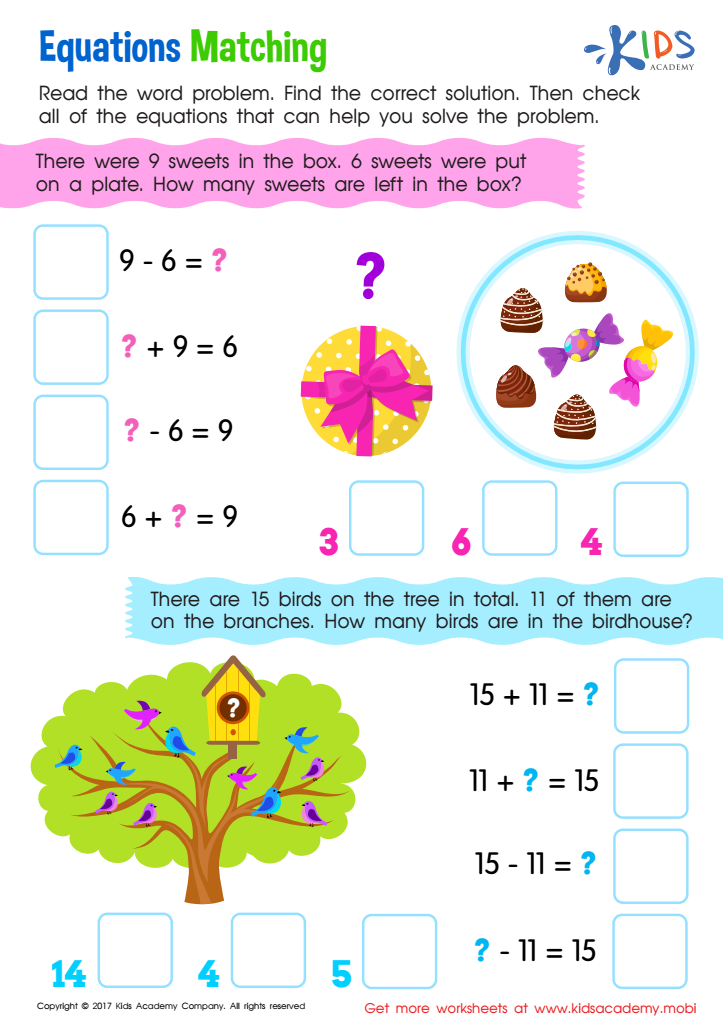
Equations Matching Word Problems Worksheet
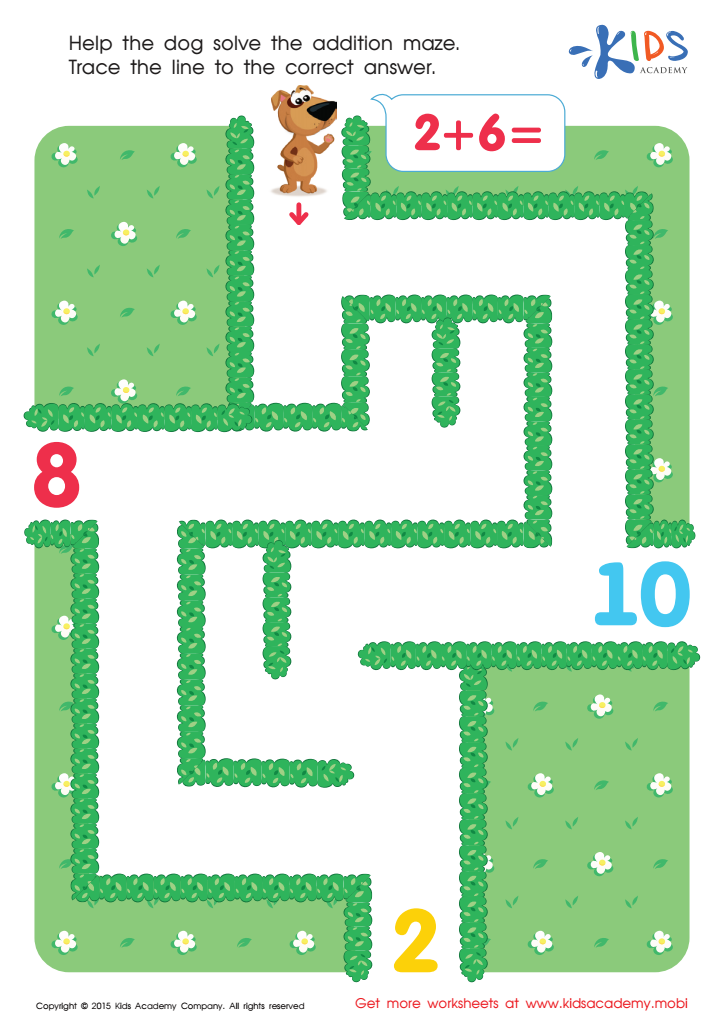
Two Plus Six Addition Worksheet
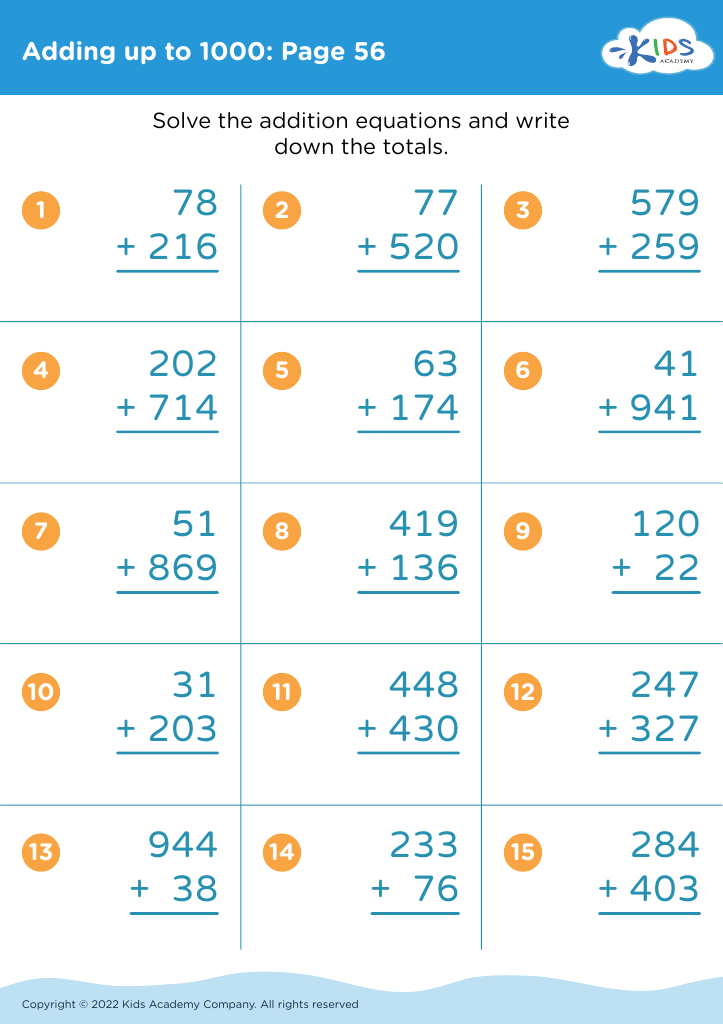
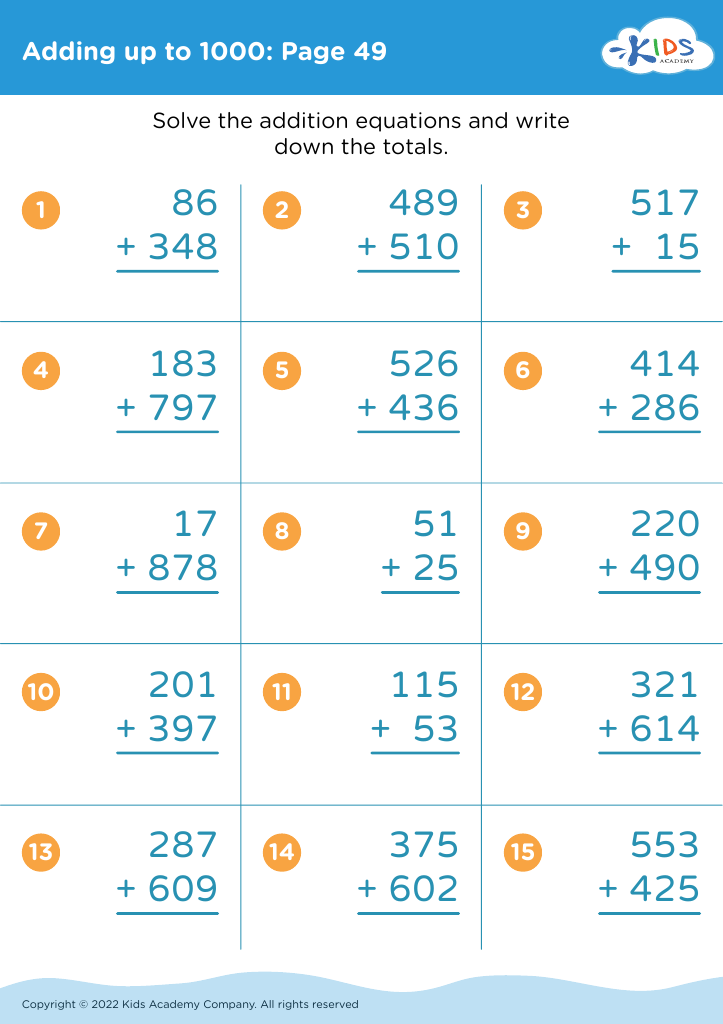
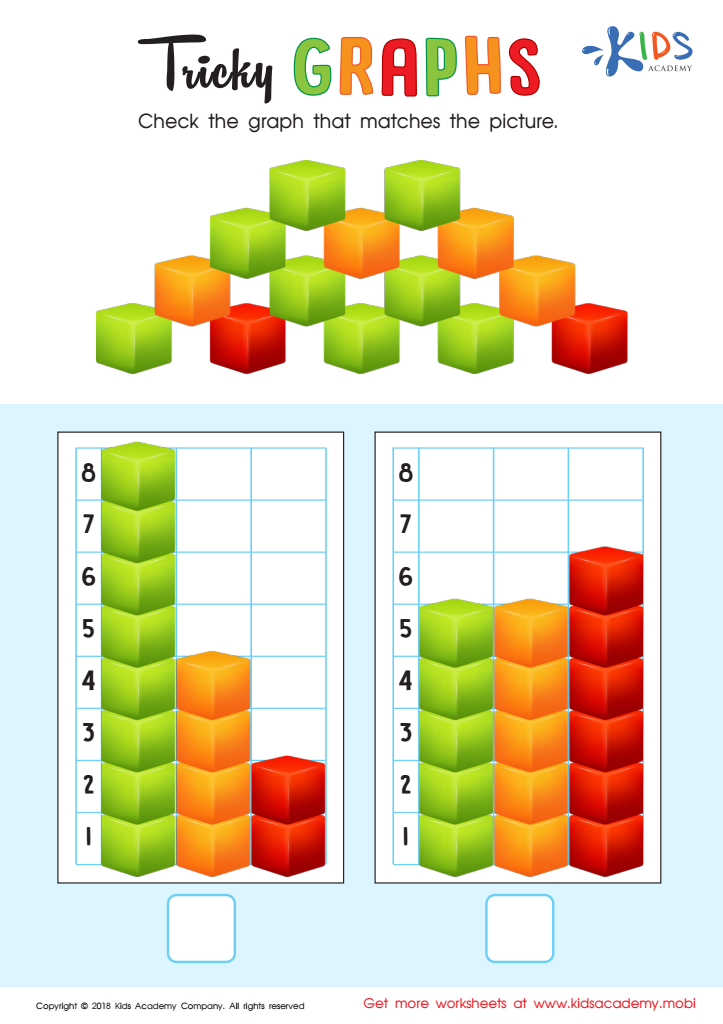
Tricky Graphs Worksheet
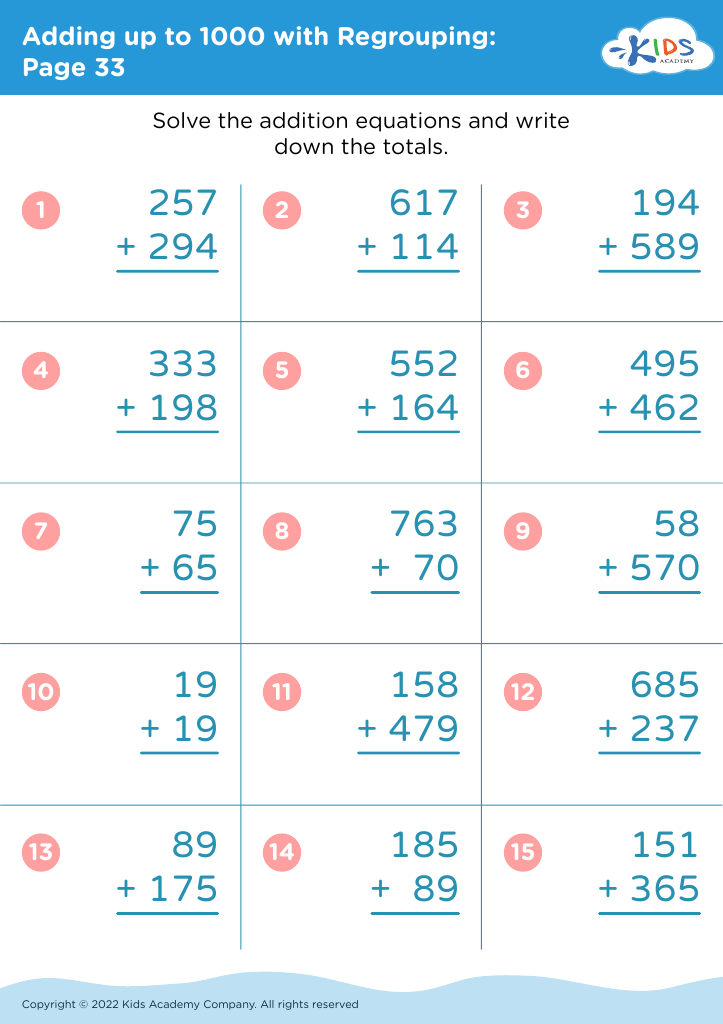
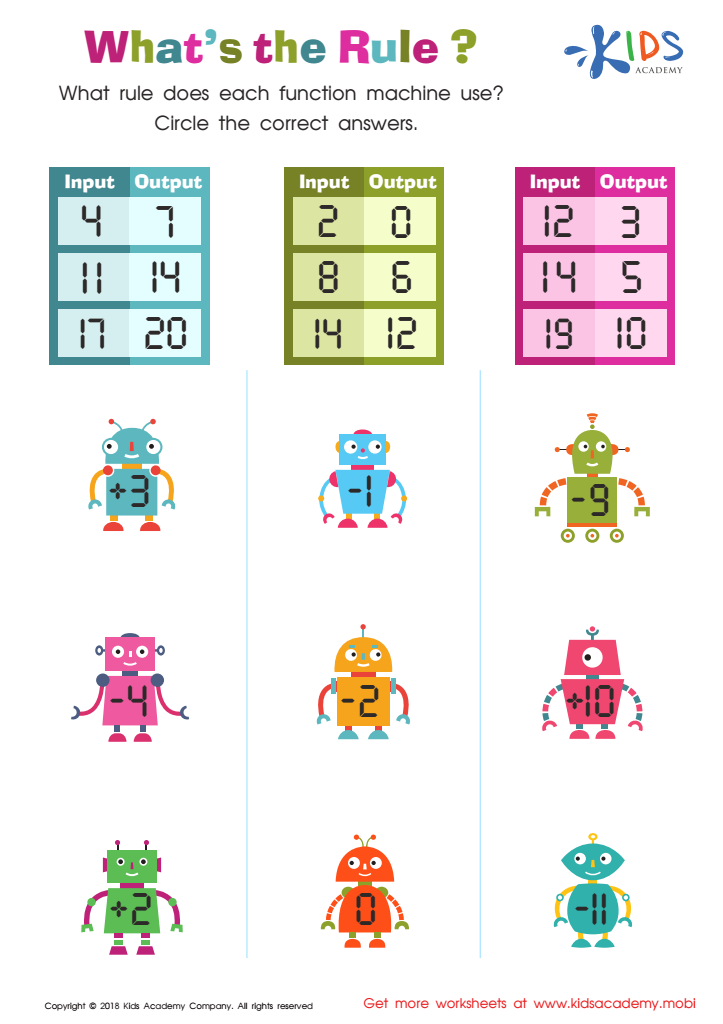
What's the Rule Worksheet
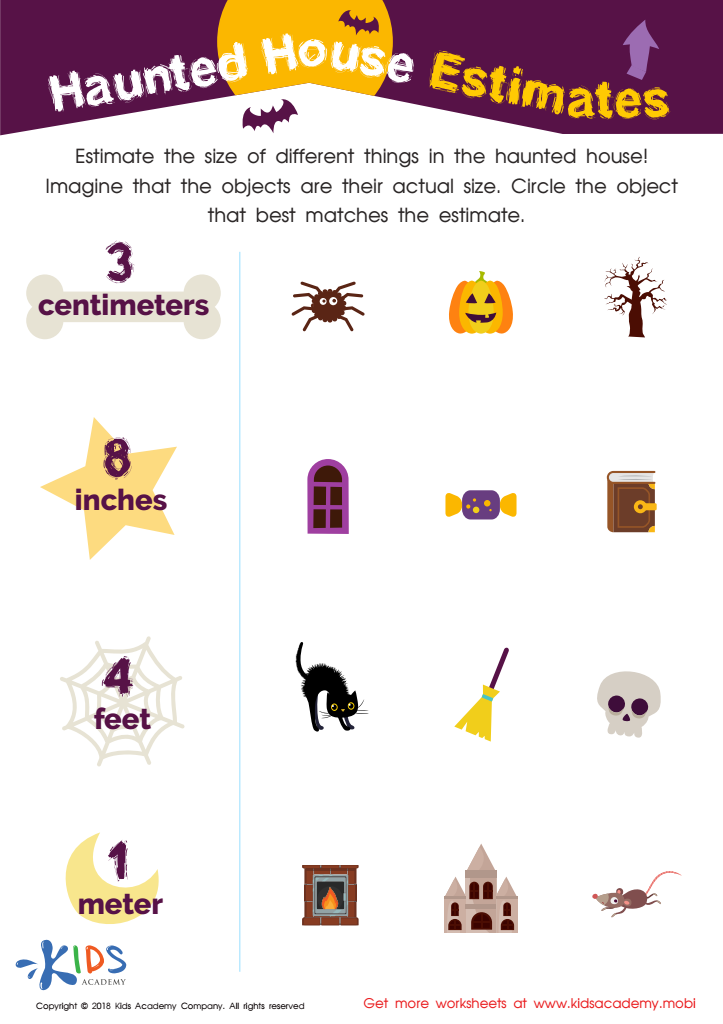
Haunted House Estimates Worksheet





.jpg)


Mathematical reasoning is a foundational skill for children aged 5-7, and it's crucial for their cognitive development and future academic success. During this critical stage, children are beginning to understand complex concepts, and fostering mathematical reasoning helps them make sense of the world around them. This ability enables them to think critically, solve problems, and develop logical thinking skills.
Parents and teachers should care because strong reasoning skills prepare children for more advanced mathematical concepts they will encounter later in school. These early skills empower children to explore addition and subtraction, patterns, and basic geometry in meaningful ways. When children grasp these concepts, they become more confident in their abilities, fostering a positive attitude towards math that can last a lifetime.
Moreover, mathematical reasoning contributes to overall cognitive development. It encourages children to ask questions, explore different solutions, and articulate their thought processes. This not only enhances their mathematical skills but also nurtures critical thinking and communication abilities. In an increasingly data-driven world, preparing children with strong mathematical reasoning is essential, as it opens doors to various fields and supports essential life skills such as budgeting and decision-making. By prioritizing this aspect of learning, adults can play a vital role in shaping future thinkers and problem-solvers.








