Problem-solving abilities Math Worksheets for Ages 5-7 - Page 2
55 filtered results
-
From - To
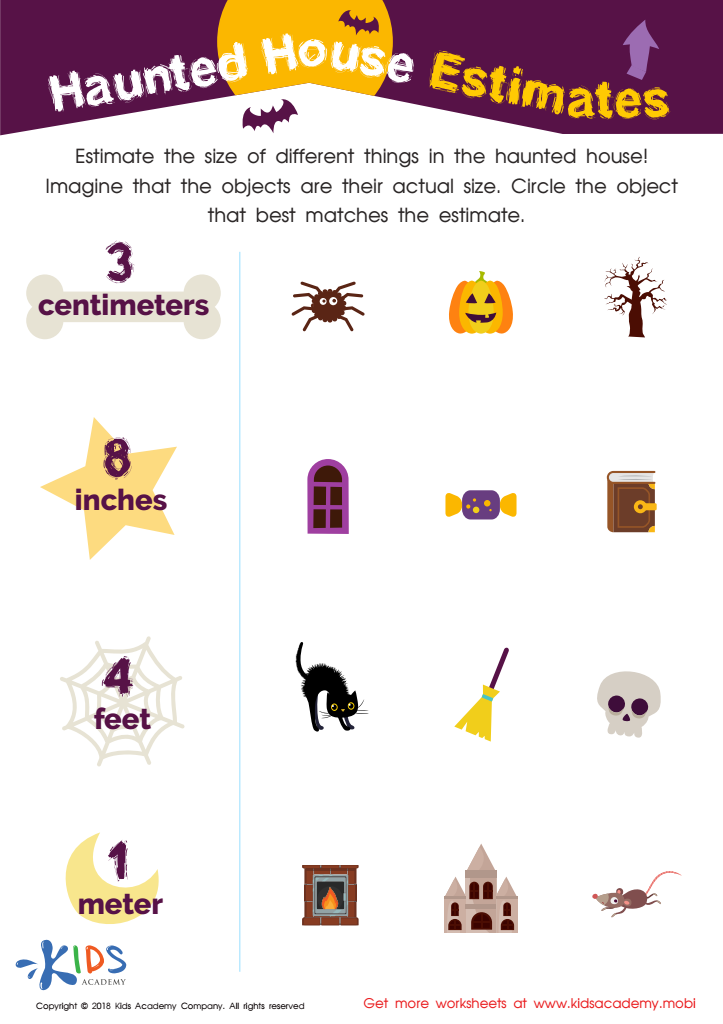
Haunted House Estimates Worksheet
 Assign to My Students
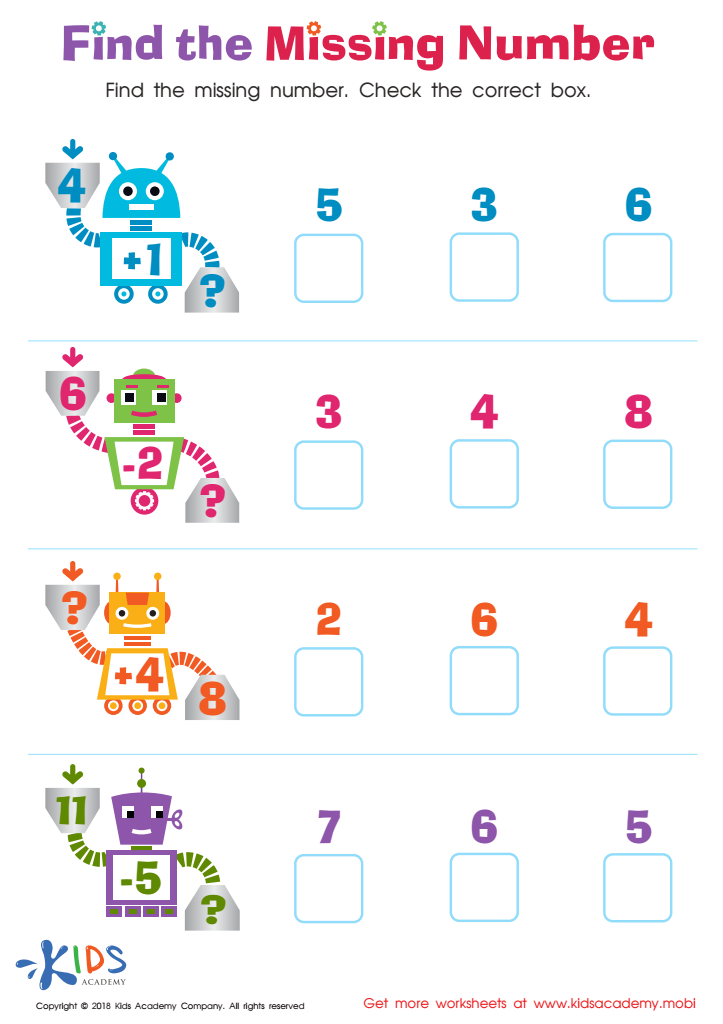
Find the Missing Number Worksheet
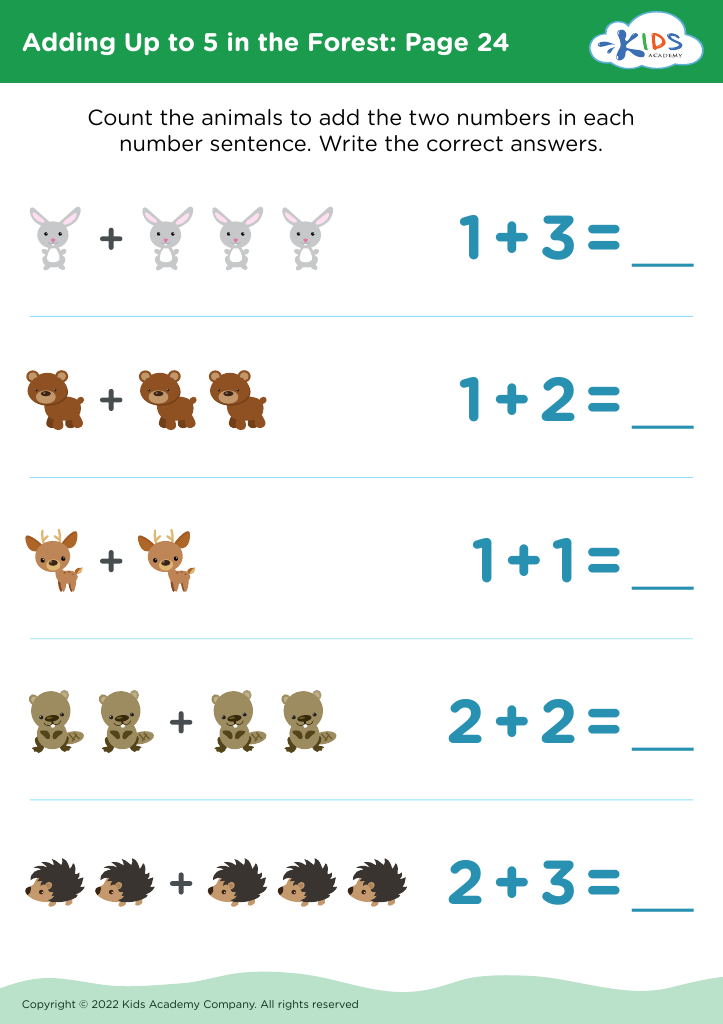
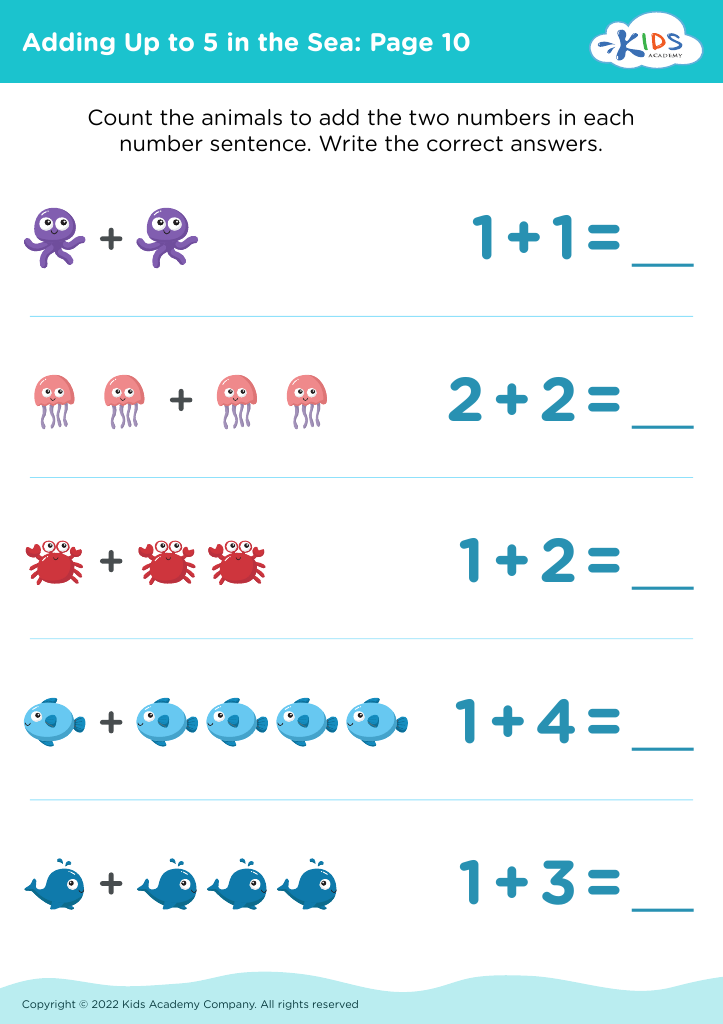
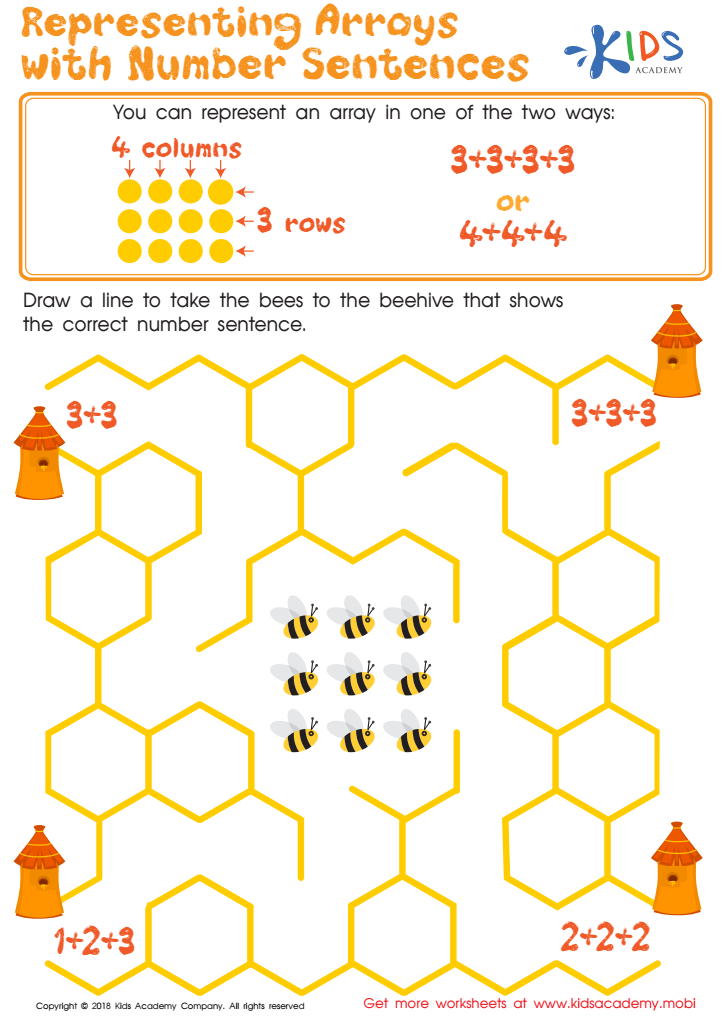
Representing Arrays with Number Sentences Worksheet
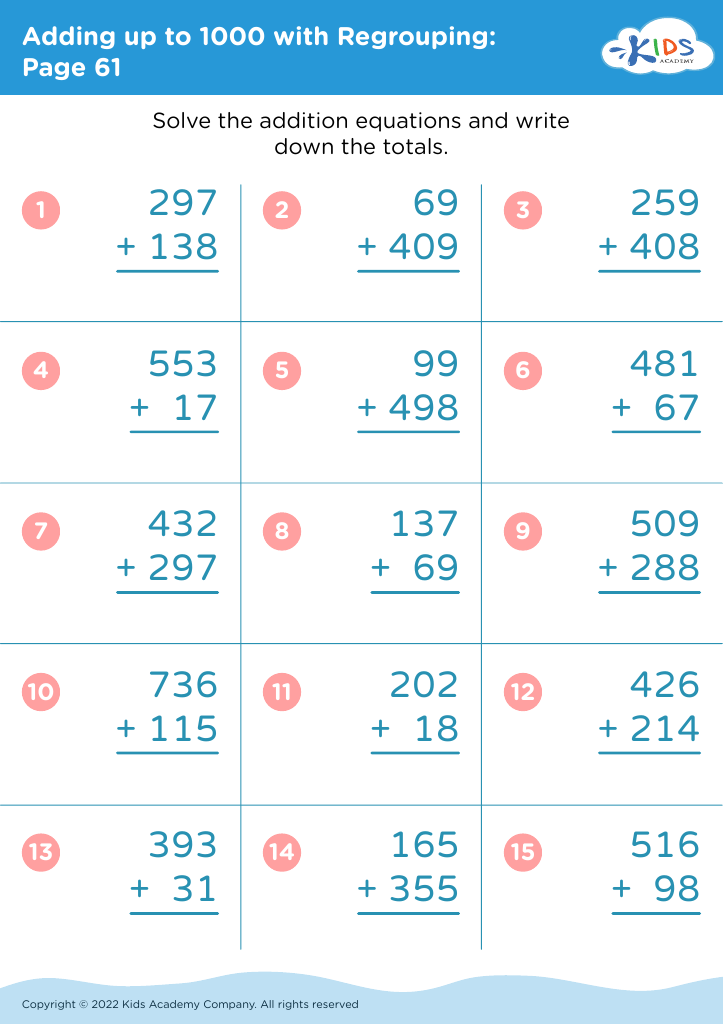
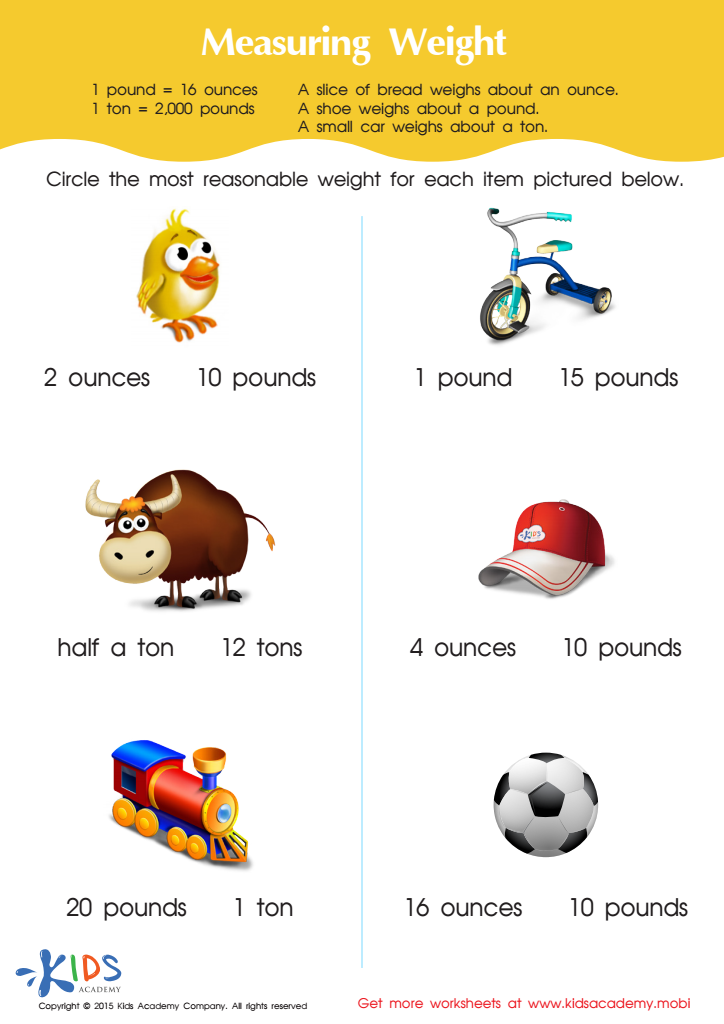
Measuring Weight in Ounces, Pounds and Tons (Part 2) Worksheet
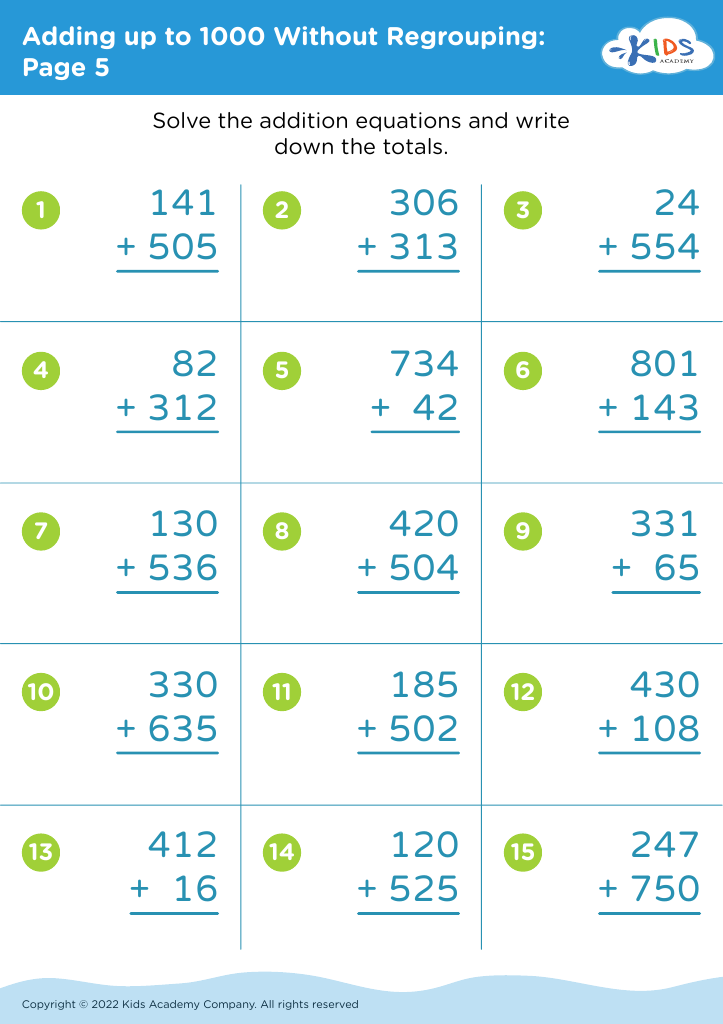
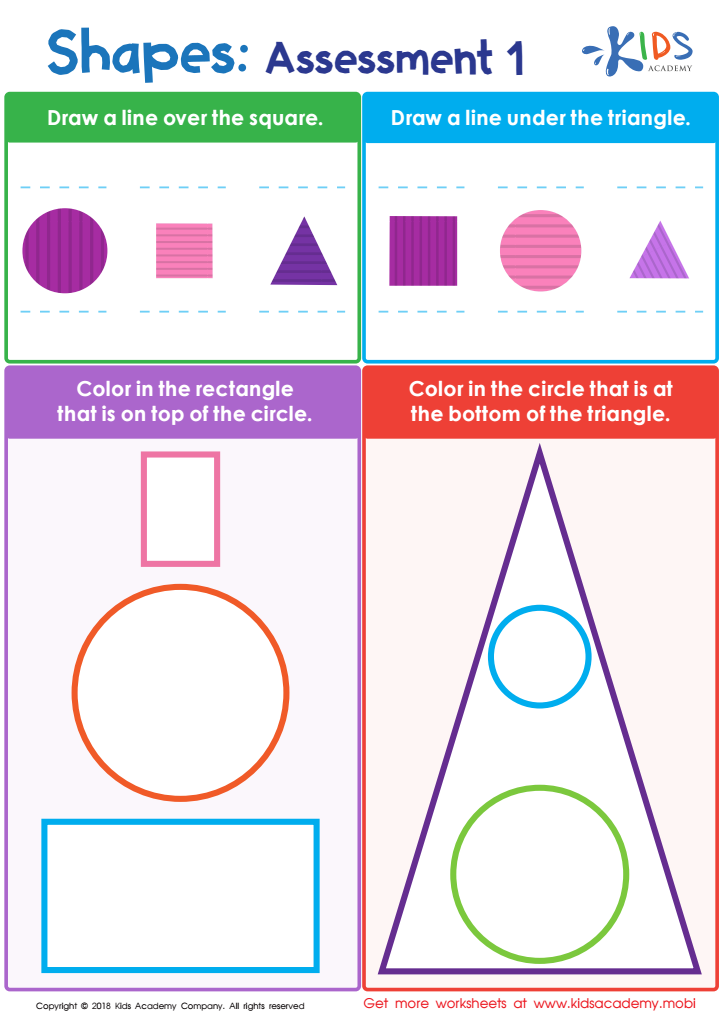
Shapes: Assessment 1 Worksheet
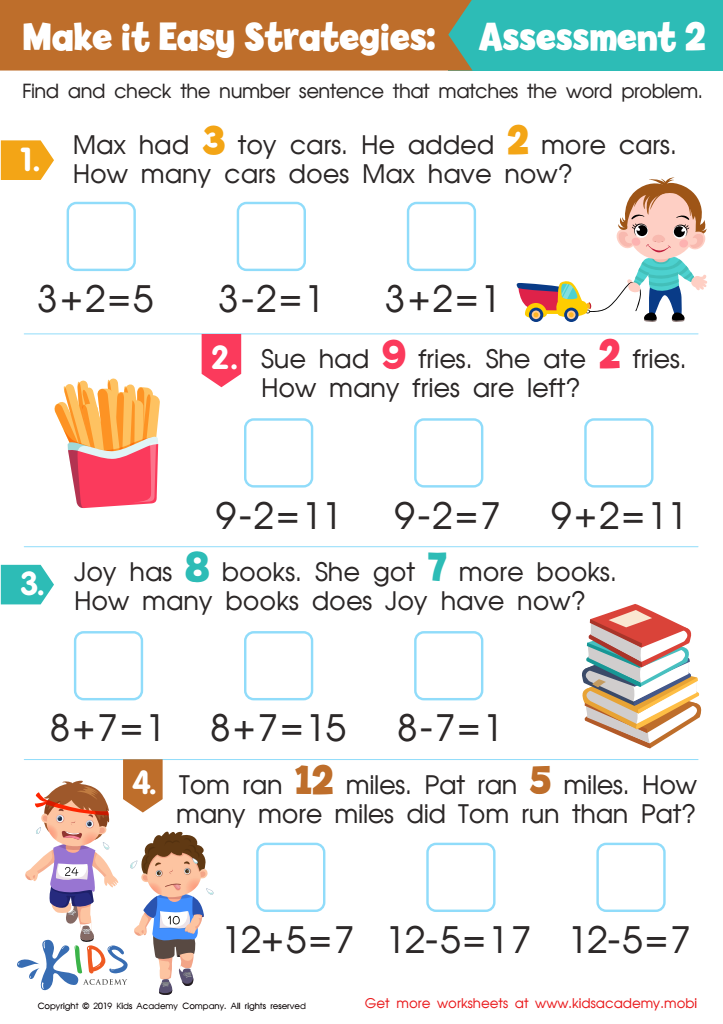
Make it Easy Strategies: Assessment 2 Worksheet
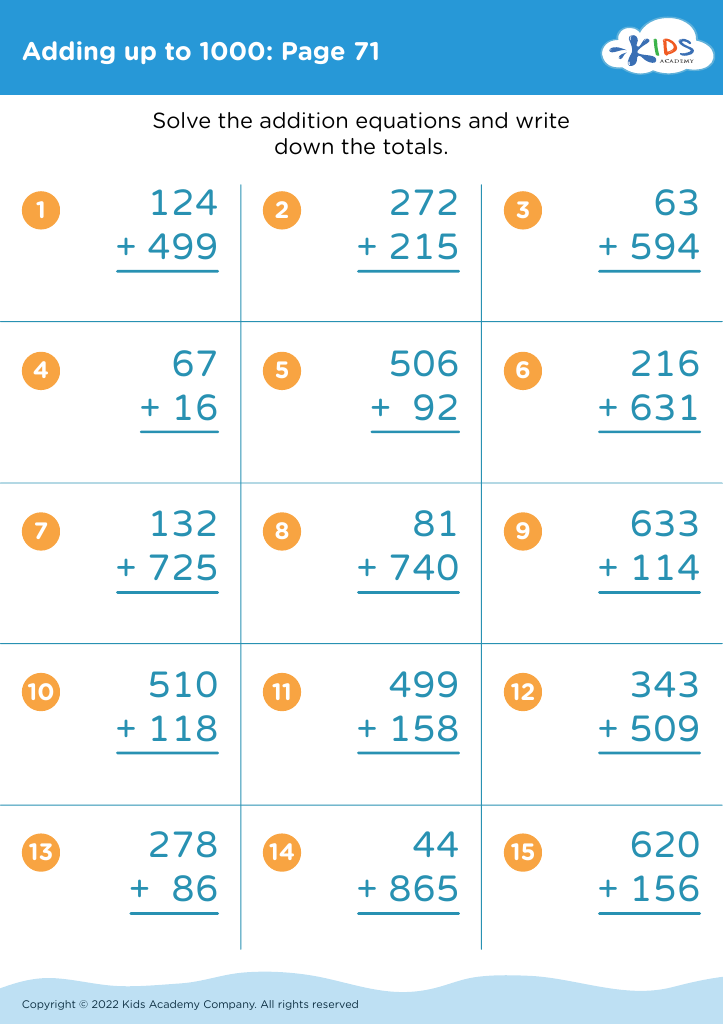
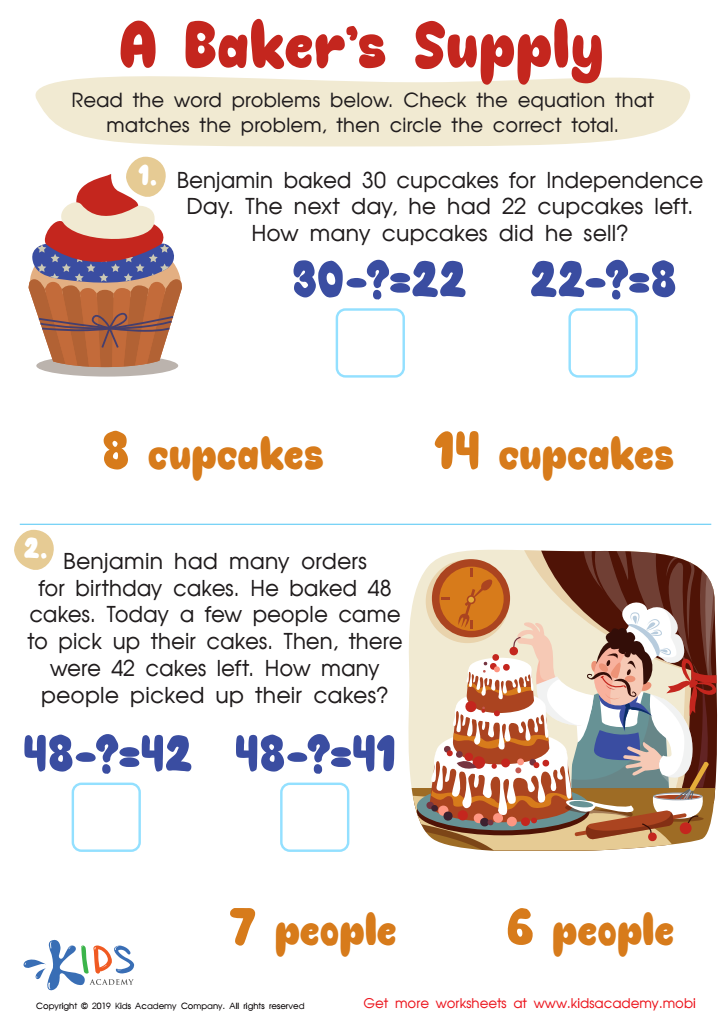
A Baker's Supply Worksheet
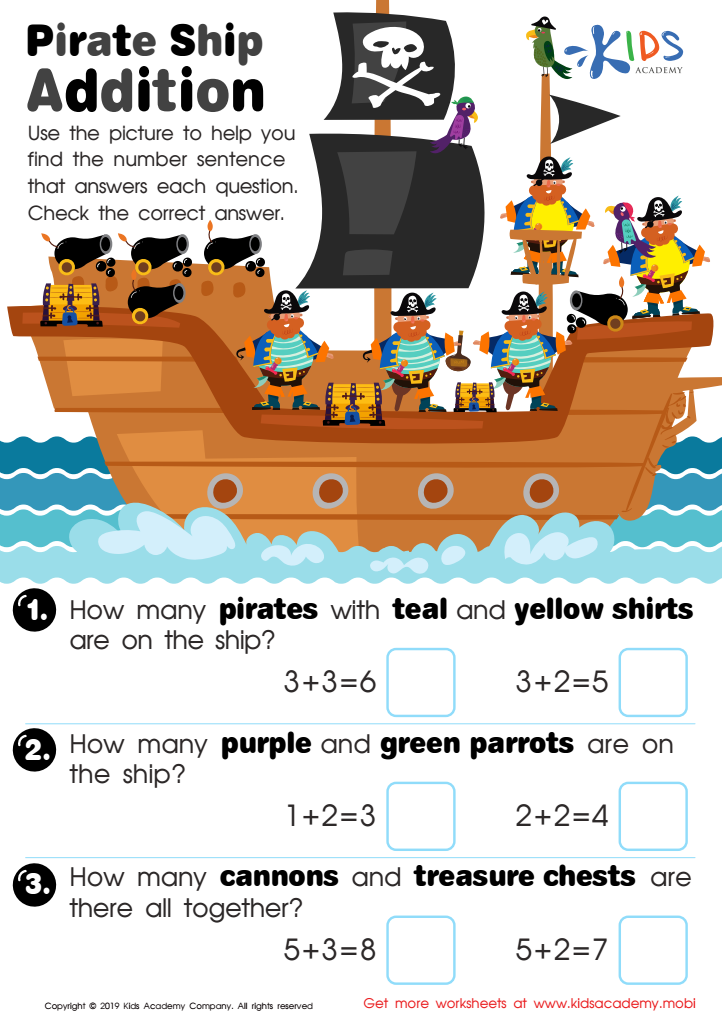
Pirate Ship Addition Worksheet
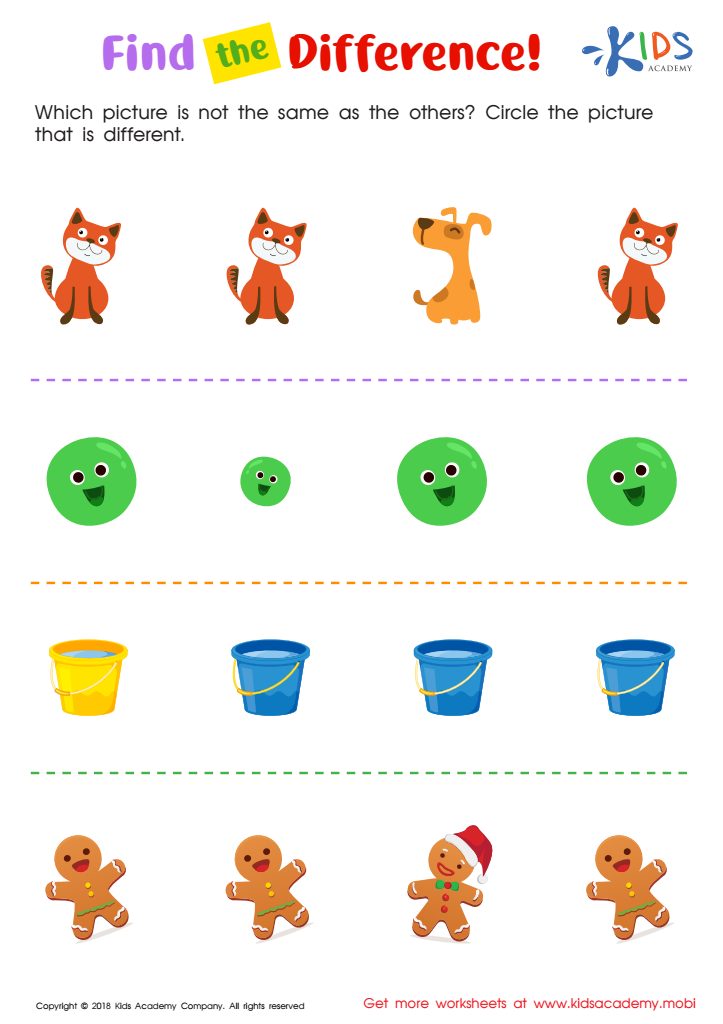
Find the Difference Worksheet
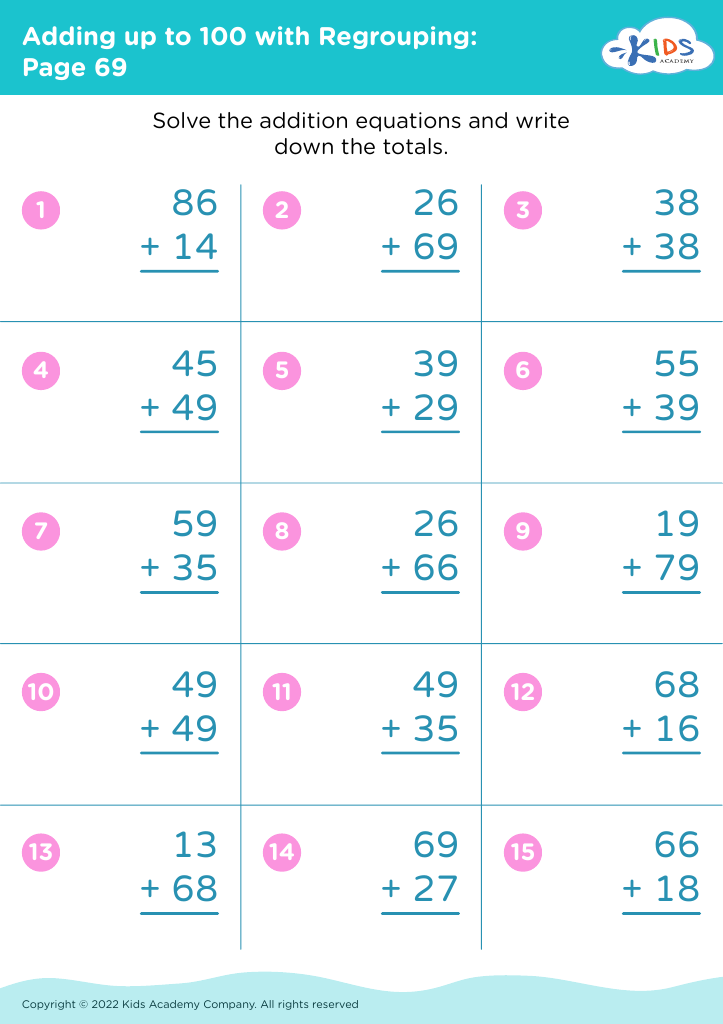
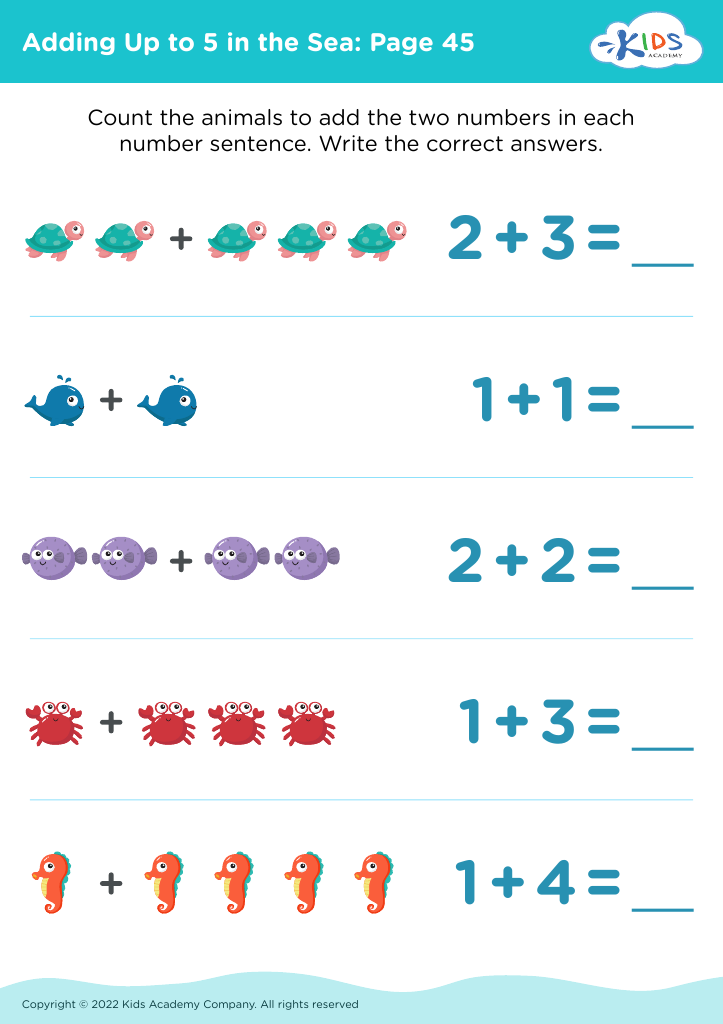
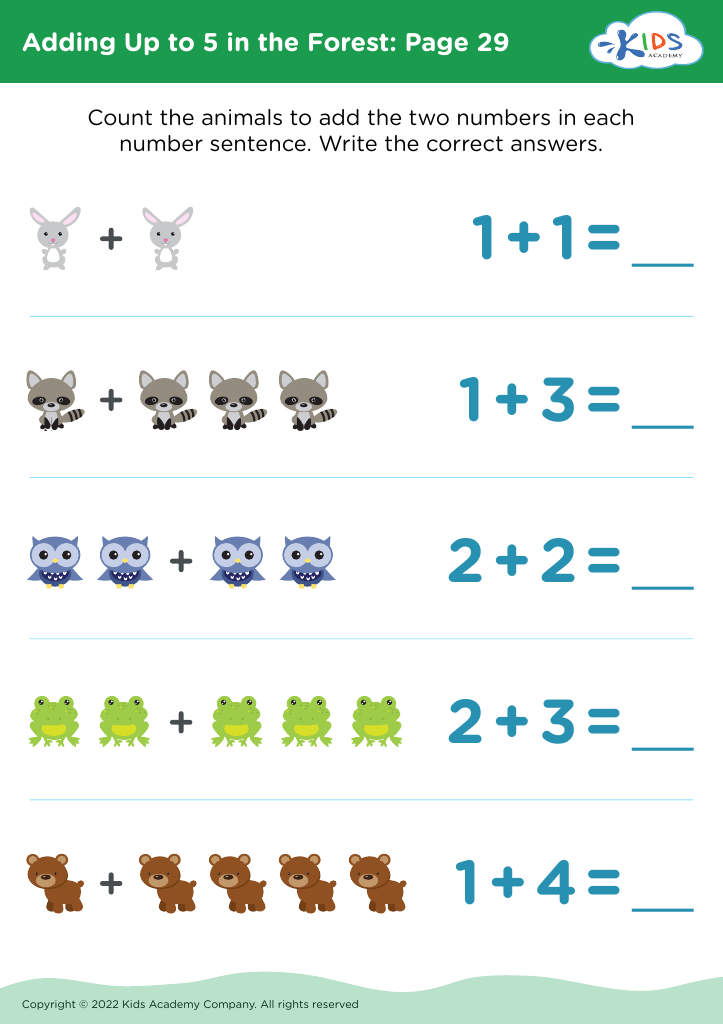
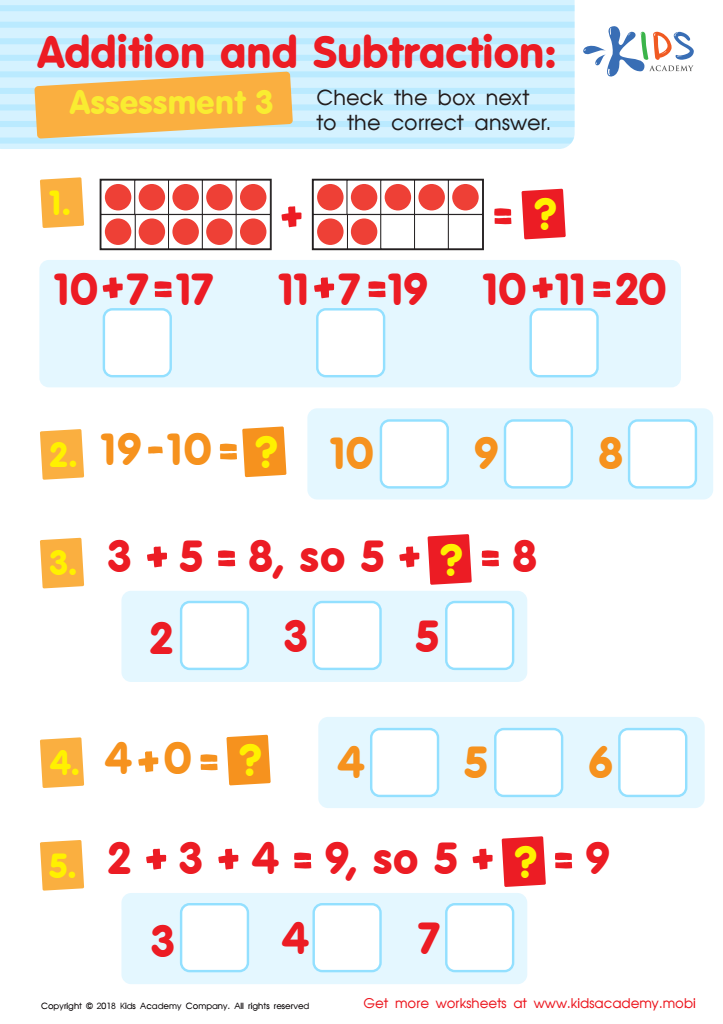
Addition and Subtraction Assessment 3 Worksheet

Sweet Shop – Counting Coins Worksheet
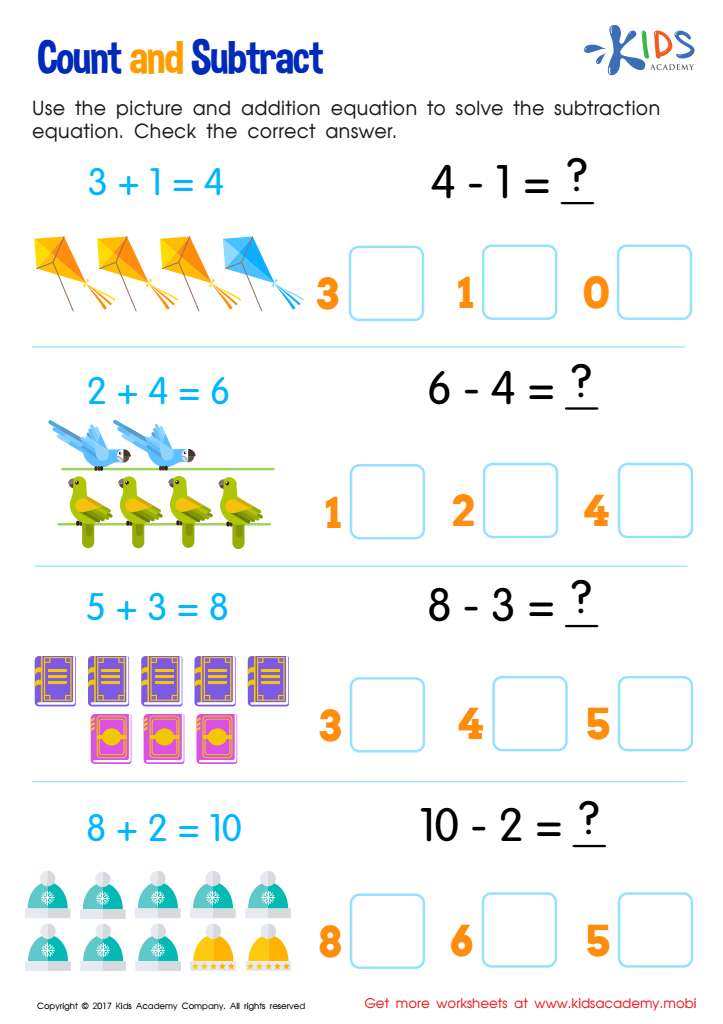
Count and Subtract Worksheet
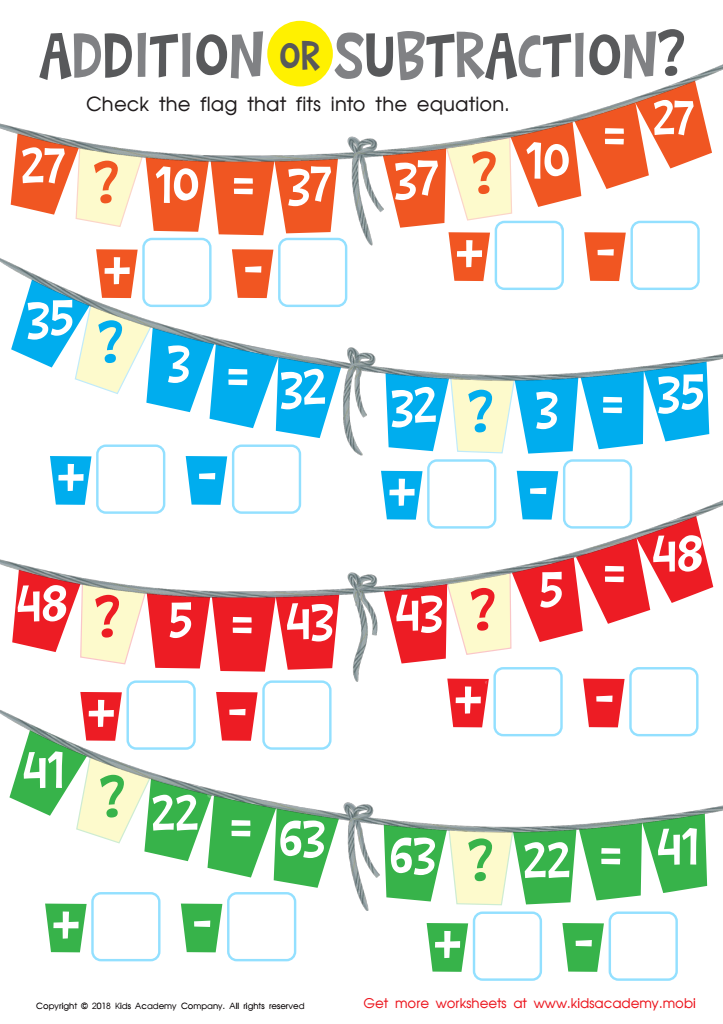
Addition or Subtraction? Worksheet
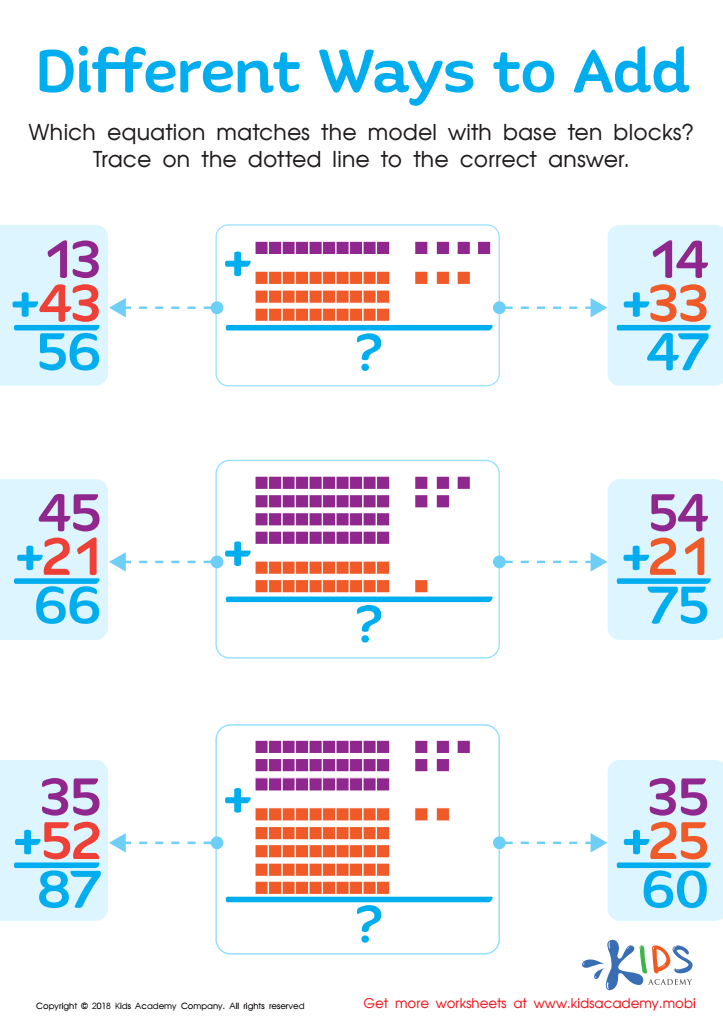
Different Ways to Add Worksheet








Problem-solving abilities in mathematics during the early years, particularly for children aged 5-7, are crucial for several reasons. First, this stage lays the foundation for a child's mathematical understanding and logical thinking. When children engage in problem-solving activities, they learn to approach challenges, analyze situations, and develop strategies to find solutions. These skills are not only vital for success in math but also in everyday situations and other academic subjects.
Moreover, problem-solving fosters critical thinking—a skill increasingly valued in today’s rapidly changing world. As children grapple with math problems, they learn perseverance and resilience, vital attributes as they face complex challenges in the future.
In addition, nurturing problem-solving abilities encourages creativity. Kids learn that multiple strategies may lead to the same answer, opening their minds to various ways of thinking.
Furthermore, strong problem-solving skills correlate with higher academic achievement. Parents and teachers who prioritize these skills can support a child's confidence and enjoyment of learning. Ultimately, focusing on problem-solving in math aids in overall cognitive development, setting the stage for lifelong learning and success in various life paths. Supporting children in this area is an investment in their future.








