Recognition skills Math Worksheets for Ages 5-7
3 filtered results
-
From - To
Enhance early math foundations with our "Recognition Skills Math Worksheets" designed for ages 5-7. These engaging and colorful worksheets help young learners identify numbers, shapes, and patterns, laying the groundwork for future math success. Each activity is created to transform learning into a playful experience, promoting critical thinking and problem-solving. Our carefully crafted worksheets support both classroom and at-home learning, keeping kids excited about math. Parents and teachers will find tools to track progress and provide essential practice for developing fundamental recognition skills. Start your child’s mathematical journey on the right foot with Kids Academy’s expertly developed resources.
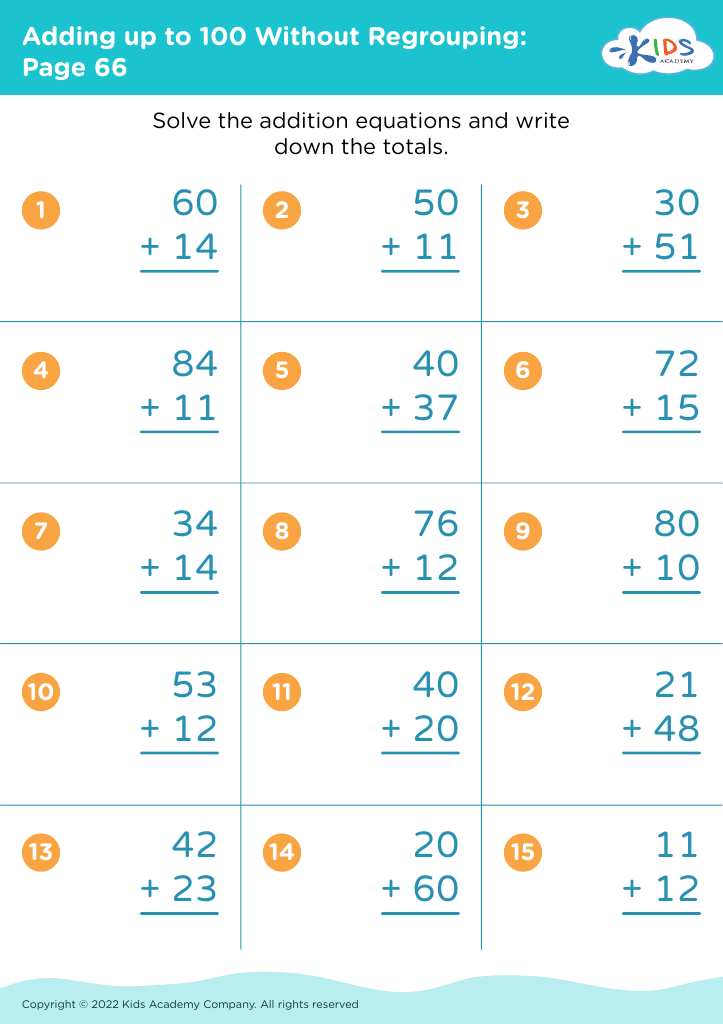
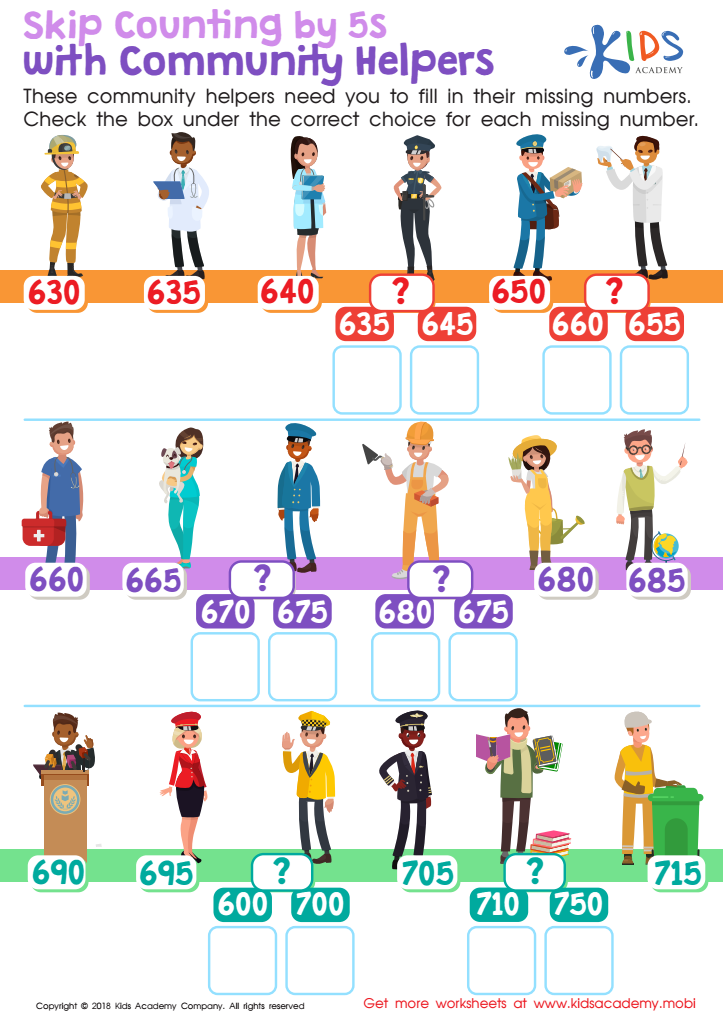
Skip Counting by 5s With Community Helpers Worksheet
 Assign to My Students
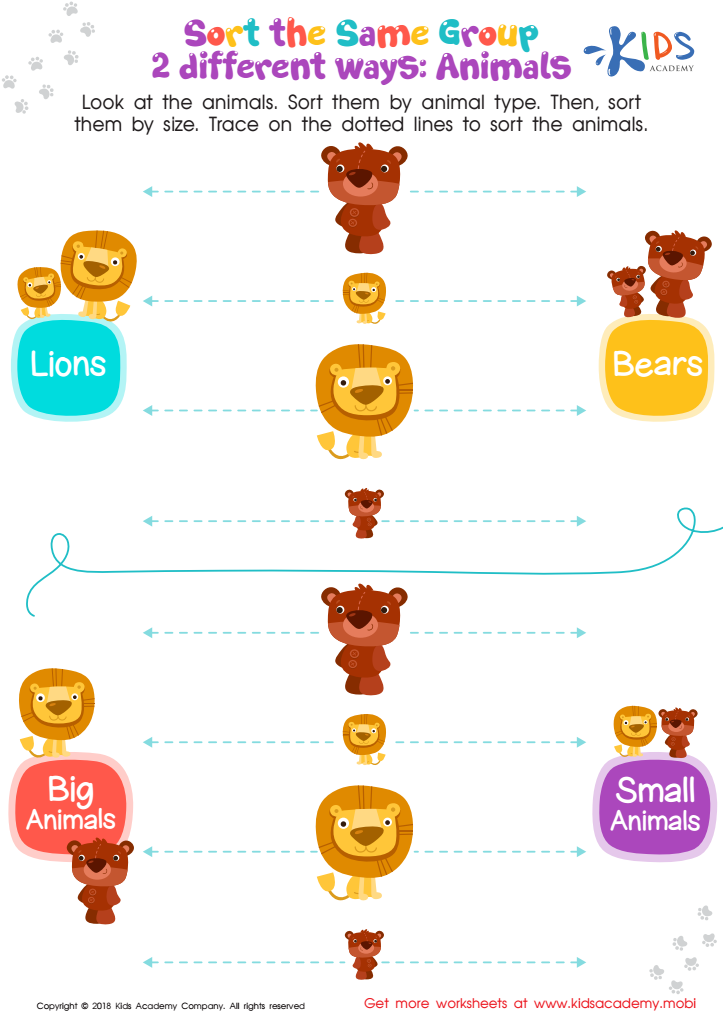
Sort the Same Group 2 Different Ways: Animals Worksheet






Recognition skills in math for children aged 5-7 are foundational for numerous reasons. During these formative years, children's brains are highly receptive and adaptive, making it the optimal time to introduce basic mathematical concepts. Recognition skills involve identifying numbers, understanding quantities, and recognizing patterns, all pivotal for further mathematical learning.
Firstly, early exposure to these skills promotes numerical literacy. This includes recognizing numbers and understanding their value, which is crucial as kids progress to more complex operations like addition and subtraction. Secondly, pattern recognition develops logical thinking and problem-solving abilities. Noticing patterns underpins many areas of math, from understanding sequences to grasping multiplication tables later on.
Furthermore, strong recognition skills instill confidence in young learners. When children can effortlessly identify numbers and patterns, they are more likely to enjoy and succeed in math, reducing potential anxiety around the subject. Early competence in math fosters a positive attitude toward learning, increasing motivation and academic performance across other subjects as well.
Finally, reinforcement at both home and school ensures consistency and a supportive learning environment. Integrating fun, interactive activities like counting games, puzzles, and using everyday objects can make math enjoyable, making children more likely to engage and retain these crucial early concepts.








