Understanding instructions Math Worksheets for Ages 5-7
4 filtered results
-
From - To
Discover our "Understanding Instructions Math Worksheets for Ages 5-7" designed to enhance young learners' comprehension and problem-solving skills. Tailored for early graders, these engaging worksheets help children follow directions accurately while mastering fundamental math concepts. Our activities blend fun with education, presenting challenges like counting, number recognition, and basic arithmetic in clear, easy-to-understand instructions. Perfect for home or classroom use, these resources support cognitive development and build a solid mathematics foundation. Empower your child's learning journey with our interactive and educational math worksheets today!
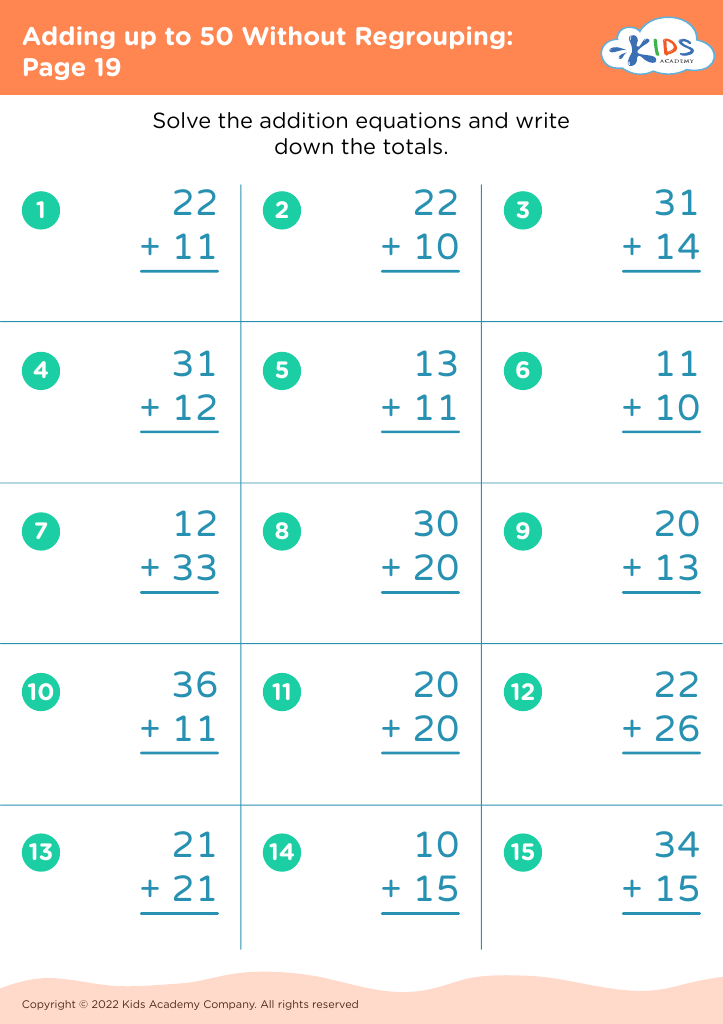
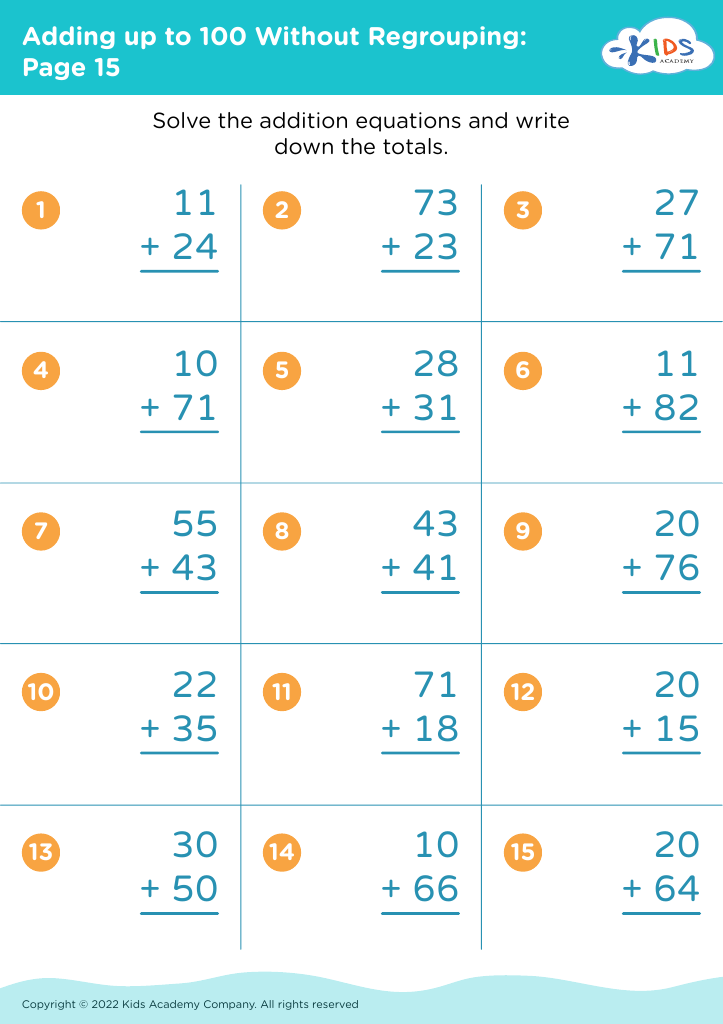
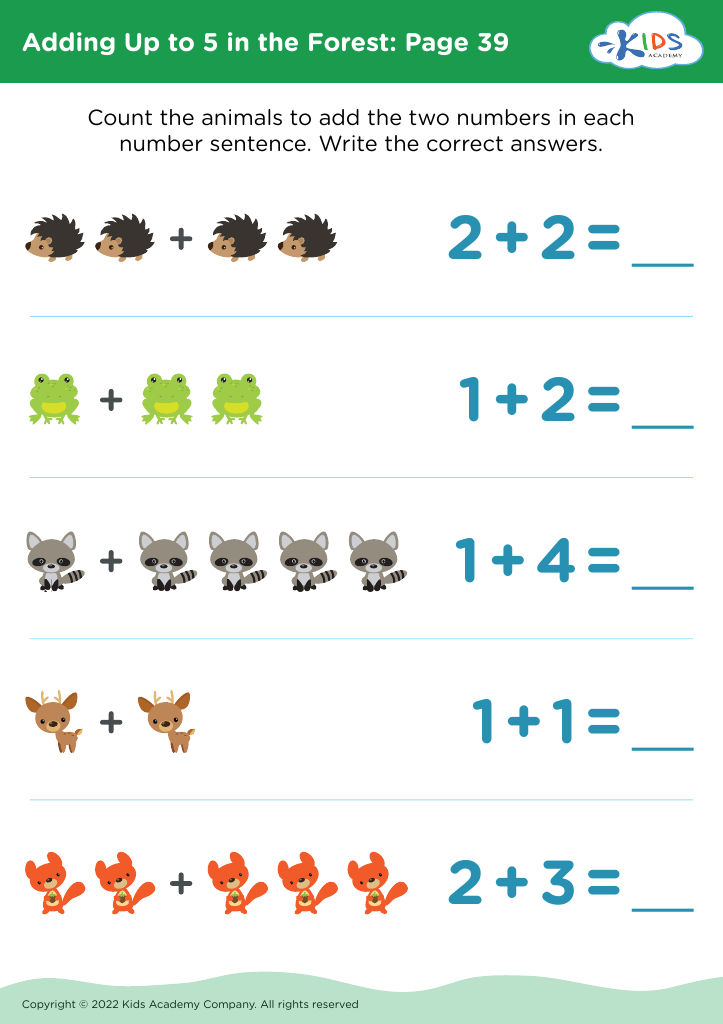
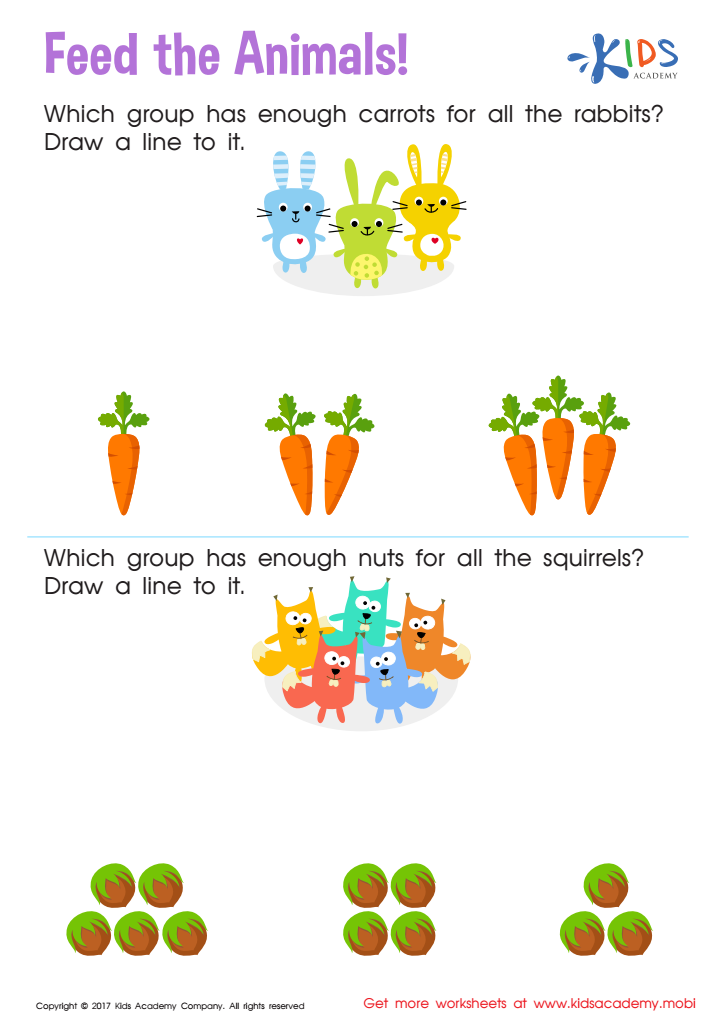
Count and Match: Feed the Animals Worksheet
 Assign to My Students




.jpg)


.jpg)
Understanding instructions in math for children aged 5-7 is essential because it lays the groundwork for their future academic success. At this critical stage, children are developing foundational skills that serve as building blocks for more complex mathematical concepts. When parents and teachers prioritize clear and effective mathematical instructions, they help children build strong problem-solving skills, enhance their logical thinking, and develop confidence in their abilities.
Young learners, when given correct math instructions, become adept at following steps, making connections, and understanding patterns. These skills are not only vital in math but also in everyday life situations, such as making sense of directions, counting objects, or even handling money. Moreover, when children comprehend math instructions well, they experience early success, which boosts their enthusiasm and motivation towards the subject.
Additionally, teachers and parents jointly reinforcing proper educational practices including understanding instructions fosters a supportive learning environment. This collaborative effort ensures consistent, effective learning, bridging the gap between school and home education. Therefore, by focusing on the clarity and accessibility of math instructions for young children, parents and teachers equip them with essential skills, foster a lifelong love for learning, and pave the way for academic and personal achievements later in life.








