Visual representation comprehension Math Worksheets for Ages 5-7
8 filtered results
-
From - To
Enhance your child's math skills with our engaging Visual Representation Comprehension Math Worksheets designed for ages 5-7. These worksheets encourage young learners to interpret and analyze visual information through vibrant graphics and relatable scenarios. By working on these exercises, children will develop their problem-solving abilities and gain confidence in their mathematical understanding. They’ll learn to connect visual cues with mathematical concepts, laying the foundation for advanced skills. Perfect for homeschooling or classroom activities, these worksheets ensure that learning math is not only effective but also fun. Explore our collection now and watch your child thrive in math comprehension!
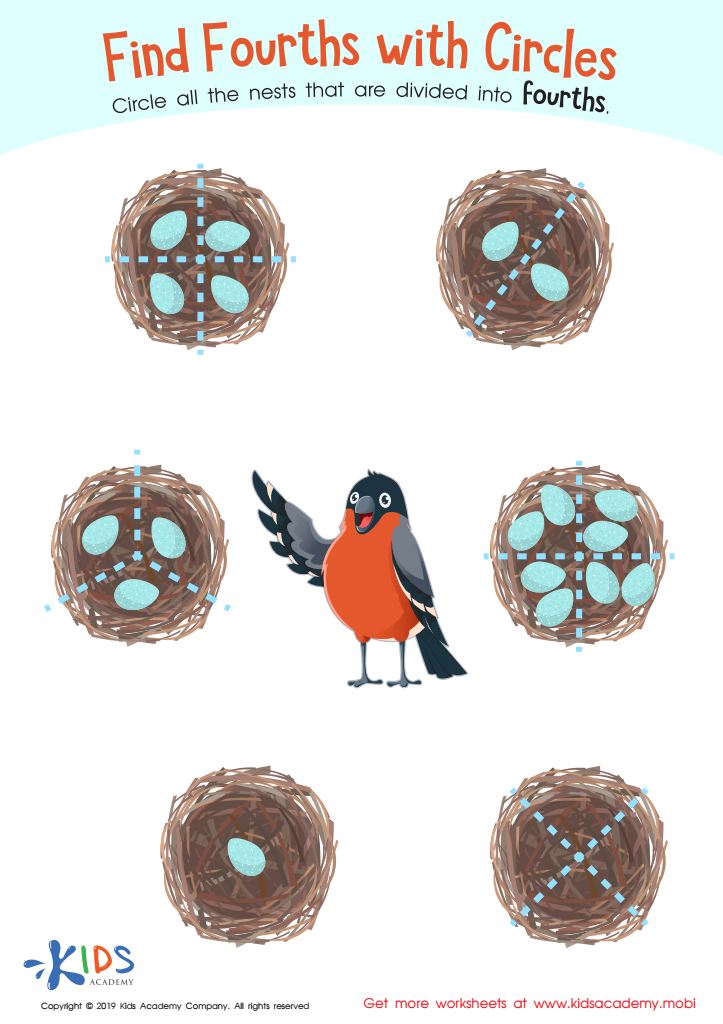
Find Fourths Circles Worksheet
 Assign to My Students
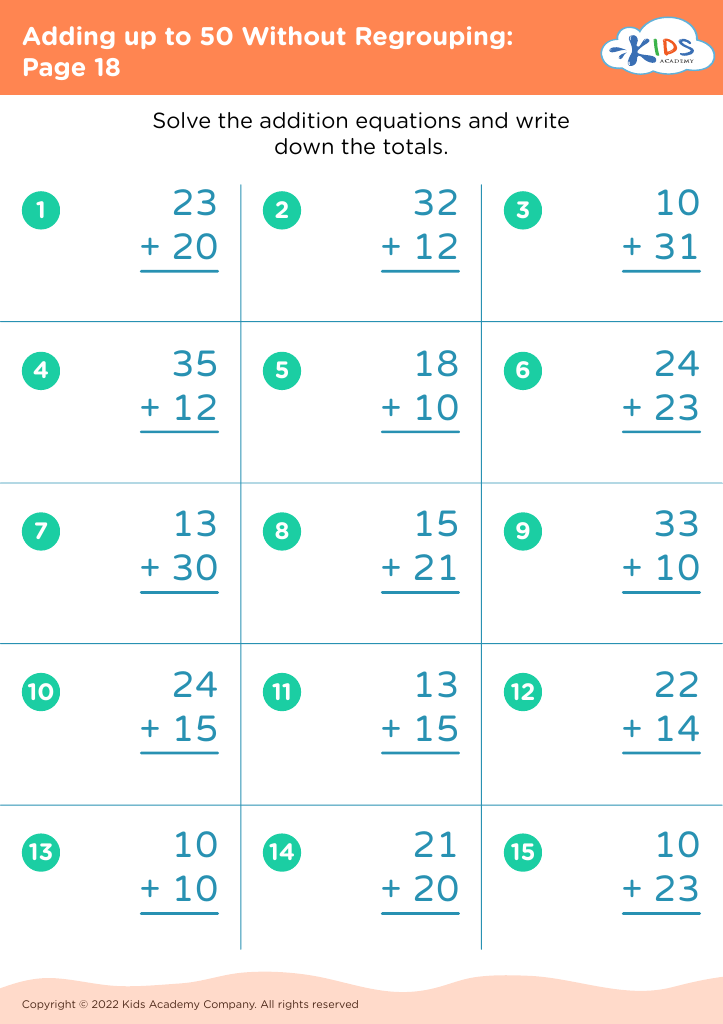
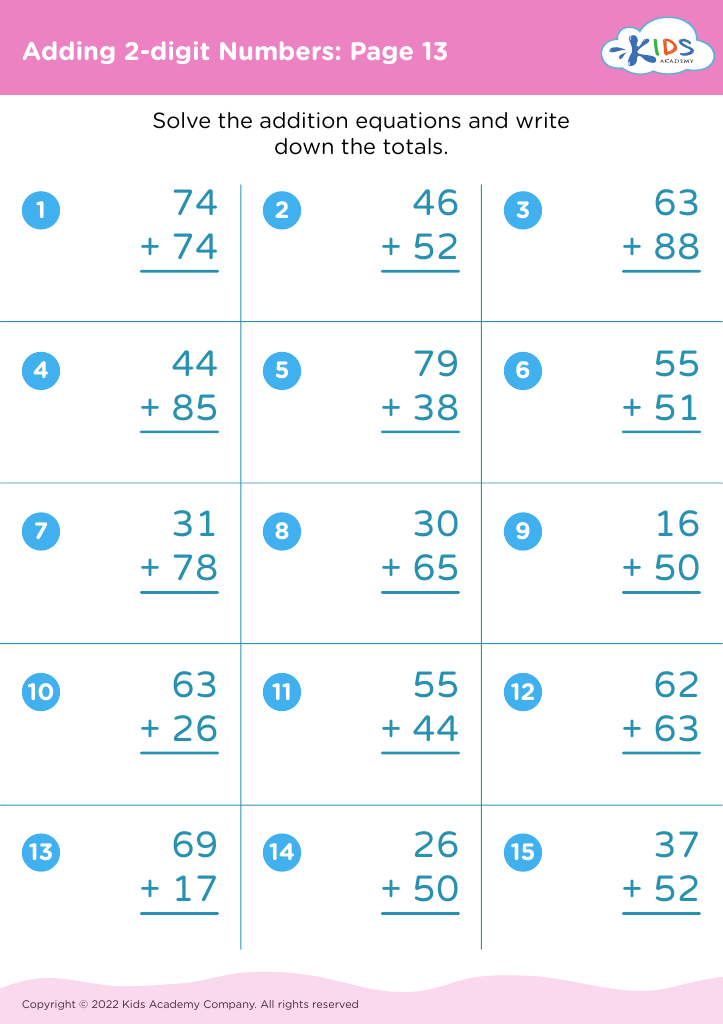
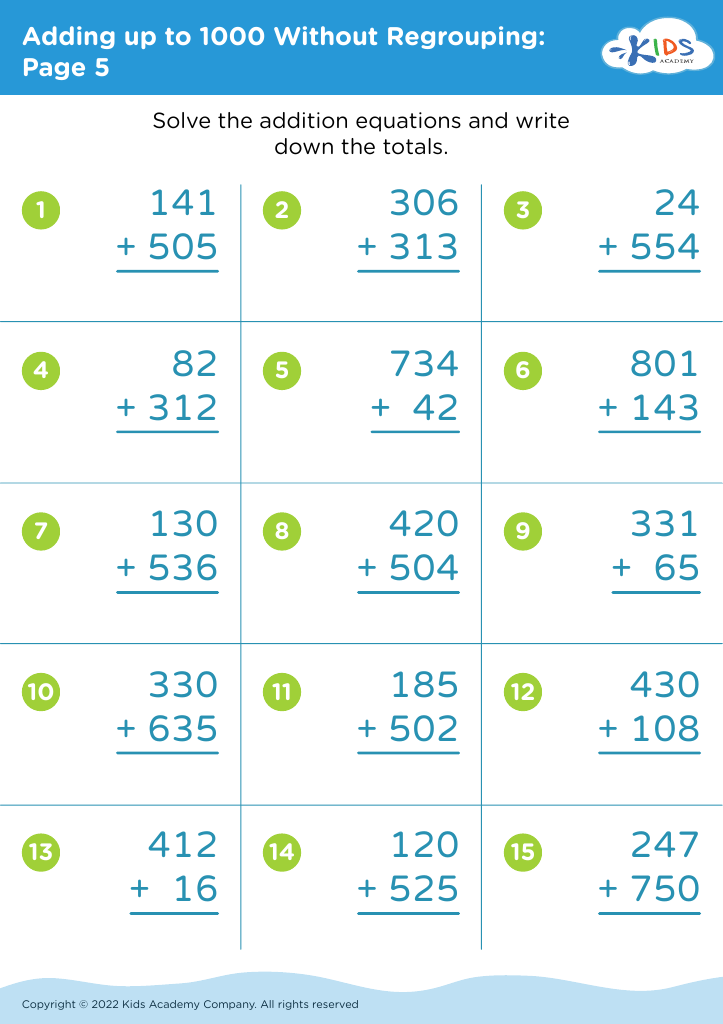
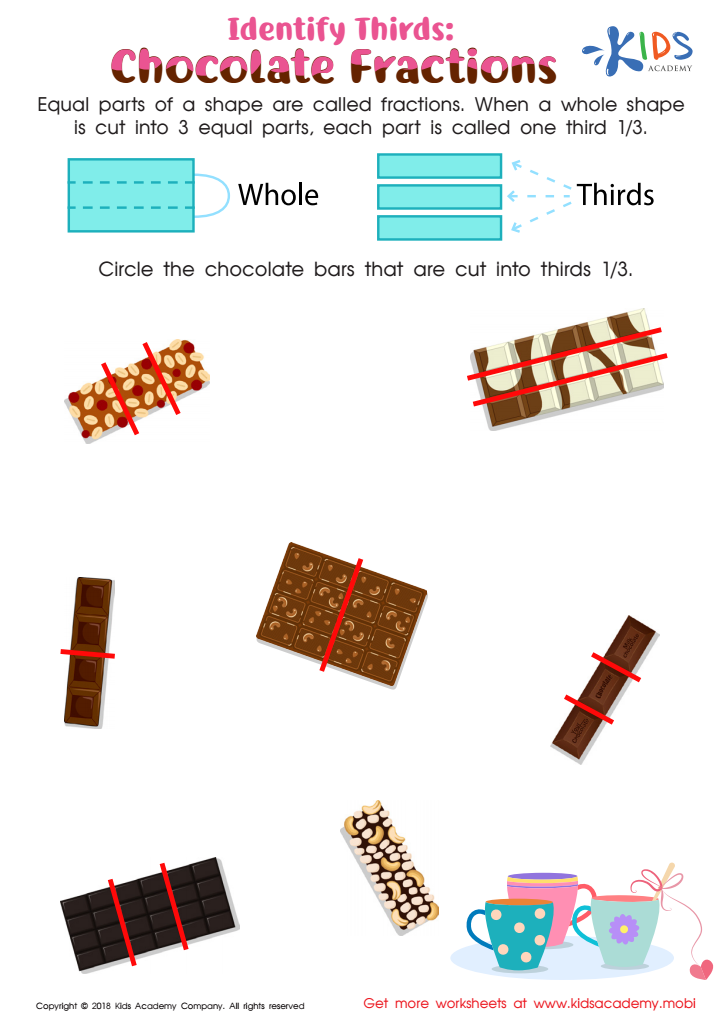
Identify Thirds: Chocolate Fractions Worksheet
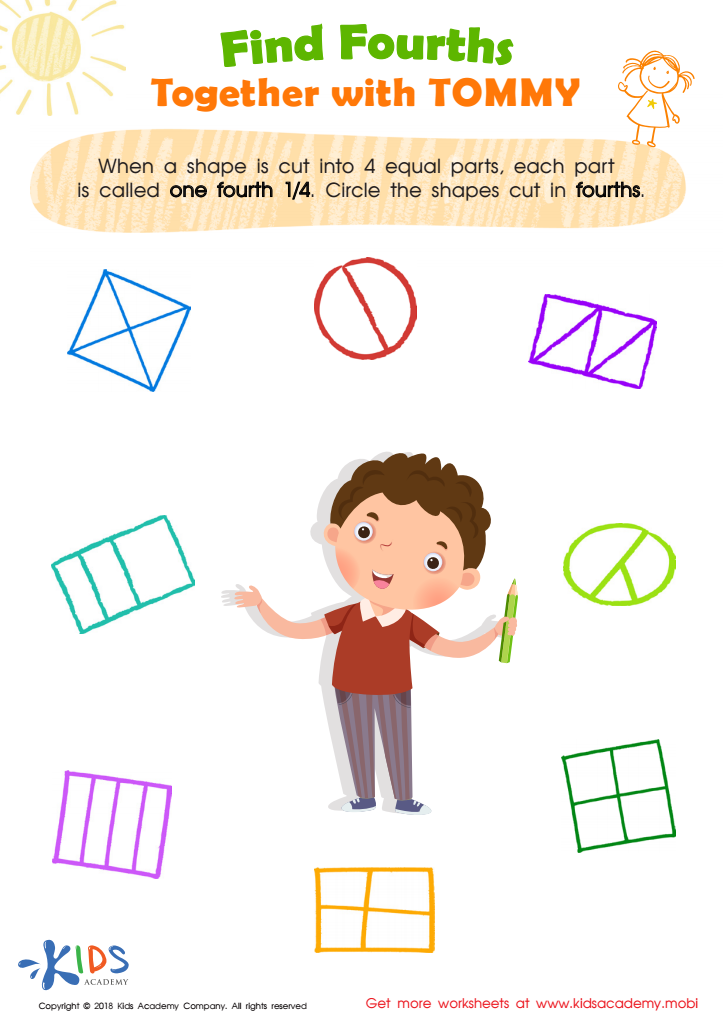
Find Fourths Together with Tommy Worksheet



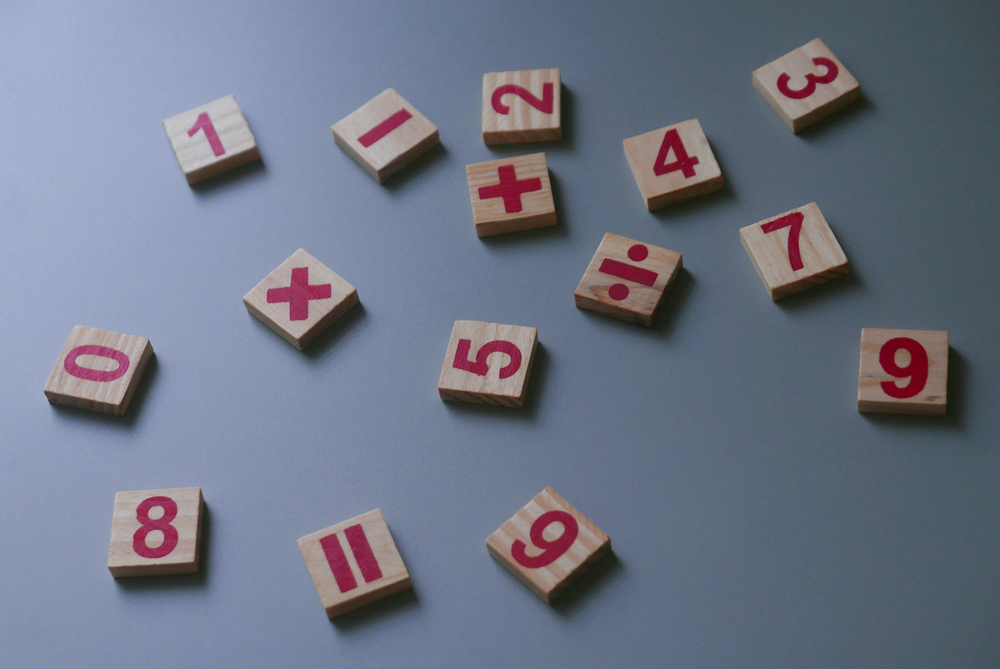




Visual representation comprehension in math is crucial for children aged 5-7 as it lays the foundation for their mathematical understanding and problem-solving skills. At this early stage, children are naturally inquisitive and engage with their surroundings through visual means. Utilizing visual aids, such as charts, diagrams, and manipulatives, helps young learners connect abstract mathematical concepts to tangible forms, making them easier to grasp.
By incorporating visual representations, parents and teachers can foster critical thinking skills and enable students to visualize relationships between numbers and operations. For instance, using pictorial representations for addition and subtraction can help children understand the concepts more deeply, rather than relying solely on rote memorization. This approach enhances their ability to comprehend word problems and develop a mathematical language.
Moreover, visual representation aids in fostering engagement and motivation. When children see math in a visual context, they are more likely to participate actively and develop a positive attitude toward the subject. Ultimately, supporting visual representation comprehension not only boosts early math skills but also encourages a lifelong love for learning, setting a strong foundation for future academic success in mathematics and beyond.








