
Color Identification Matching Worksheets for Ages 5-7
3 filtered results
Difficulty Level
Grade
Age
-
From - To
Subject
Activity
Standards
Our "Color Identification Matching Worksheets" for ages 5-7 are designed to make learning fun and engaging. These expertly crafted worksheets help young learners develop essential color recognition and matching skills through a variety of colorful and interactive activities. Perfect for early grade students, these printable resources blend education and play to foster strong cognitive connections and visual discrimination. With these vibrant worksheets, children will joyfully enhance their understanding of colors, improve concentration, and boost confidence in their learning abilities. Ideal for both classroom and home use, they ensure a strong foundation in recognizing and matching colors.
Favorites
With answer key
Interactive
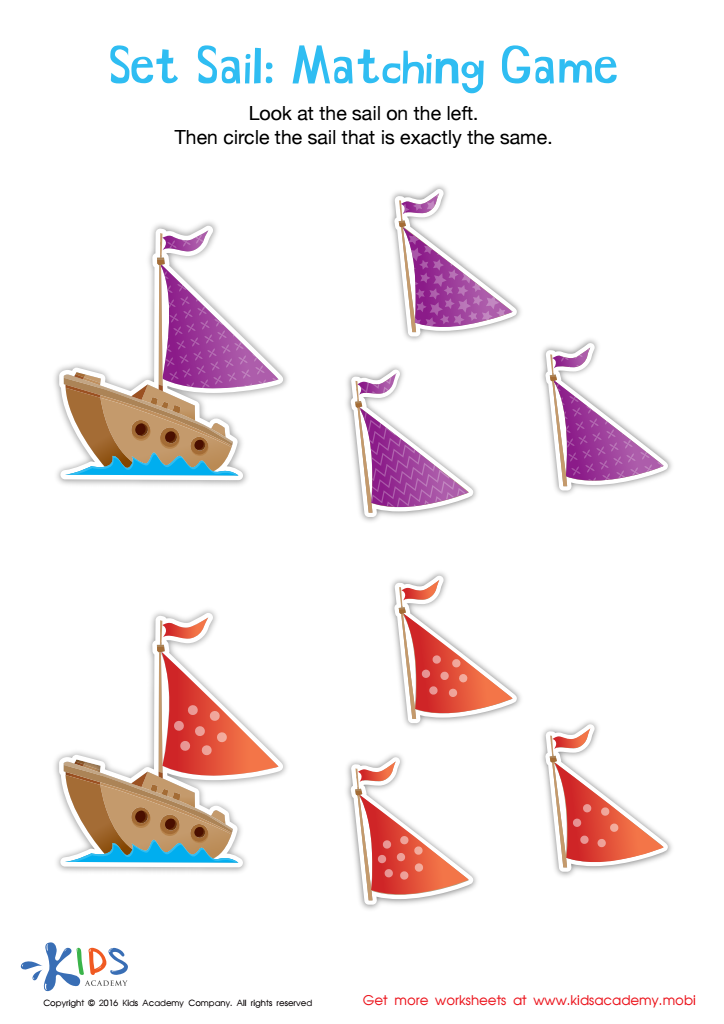
Set Sail Worksheet
Set sail with this fun matching game for toddlers! Kids will love finding the same pattern on the sails, improving their problem-solving and counting skills. Enjoy this bright and engaging worksheet!
 Assign to My Students
Set Sail Worksheet
Worksheet
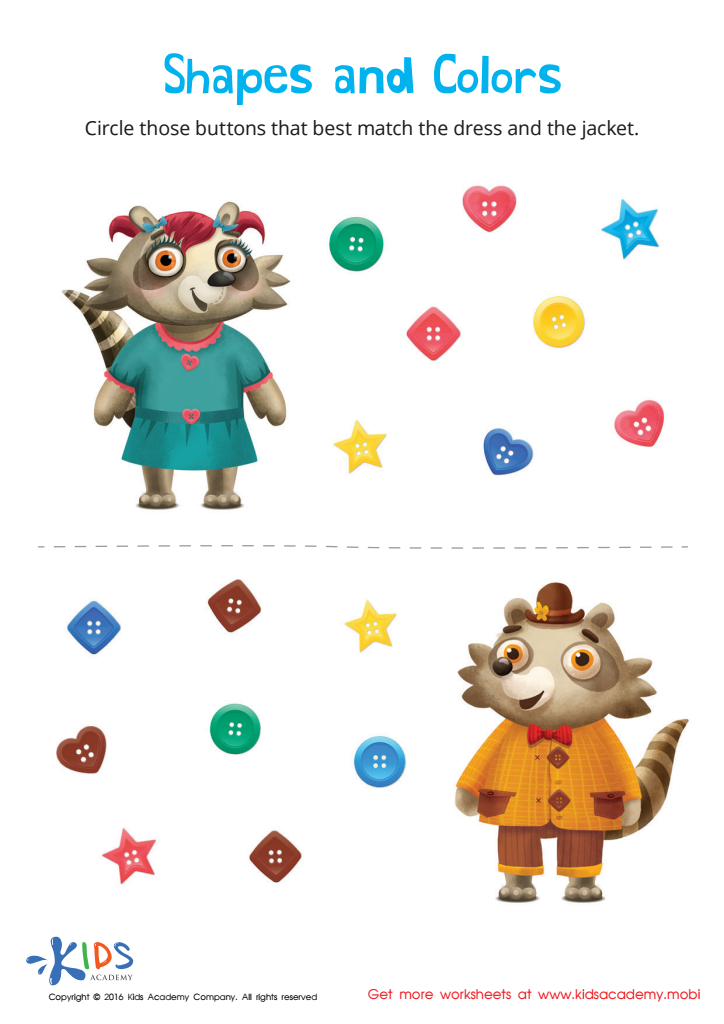
Matching: Shapes and Colors Worksheet
Help Mr. and Mrs. Raccoon find the right buttons to match their shirts! Kids will identify shapes and colors and learn to match them correctly.
Matching: Shapes and Colors Worksheet
Worksheet
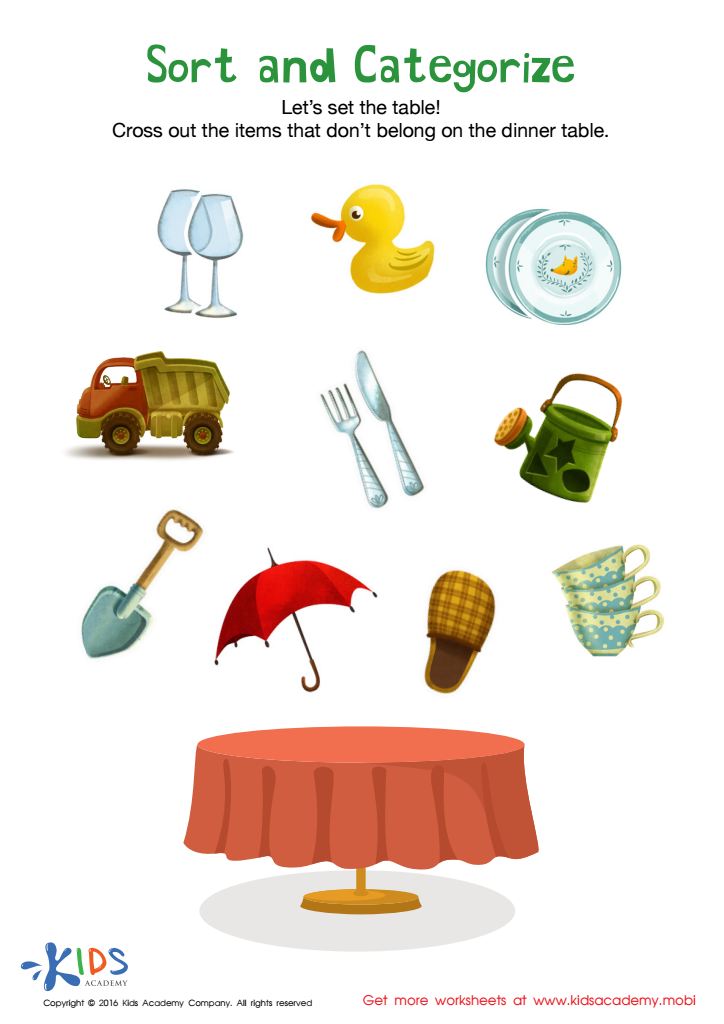
Join Kids Academy for Free
Who is primarily going to use this learning content?






Color identification and matching are foundational skills for children aged 5-7, crucial for their cognitive and emotional development. These activities help in recognizing and distinguishing different colors, a basic visual perception skill that underlies many aspects of learning.
For starters, learning colors enhances language development. When children name, identify, and match colors, they are broadening their vocabulary and descriptive abilities. This enhanced linguistic capacity aids in reading comprehension and effective communication.
Color activities also foster cognitive skills such as sorting, categorizing, and memory. When kids match colors, they practice logical reasoning and improve their concentration—key skills for academic progress. Furthermore, understanding colors catalyzes mathematical concept comprehension like pattern recognition, geometry, and problem-solving abilities.
On a creative level, color identification boosts children's artistic expression, imagination, and emotional intelligence. Recognizing colors contributes to their ability to convey feelings and understand art, broadening their creative potential.
Socially and behaviorally, engaging in color-matching activities often involves teamwork and shared activities, encouraging social interaction and cooperative play. This assists in developing interpersonal skills and empathy.
Ultimately, investing in color identification and matching sets a strong foundation, enabling children to excel academically, socially, and creatively. Both parents and teachers should nurture these skills to support holistic child development.








