Fine Motor Skills Numbers 0–10 Worksheets for Ages 5-7 - Page 2
48 filtered results
-
From - To

Eight Geese Worksheet
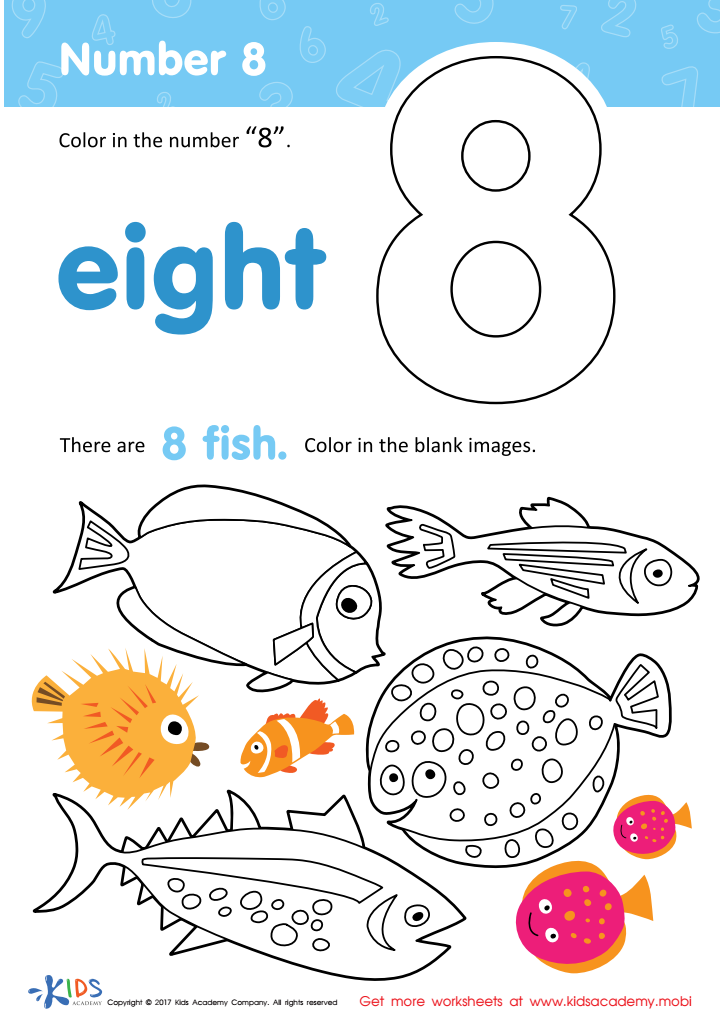
Number 8 Printable
 Assign to My Students
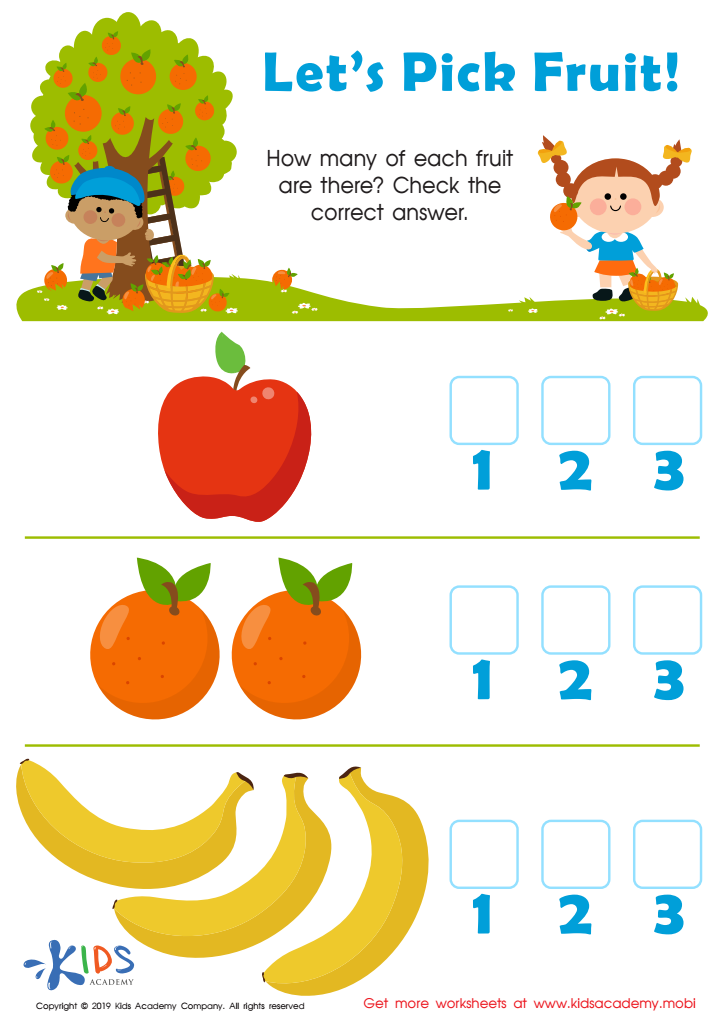
Let's Pick Fruit Worksheet
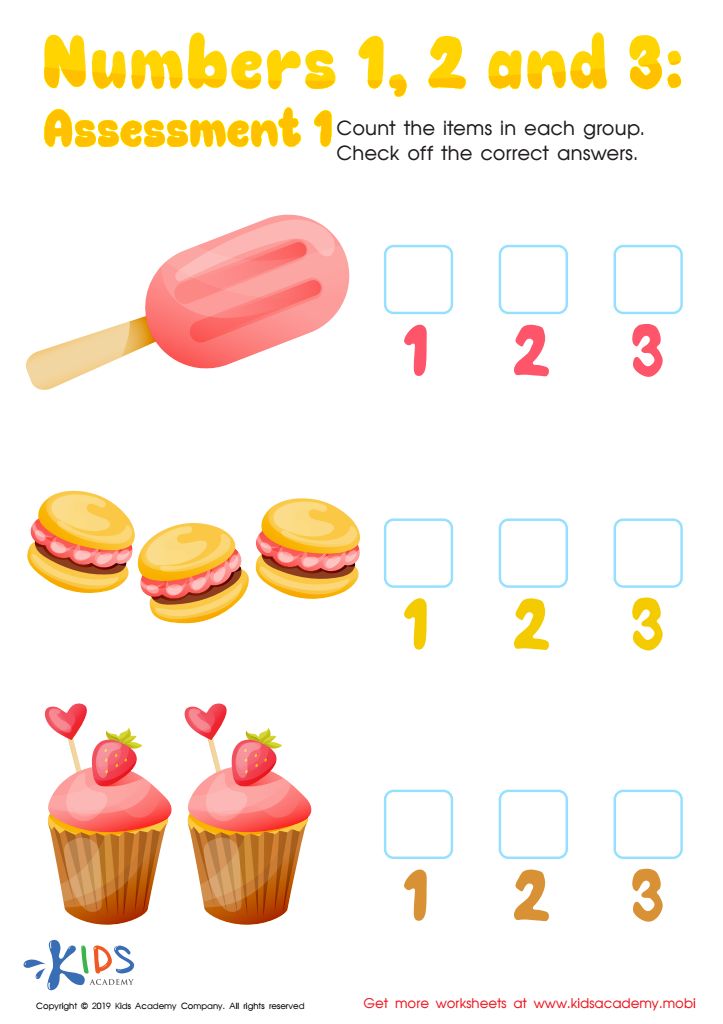
Numbers 1, 2 and 3: Assessment 1 Worksheet

Underwater Adventure Worksheet
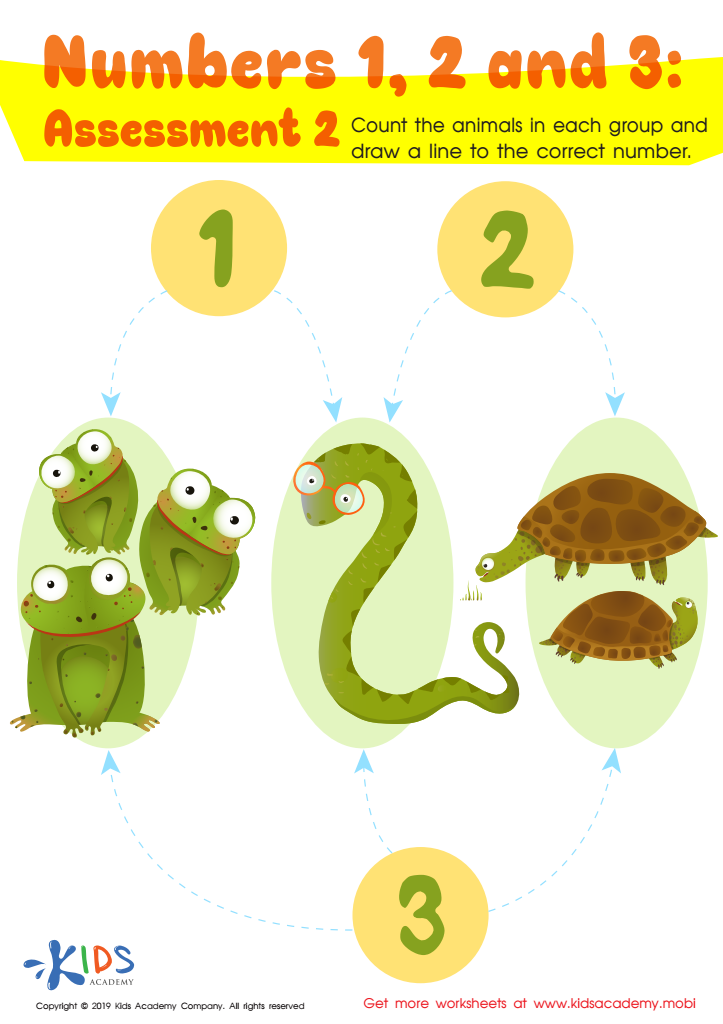
Numbers 1, 2 and 3: Assessment 2 Worksheet
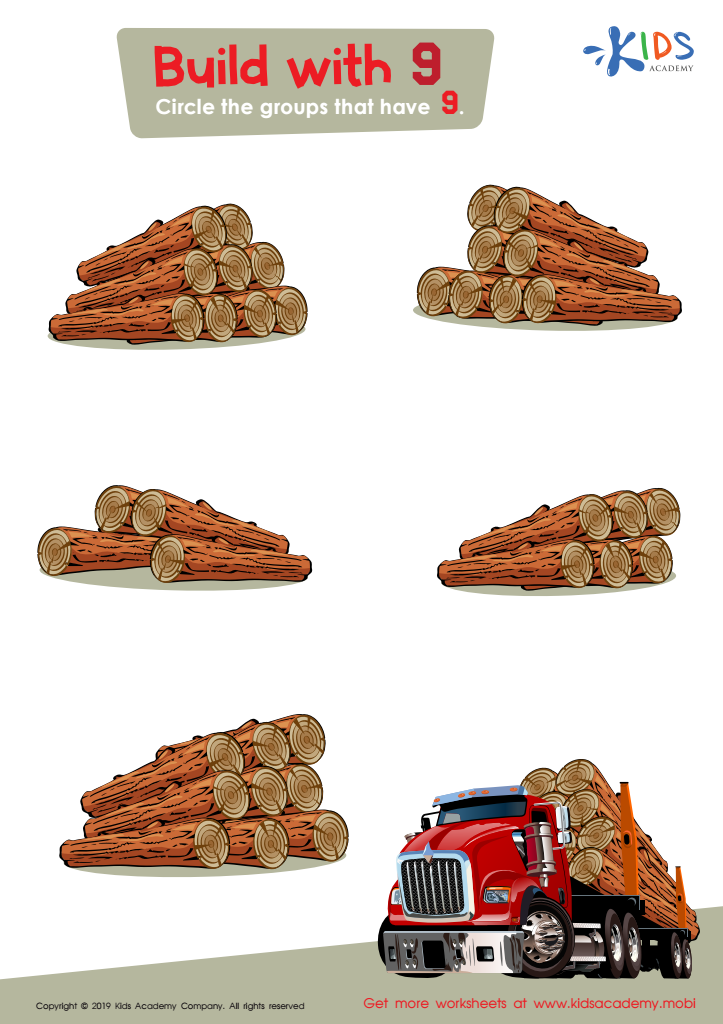
Build with 9 Worksheet
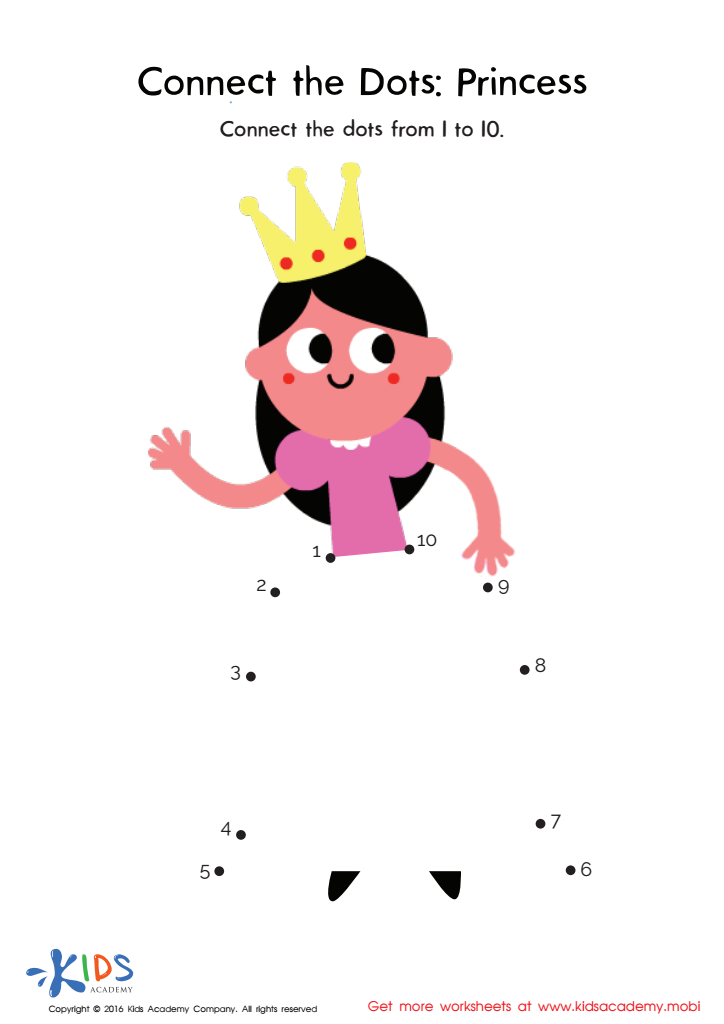
Princess Connect Dots Worksheet
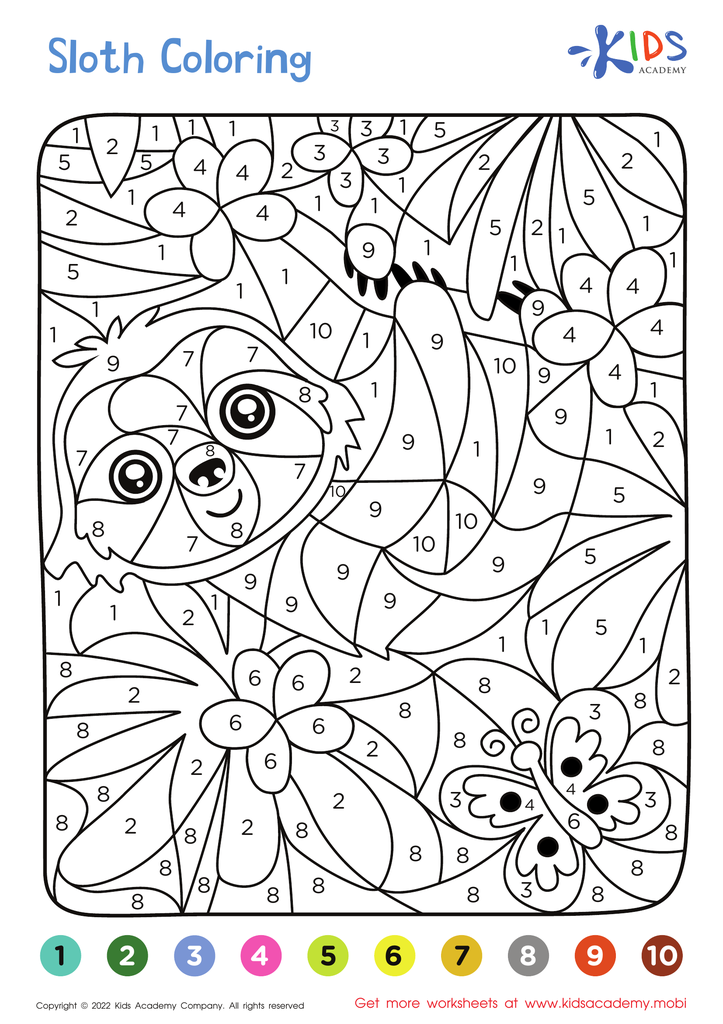
Sloth – Coloring by Numbers

Count the Cucumbers and Trace the Number 8 Printable
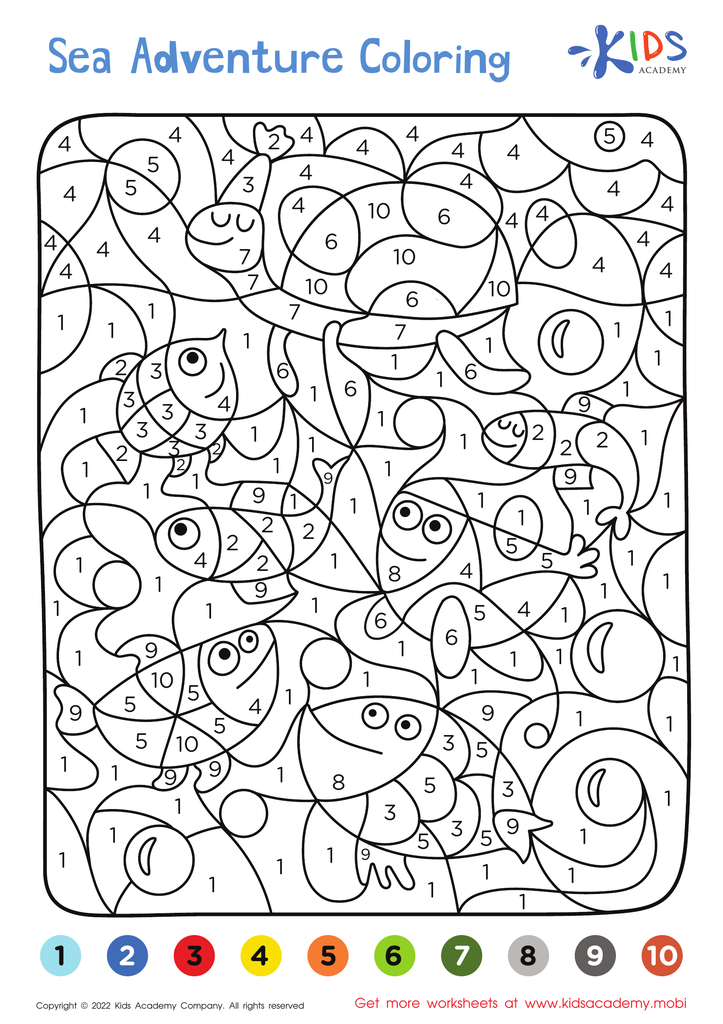
Sea Adventure – Coloring by Numbers
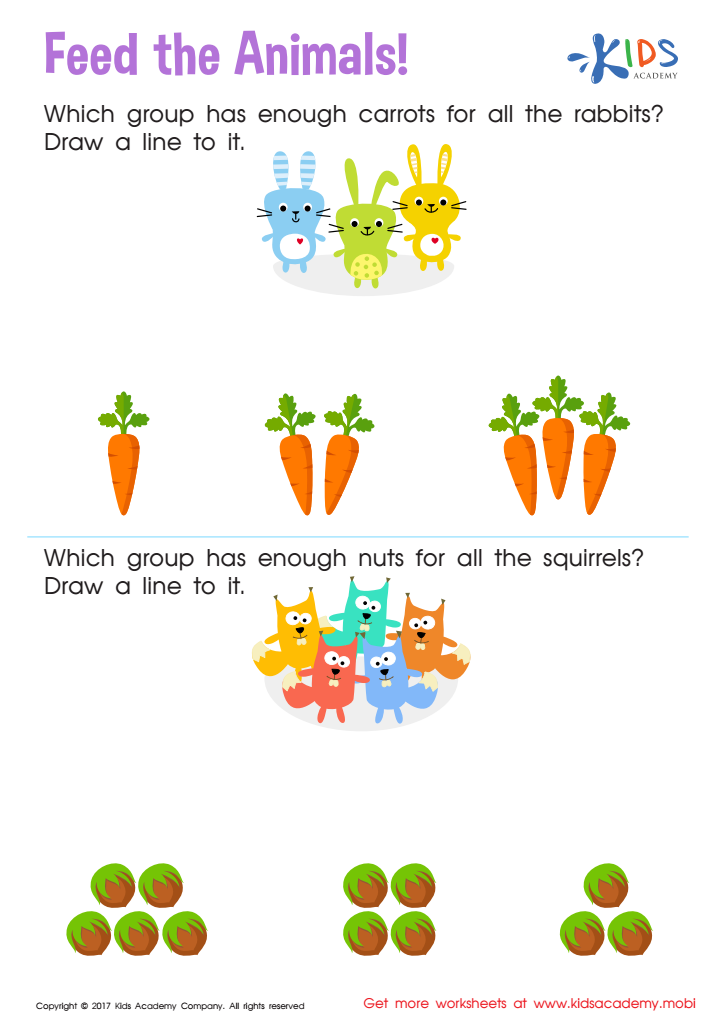
Count and Match: Feed the Animals Worksheet
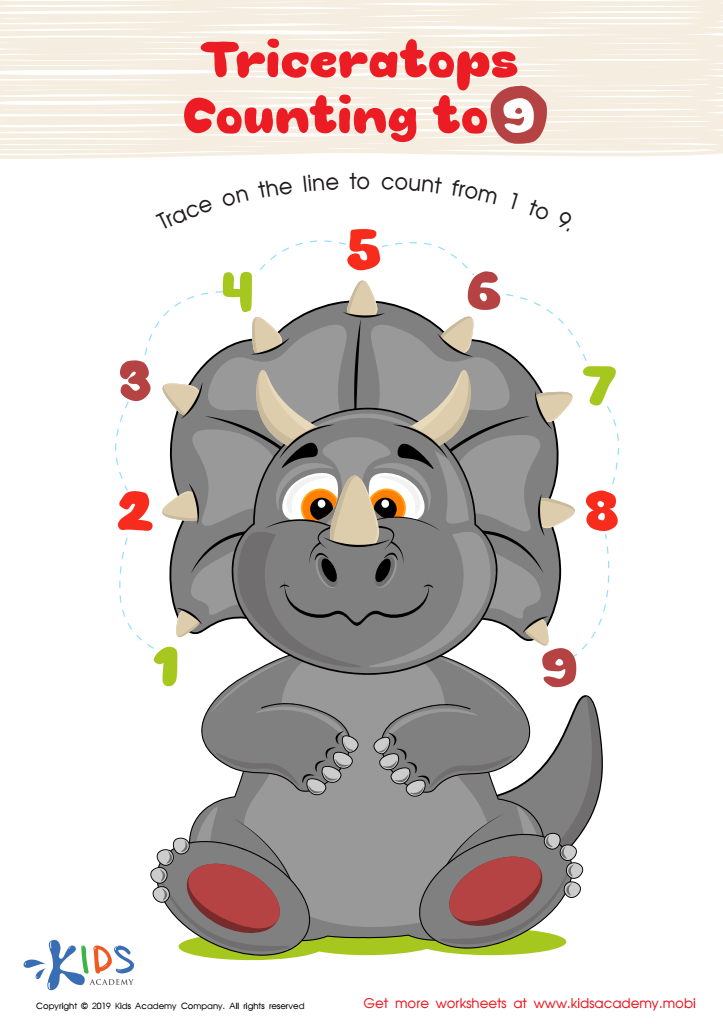
Triceratops Counting to 9 Worksheet
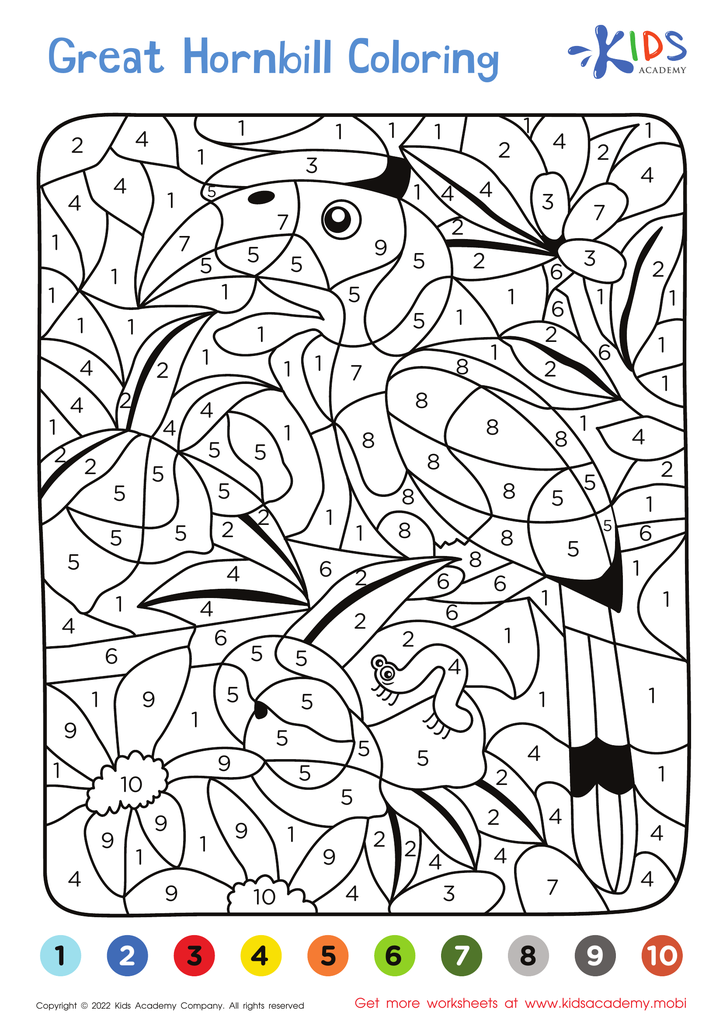
Great Hornbill – Coloring by Numbers
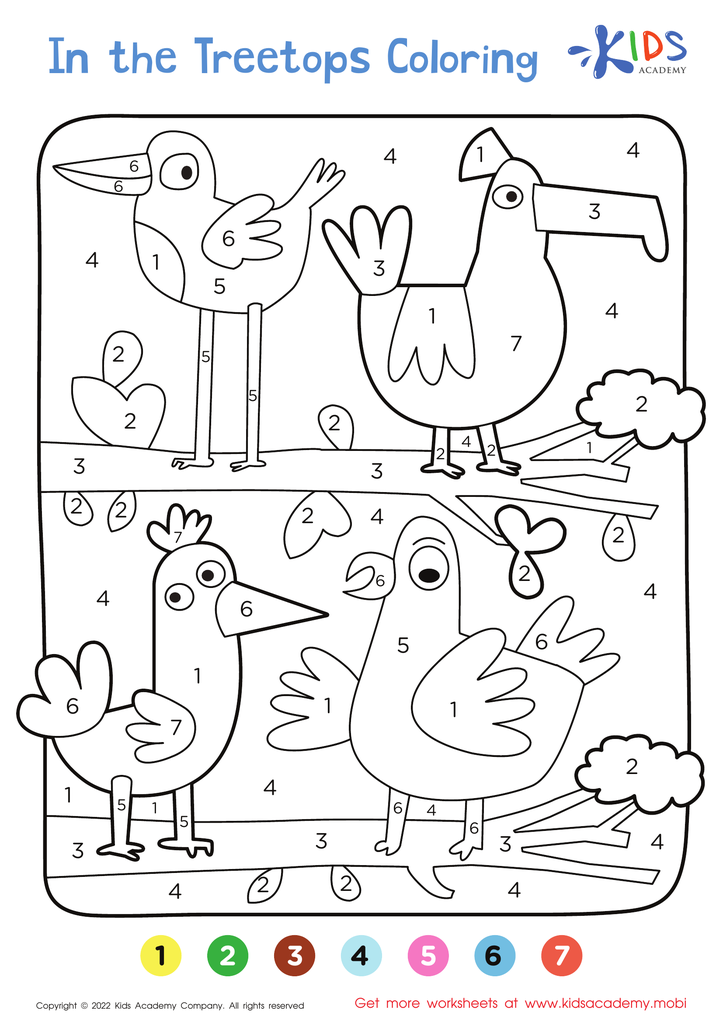
In the Treetops – Coloring Page

Twinkle, Twinkle, Little Star – Coloring by Numbers
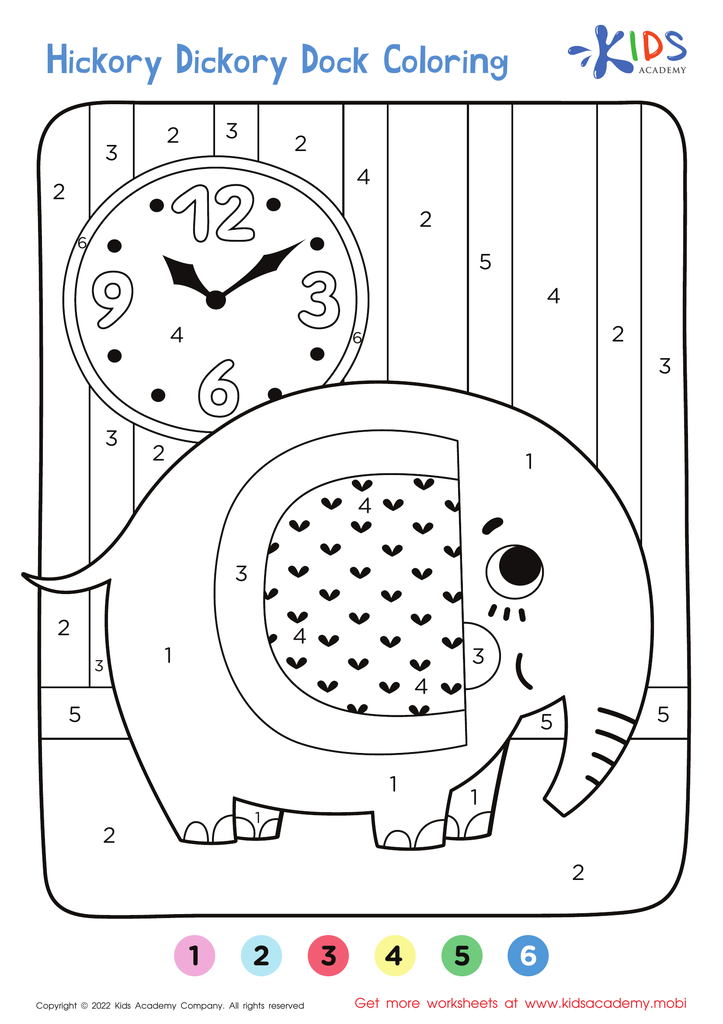
Hickory Dickory Dock – Coloring by Numbers
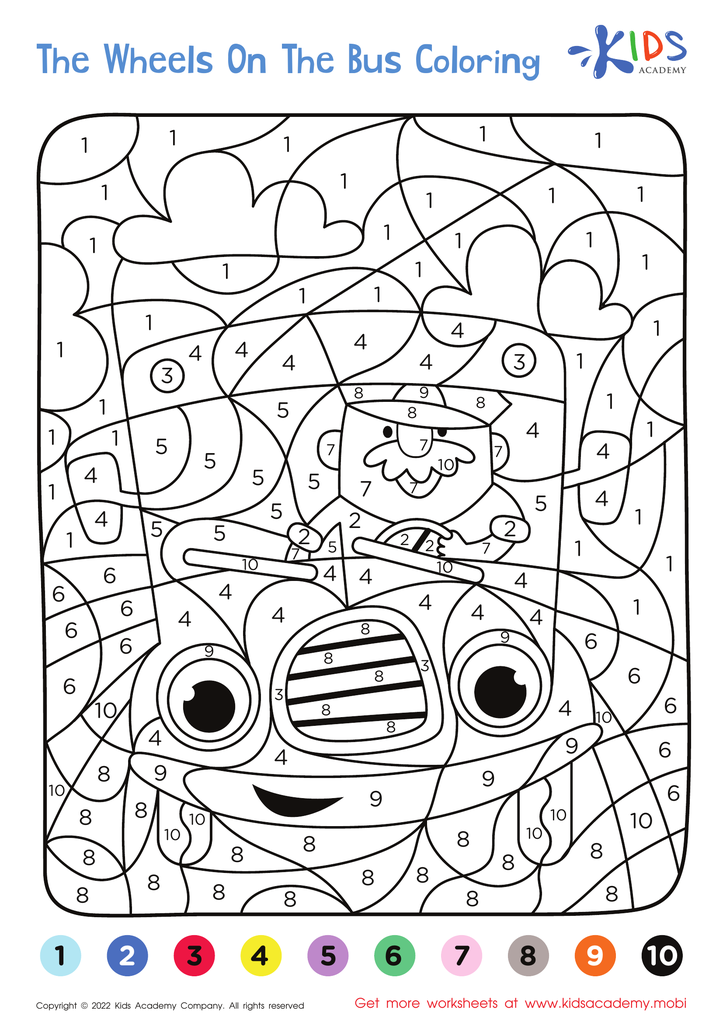
Wheels on the Bus – Coloring by Numbers

Night Sky Numbers Worksheet
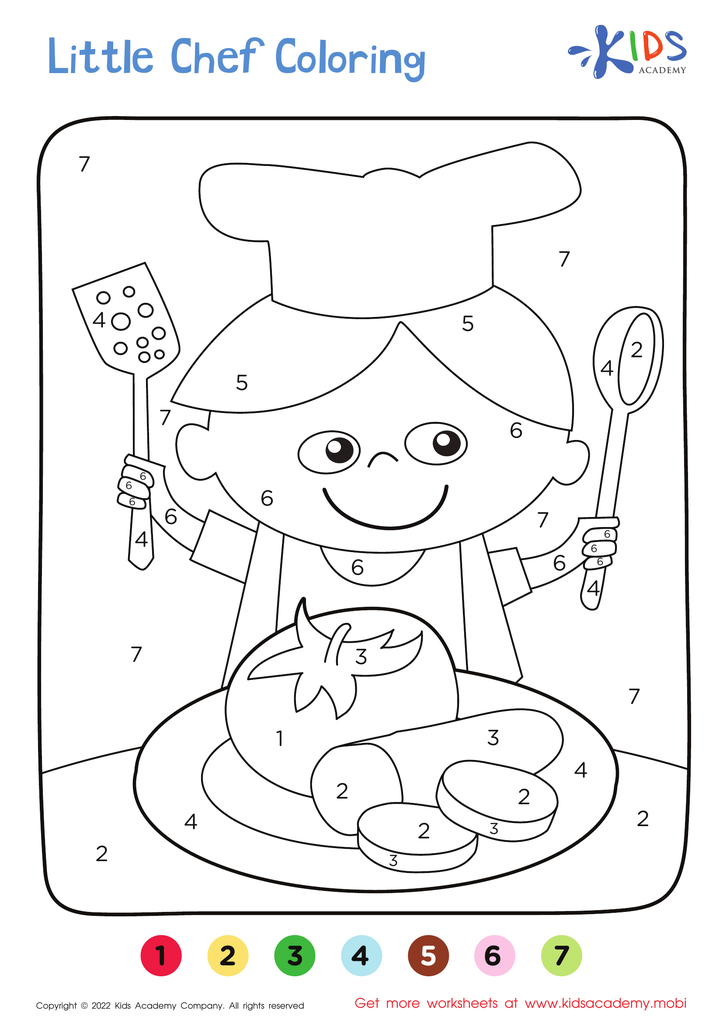
Little Chef – Coloring by Numbers
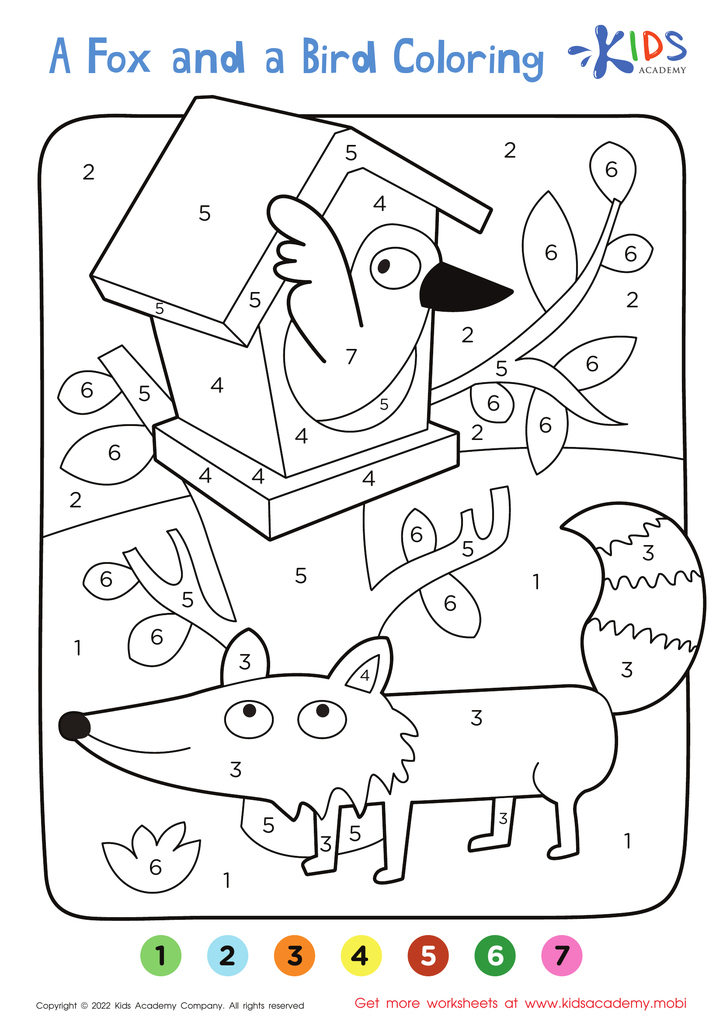
A Fox and a Bird – Coloring by Numbers
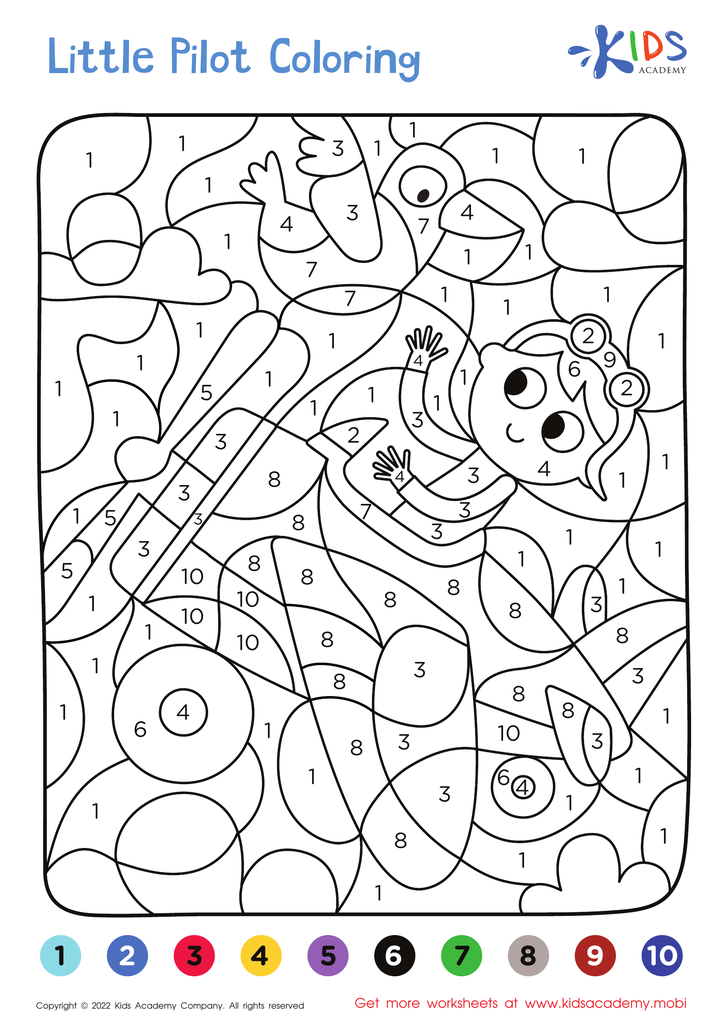
Little Pilot – Coloring by Numbers
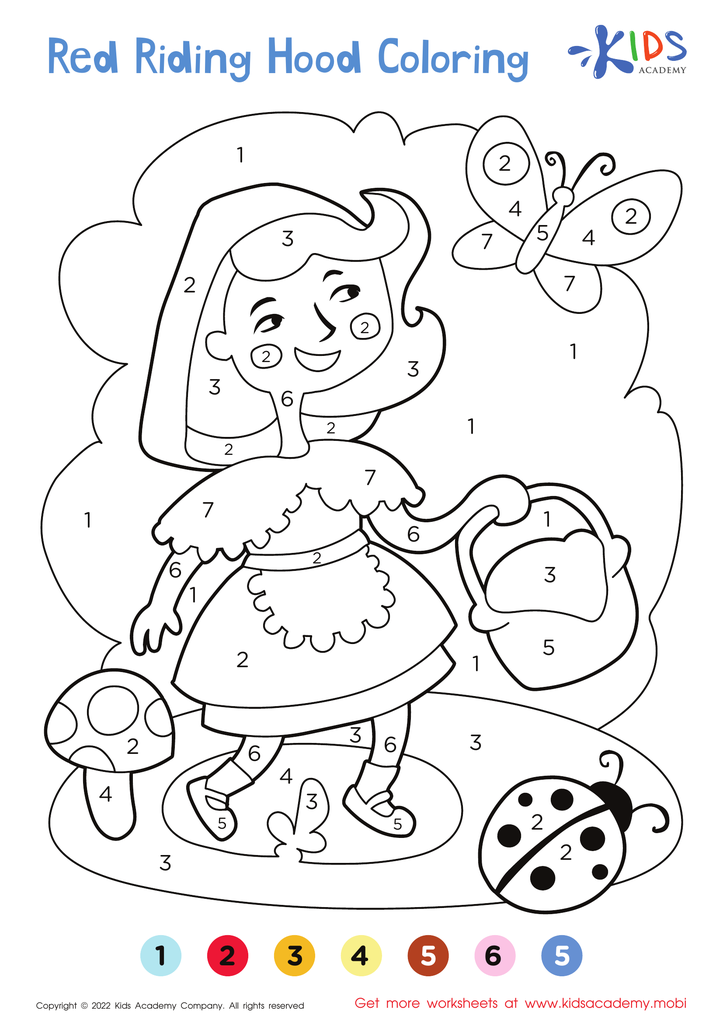
Little Red Riding Hood – Coloring by Numbers
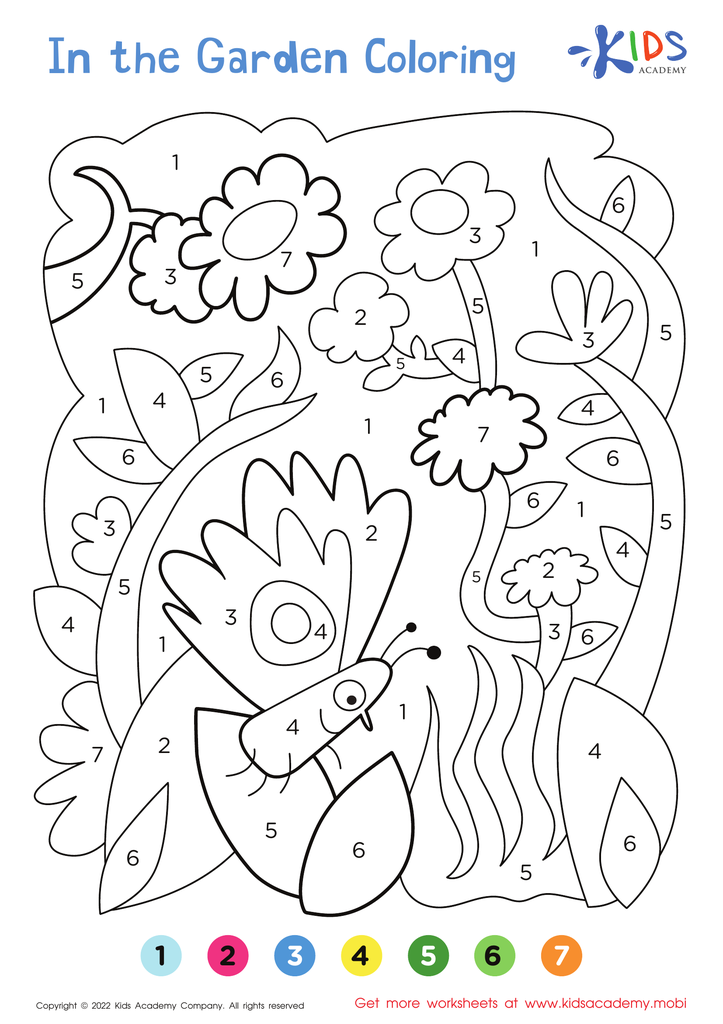
In the Garden – Coloring by Numbers








Fine motor skills are the small muscle movements in the fingers, hands, and wrists that enable a child to perform tasks such as writing, cutting, and buttoning a shirt. For children aged 5–7, developing fine motor skills, especially through activities involving numbers 0–10, is crucial for multiple reasons.
First, learning to form numbers helps children grasp the numeric concepts, laying a foundational understanding of mathematics essential for future academic success. Practicing writing numbers improves hand-eye coordination and paves the way for clearer, more legible handwriting, benefiting all areas of a child's education.
Second, activities focused on tracing, coloring, or manipulating objects to represent numbers engage and strengthen these muscles, promoting better control and dexterity. As children develop proficiency, they gain confidence in their abilities, instilling a sense of accomplishment and encouraging a positive attitude towards learning.
Moreover, these skills are significant for daily tasks and self-help activities, fostering independence. Parents and teachers who actively support the development of fine motor skills in early grades not only contribute to academic readiness but also to a child's overall self-sufficiency. The benefits of nurturing these skills are far-reaching, influencing cognitive growth, physical confidence, and emotional well-being. Therefore, investing time in fine motor activities, particularly with a focus on numbers, yields comprehensive developmental advantages for young children.








