Categorization skills Sorting Worksheets for Ages 5-7
5 filtered results
-
From - To
Discover our engaging Categorization Skills Sorting Worksheets designed specifically for children aged 5-7! These worksheets provide a fun and interactive way for young learners to develop essential sorting skills. By categorizing objects based on size, shape, color, and other attributes, children enhance their critical thinking and observational abilities. Our resources align with early learning standards, making them perfect for home or classroom use. Each worksheet features colorful graphics and age-appropriate activities that keep kids motivated. Help your child build a strong foundation in categorization with these exciting, educational tools that cultivate their analytical thinking while having fun!
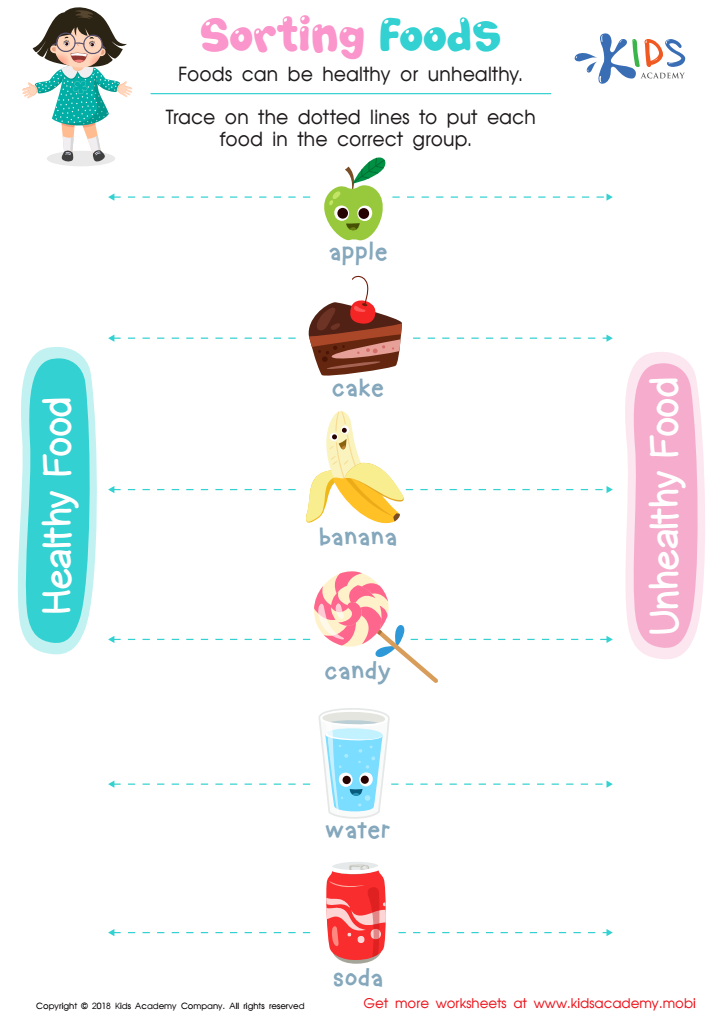
Sorting Food Worksheet
 Assign to My Students
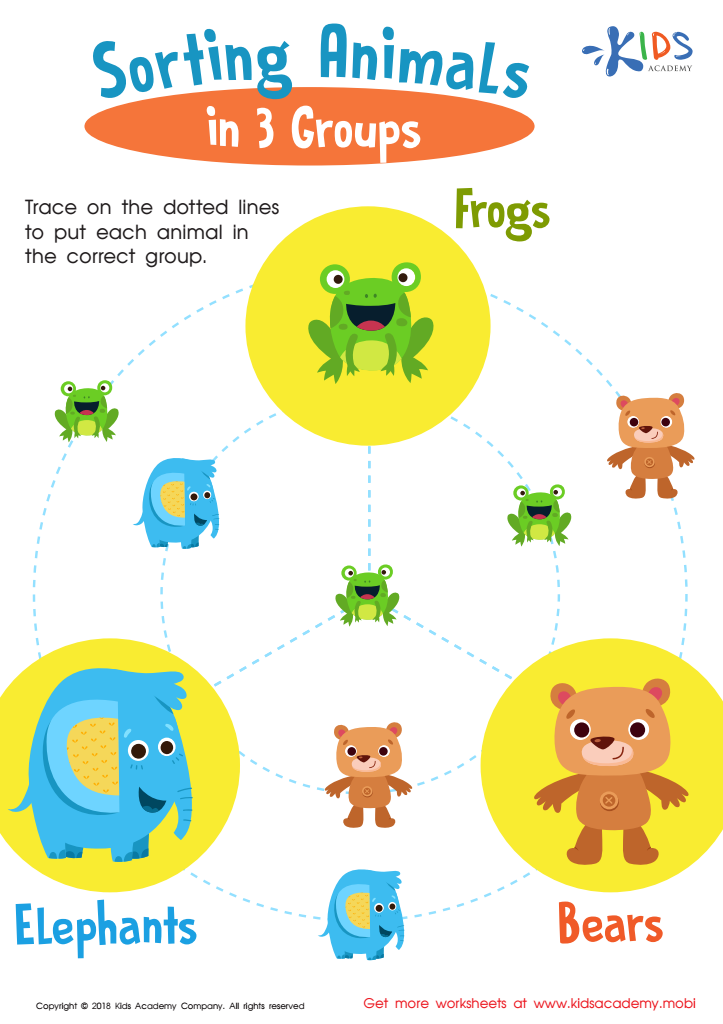
Sorting Animals in 3 Groups Worksheet
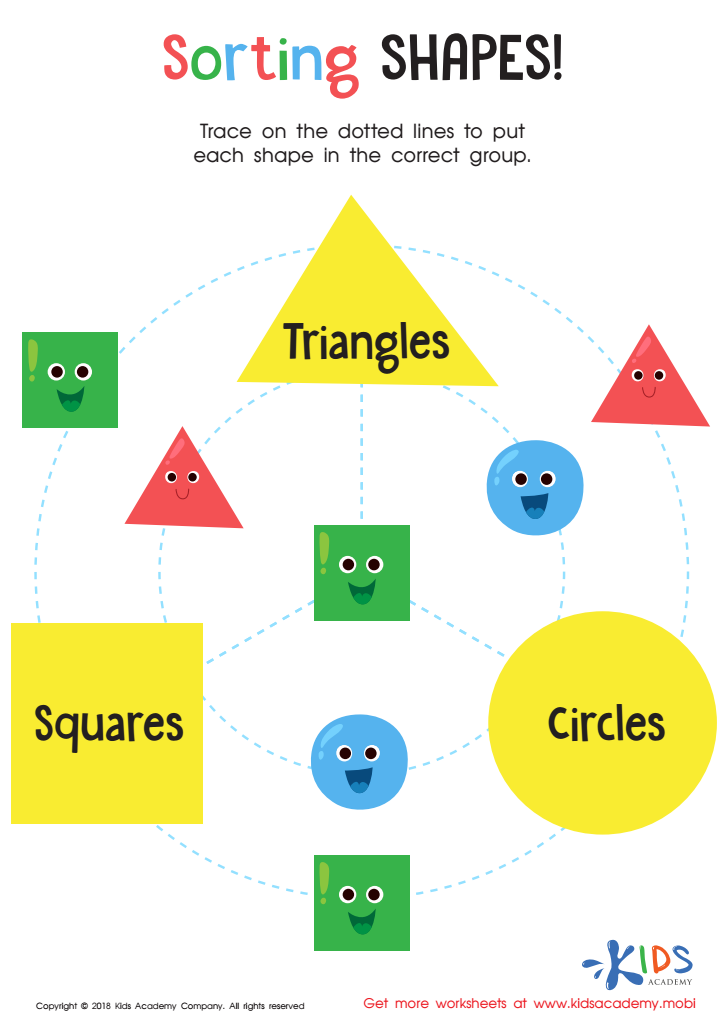
Sorting Shapes - Part 3 Worksheet
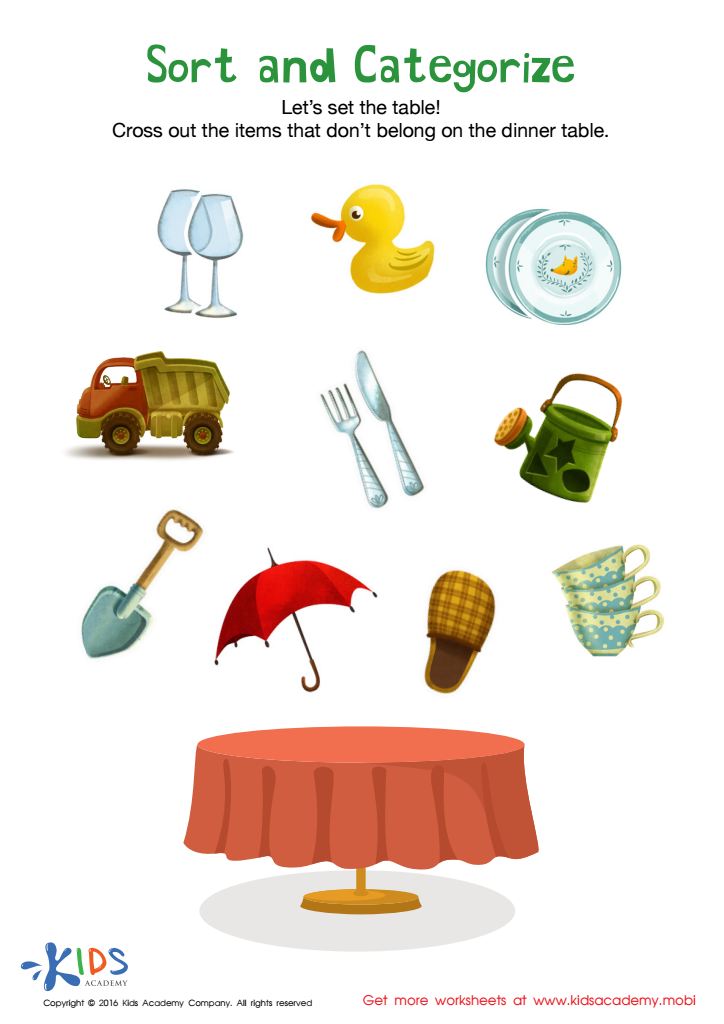
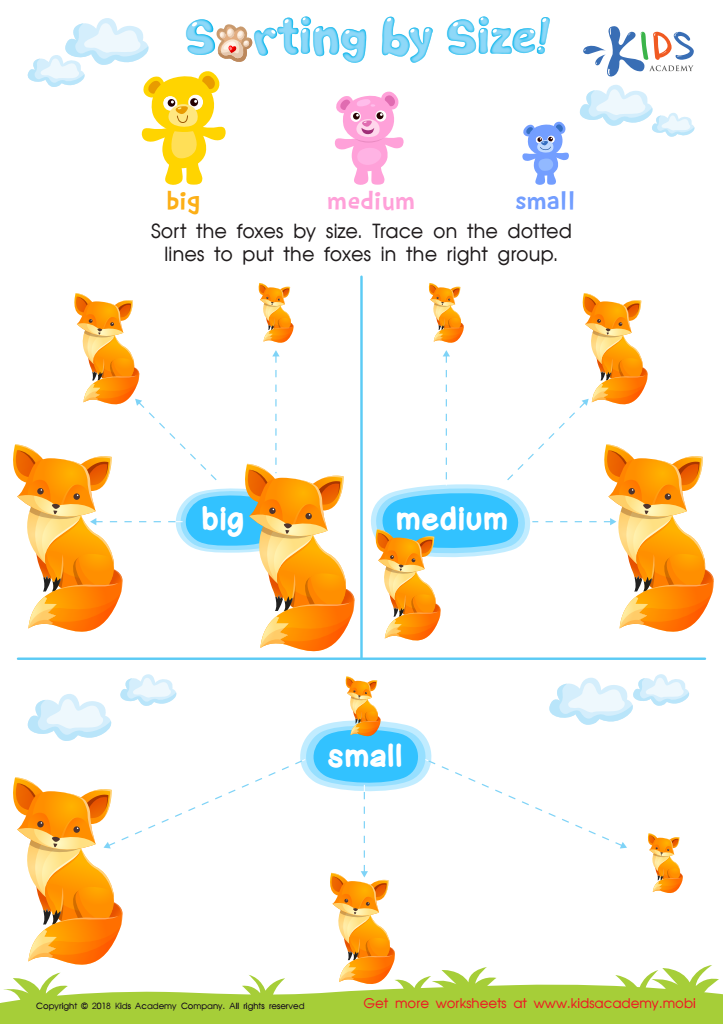
Sorting by Size Worksheet






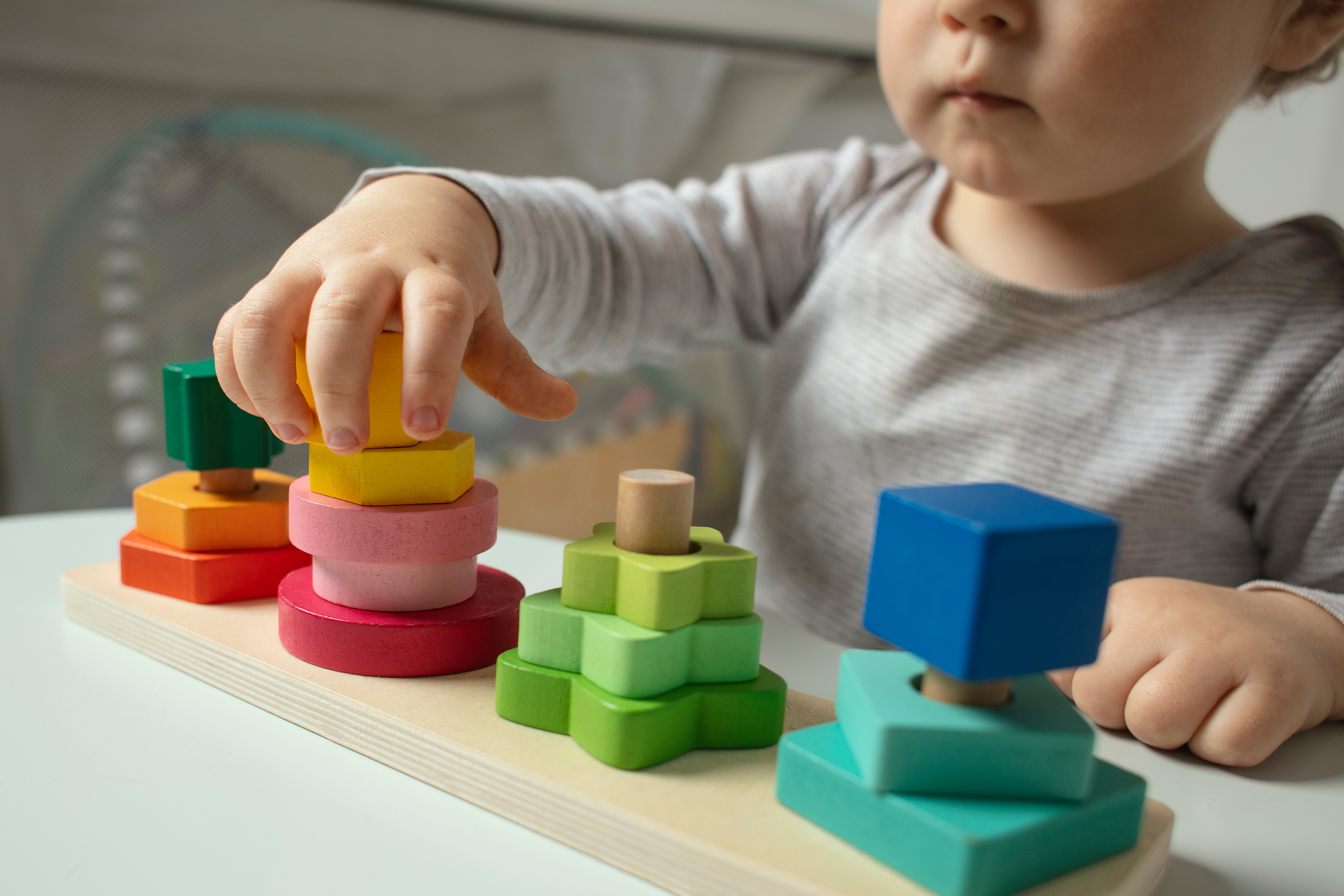
Categorization skills, particularly sorting, are critical for children aged 5 to 7 as they lay the foundation for numerous cognitive and academic processes. Engaging in sorting activities helps children develop critical thinking and problem-solving skills. By grouping items based on shared attributes such as size, color, shape, or function, children learn to make connections and recognize patterns, key elements in logical reasoning.
Moreover, sorting enhances language development. As children explain their sorting criteria, they expand their vocabulary and improve their ability to articulate thoughts, which boosts communication skills. This foundational skill is closely linked to early mathematics, as it fosters an understanding of classification, sets, and even basic data interpretation, all of which are essential in later math learning.
Furthermore, categorization aids in promoting memory and recall, as individuals beginning to understand similar characteristics are more likely to remember information. By recognizing the importance of sorting, parents and teachers can provide engaging activities—like sorting games or interactive projects—that not only foster academic skills but also support social interaction. Ultimately, nurturing categorization skills in young children significantly contributes to their overall cognitive development and readiness for future educational challenges.








