Fine Motor Skills Sorting Worksheets for Ages 5-7
3 filtered results
-
From - To
Enhance your child's fine motor skills with our expertly designed Sorting Worksheets for ages 5-7. These educational activities are carefully crafted to build hand-eye coordination, improve dexterity, and sharpen cognitive abilities. Perfect for young learners, the worksheets provide fun and engaging sorting exercises that involve colors, shapes, and objects. Tailored to meet developmental milestones, these printable sheets offer a hands-on approach to learning, promoting both motor skills and critical thinking. Ideal for classroom or at-home practice, they ensure children develop essential skills while enjoying the process. Boost your child's early learning journey today!
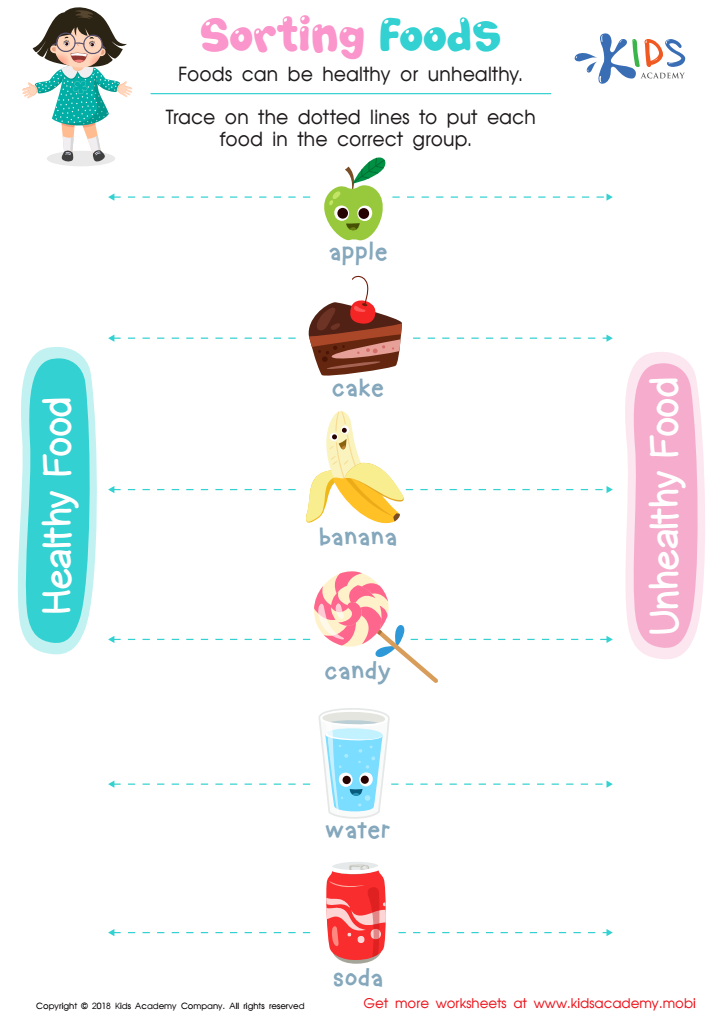
Sorting Food Worksheet
 Assign to My Students
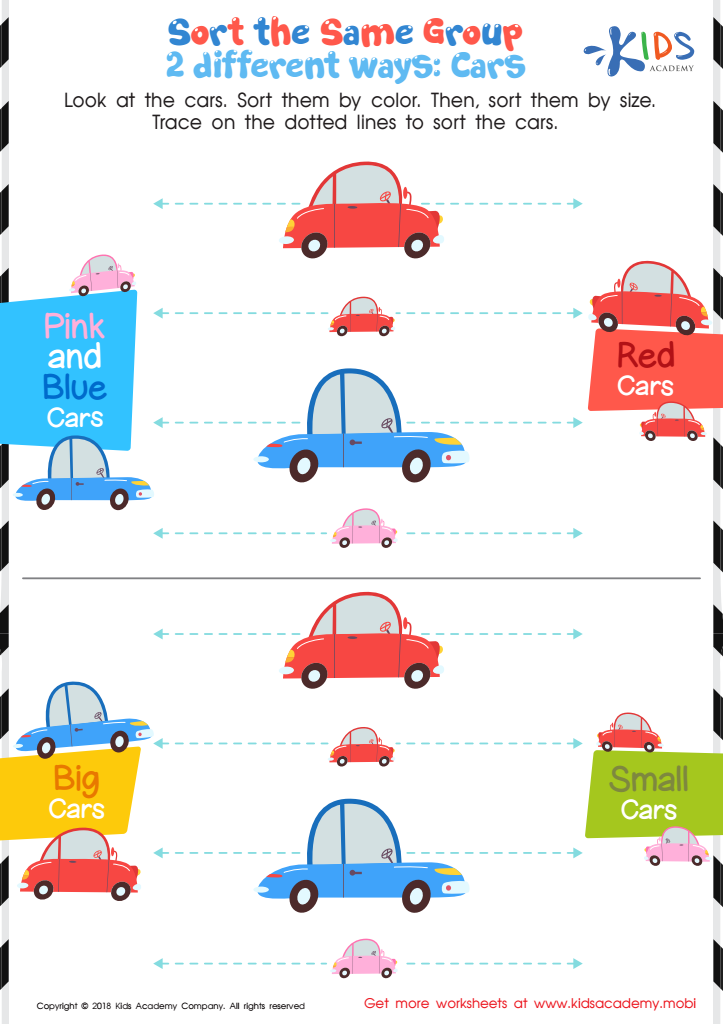
Sort the Same Group 2 Different Ways: Cars Worksheet
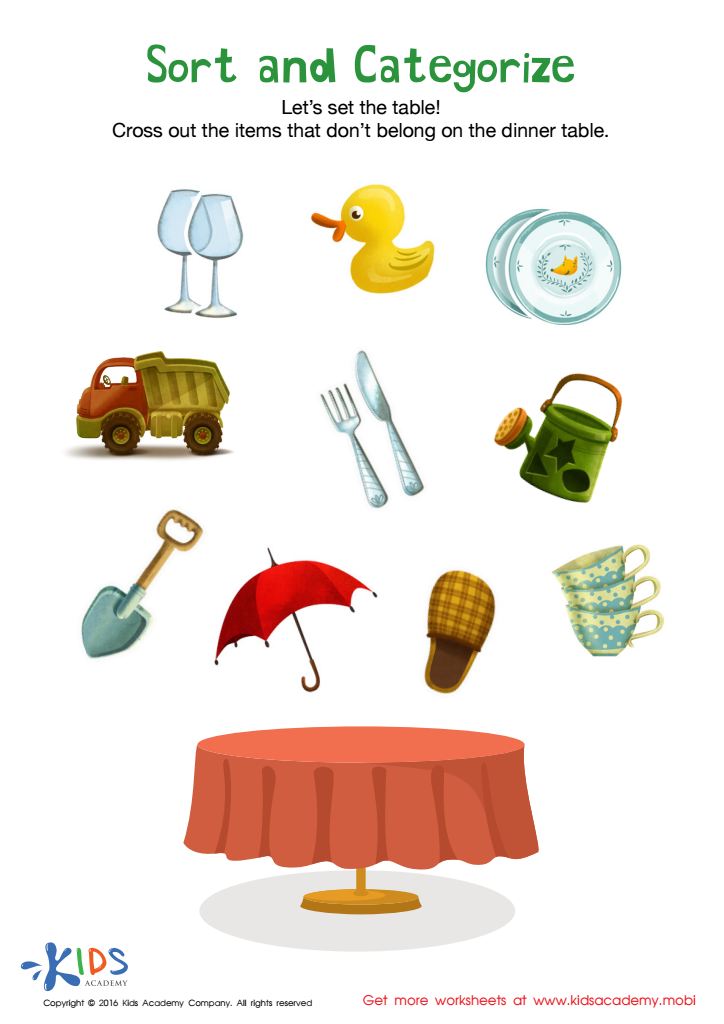




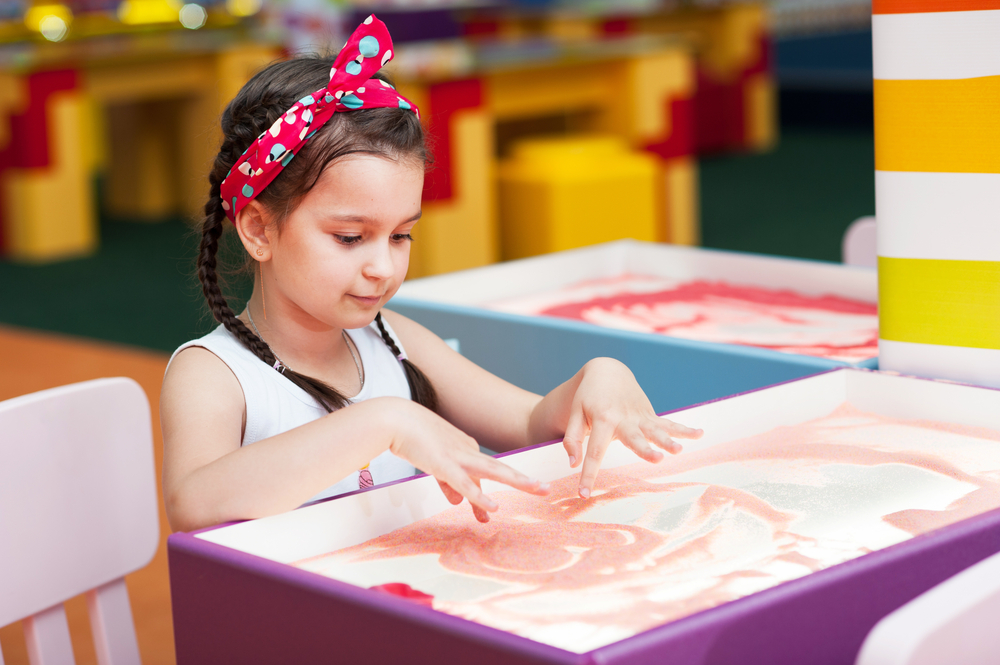



Fine motor skills sorting for ages 5-7 is crucial because it lays the foundational groundwork for a child’s overall development and future academic success. Fine motor skills involve the coordination of small muscles in the hands and fingers, enabling children to perform tasks such as writing, cutting with scissors, buttoning shirts, and tying shoelaces. At this developmental stage, sorting activities—where children group objects based on size, shape, color, or type—not only engage their hands and fingers but also enhance cognitive abilities like problem-solving, categorization, and logical thinking.
Parents and teachers should prioritize fine motor skills sorting because it directly impacts a child's readiness to learn more complex skills, such as handwriting. Difficulties with fine motor tasks can lead to frustration, impacting self-esteem and academic performance. Additionally, these activities help improve hand-eye coordination and bilateral coordination, where children use both hands together or separately in an organized manner—essential for many school tasks.
Encouraging sorting tasks can also be a fun and engaging way for children to learn concepts of order, patterns, and comparisons, integrating learning with play. Investing time and resources to develop these skills ensures a smoother transition into elementary education, equipping children with the confidence and aptitude to succeed academically and socially.








