Addition Practice Building Vocabulary Worksheets for Ages 5-7
8 filtered results
-
From - To
Enhance your child's early math skills with our "Addition Practice Building Vocabulary Worksheets" designed for ages 5-7. These engaging worksheets integrate essential addition exercises with vocabulary-building activities, promoting both mathematical proficiency and language development. Each worksheet features colorful illustrations and interactive elements to captivate young learners while making addition fun and exciting. Perfect for at-home learning or classroom use, these resources encourage critical thinking and reinforce key concepts in a playful way. Help your child gain confidence in their math abilities while expanding their vocabulary—download our easy-to-use worksheets today and watch them thrive!











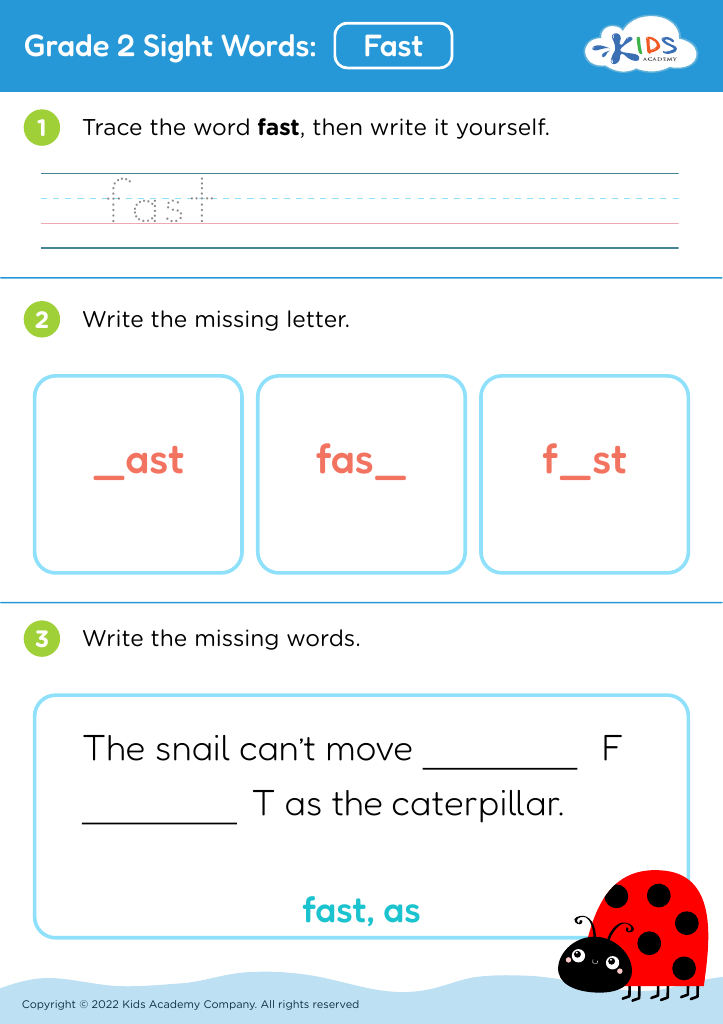
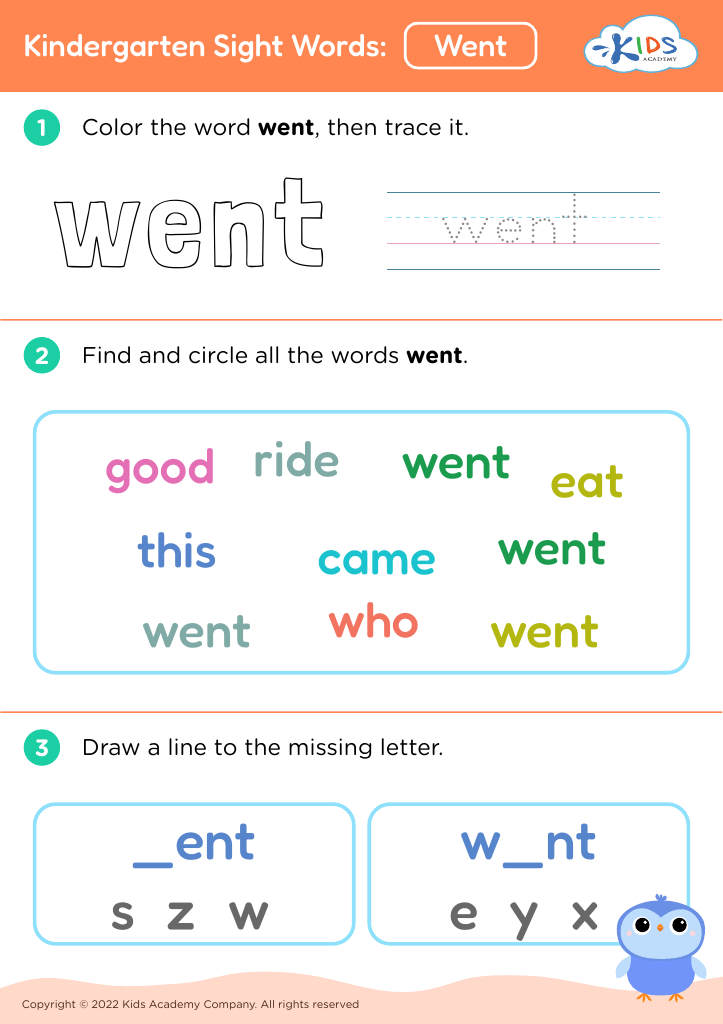
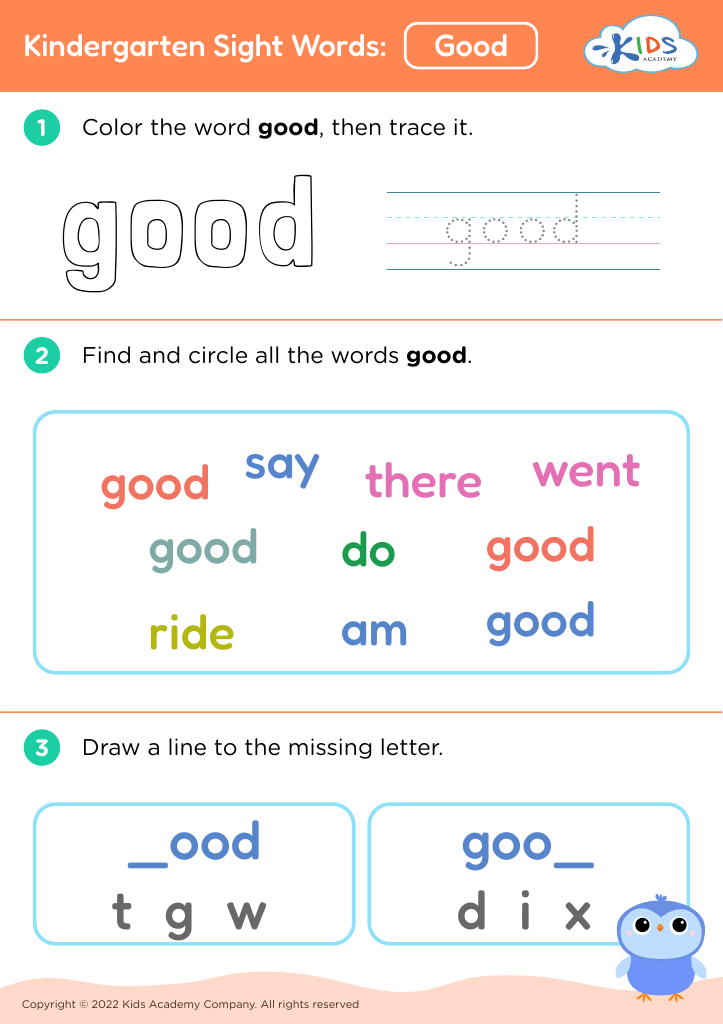
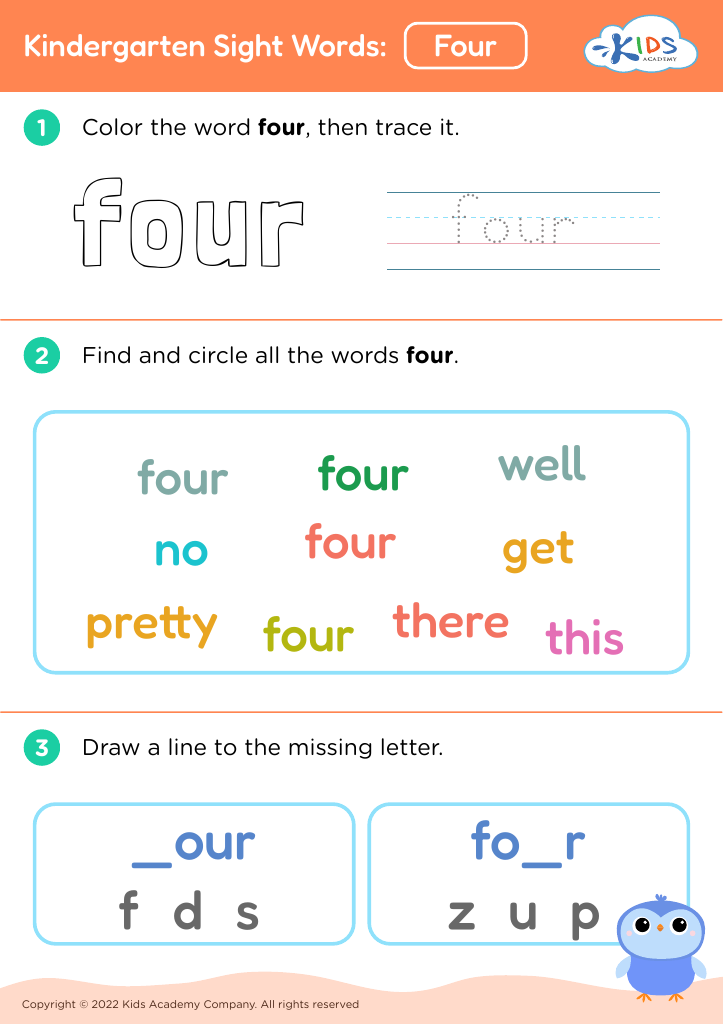






.jpg)

Parents and teachers should recognize the essential link between addition practice and vocabulary building for children aged 5-7, as these skills are foundational for a child's cognitive development and future learning. Math learning, specifically in basic operations like addition, involves not only manipulating numbers but also understanding the vocabulary associated with those numbers, operations, and mathematical concepts.
As children engage in addition practice, they encounter terms such as "sum," "plus," "more than," and "total." Familiarity with this vocabulary enhances their mathematical language, enabling them to articulate their thought processes, explain their reasoning, and communicate effectively. This synergy between math and language lays the groundwork for more complex math skills and problem-solving abilities down the line.
Additionally, strong vocabulary skills contribute to improved reading comprehension, as children frequently encounter numerical concepts across subjects. For example, they need to comprehend problems and verbal instructions in contextual scenarios. Strengthening children's understanding of addition and its associated vocabulary fosters a positive attitude toward math, promoting confidence and engagement.
Ultimately, effective addition practice that integrates vocabulary challenges aims to develop well-rounded learners who can navigate both linguistic and numerical landscapes, supporting their overall academic success.








