
Mathematical reasoning Building Vocabulary Worksheets for Ages 5-7
6 filtered results
Difficulty Level
Grade
Age
-
From - To
Subject
Activity
Standards
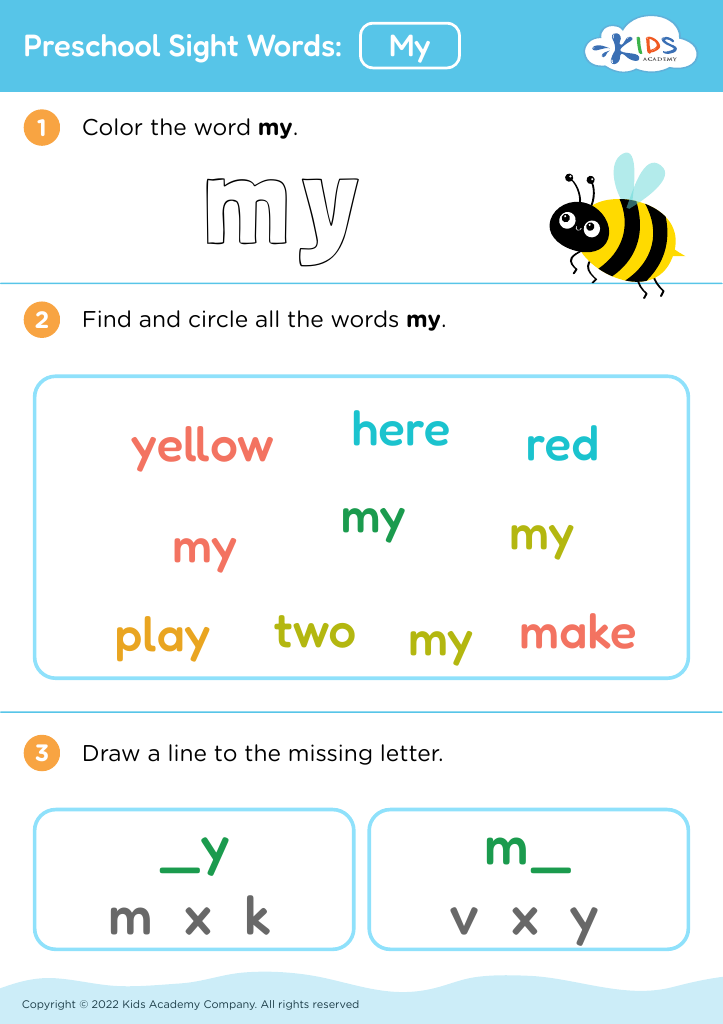
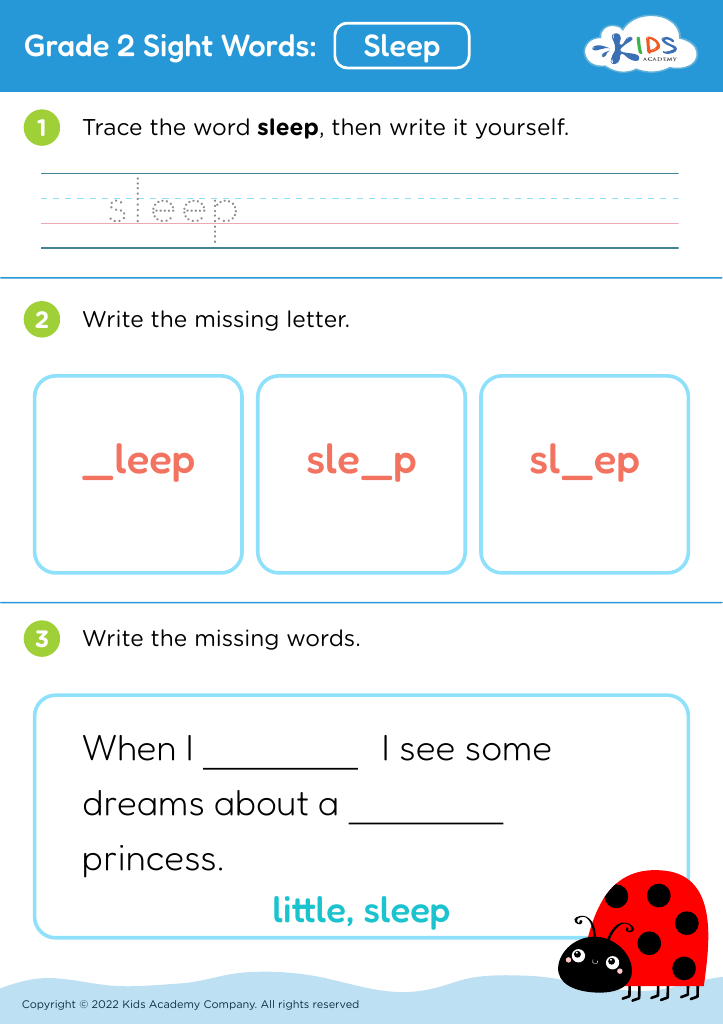
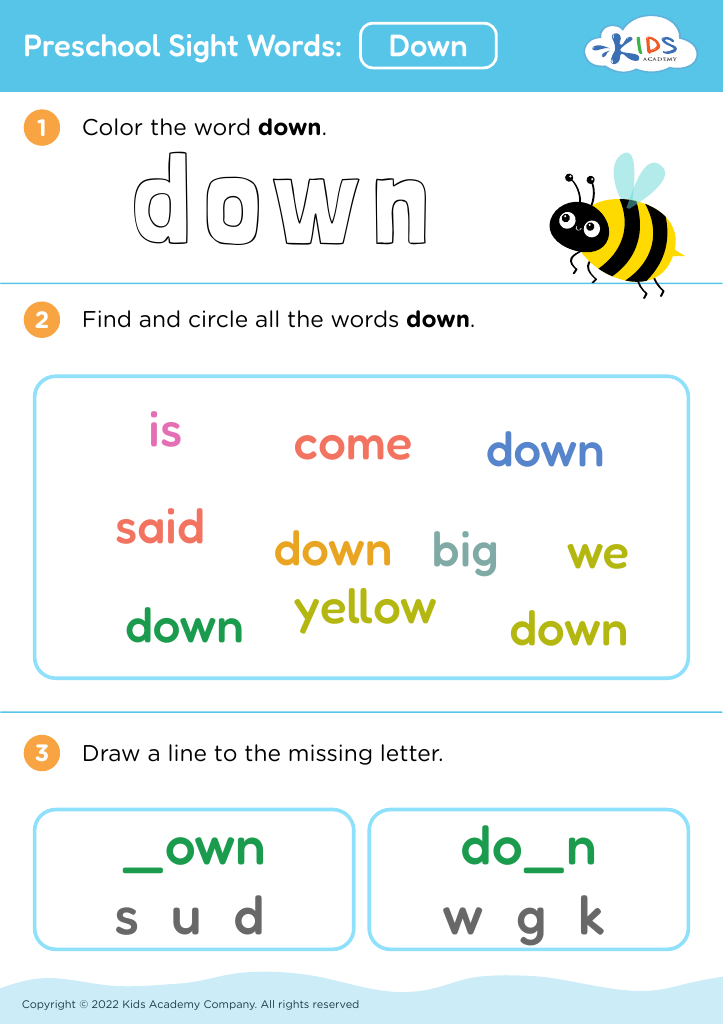
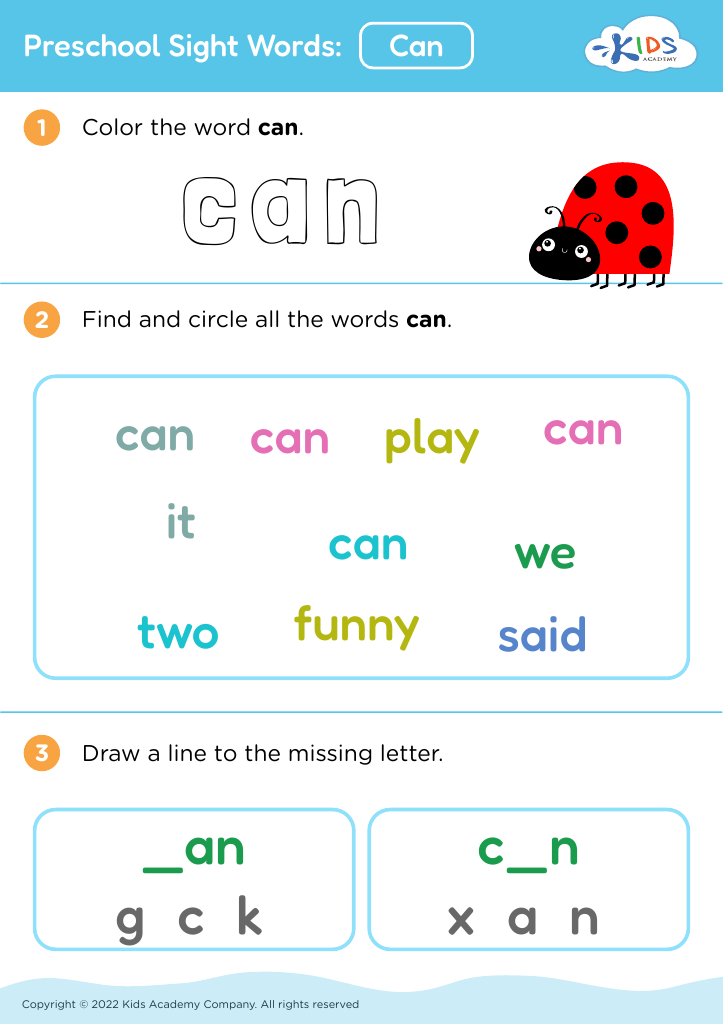
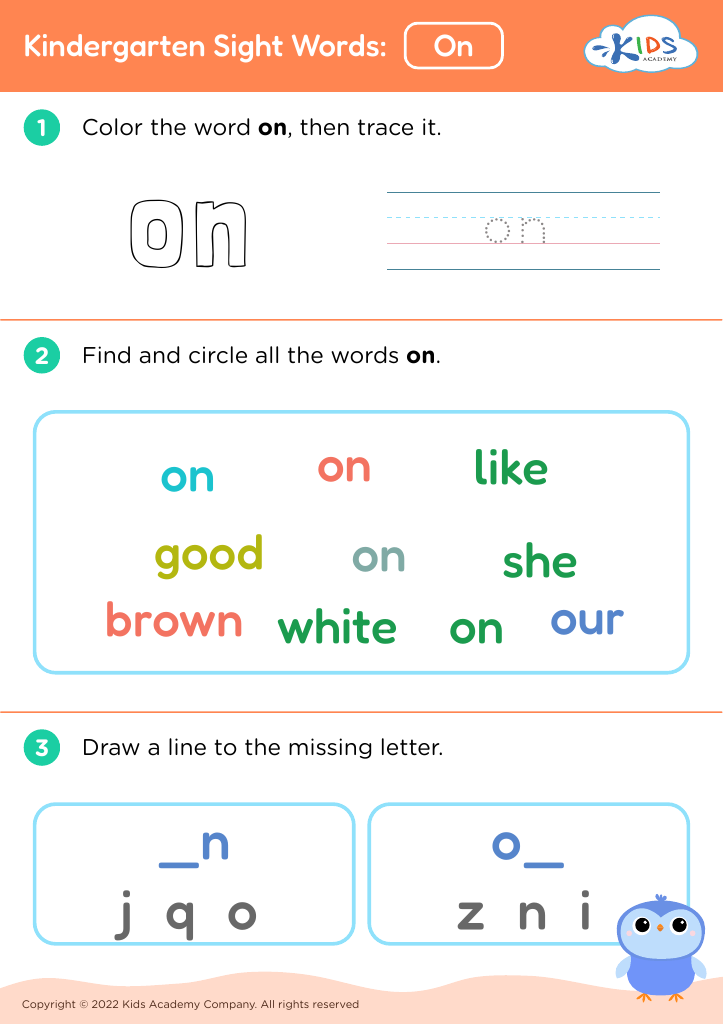
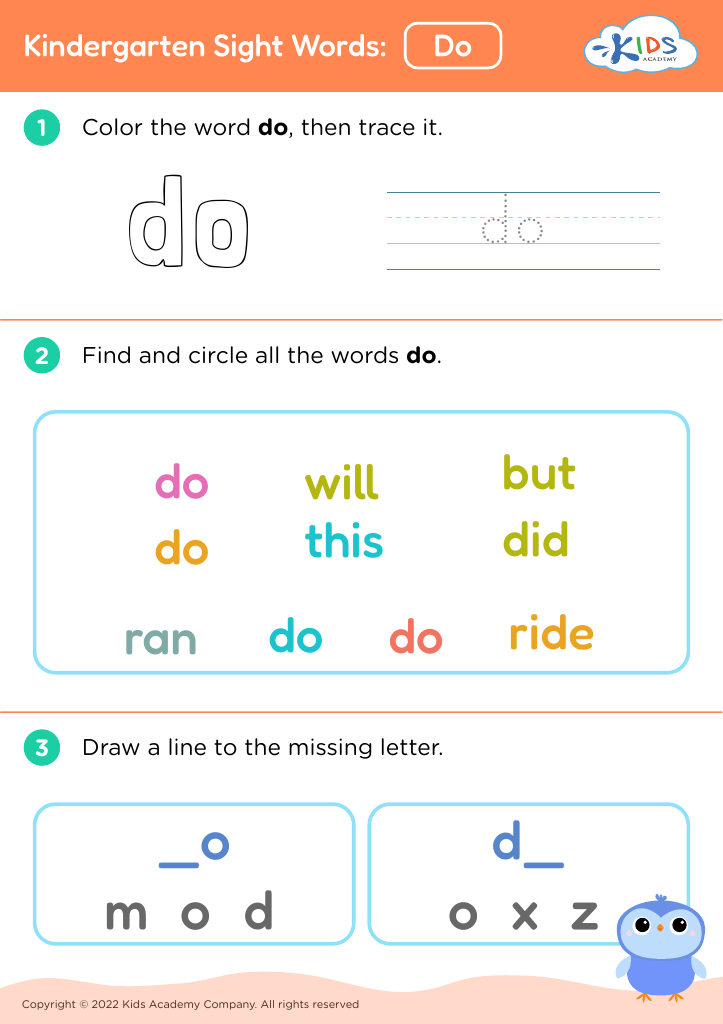
Discover our engaging "Mathematical Reasoning Building Vocabulary Worksheets" designed specifically for children ages 5-7. These thoughtfully crafted worksheets not only enhance mathematical skills but also promote vocabulary development through fun activities and visual aids. Young learners will explore key concepts in math while becoming familiar with essential terminology, building a strong foundation for future studies. Each worksheet encourages critical thinking, problem-solving, and creativity, making learning an enjoyable experience. Perfect for homeschooling or classroom use, these resources seamlessly integrate vocabulary building with mathematical reasoning, setting your child on the path to success. Explore our collection and nurture your child's love for learning today!
Favorites
With answer key
Interactive











Join Kids Academy for Free
Who is primarily going to use this learning content?



.jpg)




Mathematical reasoning and vocabulary development are crucial for children aged 5-7, forming the foundation for their academic success. At this age, children are naturally curious, eager to explore concepts related to numbers, shapes, and patterns. By fostering mathematical reasoning, parents and teachers help children learn to analyze situations, make connections, and solve problems logically. This cognitive development enhances critical thinking skills, which are vital in all areas of learning.
Building vocabulary specifically related to mathematics further enriches this experience. When children learn terms like “addition,” “subtraction,” “greater than,” and “sequence,” they gain the language needed to communicate mathematical ideas effectively. This vocabulary empowers them to articulate their thought processes and understand instructions, improving their ability to engage in discussions about math.
Moreover, strong foundational skills in mathematical reasoning and vocabulary during these formative years instill confidence in children, making them more willing to explore complex concepts later on. Engaging in activities that promote reasoning and vocabulary also fosters a positive attitude toward mathematics, reducing anxiety and building a love for the subject. In summary, prioritizing these elements not only prepares children for future academic challenges but also equips them with essential problem-solving skills applicable throughout their lives.








